


Men's Fleece Jackets – Trekking, Hiking & Winter Mid-Layers
Filters
2 products
Kaza Polar Fleece Jacket - Mens
(Inclusive of all taxes)
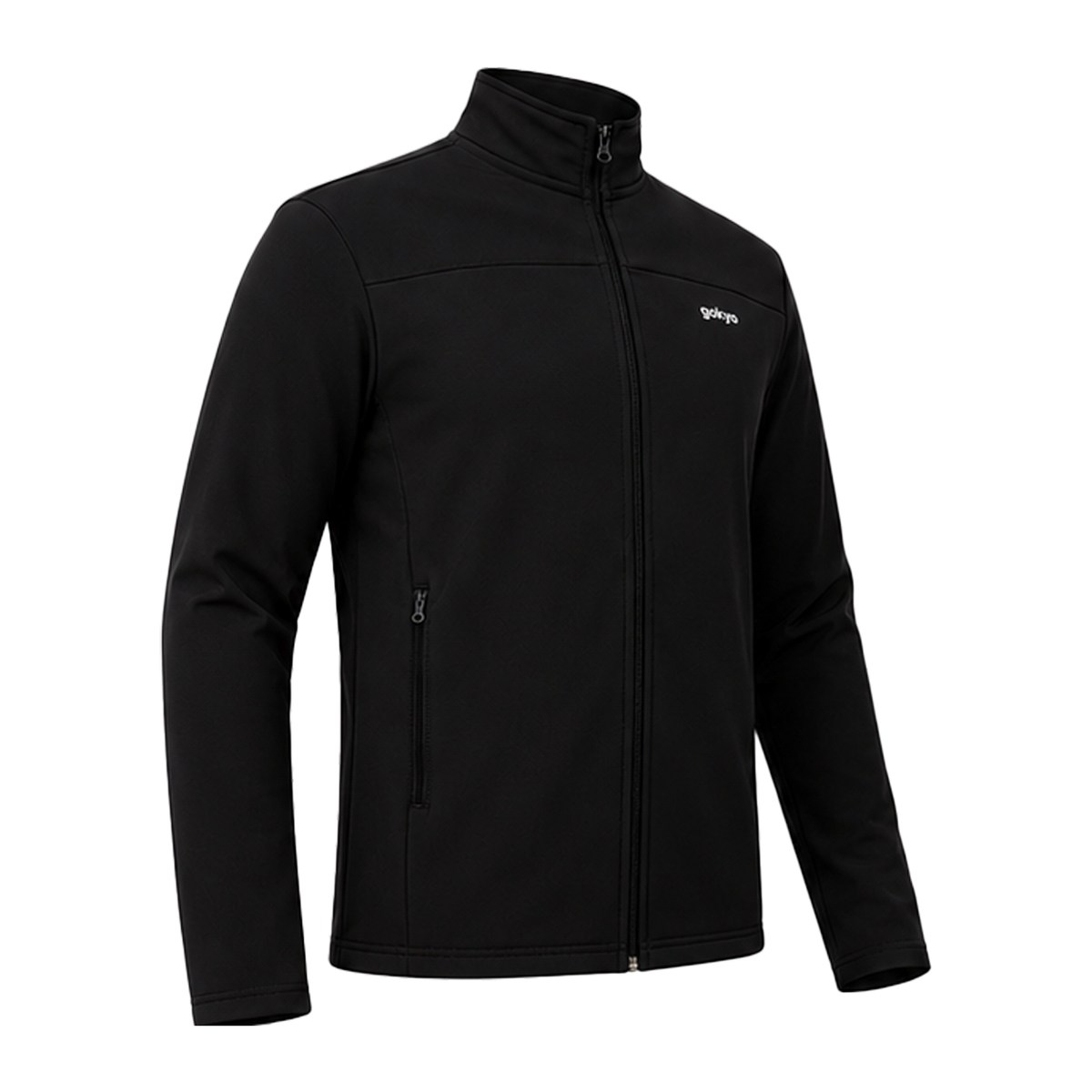
Kaza Soft Shell Insulated Fleece Jacket
(Inclusive of all taxes)
Explore Gokyo’s range of men’s fleece jackets for trekking, hiking, winter travel and everyday cold-weather use. Designed to provide warmth without the bulk of a heavily insulated jacket, fleece works particularly well as a mid-layer during Himalayan treks and as a standalone jacket in milder conditions.
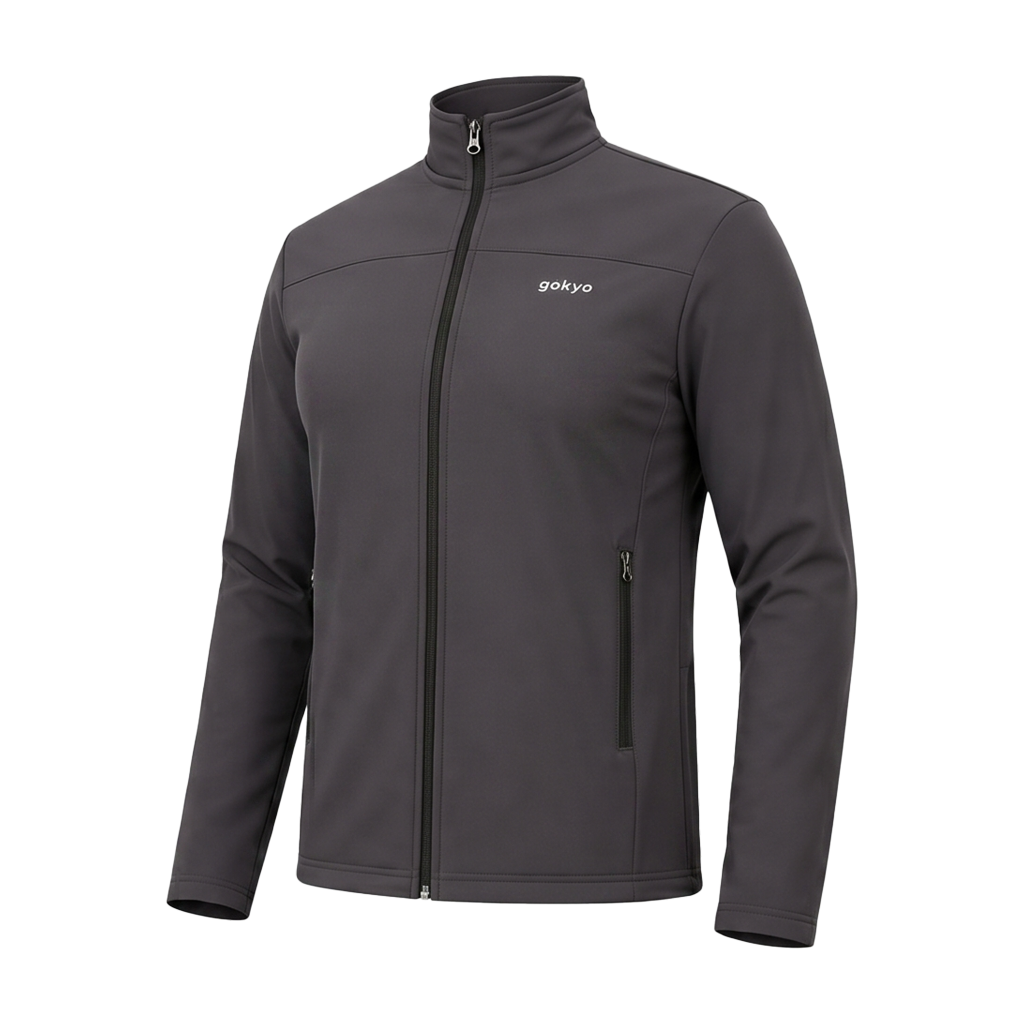
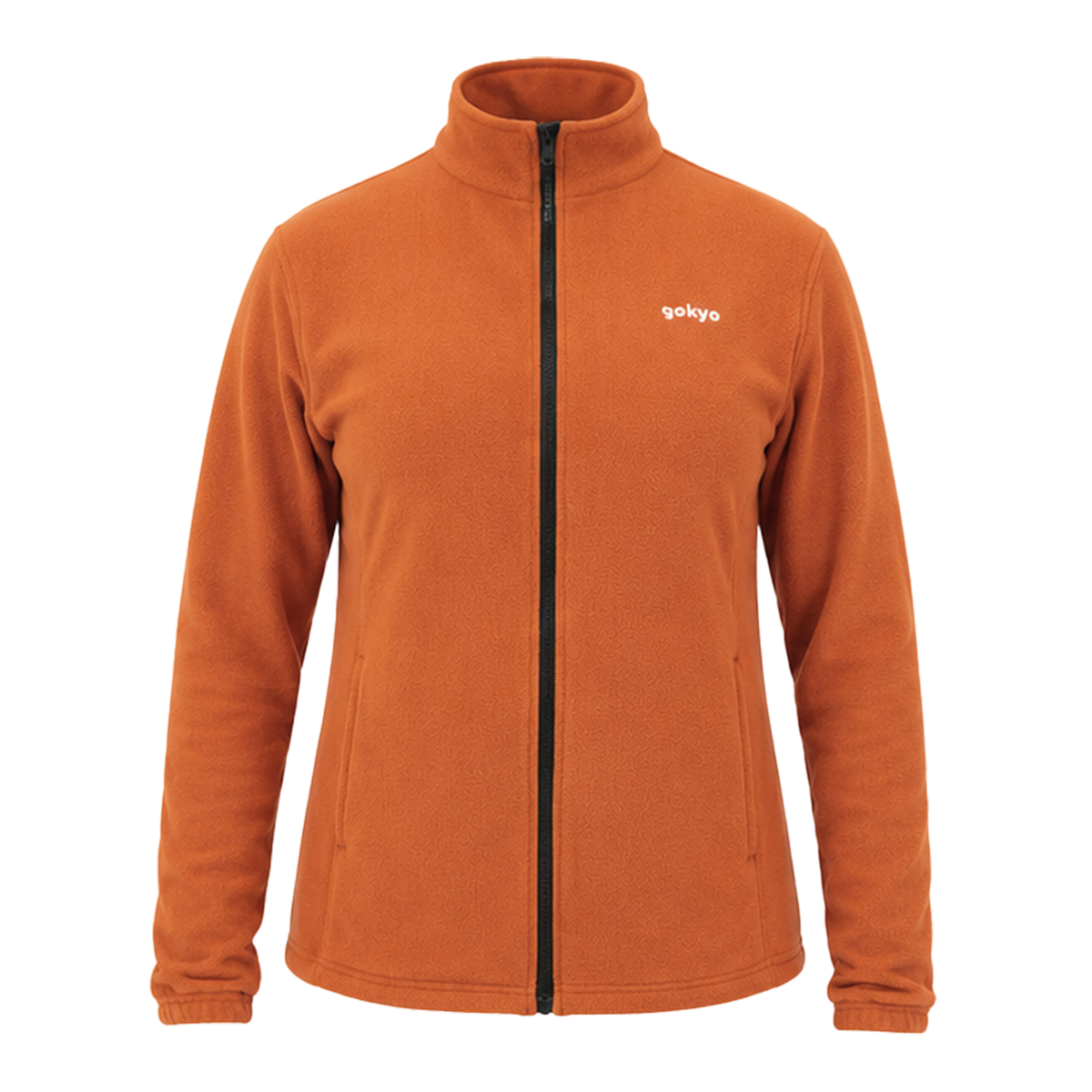
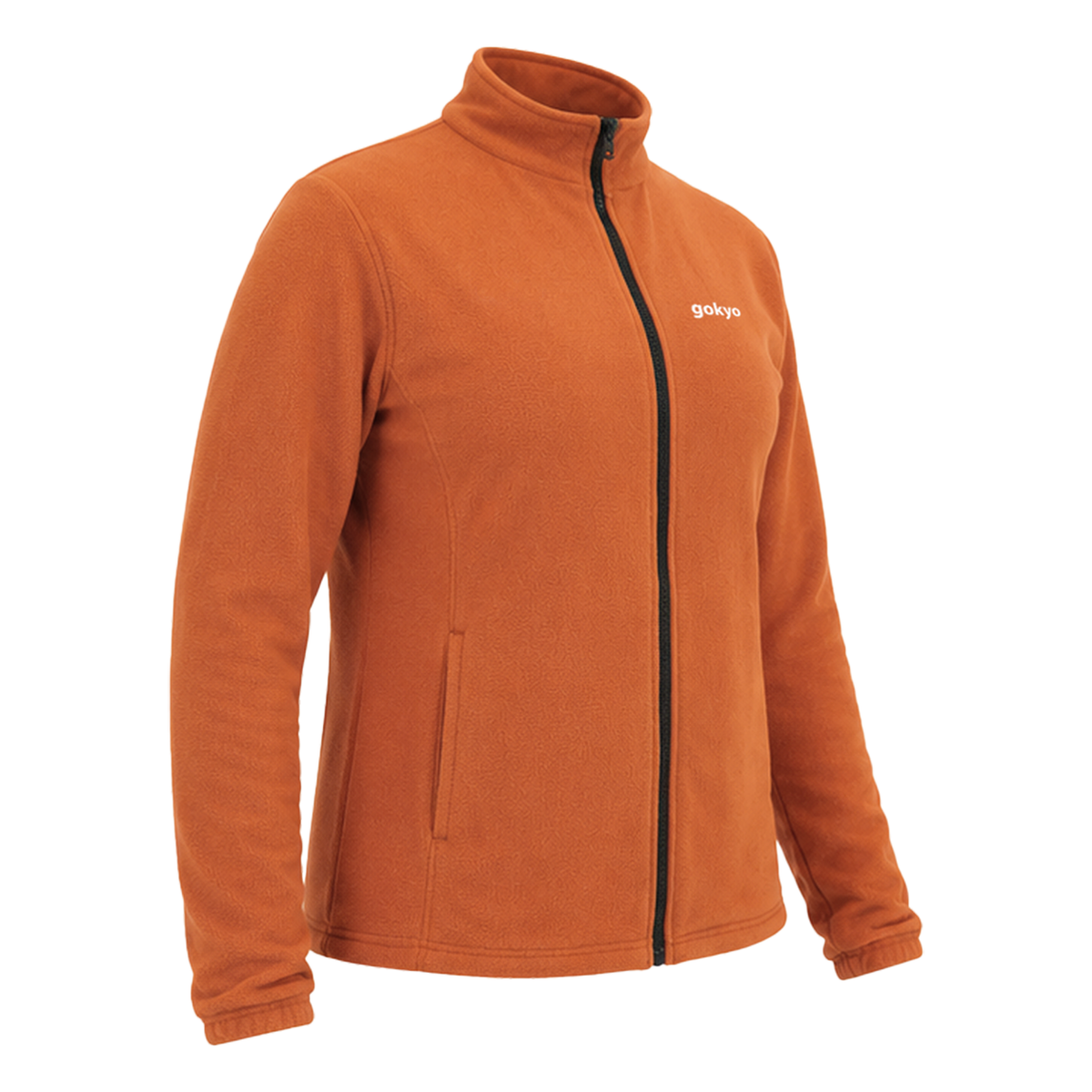
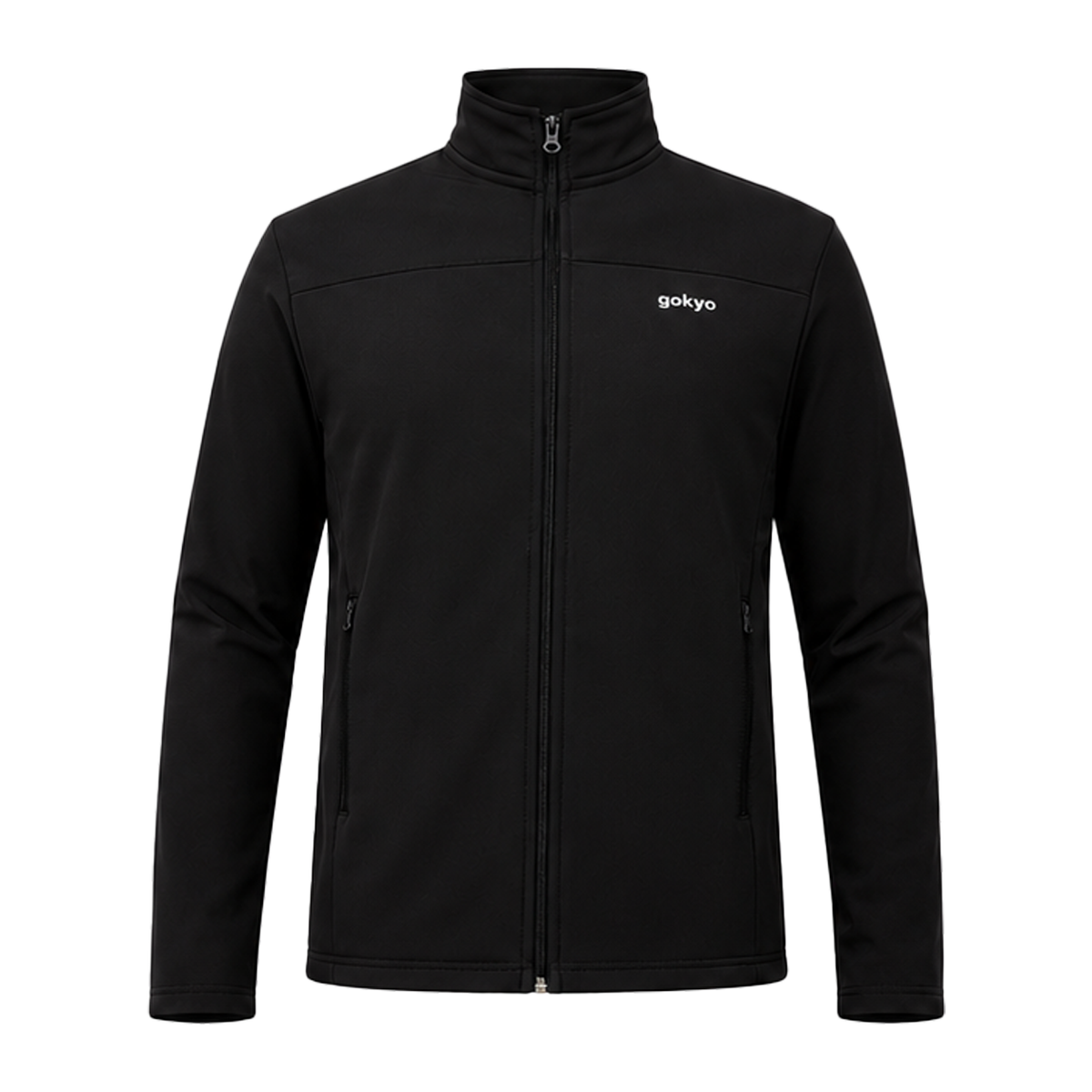
The collection currently includes two distinct options: the lightweight Kaza Polar Fleece Jacket, currently marked Best Seller, and the Kaza Soft Shell Insulated Fleece Jacket, which combines a nylon soft-shell exterior with bonded fleece for greater protection from wind and light moisture.
Fleece Jackets for Trekking & Hiking
Fleece is widely used for mountain hiking because it combines warmth with relatively low weight and works effectively within a layering system. Decathlon currently positions its fleece range specifically around mountain hiking and second-layer warmth, while Columbia categorises fleece as a layer for hiking, camping and cold weather.
For trekking, a fleece jacket can be useful during:
- Cool mornings and evenings
- Rest stops
- Higher-altitude sections
- Cold and windy days
- Time spent at camp
- Winter trekking
- Mountain travel
- Everyday cold-weather use
Wear it over a trekking T-shirt or thermal base layer, then add an insulated or weather-protection jacket when conditions become colder.
Lightweight Polar Fleece Jackets
A lightweight polar fleece jacket is one of the most versatile pieces in a trekking wardrobe.
Gokyo’s Kaza Polar Fleece Jacket is designed to work either as a standalone jacket in mild cold or as a mid-layer underneath another jacket. Gokyo currently positions it for approximately 5°C to 20°C, including EBC treks, Kailash and cold-weather travel.
It is particularly useful when you want warmth without carrying a bulky winter jacket throughout the day.
The Kaza Polar Fleece Jacket is also currently marked Best Seller within the collection.
Softshell Fleece Jackets for Added Protection
A softshell fleece serves a slightly different purpose from a conventional polar fleece.
The Kaza Soft Shell Insulated Fleece Jacket combines a nylon soft-shell exterior with a bonded fleece interior. The outer layer helps block wind and light moisture, while the fleece provides warmth without the bulk of heavier insulation. It also includes external zippered pockets and internal storage pockets.
This makes a softshell fleece useful when you want warmth, wind protection and greater versatility in changing weather from a single jacket.
It is particularly suited to cool-weather travel, outdoor walking, mountain destinations and situations where a standard fleece may provide warmth but insufficient protection from wind.
Fleece as a Mid-Layer
One of the most important uses of fleece is as part of a cold-weather layering system.
A typical upper-body system can include:
Layer 1 – Base Layer
A thermal or moisture-managing layer worn close to the skin.
Layer 2 – Fleece Mid-Layer
Provides warmth while allowing you to remain mobile during activity.
Layer 3 – Insulated or Protective Outer Layer
Added when temperatures fall further or when wind, rain or snow requires greater protection.
This approach allows layers to be added or removed as activity and weather change. Reccy’s current guidance similarly places light fleece and fleece mid-layers between a base layer and an outer windproof or insulated jacket.
Polar Fleece vs Softshell Fleece
Both provide warmth, but they are designed for different conditions.
Polar fleece prioritises lightweight warmth, softness and easy layering. It works particularly well as a mid-layer and can be worn independently in mild cold.
Softshell fleece adds a protective outer face that can offer better resistance to wind and light moisture while retaining fleece warmth on the inside. Gokyo’s Kaza Soft Shell uses precisely this combination of nylon outer shell and bonded fleece interior.
Choose polar fleece when light weight and layering are your priorities.
Choose softshell fleece when you want warmth with additional wind and light-weather protection.
Fleece Jackets for Himalayan Treks
On Himalayan treks, temperatures can vary substantially through the day.
You may start walking in cold conditions, become warmer during a climb and need insulation again when you stop moving. A lightweight fleece is useful because it can be added or removed relatively easily without committing to a heavy winter layer throughout the trek.
For destinations such as Everest Base Camp and Kailash, Gokyo specifically positions the Kaza Polar Fleece as a travel and trekking mid-layer.
For colder conditions, combine it with an appropriate thermal base layer and insulated outer jacket rather than relying on fleece alone.
Fleece Jackets for Winter Travel
Fleece jackets are equally useful away from the trail.
For hill stations, winter road trips and international travel, they provide a practical intermediate layer when a heavy insulated jacket would be unnecessary.
They can be worn for:
- Winter holidays
- Hill-station travel
- Road trips
- Camping
- Sightseeing
- Outdoor photography
- Morning walks
- Flights & airport travel
- Everyday winter wear
A fleece can also remain inside your backpack or daypack until the temperature falls, making it useful for trips involving changing conditions.
What to Look for in a Fleece Jacket
When choosing a trekking or winter fleece, consider:
- Level of warmth
- Fabric weight
- Breathability
- Ease of layering
- Freedom of movement
- Full-zip or pullover construction
- Pocket configuration
- Wind protection where required
- Expected temperature
- Whether it will be used as a mid-layer or outer layer
The best choice depends on how you intend to use it rather than simply choosing the heaviest fleece.
Frequently Asked Questions
Are fleece jackets good for trekking?
Yes. Fleece jackets are widely used as trekking mid-layers because they provide warmth without the bulk of a heavy winter jacket. They are particularly useful during cool mornings, rest stops and colder sections of a trek.
Is fleece warm enough for winter?
It depends on the temperature. A fleece jacket may be sufficient by itself in mild cold. In colder winter or high-altitude conditions, it works better as a mid-layer underneath an insulated or protective outer jacket.
What is a fleece mid-layer?
A fleece mid-layer is worn between your base layer and outer jacket. Its primary purpose is to provide additional warmth while allowing the layering system to be adjusted as temperature and activity change.
What is the difference between fleece and a softshell jacket?
A conventional fleece primarily provides warmth. A softshell generally adds greater wind and weather protection. Gokyo’s Kaza Soft Shell Insulated Fleece combines a nylon exterior with bonded fleece, giving it characteristics of both.
Is fleece windproof?
Standard polar fleece should not automatically be considered windproof. A softshell fleece provides better wind resistance because of its outer construction. Check the individual product specification rather than assuming all fleece jackets provide the same protection.
Is a fleece jacket waterproof?
No. A conventional fleece jacket should not be treated as waterproof. Gokyo’s Kaza Soft Shell Insulated Fleece is designed to help block light moisture, but that is different from a dedicated waterproof rain jacket.
What should I wear under a fleece jacket?
In moderate conditions, a trekking T-shirt can be worn underneath. In colder weather, use a thermal or moisture-managing base layer, followed by the fleece and an insulated or protective outer jacket when required.
Can I wear a fleece jacket for Everest Base Camp?
Yes, fleece is commonly used as part of a layering system for high-altitude trekking. Gokyo specifically positions the Kaza Polar Fleece as a mid-layer for EBC treks. It should be combined with appropriate base layers and insulated outerwear according to the conditions.
Should I choose polar fleece or softshell fleece?
Choose polar fleece when you want a lightweight, comfortable mid-layer that is easy to layer.
Choose softshell fleece when you want additional protection from wind and light moisture while retaining the warmth of a fleece interior.
Can fleece jackets be used for everyday winter wear?
Yes. Fleece jackets are useful for everyday cold-weather use because they provide warmth without the bulk of many heavier winter jackets.
Shop Men's Fleece Jackets at Gokyo
Explore Gokyo’s collection of men’s fleece jackets, trekking fleece jackets, polar fleece and softshell fleece jackets for Himalayan treks, hiking, winter travel and everyday cold-weather use.
Choose the lightweight Kaza Polar Fleece when easy layering and versatility are the priority, or the Kaza Soft Shell Insulated Fleece when you need additional wind and light-moisture protection.

Cash on Delivery Available
Pay When Your Order Arrives

Easy Returns
7 Days for Exchange & Easy returns

Secure Checkout
Multi-Payment Checkouts

Free Shipping
Get free shipping over ₹ 1000

Express Shipping
Get Express Shipping at just ₹300 extra.
Explore Gokyo’s range of men’s fleece jackets for trekking, hiking, winter travel and everyday cold-weather use. Designed to provide warmth without the bulk of a heavily insulated jacket, fleece works particularly well as a mid-layer during Himalayan treks and as a standalone jacket in milder conditions.
The collection currently includes two distinct options: the lightweight Kaza Polar Fleece Jacket, currently marked Best Seller, and the Kaza Soft Shell Insulated Fleece Jacket, which combines a nylon soft-shell exterior with bonded fleece for greater protection from wind and light moisture.
Fleece Jackets for Trekking & Hiking
Fleece is widely used for mountain hiking because it combines warmth with relatively low weight and works effectively within a layering system. Decathlon currently positions its fleece range specifically around mountain hiking and second-layer warmth, while Columbia categorises fleece as a layer for hiking, camping and cold weather.
For trekking, a fleece jacket can be useful during:
- Cool mornings and evenings
- Rest stops
- Higher-altitude sections
- Cold and windy days
- Time spent at camp
- Winter trekking
- Mountain travel
- Everyday cold-weather use
Wear it over a trekking T-shirt or thermal base layer, then add an insulated or weather-protection jacket when conditions become colder.
Lightweight Polar Fleece Jackets
A lightweight polar fleece jacket is one of the most versatile pieces in a trekking wardrobe.
Gokyo’s Kaza Polar Fleece Jacket is designed to work either as a standalone jacket in mild cold or as a mid-layer underneath another jacket. Gokyo currently positions it for approximately 5°C to 20°C, including EBC treks, Kailash and cold-weather travel.
It is particularly useful when you want warmth without carrying a bulky winter jacket throughout the day.
The Kaza Polar Fleece Jacket is also currently marked Best Seller within the collection.
Softshell Fleece Jackets for Added Protection
A softshell fleece serves a slightly different purpose from a conventional polar fleece.
The Kaza Soft Shell Insulated Fleece Jacket combines a nylon soft-shell exterior with a bonded fleece interior. The outer layer helps block wind and light moisture, while the fleece provides warmth without the bulk of heavier insulation. It also includes external zippered pockets and internal storage pockets.
This makes a softshell fleece useful when you want warmth, wind protection and greater versatility in changing weather from a single jacket.
It is particularly suited to cool-weather travel, outdoor walking, mountain destinations and situations where a standard fleece may provide warmth but insufficient protection from wind.
Fleece as a Mid-Layer
One of the most important uses of fleece is as part of a cold-weather layering system.
A typical upper-body system can include:
Layer 1 – Base Layer
A thermal or moisture-managing layer worn close to the skin.
Layer 2 – Fleece Mid-Layer
Provides warmth while allowing you to remain mobile during activity.
Layer 3 – Insulated or Protective Outer Layer
Added when temperatures fall further or when wind, rain or snow requires greater protection.
This approach allows layers to be added or removed as activity and weather change. Reccy’s current guidance similarly places light fleece and fleece mid-layers between a base layer and an outer windproof or insulated jacket.
Polar Fleece vs Softshell Fleece
Both provide warmth, but they are designed for different conditions.
Polar fleece prioritises lightweight warmth, softness and easy layering. It works particularly well as a mid-layer and can be worn independently in mild cold.
Softshell fleece adds a protective outer face that can offer better resistance to wind and light moisture while retaining fleece warmth on the inside. Gokyo’s Kaza Soft Shell uses precisely this combination of nylon outer shell and bonded fleece interior.
Choose polar fleece when light weight and layering are your priorities.
Choose softshell fleece when you want warmth with additional wind and light-weather protection.
Fleece Jackets for Himalayan Treks
On Himalayan treks, temperatures can vary substantially through the day.
You may start walking in cold conditions, become warmer during a climb and need insulation again when you stop moving. A lightweight fleece is useful because it can be added or removed relatively easily without committing to a heavy winter layer throughout the trek.
For destinations such as Everest Base Camp and Kailash, Gokyo specifically positions the Kaza Polar Fleece as a travel and trekking mid-layer.
For colder conditions, combine it with an appropriate thermal base layer and insulated outer jacket rather than relying on fleece alone.
Fleece Jackets for Winter Travel
Fleece jackets are equally useful away from the trail.
For hill stations, winter road trips and international travel, they provide a practical intermediate layer when a heavy insulated jacket would be unnecessary.
They can be worn for:
- Winter holidays
- Hill-station travel
- Road trips
- Camping
- Sightseeing
- Outdoor photography
- Morning walks
- Flights & airport travel
- Everyday winter wear
A fleece can also remain inside your backpack or daypack until the temperature falls, making it useful for trips involving changing conditions.
What to Look for in a Fleece Jacket
When choosing a trekking or winter fleece, consider:
- Level of warmth
- Fabric weight
- Breathability
- Ease of layering
- Freedom of movement
- Full-zip or pullover construction
- Pocket configuration
- Wind protection where required
- Expected temperature
- Whether it will be used as a mid-layer or outer layer
The best choice depends on how you intend to use it rather than simply choosing the heaviest fleece.
Frequently Asked Questions
Are fleece jackets good for trekking?
Yes. Fleece jackets are widely used as trekking mid-layers because they provide warmth without the bulk of a heavy winter jacket. They are particularly useful during cool mornings, rest stops and colder sections of a trek.
Is fleece warm enough for winter?
It depends on the temperature. A fleece jacket may be sufficient by itself in mild cold. In colder winter or high-altitude conditions, it works better as a mid-layer underneath an insulated or protective outer jacket.
What is a fleece mid-layer?
A fleece mid-layer is worn between your base layer and outer jacket. Its primary purpose is to provide additional warmth while allowing the layering system to be adjusted as temperature and activity change.
What is the difference between fleece and a softshell jacket?
A conventional fleece primarily provides warmth. A softshell generally adds greater wind and weather protection. Gokyo’s Kaza Soft Shell Insulated Fleece combines a nylon exterior with bonded fleece, giving it characteristics of both.
Is fleece windproof?
Standard polar fleece should not automatically be considered windproof. A softshell fleece provides better wind resistance because of its outer construction. Check the individual product specification rather than assuming all fleece jackets provide the same protection.
Is a fleece jacket waterproof?
No. A conventional fleece jacket should not be treated as waterproof. Gokyo’s Kaza Soft Shell Insulated Fleece is designed to help block light moisture, but that is different from a dedicated waterproof rain jacket.
What should I wear under a fleece jacket?
In moderate conditions, a trekking T-shirt can be worn underneath. In colder weather, use a thermal or moisture-managing base layer, followed by the fleece and an insulated or protective outer jacket when required.
Can I wear a fleece jacket for Everest Base Camp?
Yes, fleece is commonly used as part of a layering system for high-altitude trekking. Gokyo specifically positions the Kaza Polar Fleece as a mid-layer for EBC treks. It should be combined with appropriate base layers and insulated outerwear according to the conditions.
Should I choose polar fleece or softshell fleece?
Choose polar fleece when you want a lightweight, comfortable mid-layer that is easy to layer.
Choose softshell fleece when you want additional protection from wind and light moisture while retaining the warmth of a fleece interior.
Can fleece jackets be used for everyday winter wear?
Yes. Fleece jackets are useful for everyday cold-weather use because they provide warmth without the bulk of many heavier winter jackets.
Shop Men's Fleece Jackets at Gokyo
Explore Gokyo’s collection of men’s fleece jackets, trekking fleece jackets, polar fleece and softshell fleece jackets for Himalayan treks, hiking, winter travel and everyday cold-weather use.
Choose the lightweight Kaza Polar Fleece when easy layering and versatility are the priority, or the Kaza Soft Shell Insulated Fleece when you need additional wind and light-moisture protection.
Shop Men:
Mens Trekking T-shirts | Mens Trekking Pants | Men’s Base Layer Thermals | Men’s Jackets | Men’s Shirts | Men’s Shorts
Shop Women:
Women's Trekking T-shirts | Women’s Trekking Pants | Women's Jackets | Women's Base Layer Thermals
Gears:
Trekking Poles | Headlamps | Trekking Backpacks & Expedition Duffle Bags | Crampons & Shoe Spikes | Trekking Shoes & Sandals | Sleeping Bags | Knives & Tools | Carabiners | Training Mask | Whistle | Camping & Outdoors | Petzl
Accessories:
Cold Weather Gloves | Trekking Socks | Caps & Beanies | Buff & Neck Warmers | Snow Gaiters | Dry Sacks | Rain Ponchos | Sunglasses | Belts | Souvenirs | Bottles | Towel | Toiletry Bag | Disposables
