


Men's Base Layers & Thermals
Filters
6 products
Zermatt Polarec XT Base Layer Top
(Inclusive of all taxes)
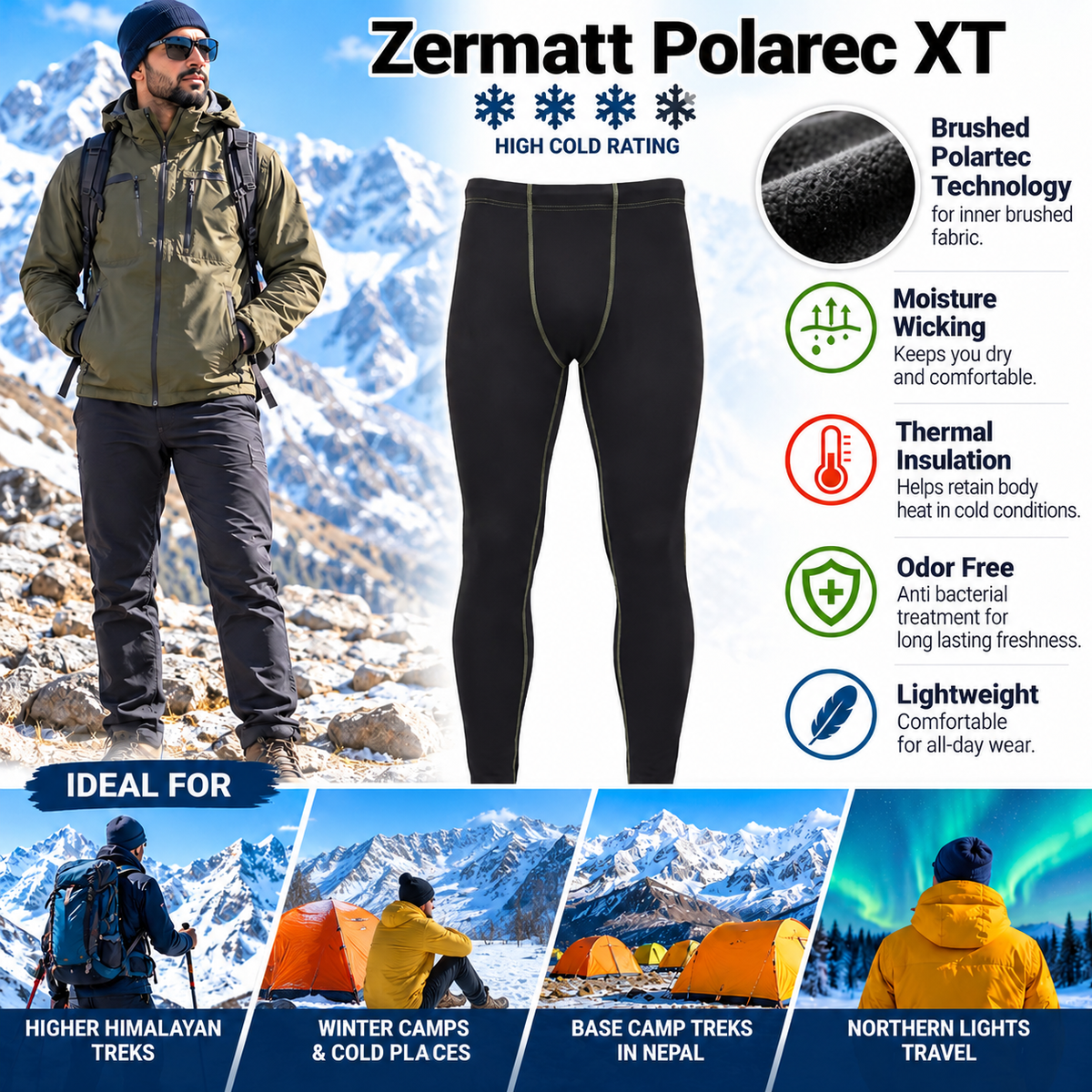
Zermatt Polarec XT Base Layer Bottom
(Inclusive of all taxes)
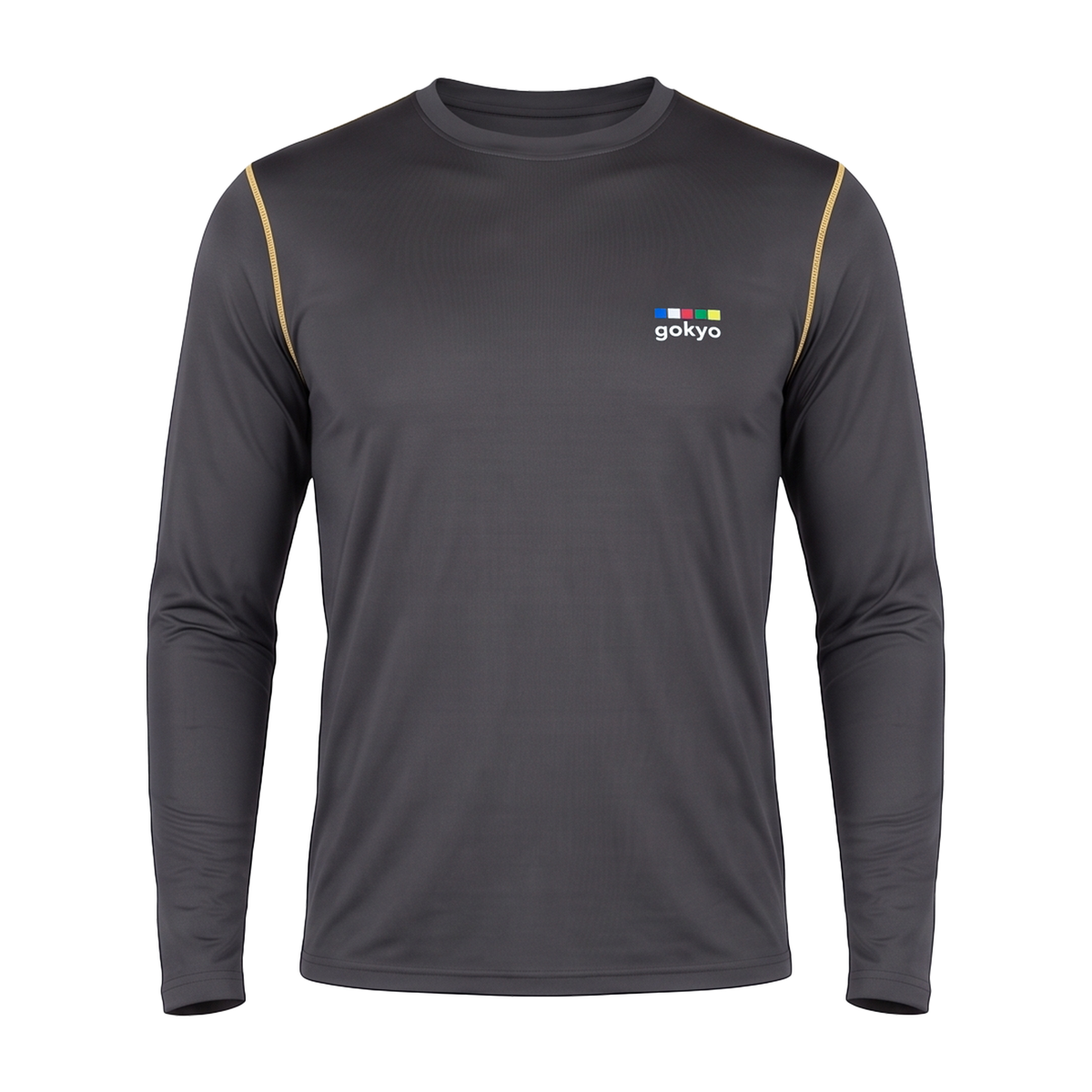
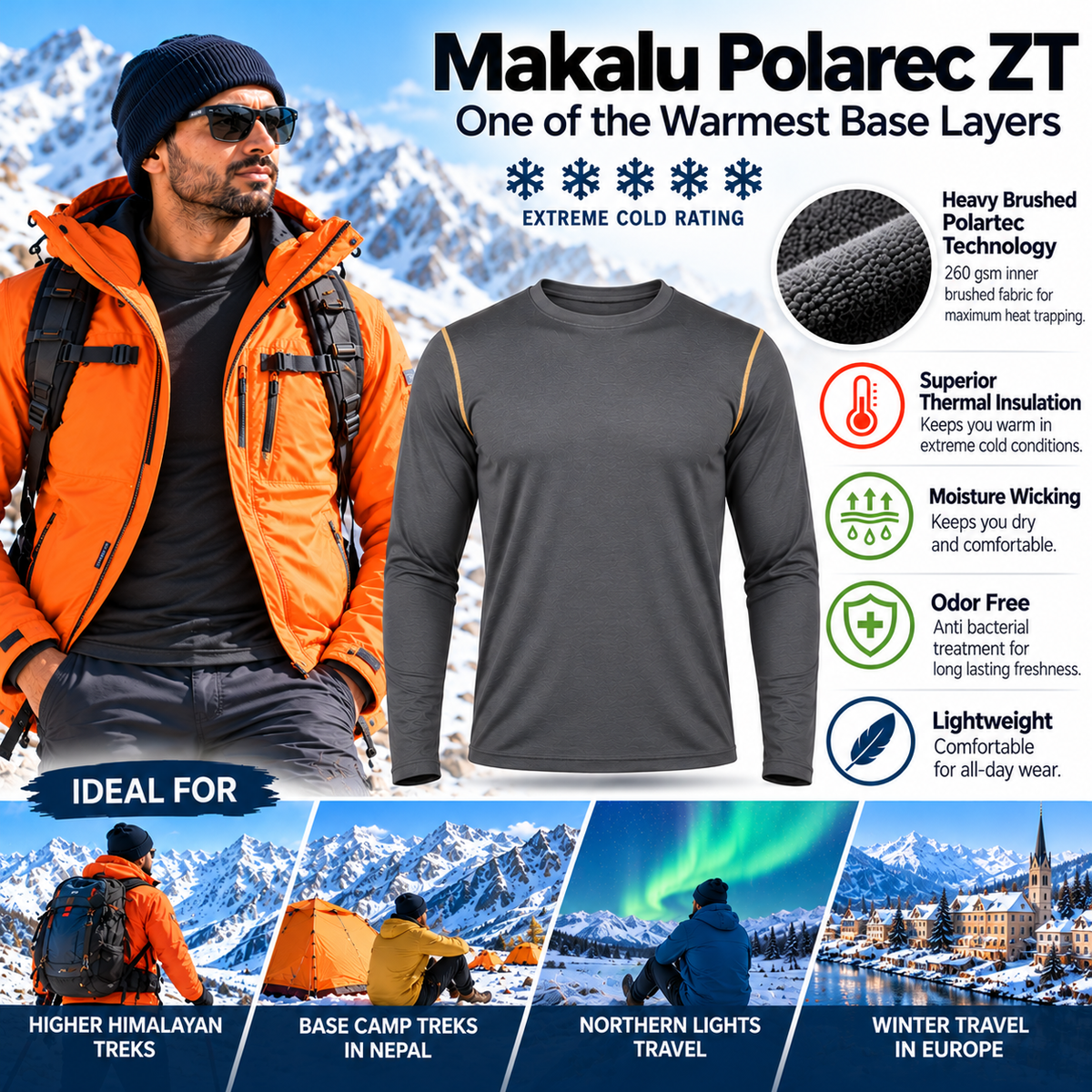
Makalu Polarec ZT Base Layer Top
(Inclusive of all taxes)
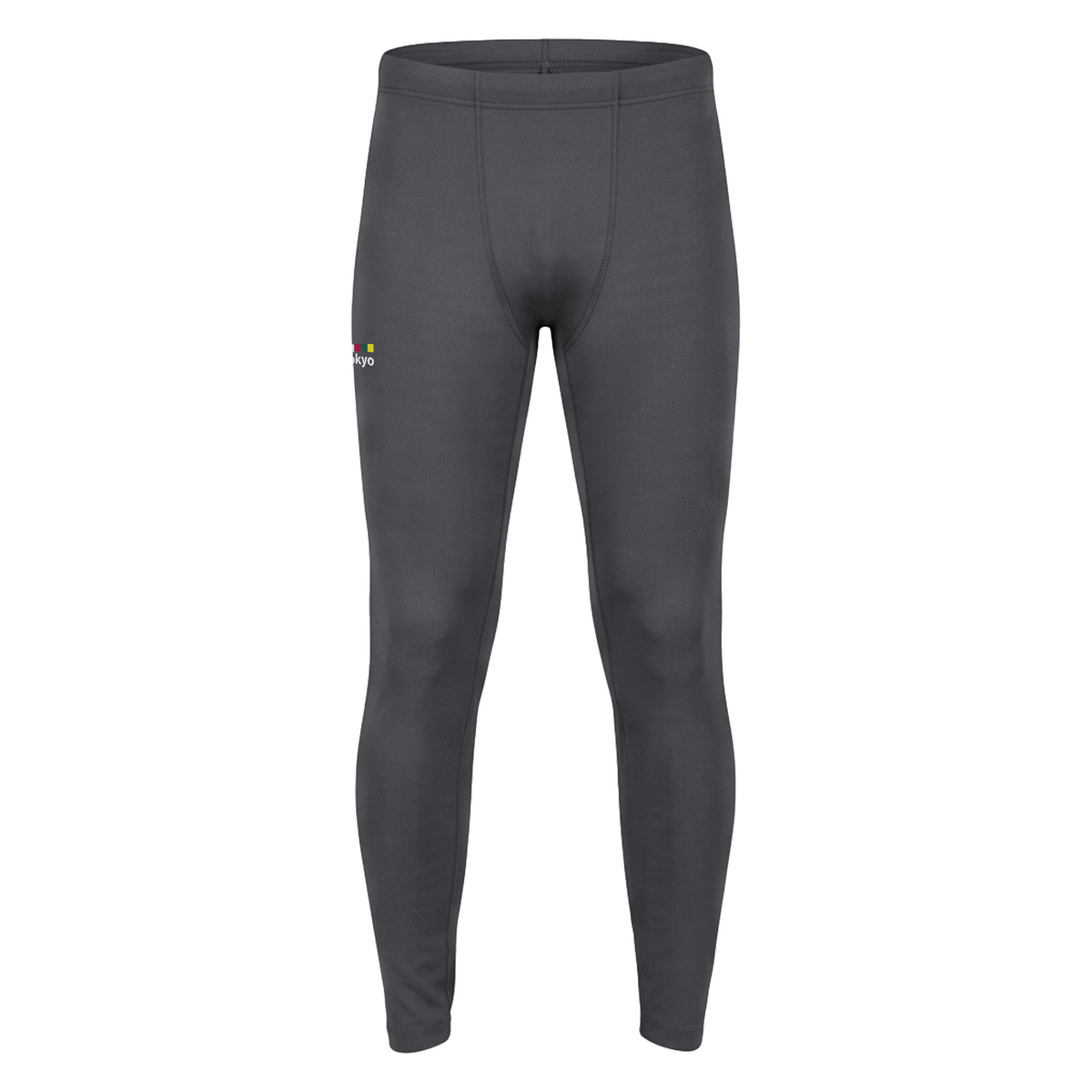
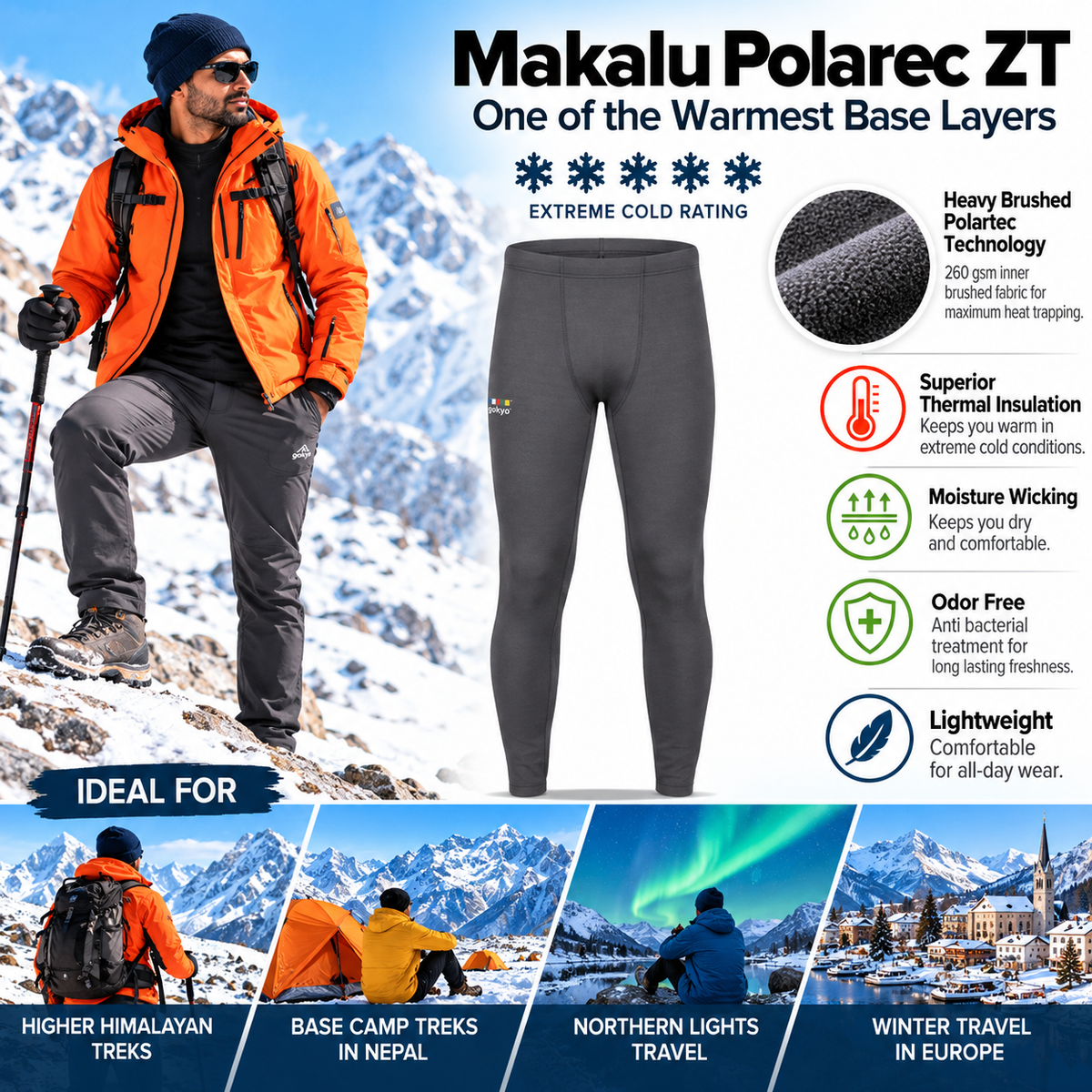
Makalu Polarec ZT Base Layer Bottom
(Inclusive of all taxes)
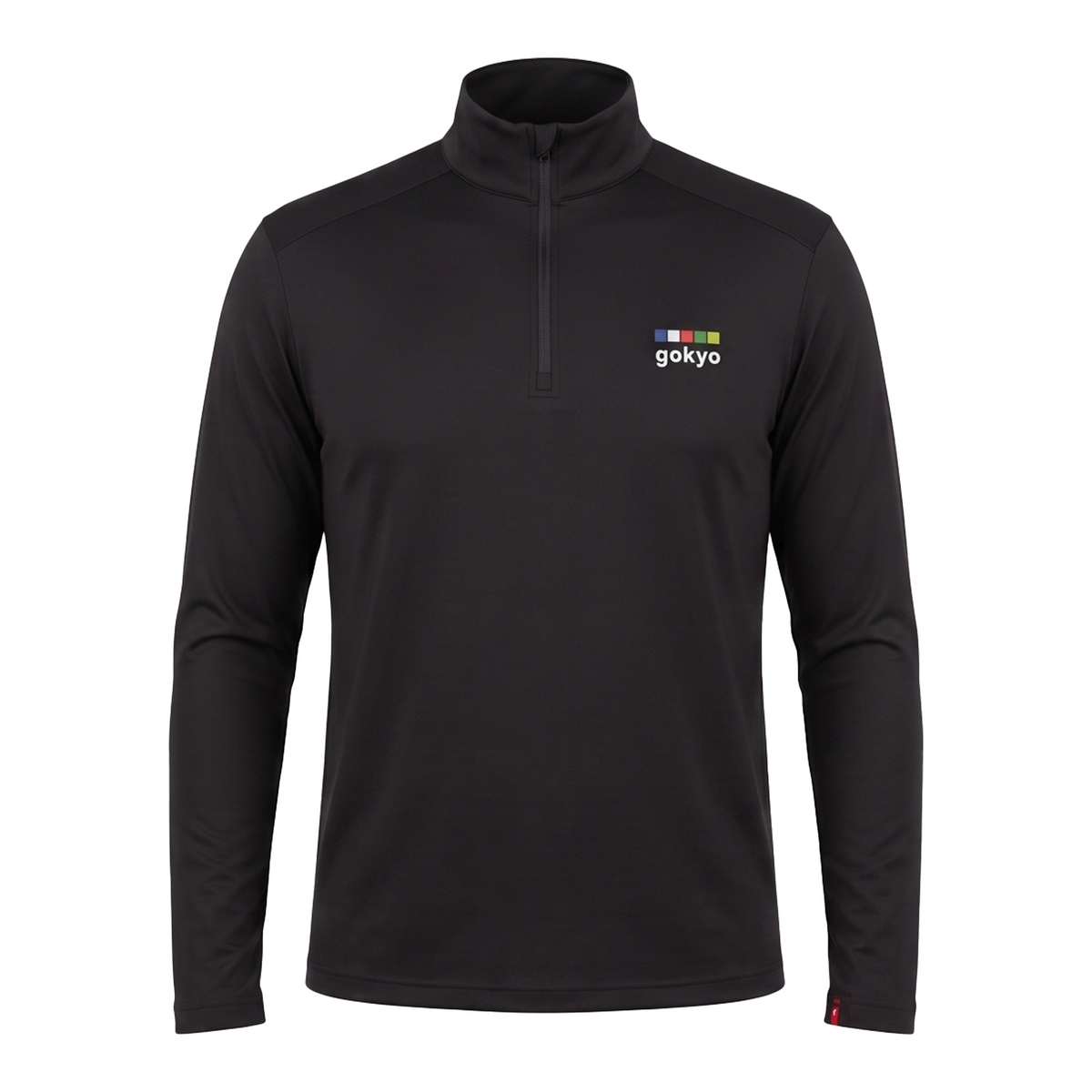
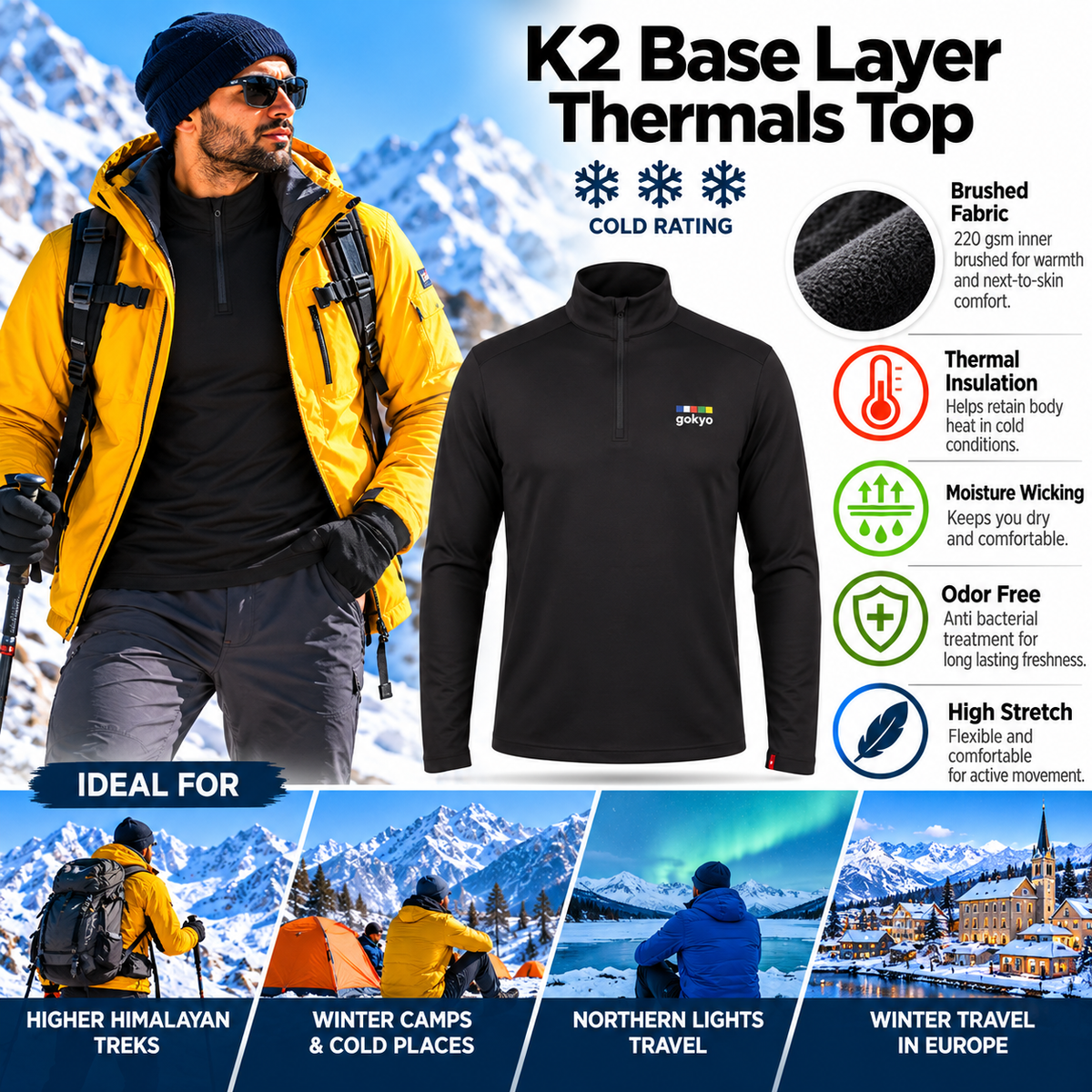
K2 Base Layer Thermals Top
(Inclusive of all taxes)
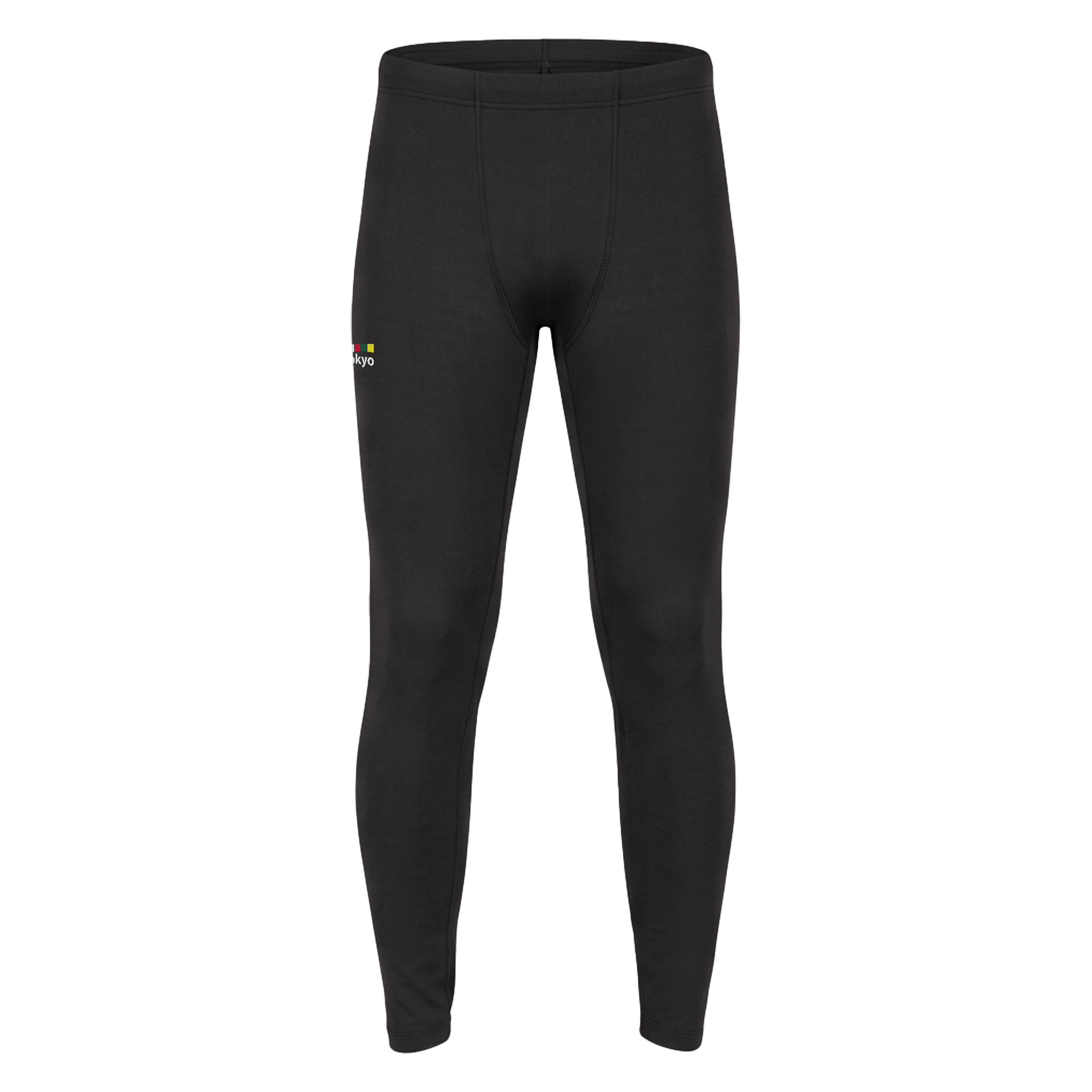
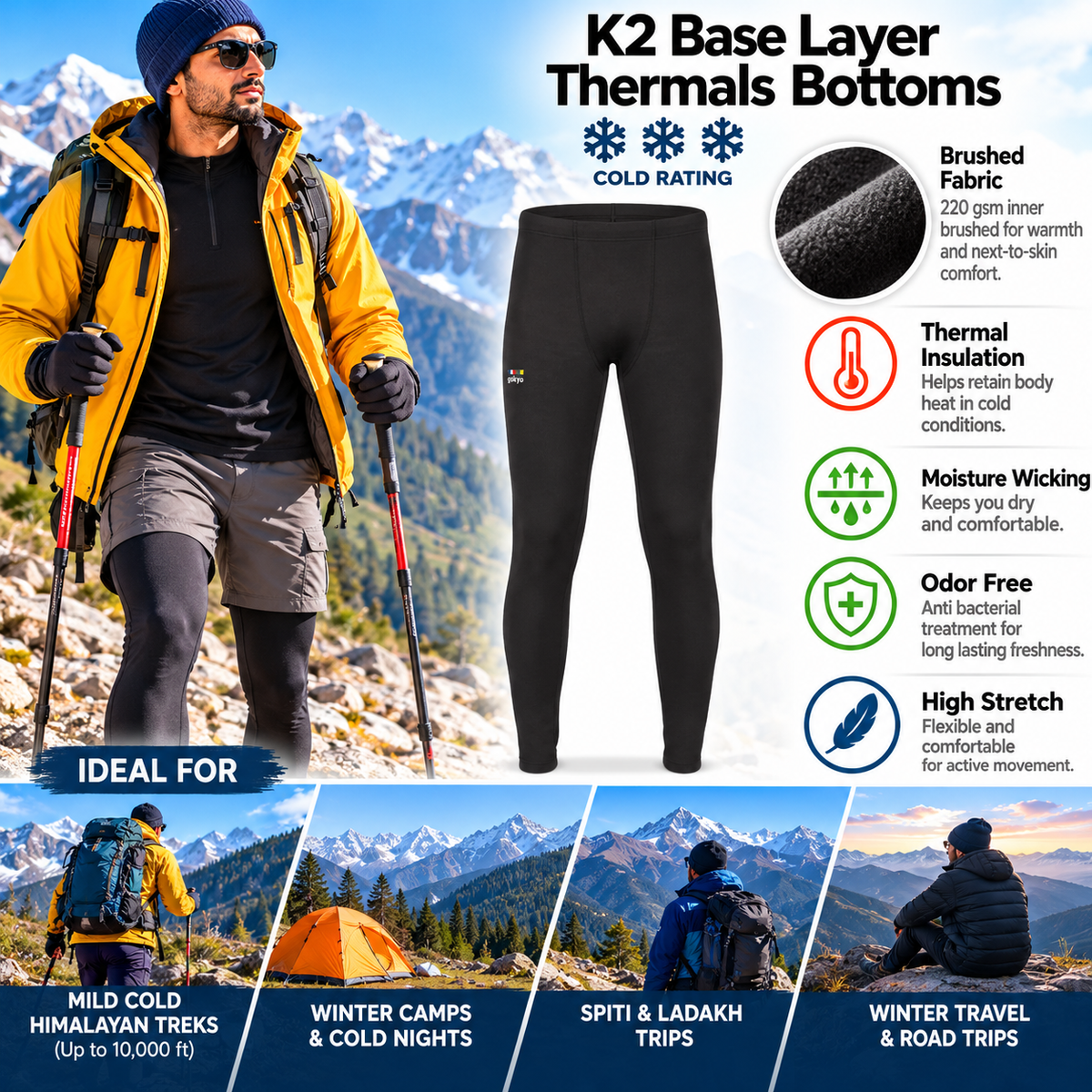
K2 Base Layer Thermals Bottoms
(Inclusive of all taxes)
Explore Gokyo’s range of men’s base layers and thermal wear for Himalayan trekking, winter travel, high-altitude conditions, mountaineering and cold-weather adventures.
A thermal base layer is the first layer worn close to the skin, helping retain warmth while managing moisture generated during activity. Gokyo’s collection includes thermal tops and bottoms across different levels of warmth, from versatile cold-weather layers to heavier brushed thermals for more demanding conditions.
The current range includes Zermatt Polarec XT, Makalu Polarec ZT and K2 Base Layer Thermals, with matching tops and bottoms. The Makalu top and bottom are currently marked Best Seller in the collection.
Why Base Layers Matter in Cold Weather
A winter jacket keeps cold air away from the body, but effective cold-weather dressing starts much closer to the skin.
A thermal base layer provides the foundation of a layering system. It sits underneath trekking T-shirts, fleece jackets, insulated jackets and trekking pants, helping retain body heat without requiring one extremely bulky garment.
For trekking and winter travel, a good base layer should combine:
- Thermal insulation
- Moisture management
- Breathability
- Stretch
- Close-to-body fit
- Comfortable movement
- Low bulk under other layers
- Soft next-to-skin construction
Current base-layer ranges from Decathlon, Columbia and Reccy similarly focus on warmth, breathability, layering and moisture management as the core functions of thermal clothing.
Thermal Base Layers for Trekking
During a trek, your body may alternate between generating considerable heat while climbing and cooling rapidly when you stop.
This is why a good trekking thermal should do more than simply feel warm.
Moisture management becomes important because damp clothing close to the skin can become uncomfortable as activity reduces and temperatures fall. Technical base layers are designed to manage perspiration while providing warmth as part of the overall clothing system.
They are particularly useful for:
- Himalayan trekking
- Everest Base Camp
- Kailash Mansarovar
- Winter treks
- High-altitude travel
- Mountaineering
- Northern Lights trips
- European winters
- Winter camping
- Expedition photography
- Snow destinations
- Cold-weather holidays
Zermatt Polarec XT Base Layers
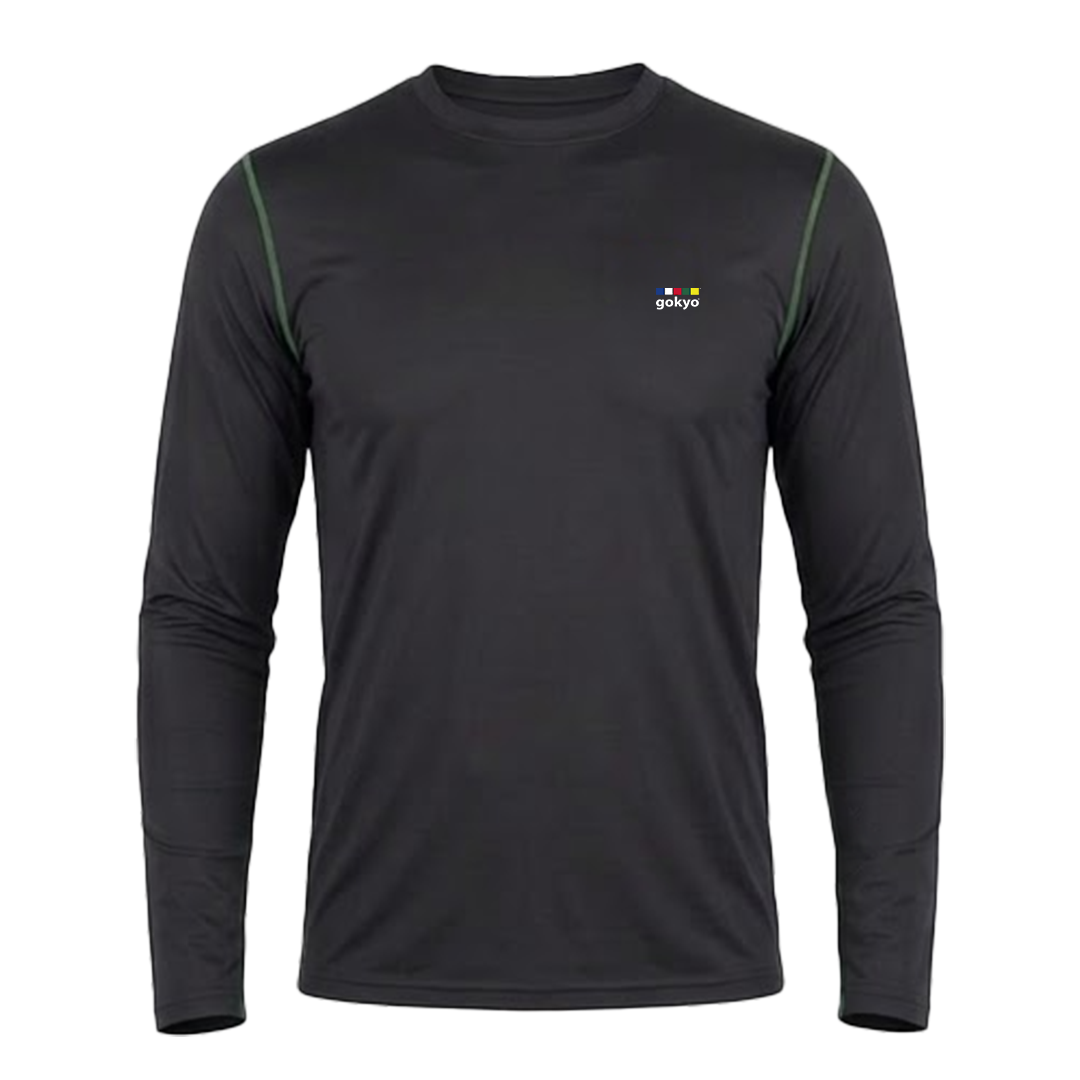
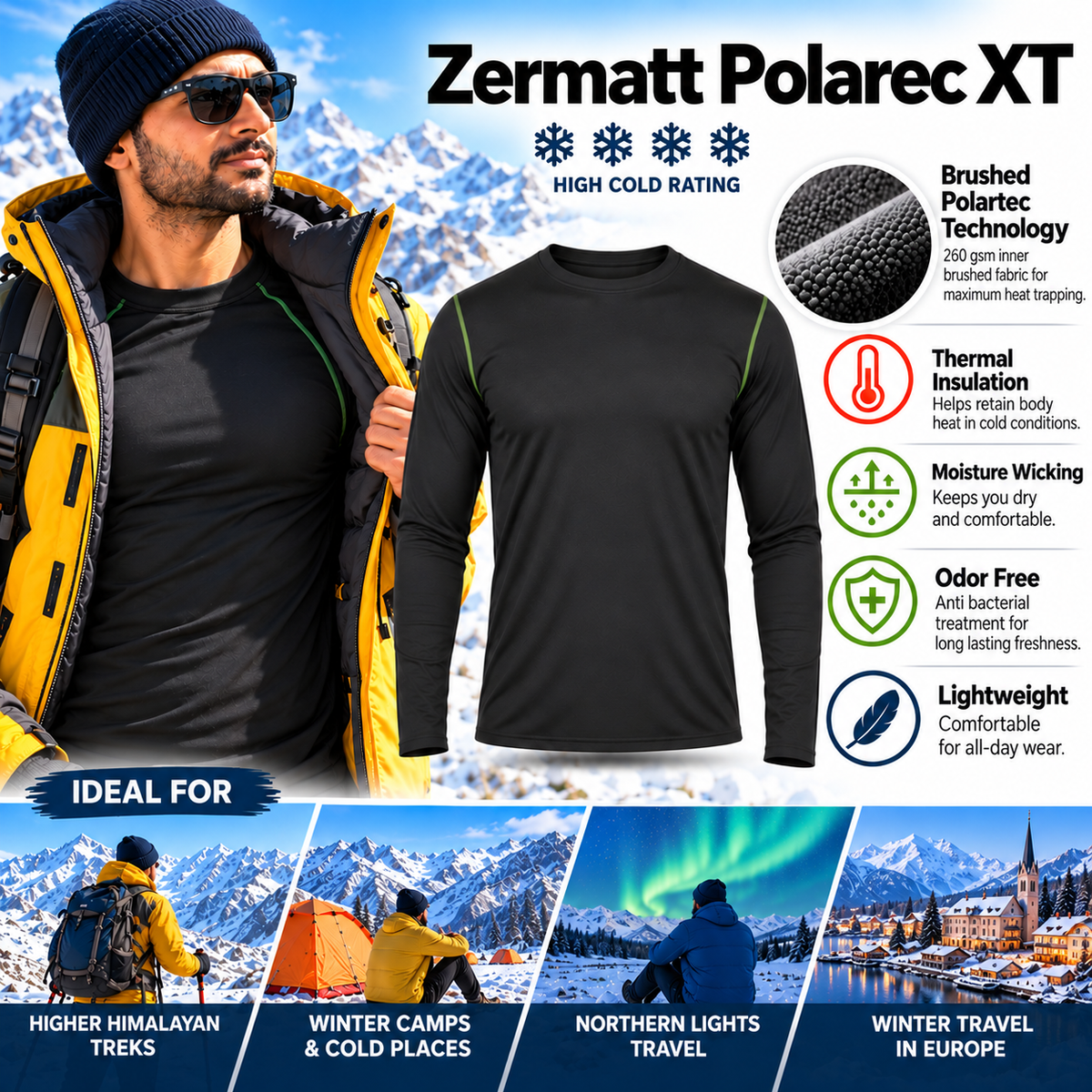
The Zermatt Polarec XT Base Layer is designed as a technical cold-weather foundation for trekking and winter travel.
The Zermatt top uses an 88% polyester and 12% elastane construction with a brushed inner grid designed to retain heat while remaining breathable. Its exterior is designed for moisture management, while flatlock seams help reduce chafing when worn underneath additional layers.
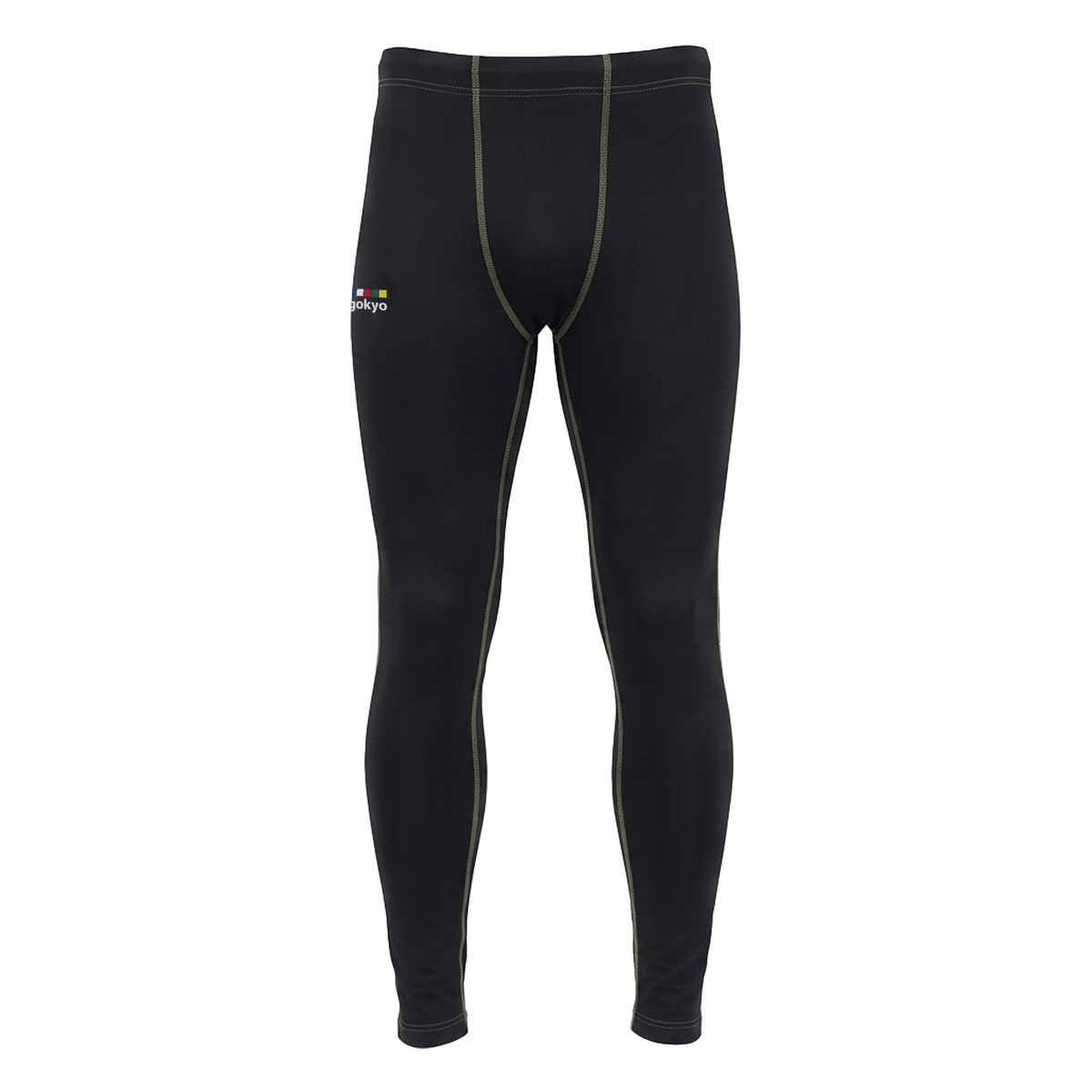
The matching Zermatt bottom uses the same polyester-elastane construction with a brushed thermal interior and an articulated fit designed for layering underneath trekking or insulated pants.
Choose Zermatt for cold-weather trekking, Himalayan travel and trips where you need warmth, stretch and moisture management without excessive bulk.
Makalu Polarec ZT – Heavy Thermal Base Layer
For more demanding cold conditions, the Makalu Polarec ZT Base Layer provides a heavier thermal option.
The Makalu top uses an 88% polyester and 12% spandex construction with a 260 GSM brushed interior, designed for greater heat retention. Gokyo positions it as the warmest base layer in its current range and for uses including winter trekking, mountaineering, high-altitude trips and expedition photography.
The Makalu top and bottom are also currently the Best Seller products within Gokyo’s men’s base-layer collection.
Choose Makalu when your trip involves more severe cold, higher altitude or long periods outdoors, while continuing to use it as part of a complete layering system.
K2 Thermal Base Layers
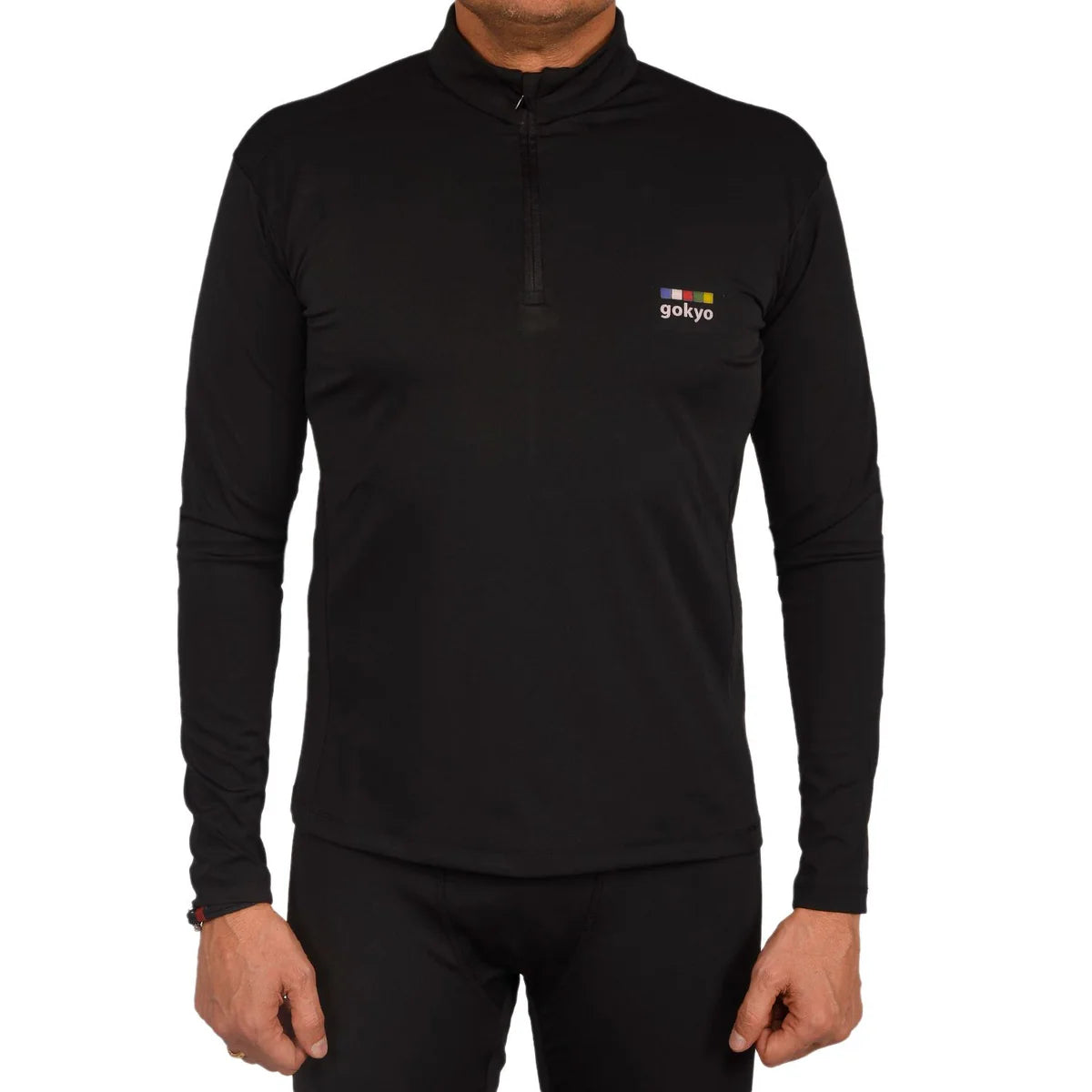
The K2 Base Layer Thermal Top & Bottom provide another cold-weather option in the Gokyo range.
The K2 top includes a quarter zipper and neck coverage, allowing some temperature adjustment when activity levels change. Its high-stretch construction is designed to sit comfortably underneath additional winter layers.
The matching K2 thermal bottom uses a snug high-stretch construction with an elastic waistband so it can be worn underneath trekking pants or other cold-weather trousers.
Choose the K2 when you want a traditional warm thermal set with stretch, neck coverage and the convenience of quarter-zip ventilation.
Thermal Tops & Bottoms – Why Use Both?
Cold-weather layering should protect the entire body rather than concentrating only on the torso.
A thermal top provides the first insulating layer underneath your fleece and jacket.
A thermal bottom performs the same function underneath trekking, fleece-lined or insulated pants.
For colder trips, wearing both creates a more complete base-layer system and reduces the need to compensate with excessive bulk in the outer layers.
In moderately cold conditions, you may use only the thermal top or bottom depending on where you personally feel the cold most.
How Should a Base Layer Fit?
A base layer should generally sit close to the body without restricting movement.
If it is excessively loose, the fabric may not manage moisture or layer as efficiently. If it is too tight, it can become uncomfortable during long hours of trekking.
Look for enough stretch to allow:
- Walking
- Climbing
- Bending
- Sitting
- Sleeping at camp
- Wearing additional layers comfortably
The Zermatt range, for example, uses elastane for stretch and an articulated construction on the bottoms to maintain movement while layering.
Base Layer, Mid-Layer & Outer Layer
Cold-weather clothing works best as a layering system.
Layer 1 – Base Layer / Thermals
Worn close to the skin to provide initial warmth and manage moisture.
Layer 2 – Fleece or Warm Mid-Layer
Adds insulation while allowing you to adjust warmth as activity changes.
Layer 3 – Insulated Jacket
Provides greater thermal protection in colder conditions.
Layer 4 – Weather Protection
Added when wind, rain or snow requires additional protection.
For the legs, combine thermal bottoms with trekking pants, fleece-lined pants or insulated pants according to the conditions.
This layering approach is also central to current trekking guidance, where moisture-wicking base layers form the first layer underneath progressively warmer clothing.
Base Layers for EBC & Himalayan Treks
High-altitude treks often involve major changes in temperature between daytime walking, rest stops and evenings at camp.
A thermal base layer becomes particularly useful during:
- Early-morning starts
- High passes
- Cold evenings
- Rest periods
- Higher-altitude sections
- Winter trekking
- Sleeping in cold conditions
For Everest Base Camp and other Himalayan treks, choose the base-layer weight according to the season and expected temperatures, then build your fleece, insulated jacket and outer shell around it.
A base layer should not be treated as a substitute for the rest of your cold-weather clothing.
Base Layers for Northern Lights & Winter Travel
Thermals are equally useful for winter holidays.
Northern Lights trips, European winters and snow destinations can involve several hours standing or walking outdoors in low temperatures. A close-fitting thermal layer underneath everyday winter clothing can add warmth without requiring excessively bulky outerwear.
For less active winter travel, heavier thermals may feel comfortable because the body is generating less heat through movement.
For strenuous trekking, moisture management and breathability become increasingly important because your body produces considerably more heat and perspiration.
Thermal Base Layer vs Regular Thermal Innerwear
Traditional thermal innerwear is primarily associated with warmth during everyday winter use.
A technical trekking base layer places additional emphasis on:
- Moisture management
- Breathability
- Stretch
- Mobility
- Low-bulk layering
- Comfort during prolonged activity
The terms are frequently used interchangeably in search and retail categories. Decathlon, for example, groups its range under “Base Layers & Thermals,” making both terms important for customers looking for winter innerwear.
Base Layers vs Fleece
Base layers and fleece perform different functions.
A base layer is worn closest to the skin and provides the first level of warmth while managing moisture.
A fleece is normally worn over the base layer as a mid-layer to provide additional insulation.
In colder conditions, the two should work together rather than one replacing the other.
What to Look for in Men's Thermals
When choosing thermal wear or a trekking base layer, consider:
- Expected temperature
- Level of physical activity
- Fabric weight
- Brushed or non-brushed interior
- Moisture management
- Breathability
- Stretch
- Flat or comfortable seams
- Fit
- Ease of layering
- Top & bottom requirements
- Duration outdoors
The heaviest thermal is not automatically the best choice. During strenuous activity, too much insulation can lead to overheating and excess perspiration.
Frequently Asked Questions
What is a thermal base layer?
A thermal base layer is the first layer of clothing worn close to the skin in cold conditions. It provides warmth while helping manage moisture and forms the foundation of a winter layering system.
Are thermals and base layers the same thing?
The terms are often used interchangeably. Traditional thermals focus mainly on warmth, while technical outdoor base layers also place greater emphasis on moisture management, breathability, stretch and active comfort.
Which base layer is best for trekking?
For trekking, choose a close-fitting thermal that combines warmth, moisture management, breathability and stretch. The appropriate fabric weight depends on the temperature and intensity of the trek.
Should a thermal base layer be tight?
It should fit close to the body without feeling restrictive. A snug fit helps the fabric work effectively while still allowing comfortable movement.
Do I wear a T-shirt under a thermal?
A technical base layer is generally designed to be worn close to the skin so it can manage moisture effectively. Additional T-shirts, fleece and jackets can then be layered over it according to the temperature.
Do I need both thermal tops and bottoms?
For colder conditions, using both provides more complete insulation. In milder conditions, you may choose only the thermal top or bottom according to your personal comfort and the clothing worn over it.
Are base layers useful for Everest Base Camp?
Yes. Thermal base layers are a standard part of a cold-weather layering system for high-altitude trekking. The appropriate weight should be selected according to the season and conditions, with fleece and insulated outer layers added as required.
Which thermals should I use for extreme cold?
For more severe cold, choose a heavier brushed thermal and combine it with appropriate mid-layers and insulated outerwear. Gokyo positions the Makalu Polarec ZT as its warmest current base-layer option.
Are base layers good for Northern Lights trips?
Yes. Thermals are particularly useful for Northern Lights trips because you may spend long periods standing outdoors in cold conditions. Gokyo positions both its Zermatt and Makalu ranges for cold international travel, including Northern Lights conditions.
Is a base layer enough for winter?
Usually not in genuinely cold conditions. A base layer provides the first level of insulation and should be combined with fleece, insulated clothing and weather protection according to the temperature and activity.
Can I wear thermals while sleeping on a trek?
Yes, provided they are dry and comfortable. Many trekkers use a clean, dry thermal layer as sleepwear in cold camps or lodges.
What is the difference between lightweight and heavy thermals?
Lightweight thermals provide less insulation and are better suited to milder cold or higher activity levels. Heavier brushed thermals retain more warmth and are better suited to lower temperatures or situations where activity is reduced.
Shop Men's Base Layers & Thermals at Gokyo
Explore Gokyo’s collection of men’s thermal base layers, thermal tops, thermal bottoms, trekking thermals and cold-weather innerwear for Himalayan treks, EBC, Kailash Mansarovar, Northern Lights, winter holidays and high-altitude adventures.
Choose Zermatt for versatile technical cold-weather layering, Makalu when greater thermal insulation is required, or the K2 top and bottom for a warm stretch thermal system with quarter-zip neck protection.

Cash on Delivery Available
Pay When Your Order Arrives

Easy Returns
7 Days for Exchange & Easy returns

Secure Checkout
Multi-Payment Checkouts

Free Shipping
Get free shipping over ₹ 1000

Express Shipping
Get Express Shipping at just ₹300 extra.
