


Women's Insulated Cold Weather Jackets
Filters
3 products
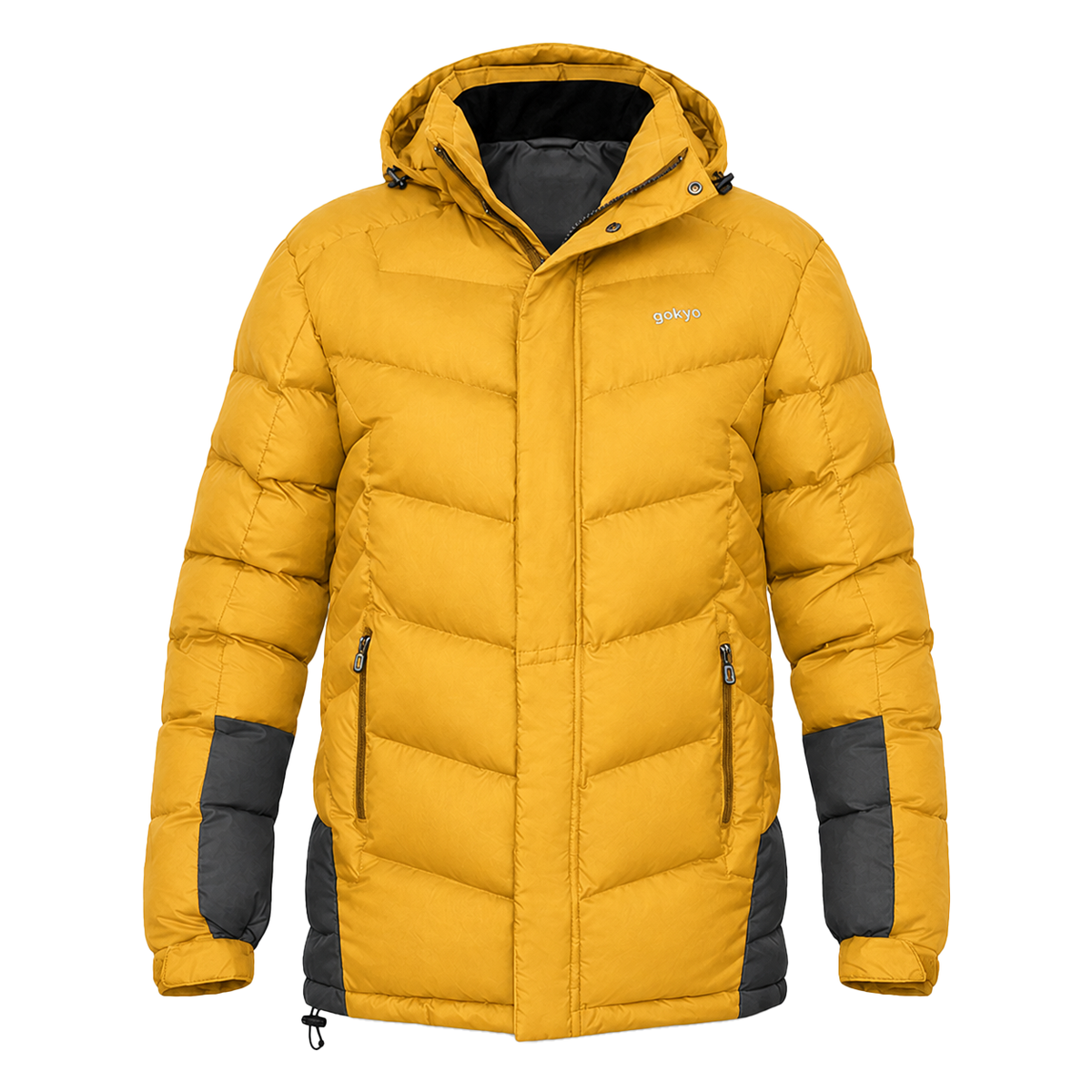
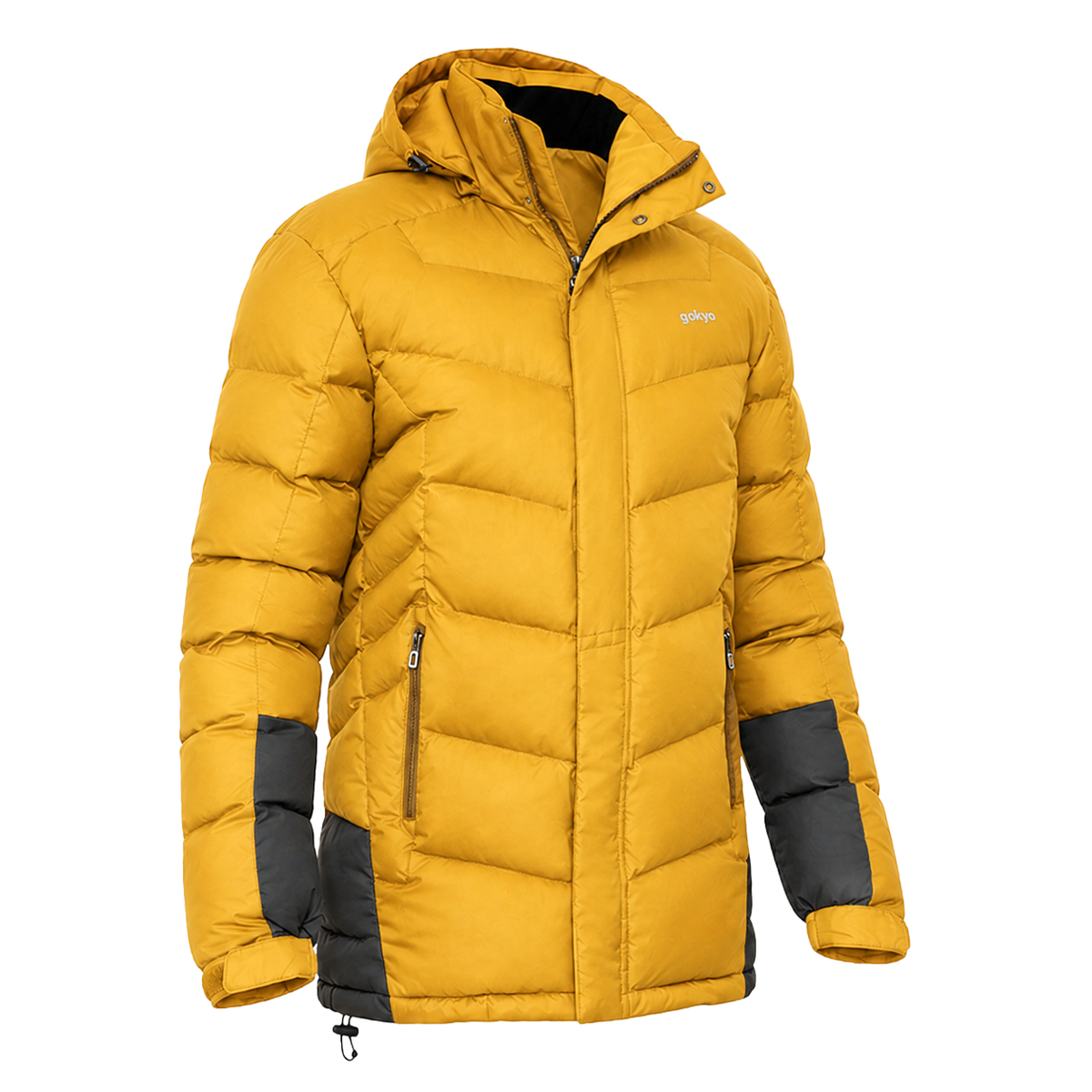
K2 Survivor Extreme Cold Insulated Jacket – Women
(Inclusive of all taxes)
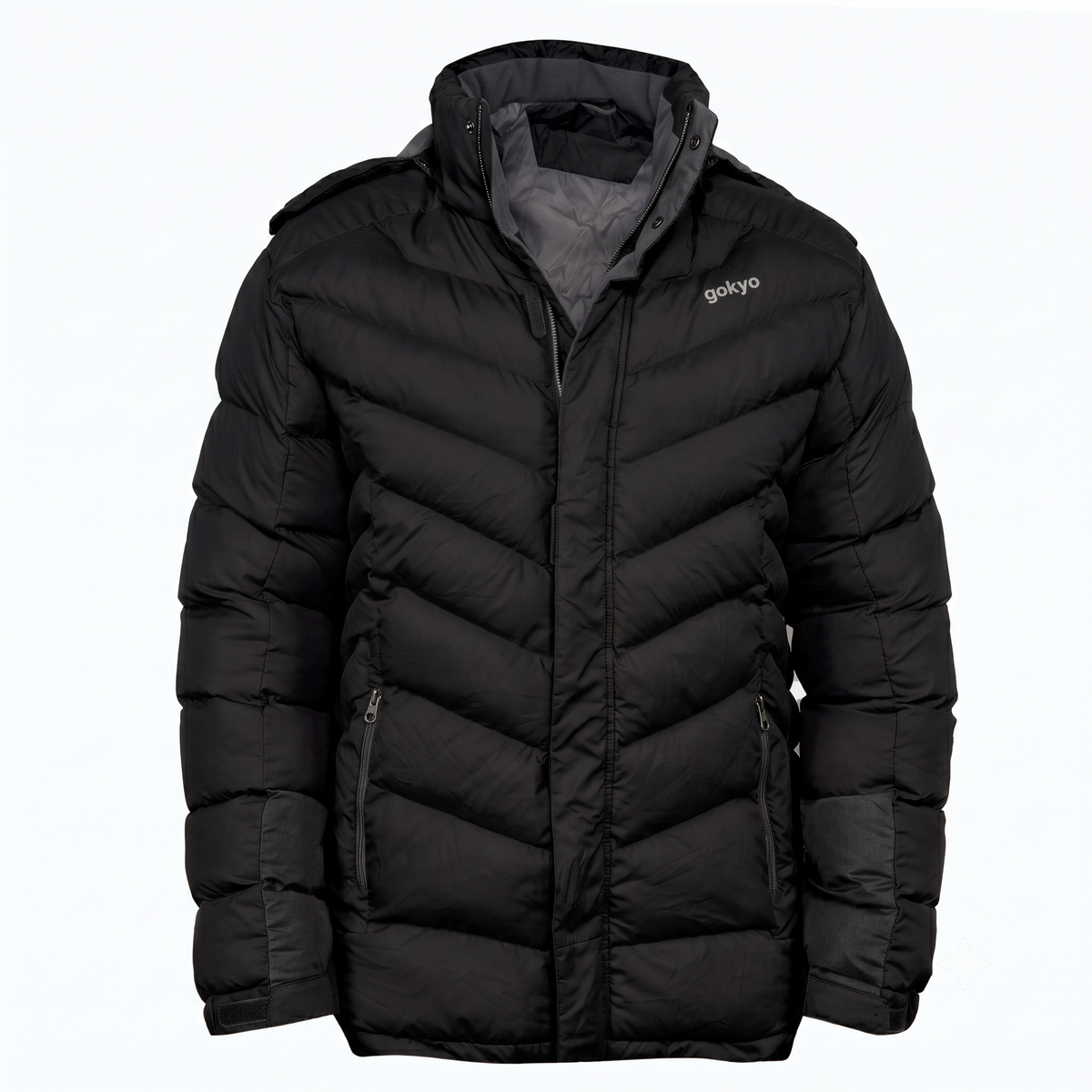
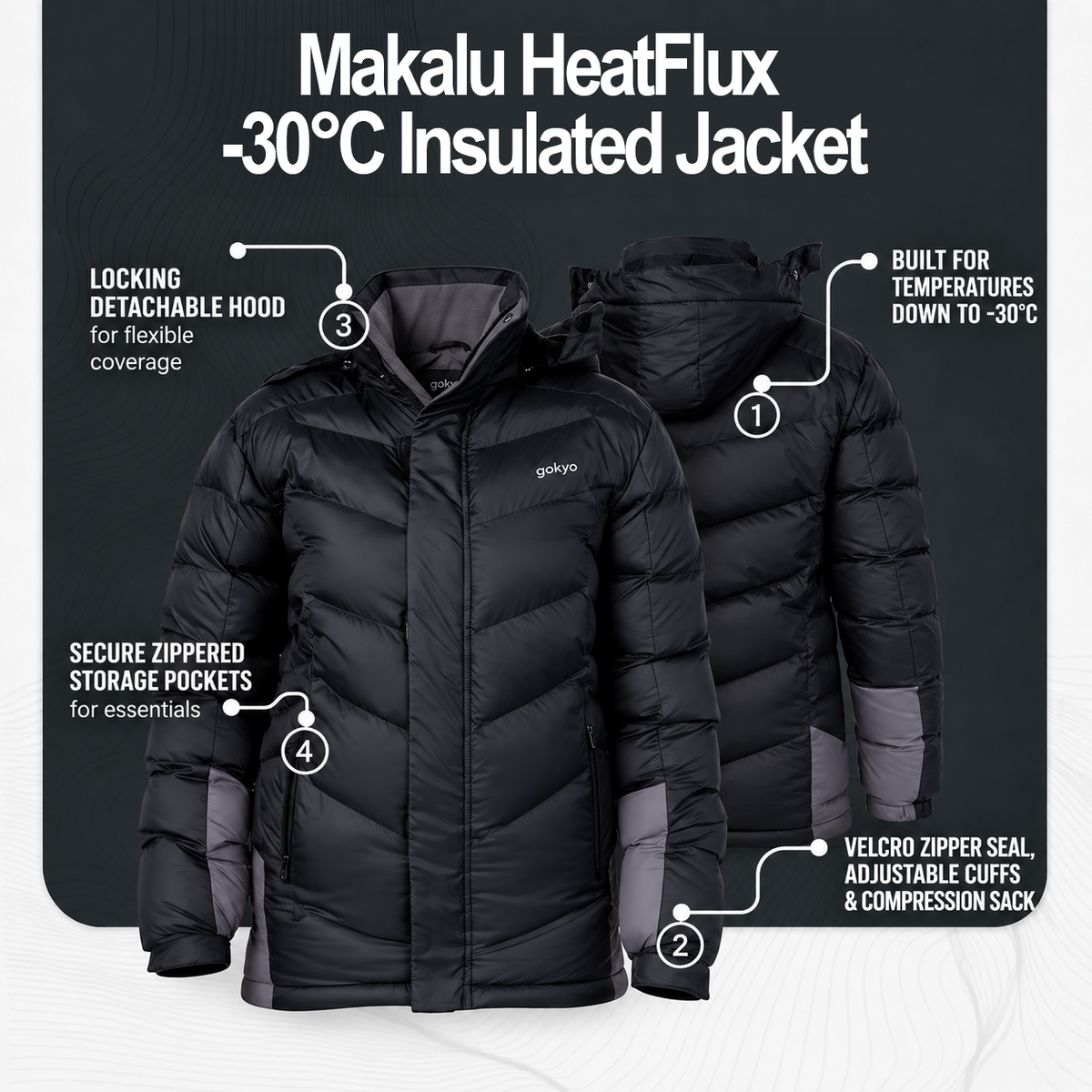
Makalu HeatFlux -30°C Insulated Jacket - Women
(Inclusive of all taxes)
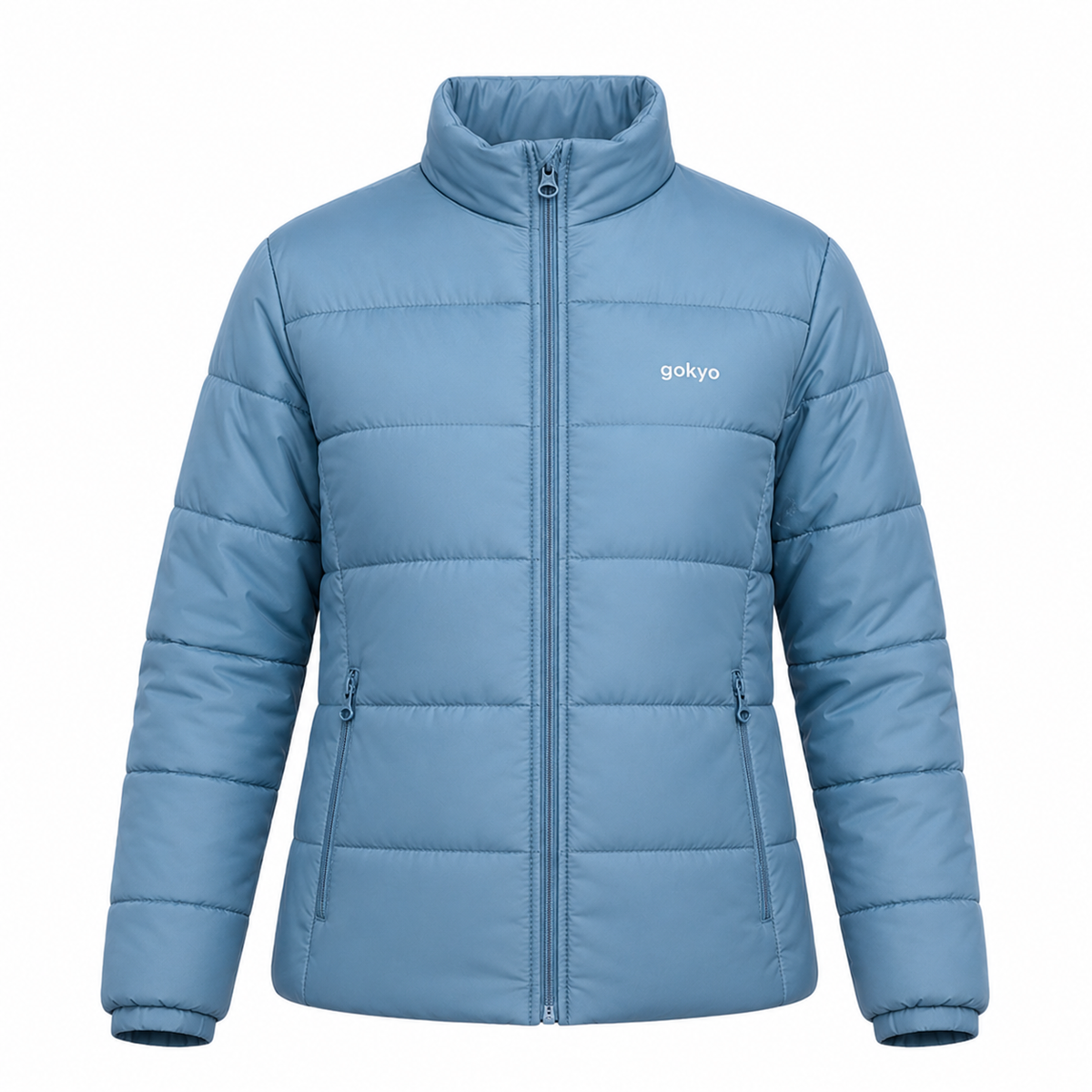
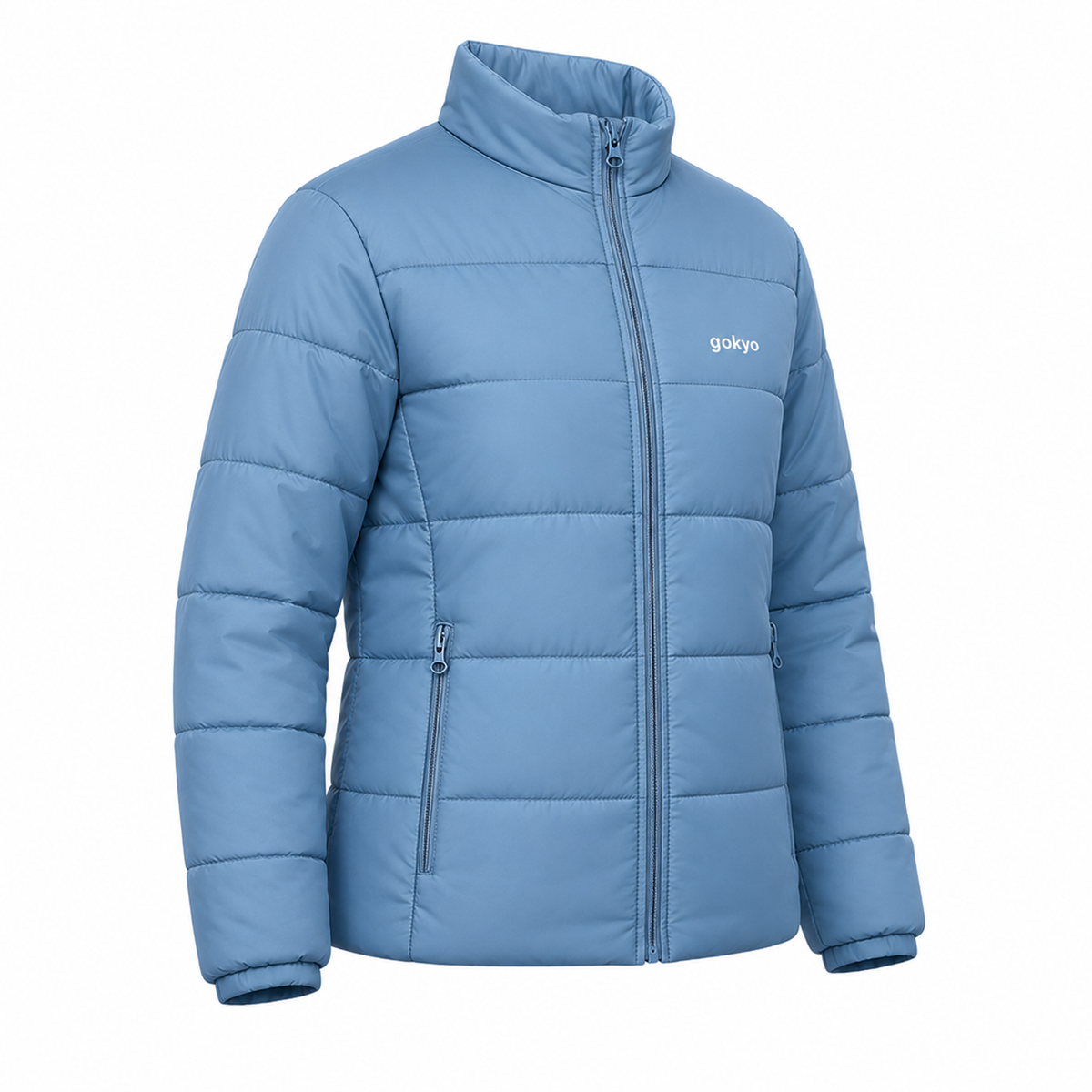
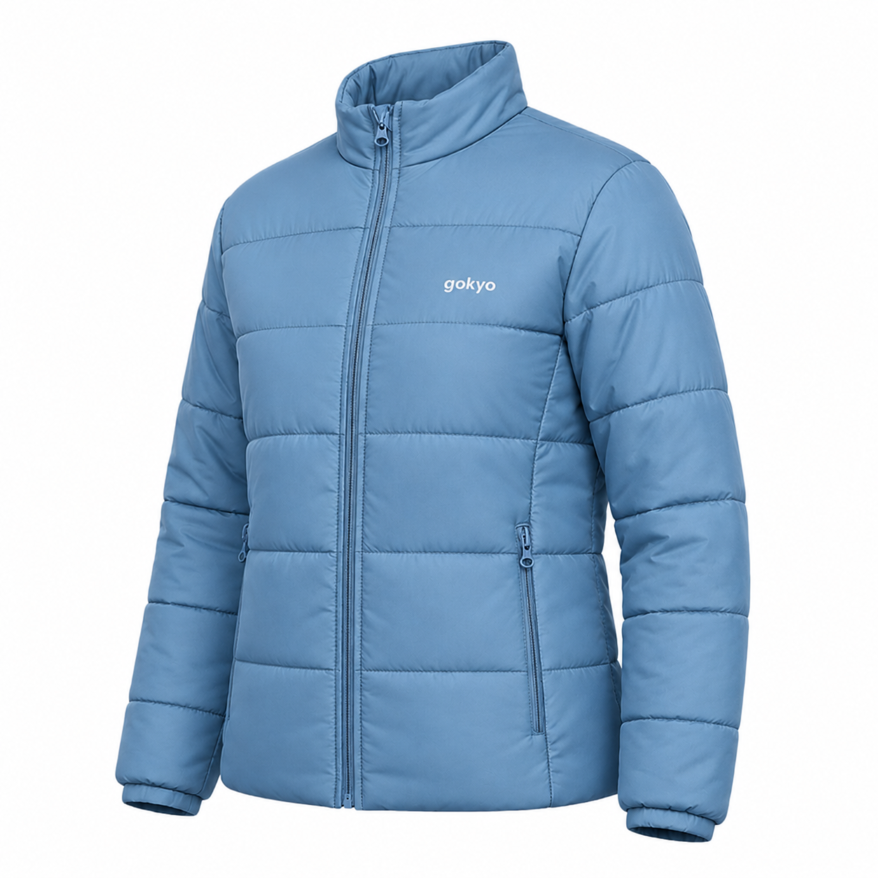
Kalpa Insulated Winter Jacket – 0°C
(Inclusive of all taxes)
Women’s Insulated Jackets for Trekking, Winter Travel & Extreme Cold
When temperatures fall, the right insulated jacket becomes one of the most important layers in your outdoor system. Gokyo’s women’s insulated jackets are designed for conditions ranging from cool mountain weather to high-altitude and extreme winter environments. The range includes soft-shell fleece jackets, lightweight insulated jackets and heavier cold-weather options for trekking, expeditions and winter travel.
Choose Insulation According to the Temperature
Not every winter jacket needs the same amount of insulation. A jacket that works well for a cool hill station may be inadequate for a high-altitude trek, while an extreme-cold jacket can feel unnecessarily heavy in milder weather.
For approximately 0°C conditions, the Kalpa Insulated Winter Jacket combines a nylon outer shell with lightweight polymer fill and a CLO rating of 3. For considerably colder conditions, the K2 Survivor is designed for temperatures down to approximately -20°C, while the Makalu HeatFlux is built for extreme cold down to approximately -30°C.
Women’s Jackets for Different Cold-Weather Conditions
Soft-Shell & Fleece Jackets
Useful as an outer layer in cool weather or as part of a layering system in colder conditions. The Kaza Soft Shell Insulated Fleece Jacket is designed for outdoor use in approximately 0°C to 15°C conditions, with wind protection, light water resistance and an inner fleece construction.
Lightweight Insulated Winter Jackets
Suitable for winter travel, hill stations, camping and trekking where dependable warmth is required without moving into expedition-level insulation. The Kalpa Insulated Winter Jacket is designed for conditions down to approximately 0°C.
Extreme Cold Insulated Jackets
For high-altitude trekking, harsh winters and destinations where temperatures can remain well below freezing, heavier insulation becomes essential. Gokyo’s K2 Survivor offers CLO 4 insulation for temperatures down to approximately -20°C, while the Makalu HeatFlux is designed for conditions down to approximately -30°C.
Insulated Jackets for Himalayan Treks & Winter Destinations
Cold-weather requirements can vary significantly between destinations. A winter holiday in a hill station, a trek in Nepal and a journey to see the Northern Lights can involve very different temperature ranges and exposure levels.
Gokyo’s insulated jacket range covers uses including Indian & Nepal Himalayas, Kailash Mansarovar, high-altitude trekking, winter holidays, Northern Lights trips, cold-weather travel and outdoor expeditions. Selecting the jacket according to expected conditions allows you to build a more effective layering system rather than relying on one jacket for every trip.
How to Layer an Insulated Jacket
For colder trekking conditions, an insulated jacket usually works as part of a layering system. A base layer manages moisture close to the body, a fleece or other mid-layer adds insulation, and the insulated jacket provides the principal warmth layer when temperatures fall.
In windy, snowy or wet conditions, additional shell protection may also be required depending on the weather resistance of the insulated jacket itself.
The advantage of layering is flexibility. Layers can be added during rest periods, evenings and colder sections of the trek and removed when physical activity increases.
Features to Look for in a Women’s Winter Jacket
When choosing an insulated jacket, consider the expected temperature first. After that, look at insulation level, overall weight, hood design, cuffs, zipper protection, pocket configuration and packability.
For demanding cold-weather journeys, details that help reduce heat loss around the hood, front zipper and cuffs become increasingly important. The K2 Survivor and Makalu HeatFlux, for example, use detachable hoods, zipper protection and adjustable cuffs, and are supplied with compression sacks for packing.
Warmth Without Unnecessary Bulk
The warmest jacket is not automatically the right jacket for every trip. For active trekking in moderate cold, excessive insulation can become uncomfortable once you begin walking. For extreme cold, however, insufficient insulation can leave a significant gap in your layering system.
Choose the jacket according to the lowest temperatures you realistically expect, the amount of physical activity involved and the other layers you intend to wear underneath it.
Frequently Asked Questions
Which insulated jacket is best for women?
The best insulated jacket depends primarily on expected temperature and activity. For moderate winter conditions, a lighter insulated or fleece jacket may be sufficient. For high-altitude and extreme cold, choose a jacket specifically designed for substantially lower temperatures.
What jacket should I wear for temperatures around 0°C?
An insulated winter jacket designed for approximately 0°C conditions is a practical option. Gokyo’s Kalpa Insulated Winter Jacket uses polymer insulation with a CLO rating of 3 and is designed for conditions down to approximately 0°C.
What jacket should I choose for -20°C conditions?
For serious cold, use an insulated jacket designed specifically for sub-zero temperatures. Gokyo’s K2 Survivor has CLO 4 insulation and is designed for conditions down to approximately -20°C.
Which jacket is suitable for extreme cold around -30°C?
The Makalu HeatFlux Insulated Jacket is designed for extreme cold down to approximately -30°C and features HeatFlux lining, CLO 4 insulation, an adjustable hood and cuffs, and a compression sack.
Are insulated jackets suitable for trekking?
Yes. Insulated jackets are an important component of cold-weather trekking systems, particularly during rest stops, evenings, early-morning starts and high-altitude sections where temperatures can fall sharply.
Should an insulated jacket be worn over a fleece?
In colder conditions, yes. A fleece can provide a useful mid-layer between the base layer and insulated jacket. The exact combination should depend on temperature, wind, activity level and personal cold tolerance.
Can insulated jackets be used for winter travel?
Yes. Insulated jackets are suitable for winter holidays, hill stations and cold-weather travel as well as trekking. The insulation level should be matched to the temperatures expected at the destination.
Shop Women’s Insulated Jackets Online at Gokyo
Explore Gokyo’s women’s insulated jackets for trekking, Himalayan journeys, winter holidays and extreme cold. Choose from fleece-lined, lightweight insulated and expedition-oriented jackets according to your destination, expected temperatures and layering requirements.

Cash on Delivery Available
Pay When Your Order Arrives

Easy Returns
7 Days for Exchange & Easy returns

Secure Checkout
Multi-Payment Checkouts

Free Shipping
Get free shipping over ₹ 1000

Express Shipping
Get Express Shipping at just ₹300 extra.
