


Men’s Insulated Jackets
Filters
5 products


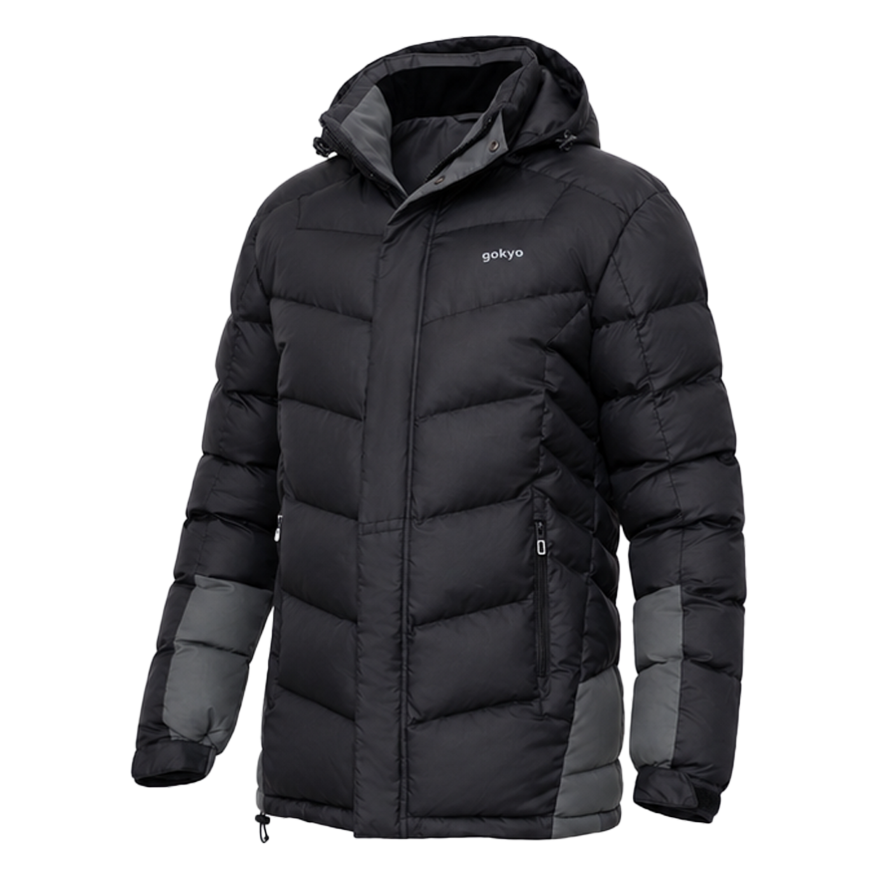
K2 Survivor -20°C Insulated Jacket for Men
(Inclusive of all taxes)
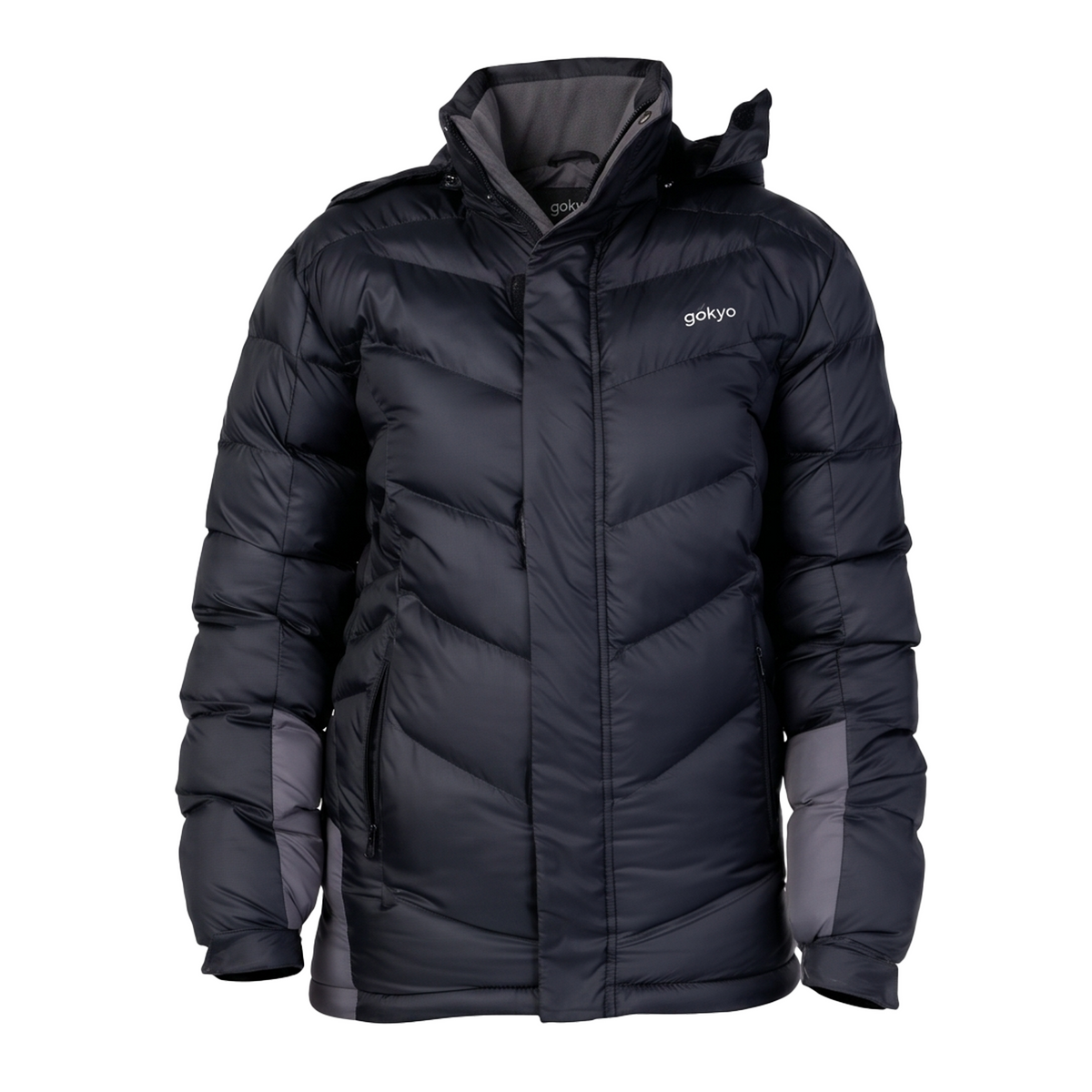
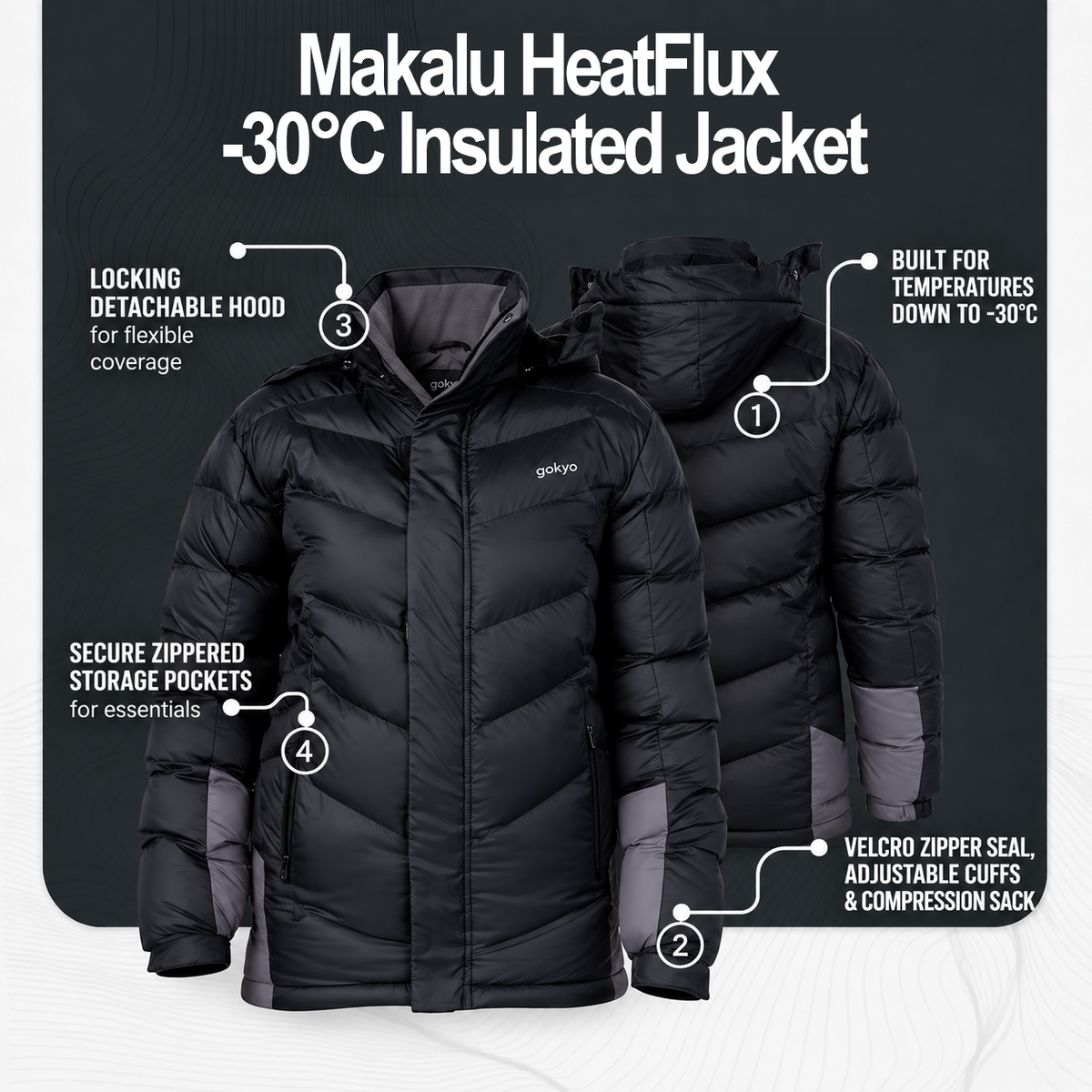
Makalu HeatFlux -30°C Insulated Jacket
(Inclusive of all taxes)
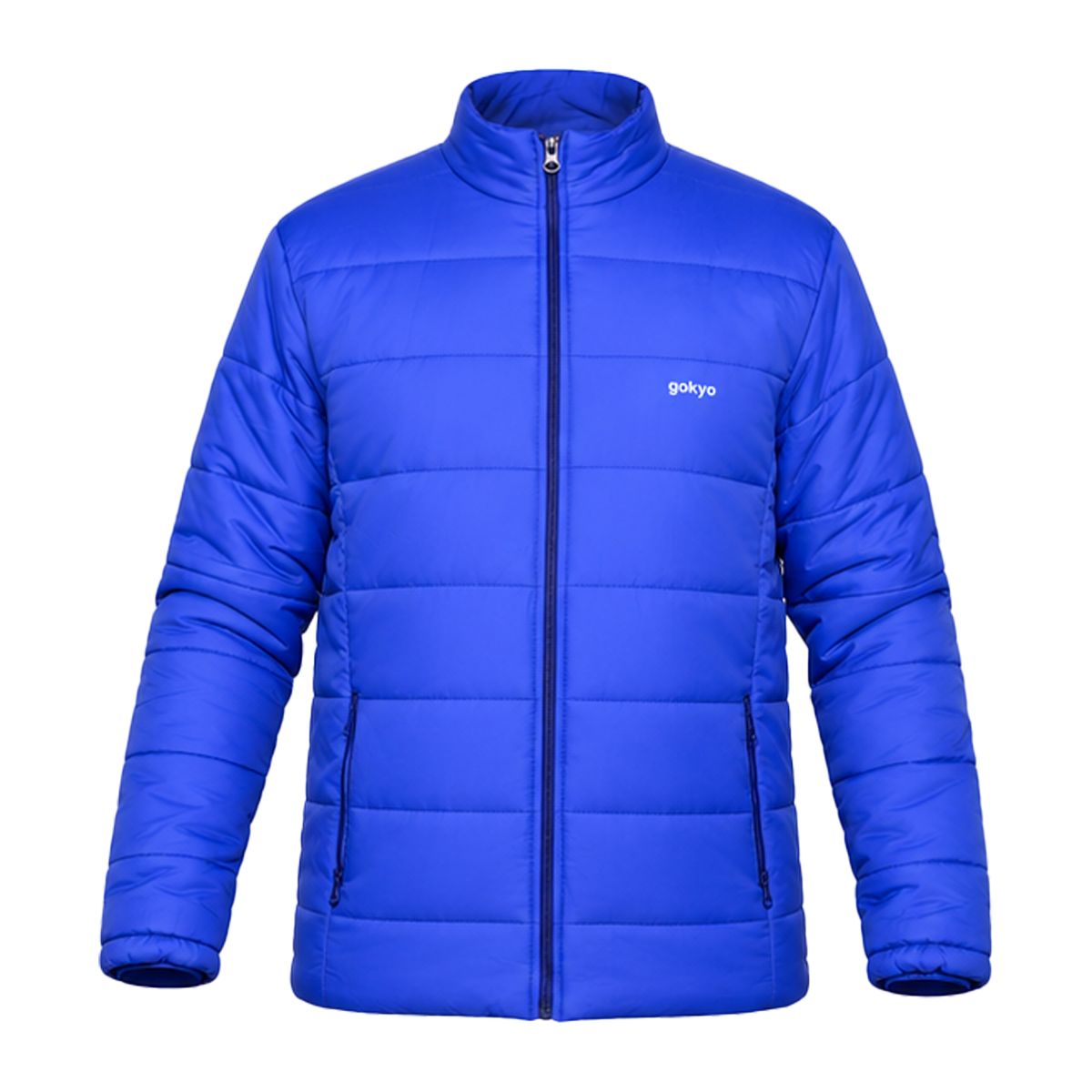
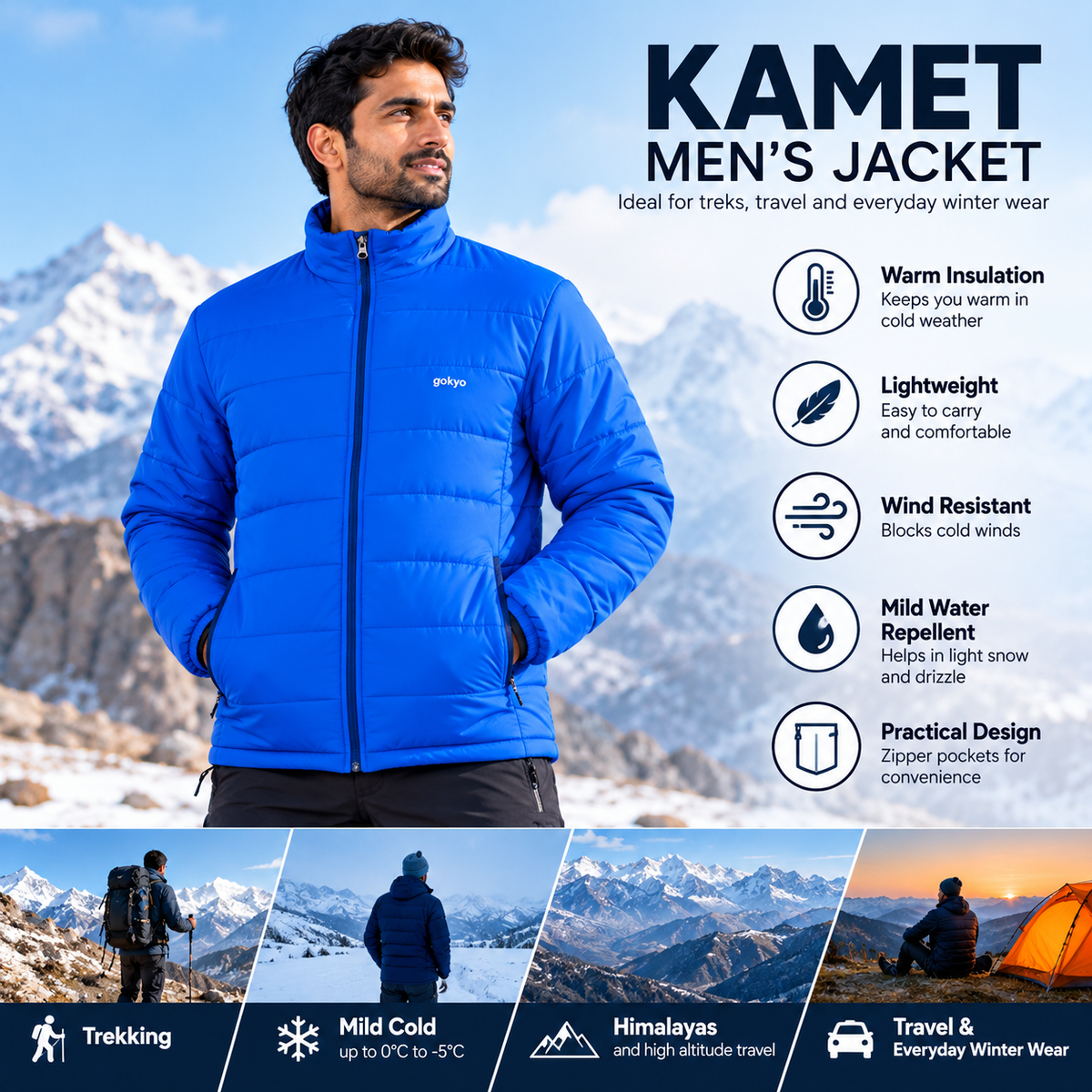
Kamet Mens Jacket
(Inclusive of all taxes)
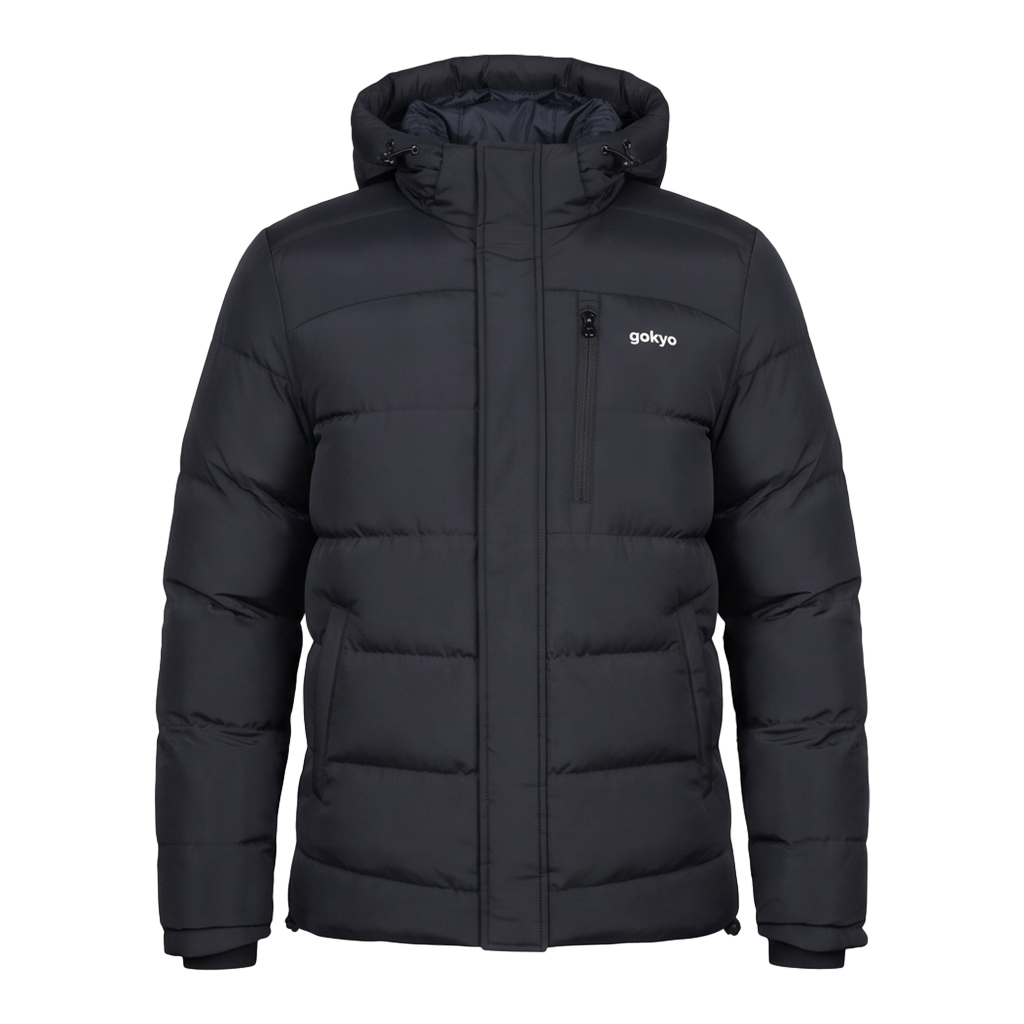

Annapurna Jacket
(Inclusive of all taxes)
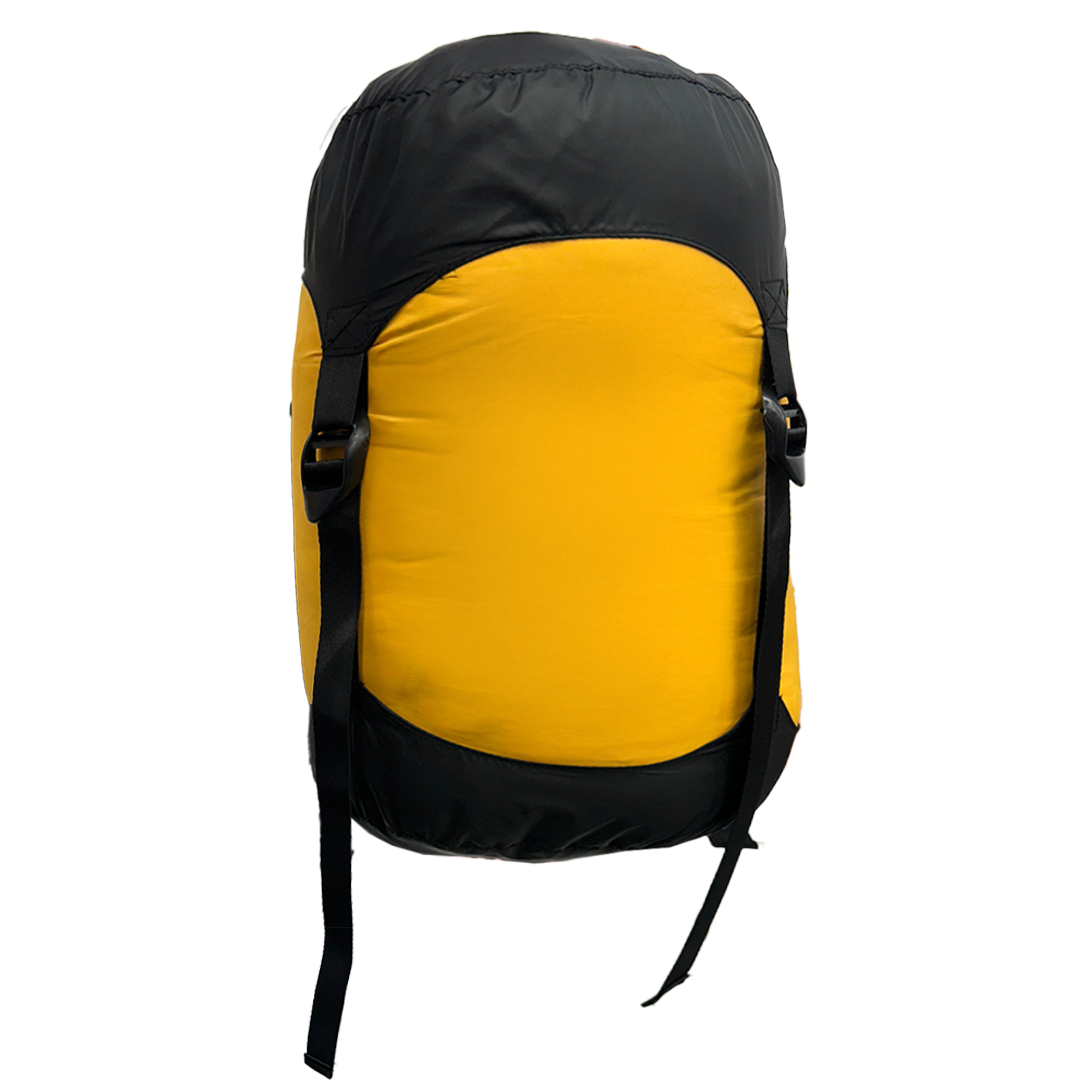
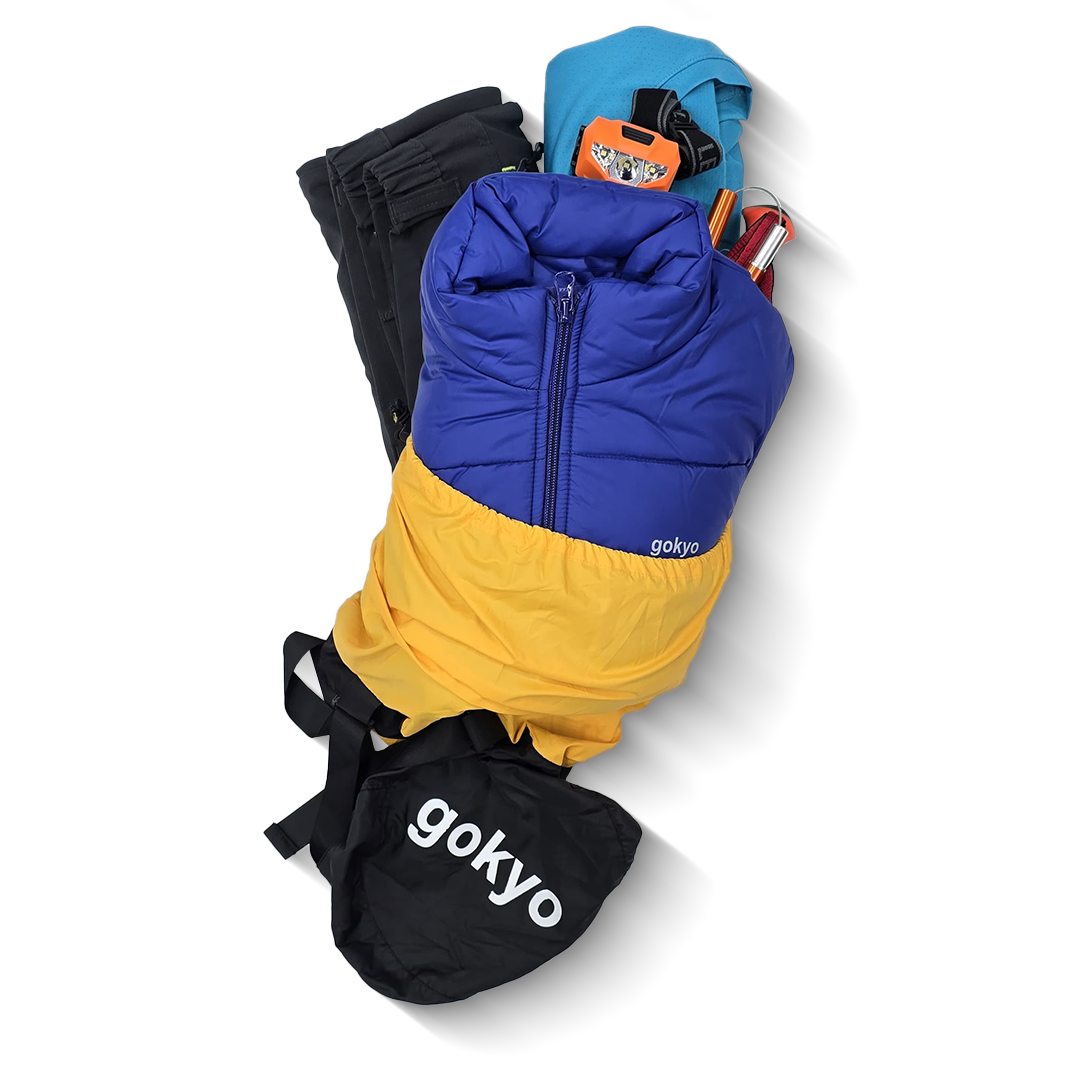
K2 Compression Sack for Jackets & Clothes
(Inclusive of all taxes)
Explore Gokyo’s range of men’s insulated jackets and winter jackets, designed for Himalayan trekking, high-altitude travel, winter holidays and extreme cold conditions.
The collection offers different levels of insulation for different environments—from the Kamet Jacket for milder winter conditions, to the K2 Survivor -20°C, Annapurna Jacket and Makalu HeatFlux -30°C for progressively colder outdoor use.
Choose your insulated jacket according to the expected temperature, altitude, activity level and the layers you plan to wear underneath.
Insulated Jackets for Different Cold-Weather Conditions
Not every winter trip needs the same jacket.
For milder winters, lower Himalayan destinations and cold-weather travel, a lighter insulated jacket provides useful warmth without the bulk of an extreme-cold jacket. Gokyo’s Kamet Jacket is positioned for travel and trekking around freezing conditions, including Char Dham, lower-altitude treks, European spring and autumn travel and North Indian winters.
For substantially colder conditions, the K2 Survivor -20°C Insulated Jacket uses a nylon outer shell with high-density poly fill, CLO Rating 4 insulation, a detachable locking hood, adjustable cuffs and a Velcro-covered front zipper.
For more severe winter and high-altitude exposure, the Makalu HeatFlux -30°C Insulated Jacket uses HeatFlux lining insulation and is designed for temperatures down to -30°C, with a detachable locking hood, adjustable cuffs and compression sack.
Winter Jackets for Himalayan Trekking
Mountain temperatures can change considerably during the course of a day.
You may generate substantial body heat while climbing, but need significantly more insulation during early starts, rest stops, evenings and time spent at camp.
An insulated jacket should therefore form part of a layering system rather than being treated as the only garment required for cold weather.
A typical upper-body system may include:
-
Thermal or moisture-managing base layer
-
Trekking T-shirt
-
Fleece or warm mid-layer when required
-
Insulated winter jacket
-
Weather-protection shell when conditions demand it
The number of layers should be adjusted according to temperature, wind, altitude and activity.
Extreme Cold Jackets for EBC, Kailash & High Altitude
For destinations where temperatures fall well below freezing, insulation becomes increasingly important.
The K2 Survivor -20°C is designed for conditions including Everest Base Camp, Kailash Mansarovar, Spiti, Northern Lights trips, European winters, Antarctic cruises and high-altitude treks above 12,000 ft.
The Makalu HeatFlux -30°C is positioned for even colder environments, including Northern Lights trips, Kailash Yatra, Spiti, treks above 5,000 metres, winter expeditions and mountain camps.
For these conditions, look beyond warmth alone. Features that help reduce heat loss include:
-
Insulated hood
-
Secure front closure
-
Adjustable cuffs
-
High neck coverage
-
Adequate room for layering
-
Wind protection
-
Secure pockets
-
Packable construction
Insulated Jackets for Northern Lights & Winter Travel
Cold-weather jackets are equally important for winter holidays where you may spend long periods outdoors without continuous physical activity.
Northern Lights trips are a good example. You may be standing outdoors for extended periods at night, which means your body generates considerably less heat than it would while trekking.
For winter destinations such as Northern Lights regions, Europe, Ladakh, Spiti and other snow destinations, choose insulation according to the lowest expected temperature and the amount of time you are likely to remain outdoors.
A warmer jacket can be particularly useful for sightseeing, photography, camp use and other lower-activity situations.
Puffer Jackets vs Insulated Jackets
The terms puffer jacket, padded jacket and insulated jacket are often used interchangeably, but they do not always describe the same construction.
A puffer jacket generally refers to the quilted appearance of the garment.
An insulated jacket refers more broadly to a jacket containing material designed to retain body heat. The insulation may be synthetic or another specialised insulating construction.
Gokyo’s K2 Survivor, for example, uses high-density poly fill, while the Makalu uses HeatFlux lining insulation.
For this collection, insulated winter jacket is therefore the more accurate term than describing every product as a down jacket.
Lightweight vs Extreme-Cold Winter Jackets
The warmest jacket is not automatically the best jacket for every trip.
Choose a lighter insulated jacket when:
-
Temperatures are relatively moderate
-
You will be physically active
-
You frequently move between indoors and outdoors
-
Lower weight and easier packing are important
Choose an extreme-cold insulated jacket when:
-
Temperatures are substantially below freezing
-
You are travelling at high altitude
-
You will spend long periods outdoors
-
You expect exposed winter conditions
-
You will frequently be stationary in the cold
Your personal cold tolerance and the layers worn underneath will also affect how warm a jacket feels.
Packable Insulated Jackets for Trekking & Travel
Packability matters when a jacket needs to spend part of the day inside a backpack or travel bag.
The K2 Survivor and Makalu HeatFlux both include compression sacks, allowing the jackets to be packed more conveniently during trekking and winter travel.
When the trip is over, follow the care and storage instructions for the individual jacket rather than keeping insulated clothing heavily compressed for extended periods.
How to Choose an Insulated Jacket
Before buying a winter jacket, consider:
-
Lowest expected temperature
-
Altitude
-
Type of insulation
-
Amount of physical activity
-
Time spent outdoors
-
Wind exposure
-
Hood design
-
Cuff & zipper protection
-
Weight
-
Packability
-
Space for inner layers
-
Expected weather conditions
Temperature guidance should be considered together with the full clothing system rather than treated as an absolute comfort guarantee for every person.
Frequently Asked Questions
Which jacket is best for winter trekking?
For milder winter trekking, a lighter insulated jacket may be sufficient. For colder Himalayan conditions and high-altitude treks, choose a jacket designed for lower temperatures and use it with appropriate base and mid-layers.
Which jacket should I use for Everest Base Camp?
Gokyo positions the K2 Survivor -20°C Insulated Jacket for Everest Base Camp and high-altitude treks above 12,000 ft. The rest of your layering system should still be selected according to the season and expected conditions.
Which jacket is suitable for the Northern Lights?
Northern Lights trips generally involve extended periods outdoors in very cold conditions. Gokyo positions both the K2 Survivor -20°C and Makalu HeatFlux -30°C for Northern Lights travel, with the appropriate choice depending on the expected temperature and conditions.
What is the difference between a puffer jacket and an insulated jacket?
A puffer jacket usually describes the quilted style of a jacket, while an insulated jacket refers to its thermal function. An insulated jacket may use synthetic fill or another insulation technology.
Are synthetic insulated jackets good for trekking?
Yes. Synthetic insulation is widely suited to cold-weather trekking and travel. Gokyo’s K2 Survivor uses high-density poly fill and is designed specifically for severe cold and high-altitude conditions.
Should I buy a larger winter jacket for layering?
Do not automatically size up. The jacket should provide enough room for the intended base and mid-layers without being unnecessarily loose. Follow the product size guide for the appropriate fit.
Is an insulated jacket waterproof?
Not necessarily. Insulation and waterproofing perform different functions. Check the specifications of the individual jacket and use appropriate rain or snow protection where required.
What should I wear under an insulated jacket?
Start with a suitable base layer. Add a trekking T-shirt or fleece according to the temperature, followed by the insulated jacket. In severe conditions, additional weather protection may also be required.
What is a CLO rating in winter jackets?
CLO is a measure used to describe thermal insulation. A higher value indicates greater insulation, although actual comfort also depends on factors such as wind, activity, other clothing layers and individual cold tolerance.
How do I choose between a 0°C, -20°C and -30°C jacket?
Start with the lowest temperatures expected on your trip. Then consider whether you will be trekking or standing still, the wind conditions, altitude and what you intend to wear underneath. Use temperature ratings as part of the decision rather than as the only factor.
Shop Men's Insulated & Winter Jackets at Gokyo
Explore Gokyo’s collection of men’s insulated jackets, winter jackets, puffer-style jackets and extreme-cold trekking jackets for Himalayan treks, EBC, Kailash Mansarovar, Northern Lights trips, winter holidays and high-altitude travel.
Choose a lighter jacket for moderate winter conditions or move to the K2 Survivor, Annapurna or Makalu HeatFlux range as your cold-weather requirements increase.
The K2 Survivor -20°C is currently marked Best Seller, while the Annapurna Jacket is marked Hot Seller in Gokyo’s insulated-jacket collection.

Cash on Delivery Available
Pay When Your Order Arrives

Easy Returns
7 Days for Exchange & Easy returns

Secure Checkout
Multi-Payment Checkouts

Free Shipping
Get free shipping over ₹ 1000

Express Shipping
Get Express Shipping at just ₹300 extra.
