


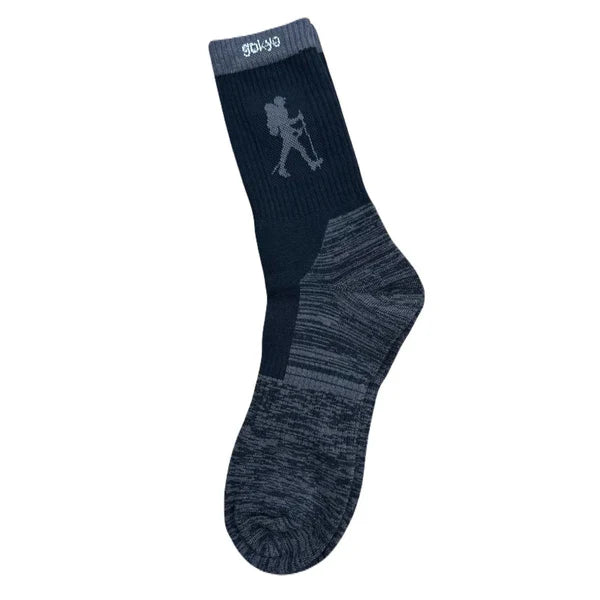
Trekking & Outdoor Cold Weather Socks
Filters
9 products
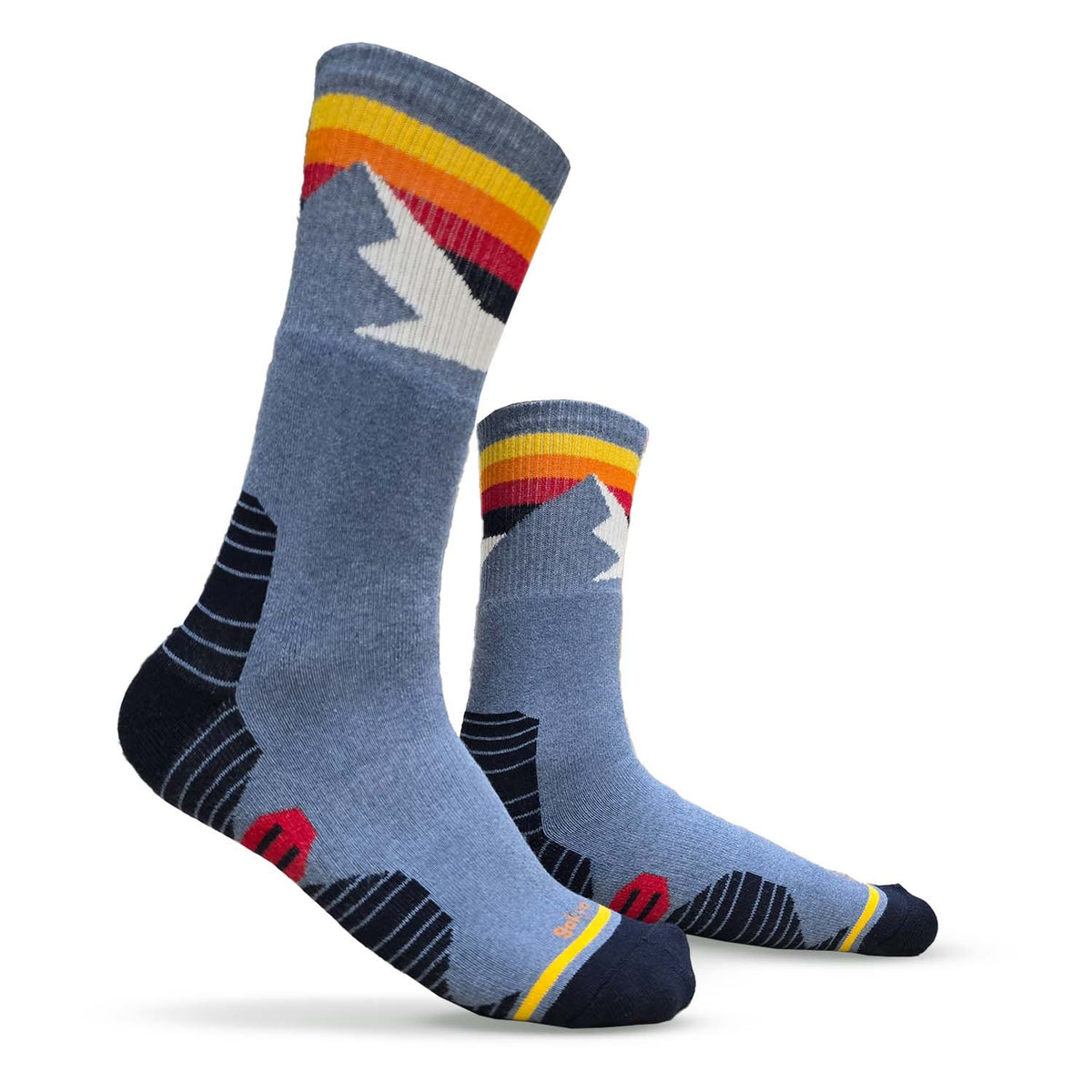
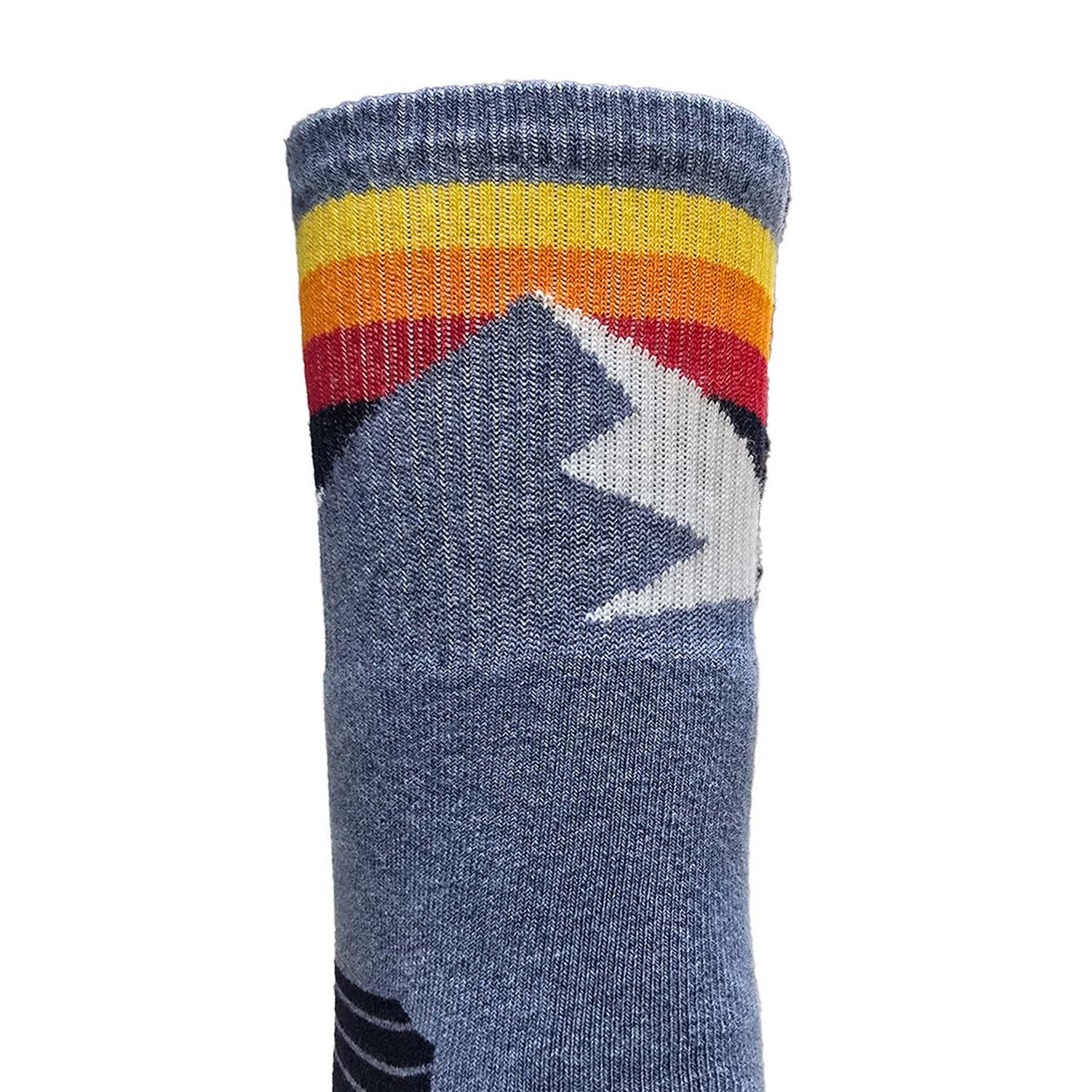
Zermatt Outdoor & Trekking Socks
(Inclusive of all taxes)
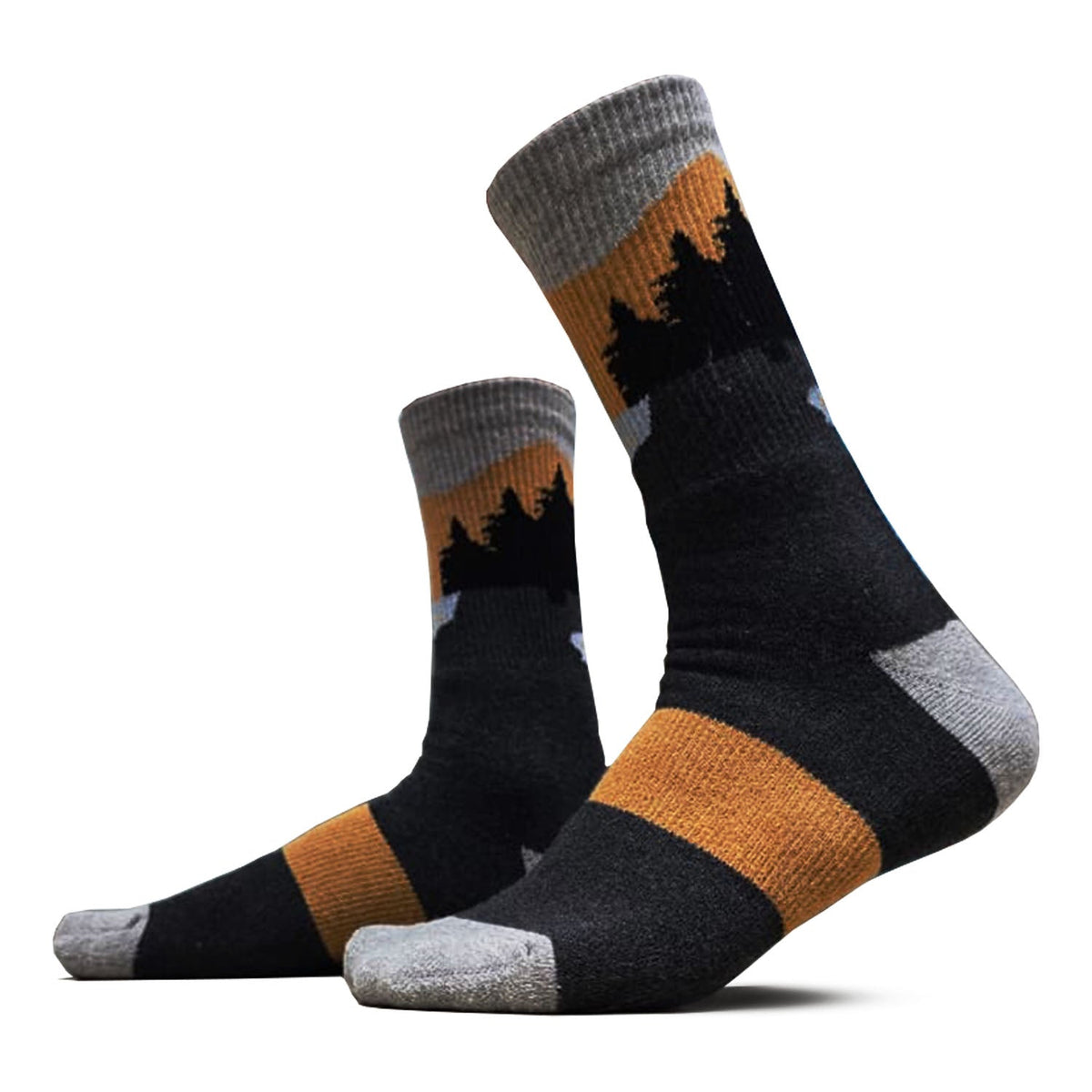
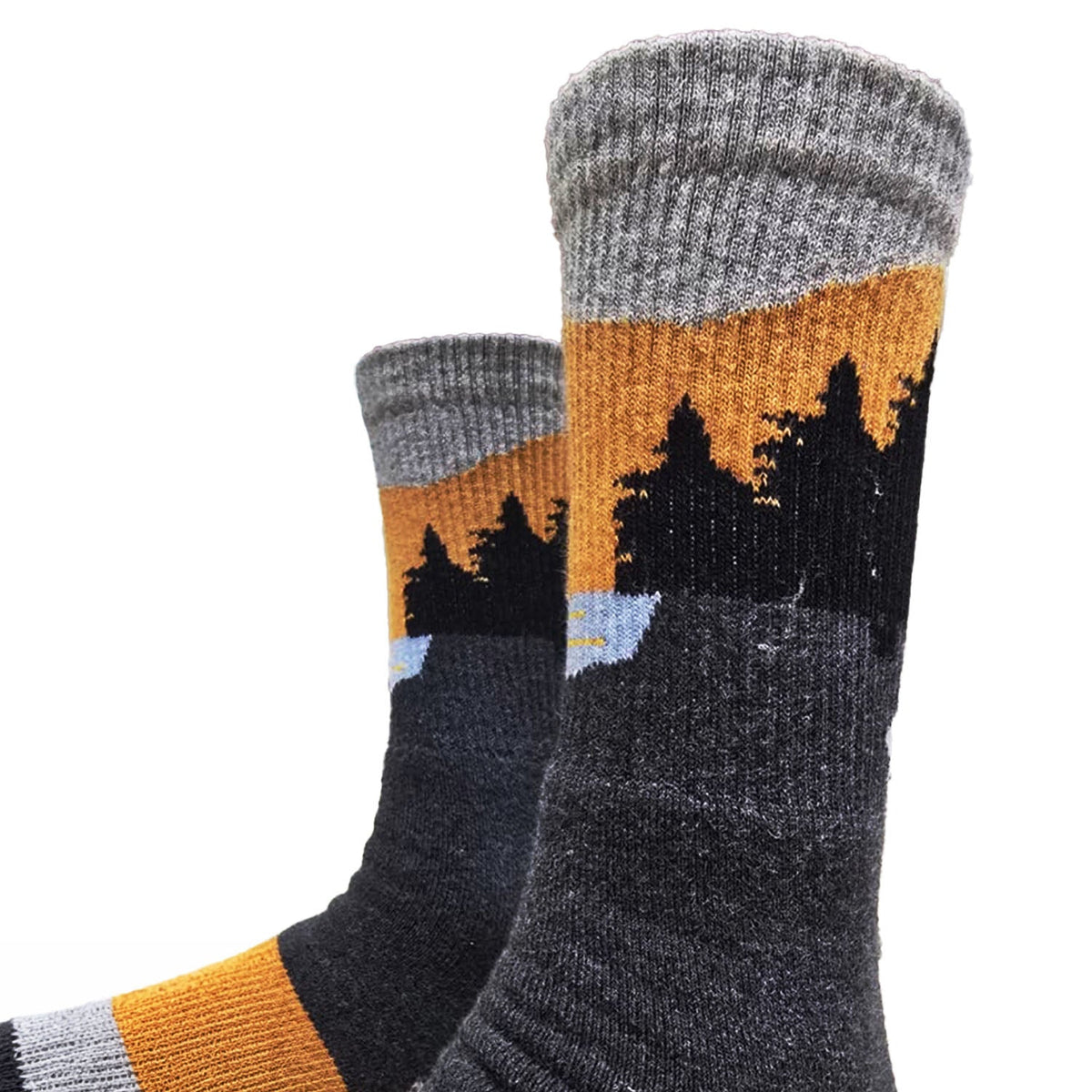
Denali Outdoor & Trekking Socks
(Inclusive of all taxes)


Namche Trekking & Cold Weather Socks
(Inclusive of all taxes)
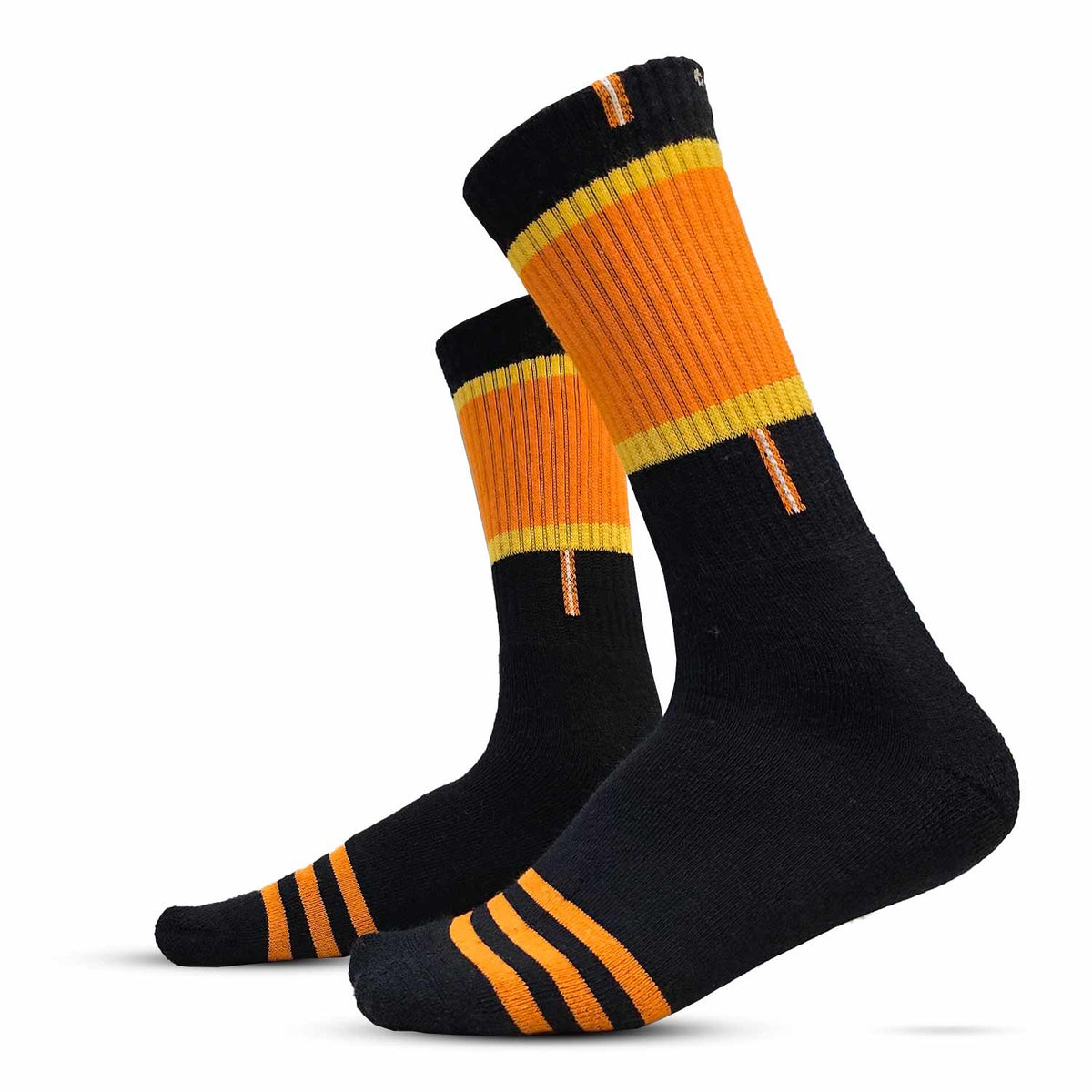
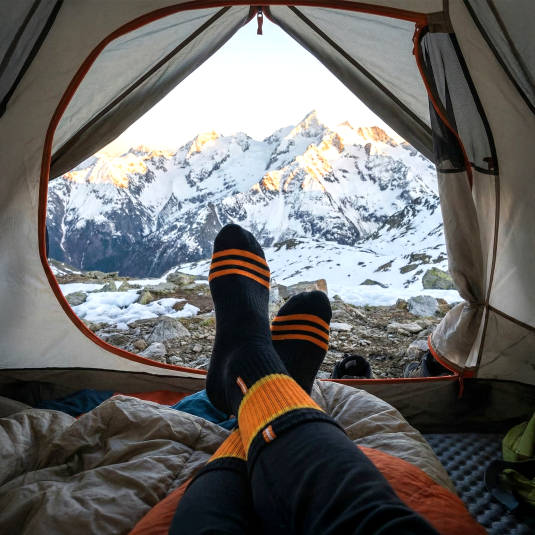
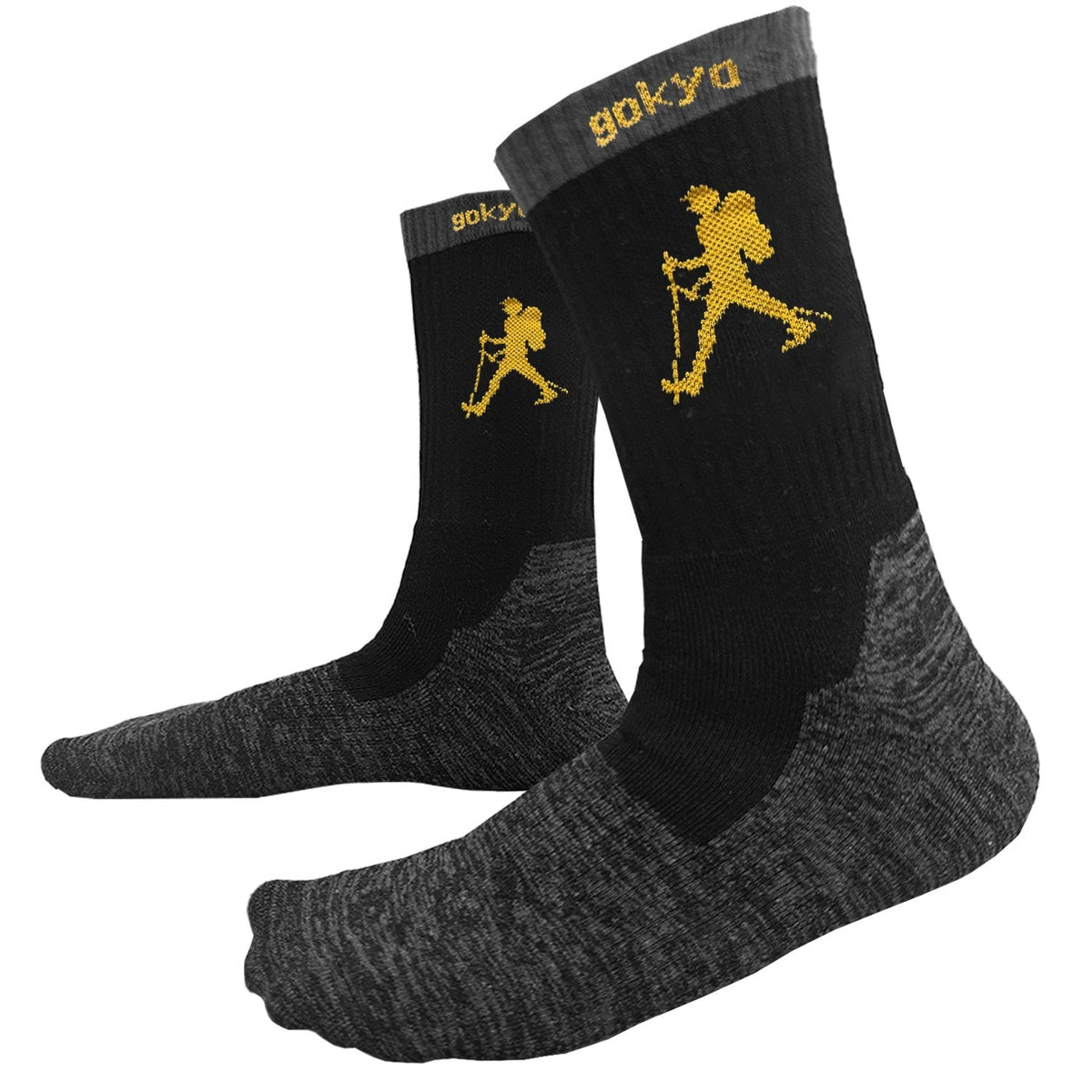
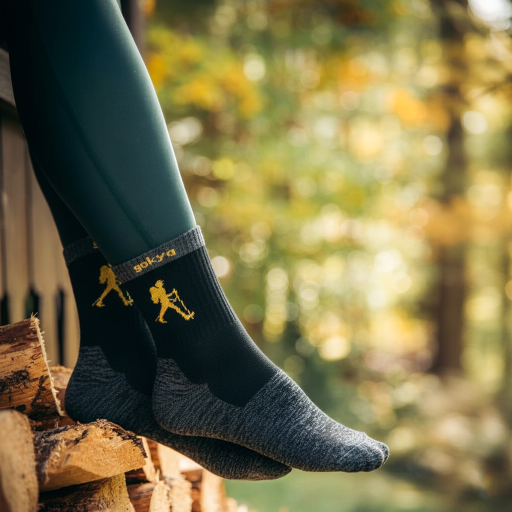
Kaza Cushioned Trekking Socks – 0°C to 20°C
(Inclusive of all taxes)


MUND VELETA Trekking & Cold Weather Socks for -15º C
(Inclusive of all taxes)
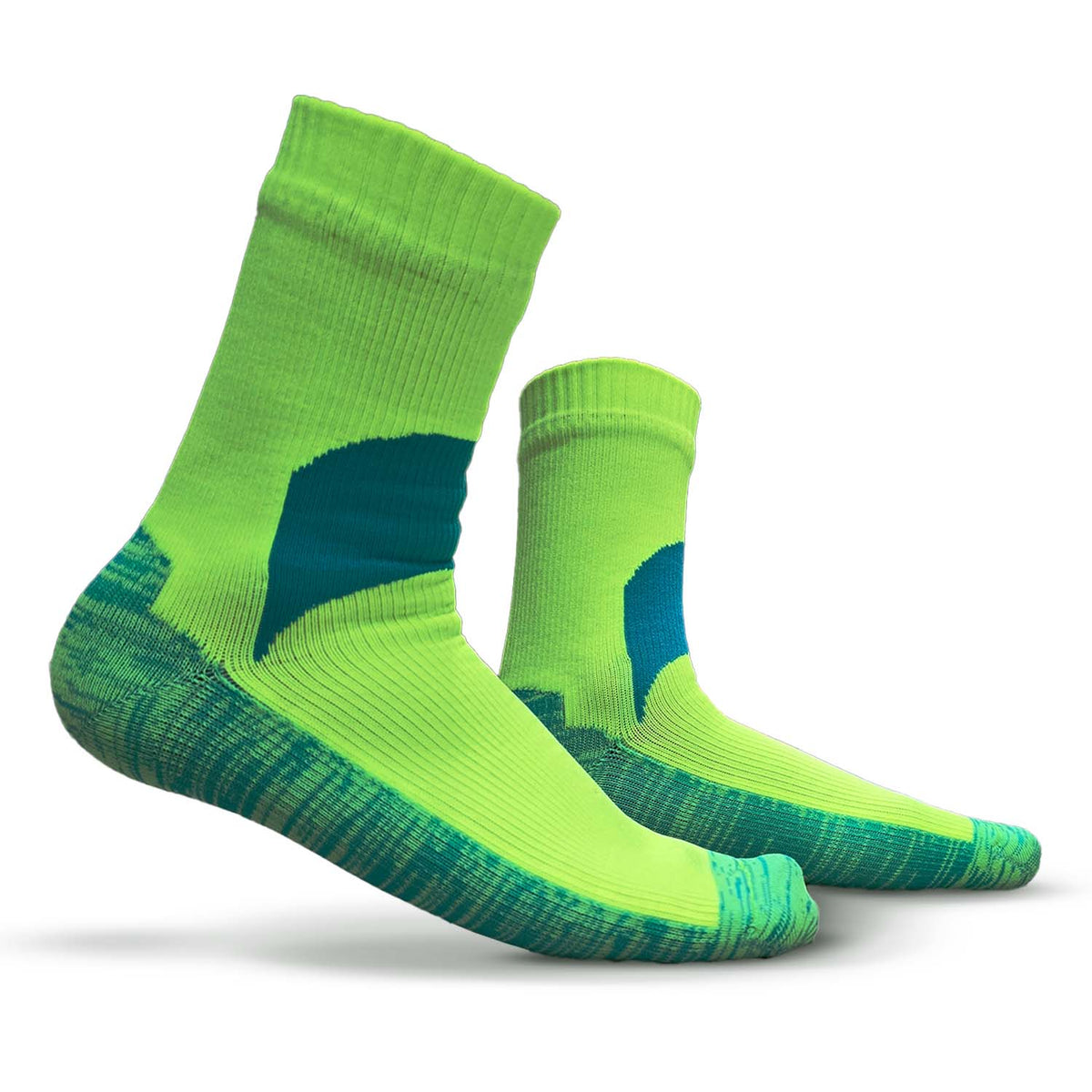
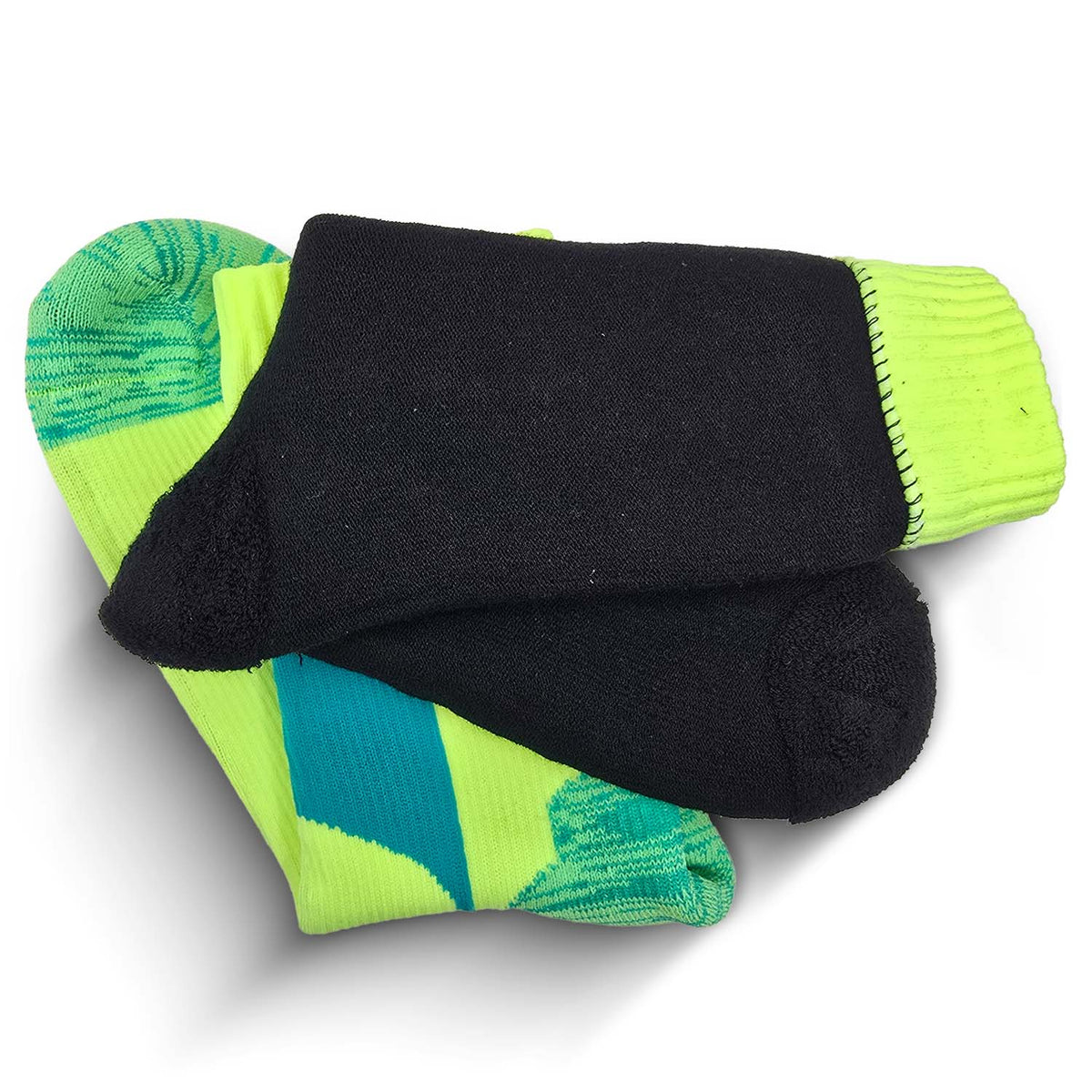
K2 100% Waterproof Breathable Trekking Socks
(Inclusive of all taxes)
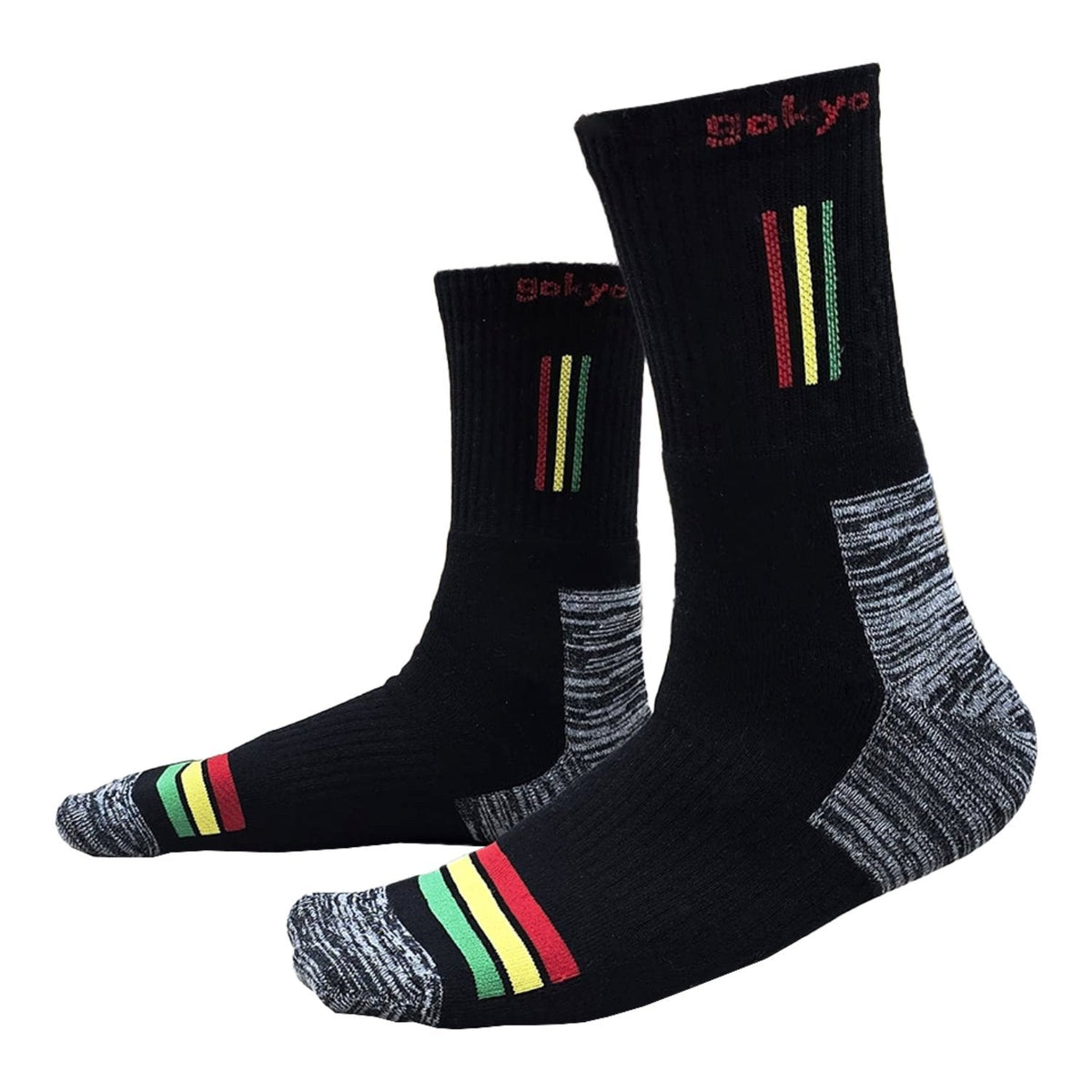
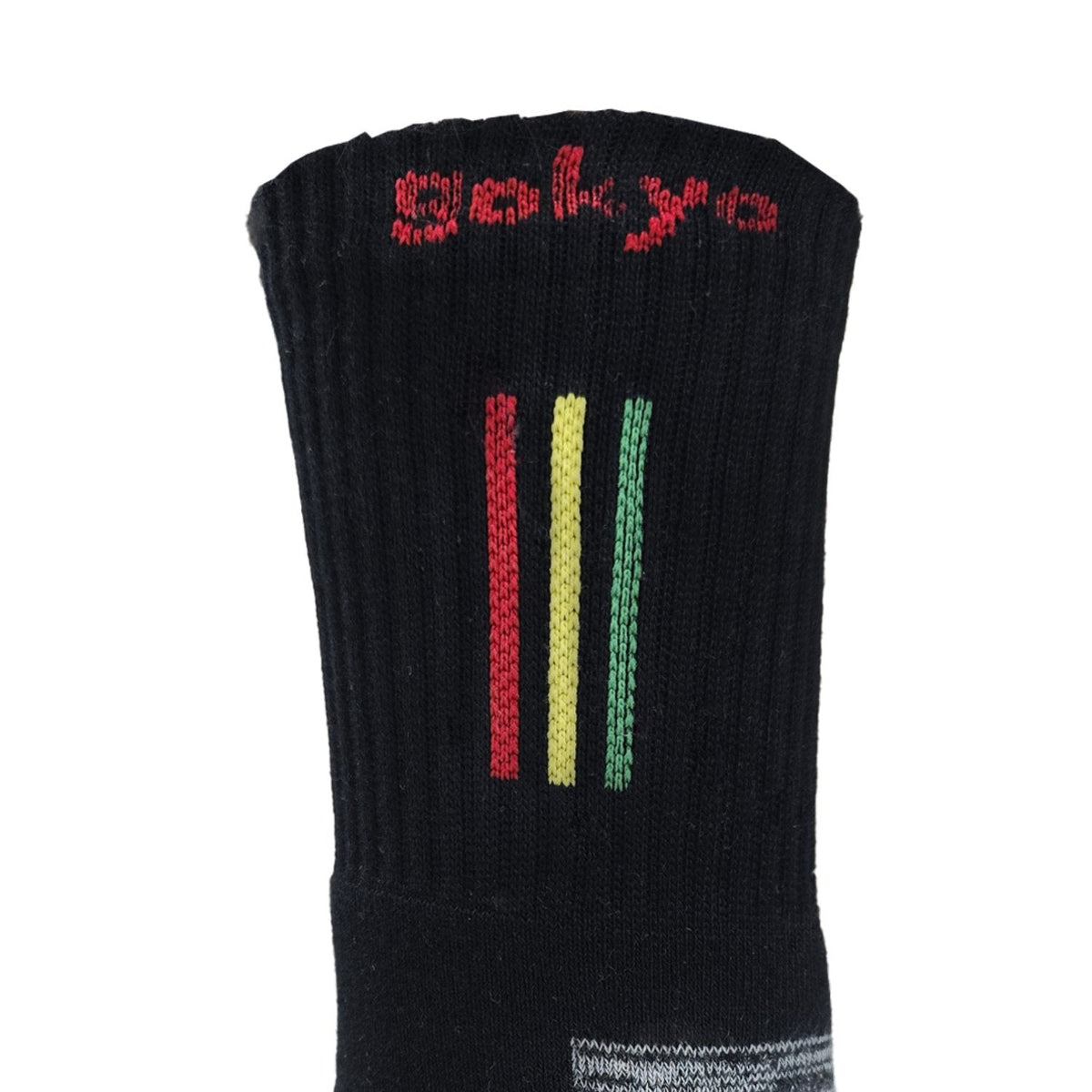
Kamet Cushioned Trekking Socks – 5°C to 20°C
(Inclusive of all taxes)


Give your feet the support they need on long trails with Gokyo trekking & hiking socks, designed for hiking, mountain travel, cold weather & multi-day treks. The collection ranges from cushioned everyday trekking socks to merino wool, waterproof and extreme-cold options, allowing you to choose according to terrain, temperature and weather conditions.
Cushioned Socks for Trekking & Hiking
Long hours inside trekking shoes can create pressure, friction and discomfort. Gokyo’s trekking socks use cushioning in key areas, a close fit and breathable constructions to improve comfort during extended walking. Selected styles also feature reinforced heel and toe areas, moisture management and arch support for longer days on the trail.
Choose Socks According to Temperature
Different destinations require different levels of insulation. The Kamet Cushioned Trekking Socks are positioned for approximately 5°C to 20°C, while the Kaza Cushioned Trekking Socks cover conditions around 0°C to 20°C. For colder environments, the range extends to MUND Polar Circle socks rated to -10°C, MUND Veleta socks rated to -15°C and Makalu Polar ZT Merino Wool Socks positioned for temperatures down to -20°C.
Merino Wool Socks for Extreme Cold
For winter trekking and colder mountain conditions, merino wool provides useful insulation while remaining suitable for active outdoor use. The Makalu Polar ZT -20°C Merino Wool Socks sit at the warmer end of Gokyo’s trekking sock collection and are designed for demanding cold-weather conditions.
Waterproof Trekking Socks for Wet Conditions
When trails are wet or there is a risk of moisture entering your footwear, the K2 100% Waterproof Breathable Trekking Socks provide a dedicated weather-protection option. They are designed for situations where keeping the feet protected from external moisture becomes particularly important.
Better Foot Comfort on Long Treks
The right socks are as important as well-fitting trekking shoes. Cushioning helps reduce pressure at high-impact areas, while moisture management and a smooth fit can help reduce friction and irritation during prolonged walking. Carrying a fresh or dry pair is also useful on multi-day treks, particularly when weather conditions are unpredictable.
FAQs
What type of socks are best for trekking?
Choose socks designed specifically for hiking or trekking, with cushioning, moisture management and a secure fit. The level of insulation should match the expected temperature and weather conditions.
Are cushioned socks better for long treks?
Cushioning can improve comfort by adding support around areas exposed to repeated impact and pressure. Gokyo’s trekking range includes cushioned Kamet and Kaza options for moderate temperatures.
Are merino wool socks good for cold-weather trekking?
Yes. Merino wool is widely used in cold-weather outdoor socks because it provides insulation while remaining suitable for active use. Gokyo’s Makalu Polar ZT merino socks are positioned for temperatures down to -20°C.
Do trekking socks help prevent blisters?
Properly fitting trekking socks can help reduce friction, moisture build-up and chafing, which are common contributors to foot irritation and blisters. Cushioning and a smooth fit are particularly useful on long walking days.
When should I use waterproof socks?
Waterproof socks are useful on wet trails, during prolonged rain or when there is a possibility of water entering your footwear. Gokyo’s K2 Waterproof Breathable Trekking Socks are designed specifically for these conditions.
How many pairs of socks should I carry on a trek?
The number depends on trek duration and conditions, but carrying enough pairs to rotate and keep your feet dry is important. On longer treks, having at least one clean, dry pair available can be particularly useful.
Should trekking socks be thick or thin?
Neither is universally better. Choose the thickness according to your footwear, temperature and activity. Moderate-weather treks may need cushioned medium-weight socks, while colder destinations require greater insulation.

Cash on Delivery Available
Pay When Your Order Arrives

Easy Returns
7 Days for Exchange & Easy returns

Secure Checkout
Multi-Payment Checkouts

Free Shipping
Get free shipping over ₹ 1000

Express Shipping
Get Express Shipping at just ₹300 extra.
