Does Your Jacket Trap Heat — Or Trap Sweat?
A discovery of some kind or the other will nearly always make itself felt at a certain point during every journey.
You are not dying of cold.
You are not overly tired.
You are not hurt in any way.
Nevertheless, there is this kind of discomfort which is hard to explain.
With a very good reason you might be stopping to walk for a minute—maybe taking a quick sip of water or waiting for your heart rate to settle down—and your body suddenly… feels wrong. Your back is sweaty. The front of your body is warm but moist. And as soon as the wind comes your way that warmth is transformed into a cold that goes deep down into your bones.
You close your jacket. You pull your shoulders up. You think, Perhaps it is just the weather.
But it is not.
The culprit is your jacket.
To be more precise, the issue is that your jacket is committing the one sin that is absolutely unacceptable on a trekking trip: it is trapping your sweat.
Trail-Tested Base Layers That Actually Work


Why Sweat Is the Real Villain on a Trek
Cold is easy, always the same.
Wind is very expressive.
Rain makes you wet.
Sweat is a master of disguise.
Little by little it grows when you are taking the path uphill, when your legs are burning and your lungs are straining. Your body is behaving exactly as it ought to be that is cooling itself. However, the moment you stop and that moisture has nowhere to go, it turns into a nightmare for you.
Once you are on the mountain, even the slightest moisture can suck warmth rapidly and frighteningly. What was before endurable when one was walking suddenly turns into unbearable. Then distracting. Then unsafe.
This is why experienced trekkers don’t fear cold nearly as much as they fear being wet inside their clothes.
The Biggest Lie We Believe About Jackets
Most of us buy jackets the same way.
We try them on indoors.
We feel that instant puff of warmth.
We think, Yep, this will work.
But trekking doesn’t happen indoors.
A jacket that feels warm while standing still can become a liability once you’re climbing, sweating, stopping, starting, and adjusting to constantly changing conditions.
Warmth alone isn’t the goal.
Balance is.
And balance starts long before you put the jacket on.
Smart Mid-Layers for Consistent Warmth


It Always Begins With What Touches Your Skin
If your first layer is wrong, everything above it is just damage control.
Cotton feels soft. Familiar. Safe.
Until it gets wet.
Once cotton absorbs sweat, it clings to your skin and refuses to dry. In cold conditions, it becomes a heat thief. This is why seasoned trekkers won’t even consider stepping onto a trail without proper base layer thermals.
Good thermals don’t shout. They don’t feel dramatic. They simply keep your body stable. Dry when you’re moving. Warm when you stop.
This is especially important with thermals for men, which are often designed for casual winter wear rather than sustained physical effort. On a trek, your body doesn’t need lounging comfort—it needs performance.
That’s one reason Gokyo Outdoor Clothing & Gear focuses so heavily on how layers behave over time, not just how they feel in the first five minutes.
Outer Layers That Block Wind, Not Breathability


The Middle Layer Is Where Most People Go Wrong
Tourist logic says: thicker equals warmer.
Trail reality says: thicker often equals sweatier.
This is where fleece jackets quietly do the hard work. A good fleece traps warmth without sealing your body in. It allows excess heat to escape while still protecting your core.
The beauty of a proper mid-layer is that you forget about it. You’re not constantly zipping and unzipping. You’re not overheating on climbs and freezing on breaks. Your body just… stays steady.
And on a trail, steady is everything.
The Jacket That Decides Your Mood for the Day
Let’s talk about the outer layer—the piece everyone obsesses over.
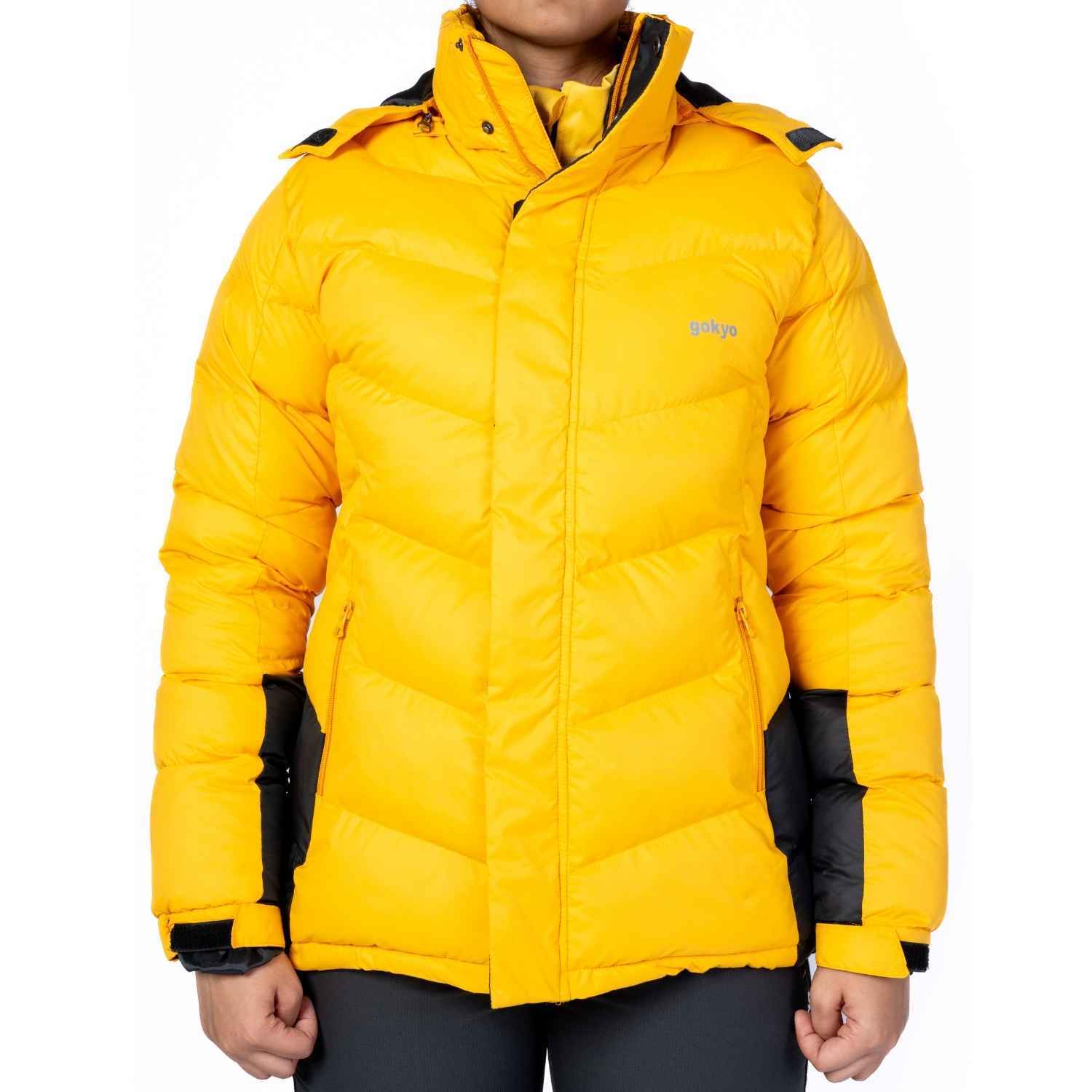
A down jacket is brilliant for insulation. Warm, lightweight, compressible. But it’s not magic. Down doesn’t like moisture, and it doesn’t love wind either.
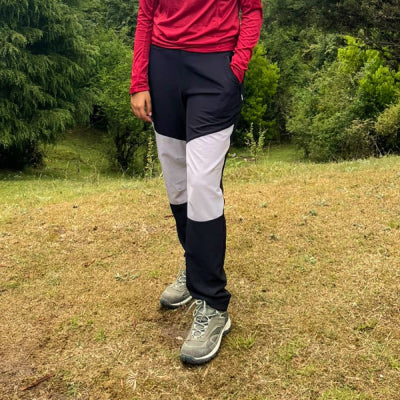
That’s why experienced trekkers don’t treat jackets as standalone heroes. They think in combinations. A down layer for warmth, paired with jackets for men designed for movement or a breathable windcheater for men that blocks wind without locking moisture inside.
When these layers work together, your body feels protected but not trapped. When they don’t, you sweat first—and shiver later.
Sweat Comes From Effort, Not Just Weather
Here’s something people don’t talk about enough: bad gear makes you work harder.
Poorly designed travel bags pull your weight in the wrong directions. Your shoulders tense. Your posture shifts. Your breathing becomes shallow. All of that increases exertion—and sweat—before you even realize what’s happening.
The right pack sits close, balanced, predictable. You move more efficiently. Your body stays calmer. Less effort means less unnecessary sweat.
Your Feet Can Ruin Everything
If your feet are uncomfortable, your whole trek feels harder.
Bad shoes for trek force your body to compensate. You grip the ground more. You tense your legs. You burn extra energy. Sweat increases.
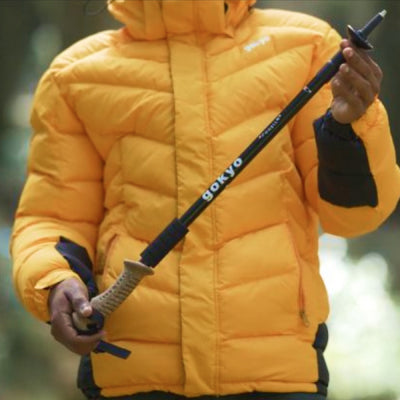
On icy terrain, crampons change everything. Suddenly you’re not tiptoeing—you’re moving with confidence. Add trekking poles, and your body distributes effort evenly. Your knees relax. Your breathing steadies.
Efficiency isn’t just about speed.
It’s about staying dry and warm longer.
Small Gear, Big Difference


The Small Stuff That Quietly Saves the Day
Some of the most important gear barely takes space.
A sip from thermos flasks on a cold day does more than warm your hands—it stabilizes your core. Good trekking socks manage moisture where blisters love to form. Proper winter gloves keep your fingers functional without turning them into sweaty prisons.
Sun exposure at altitude is relentless. Sunscreen protects skin that’s already under stress. Lip balm saves you from painful cracks that make smiling hurt. A simple beanies prevents heat loss during breaks. Sunglasses reduce glare fatigue that quietly drains energy.
None of these feel dramatic. All of them matter.
Fuel Affects Temperature More Than You Think
When your body runs low on energy, it struggles to regulate itself.
That’s why trekkers don’t eat only when they’re hungry. They eat to stay balanced. Protein food supplements help keep energy steady without weighing you down, preventing sudden drops that lead to fatigue—and yes, excessive sweating.
Your body is a system. When one part struggles, everything else compensates.
What Most Trekkers Learn the Hard Way
People don’t turn back because they were cold.
They turn back because they were damp, tired, and couldn’t recover once they stopped moving.
A jacket that traps sweat creates a vicious cycle. You feel cold, so you layer up. You sweat more. You stop. You freeze. And suddenly the trek feels twice as hard as it should.
The solution isn’t more insulation.
It’s smarter breathability.
Final Thought: Dry Beats Warm Every Time
Anyone can feel warm for a few minutes.
Staying dry for hours is what keeps you going.
When your layers work together, when your jacket breathes, when your body doesn’t have to fight its own gear—trekking changes. It becomes calm. Focused. Almost meditative.
And that’s when you realize the truth:
A good jacket doesn’t just keep you warm.
It keeps you comfortable enough to continue.
FAQs
1. What are the signs that my jacket is trapping sweat instead of letting it out?
Dampness and chilly feelings inside the jacket when you stop moving are clear indicators. An ideal trekking jacket is supposed to release the skin moisture during the walking activity, thus avoiding you freezing during the stops.
2. Is feeling sweaty while trekking a sign of the wrong gear or is it just the normal sweating?
Sweat is your body’s way of telling that it is working very hard—so it is normal. The issue arises when sweat is retained in your layers. If you are still wet and not drying up as you go, then your layering system requires some upgrading.
3. Why does my body feel colder after stopping even if I was warm while walking?
After stopping, the body is less hot. When sweat is retained in the clothing, it cools down fast and steals heat from the body, making the cold feel abrupt and more intense.
4. Is one good jacket enough to replace proper layering?
Not exactly. A single jacket can’t manage moisture, insulation, and wind all perfectly by itself. Layering lets you to add or take off the layers as the weather changes which is very important for long and high-altitude treks.
5. Are base layers really that much of a difference?
Absolutely, and the difference is even bigger than the majority of people think. A good base layer will pull the sweat from your skin which is the first step in body temperature control and making the person comfortable for longer time.
← View Previous Blog:
 Best Places to Visit for Snow Lovers in India