January Snow Treks in India That Are Still Beginner-Friendly
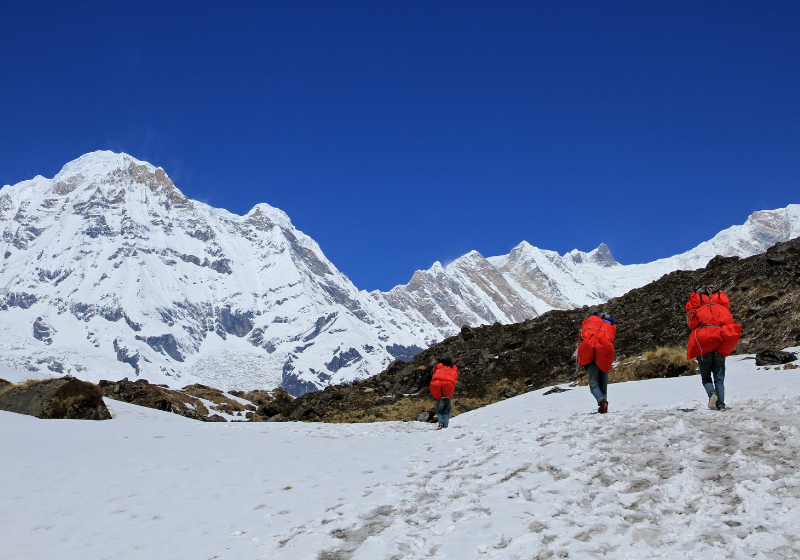
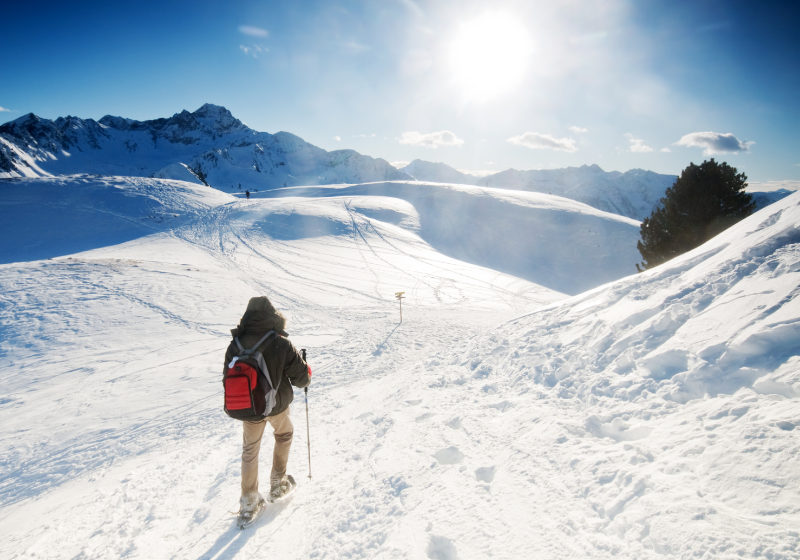
The initial snowflake was so small that it felt like a tiny spark on the gloves. The coldness made me wince and at the same time, the soft touch made me laugh. Upon looking up, the mountains were looking great in January—all white, very quiet and absolutely indifferent to the mess of human drama going on below. I breathed out, and saw my breath as if it was a small cloud hanging in the air. This is the sensation of snow trekking: a blend of wonder, thrill, and if you are a novice a bit of fear too.
For a novice, the notion of trekking in the snow is a kind of audition for survival in an extreme situation. The body’s signals are: “It’s cold! Slippery! You will regret this!” But the truth is that some of India’s winter trails are really made for such people—novice people who want to experience snow and not have their fingers fall off on the first day.
And as it is with every adventure, the difference between a day full of joy and a day that makes you want to retreat to your warm bed starts with one thing: preparation.
Why Beginner Snow Treks Are So Different (And Why That’s Awesome)
The snow makes everything new again. The trails, which are still quiet in summer, may turn out to be really tricky in winter if one is not careful. A rock is now hidden in white; streams are frozen; and the trail under the foot is even steeper when one walks in the powder snow with the crunching sound. Berry is not far from the truth when saying snow magnifies both mistakes and successes.
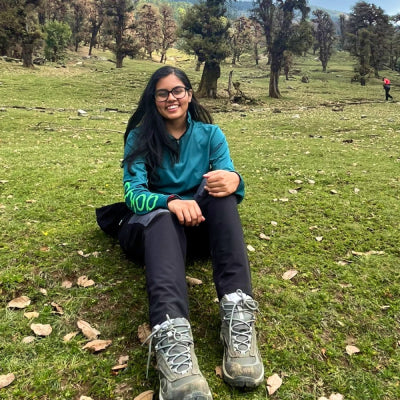
It is not the same walking through snow and walking on dry ground. The human body gets tired at a quicker rate, heat is lost faster, and constant attention is needed. There is no wearing a thick jacket and wishing for the best. There is a need for a system: breathable layers, moving materials, and protective accessories for the extremities.
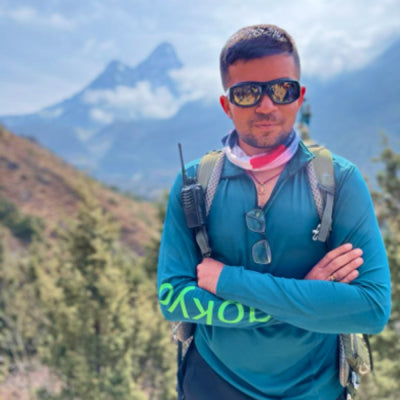
Enter Gokyo Outdoor Clothing & Gear. Their winter trekking systems aren’t just clothing—they’re silent companions that anticipate your needs. Your base layer thermals wick sweat away, your mid-layers keep warmth balanced, and your outer layers shrug off wind without suffocating you. This isn’t over-engineering; it’s survival, comfort, and enjoyment rolled into one.
Top Beginner-Friendly January Snow Treks in India
1. Auli, Uttarakhand
Ah, Auli—the place that makes you feel like a snow globe just exploded under your feet. Gentle slopes, wide trails, and panoramic Himalayan views make it beginner heaven. You can even ski if you feel adventurous, but for trekking newbies, the path itself is enough to make your heart race in the right way.
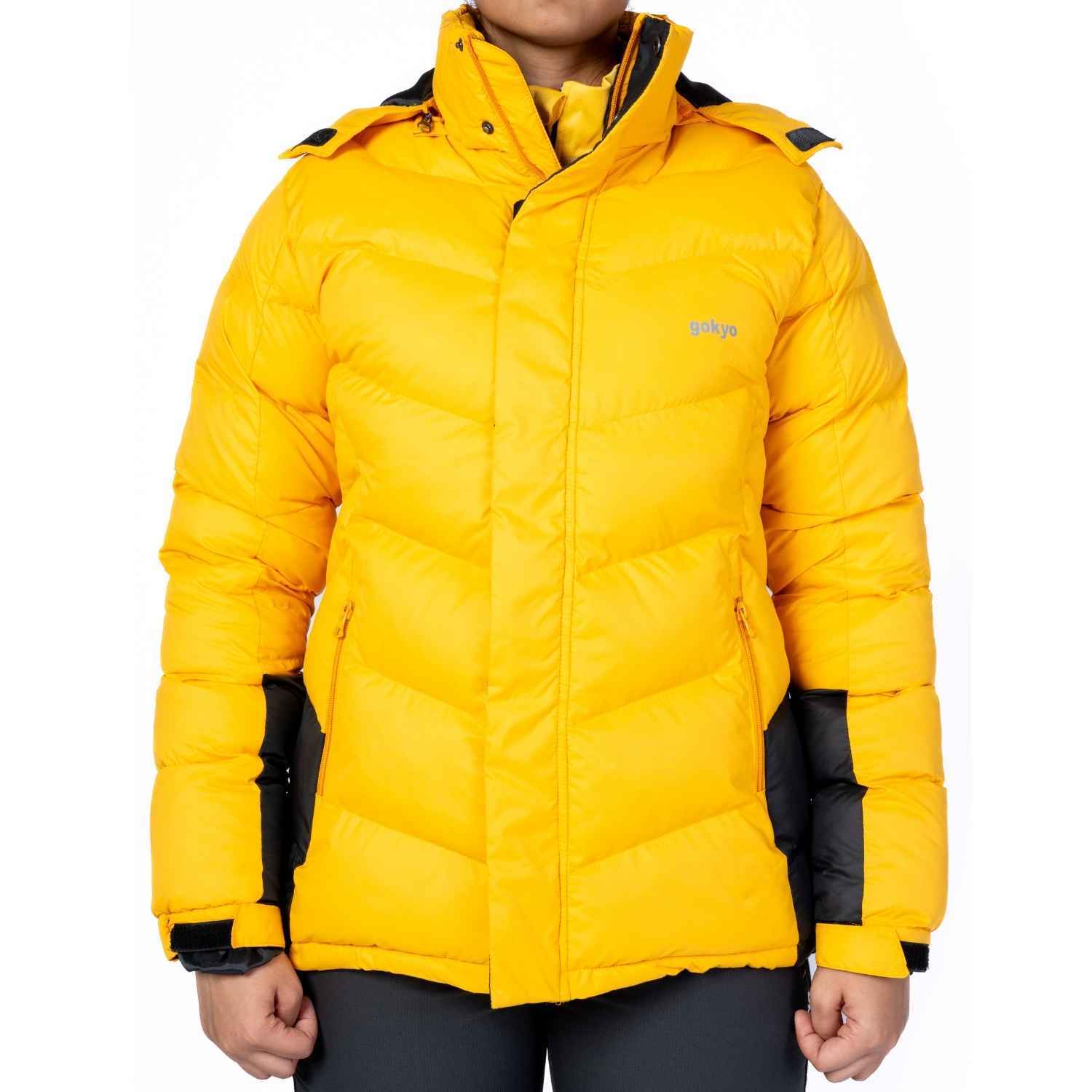
Pro tip: Bring a down jacket and layer it over base layer thermals. The sun feels deceptively warm when you stop to take pictures, but the wind will remind you who’s boss if your layering isn’t right.
2. Tarsar-Marsar Lake Trek, Jammu & Kashmir
Frozen lakes reflecting a sky so blue it hurts your eyes, meadows blanketed in snow—the Tarsar-Marsar trek feels like stepping into a painting. The terrain is long but technically simple, making it ideal for beginners who want to feel the thrill of winter without tumbling down a cliff.
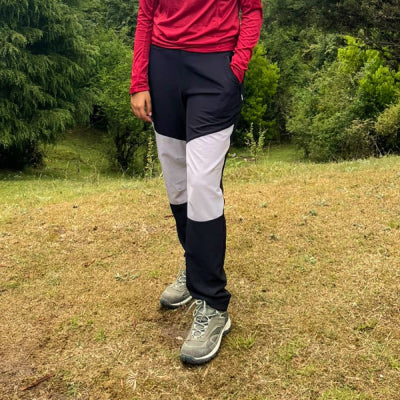
Your steps must be deliberate. Lightweight jackets for men or women, paired with a good windcheater for men, help you regulate temperature as you move from sunlit patches to shaded snowfields. Proper shoes for trek and trekking poles make every stride safer and more confident.
3. Chandrashila Trek, Uttarakhand
The sunrise at Chandrashila is a phrase that gets tossed around a lot, but here, it earns every cliché. The climb is short, steep, and absolutely worth it. Even as a beginner, the snow adds a sense of adventure without tipping you over into danger.
Tip: Mid-layer fleece jackets are perfect here. You’ll feel warm while moving but won’t overheat when you pause at the summit. A beanie and gloves will save your fingers from the icy sting while you snap photos that look straight out of a magazine.
4. Sandakphu Trek, West Bengal
Sandakphu is the snow pilgrimage’s quiet underdog. The majority of the visitors are drawn to the imposing Himalayan view—the one-of-a-kind opportunity of witnessing four of the five tallest mountains from one place—but the trail gets covered with snow in January and turns into a magical winterland. The upwards slopes are favourable for beginners, while squelchy snow makes each step feel like an accomplishment.
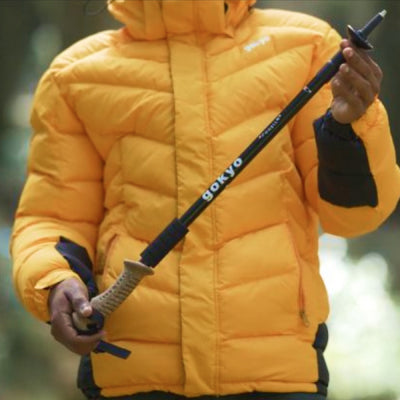
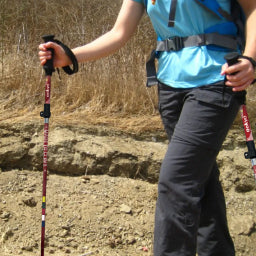
Accessories like trekking socks and trekking poles are not merely items that go with the outfit but are also tools of survival. Thermal trekking socks will keep your feet warm, and poles will provide you with support. You will feel like a professional even if it is your first hike.
Insulation That Works While You Move


Packing Like a Pro: The Beginner’s Guide
Packing can either make or break your journey. Even if you are on a gentle slope, it could turn out to be a bad experience if you wear wrong and heavy layers or forget some essentials.
- Base layer thermals: A snow trekking guide's best and most reliable companions. They keep the sweat under control, make the warmth uniform and eliminate the "cold shock" sensation when you stop.
- Mid-layer fleece: Retains heat but allows moisture to escape. Your partner during uphill ascents and resting times.
- Down jacket & windcheater for men: Very light, totally windproof, and highly adaptable to fluctuating conditions.
- Footwear & poles: Shoes for trek with good grip, maybe crampons if icy, trekking poles for steady walking.
- Accessories: Gloves, beanie, sunscreen, lip balm, and sunglasses. Small, insignificant items that if not used can cause discomfort and drain energy.
- Nutrition: Protein food supplements maintain energy at the same level without causing sluggishness.
The trick is to consider in systems. Every single element complements the other letting you take pleasure in the path instead of always adjusting your jacket or cleaning sweat from your forehead.
Wind Protection & Trek-Ready Jackets


What Makes Snow Trekking Magical in January
There is just something ridiculously pleasurable about the very first crunch of snow under the boots. The silence—which is only punctuated by your breathing and the rare sound of a far-away bird—is very deep. The trees are covered with frost, the streams are shining like diamonds, and the mountains are standing there unbothered, enormous, and humbling.
This is the reason why preparation is important. When you have the right equipment, you do not care about frozen fingers or wet socks anymore but start to see the small, poetic details—the ice patterns, the bending of light on snow, and the friendly spirits of other walkers taking a warm sip from a thermos flasks together.
Common Beginner Mistakes
- Overpacking or underpacking: Both are equally deadly. Bring essentials that serve multiple purposes.
- Neglecting extremities: Gloves, beanies, and warm socks are not optional. Hands and feet lose heat fastest.
- Relying on one bulky jacket: Layering is smarter than thickness. Systems work better than a single piece.
- Ignoring traction: Snow can be deceptive. Shoes for trek, crampons, and poles prevent slips and save energy.
- Skipping energy planning: Snow treks burn calories fast. Bring protein food supplements and water for consistent fuel.
Stability, Grip & Foot Support Systems


Final Thoughts: Start Small, Trek Big
Beginner snow treks aren’t about proving courage—they’re about curiosity. With Gokyo Outdoor Clothing & Gear, your preparation becomes part of the adventure, not a chore. When your layers breathe, your hands and feet stay warm, and your energy remains steady, the mountain stops being an obstacle and becomes a companion.
January is a magical time. Snow brings quiet, stillness, and perspective. With proper gear, careful planning, and a willingness to move at your own pace, even a novice can walk through a winter wonderland without fear.
So tie your boots, adjust your travel bags, pull on those thermals, and step into the snow. The mountains are waiting, and this time, they might just become your favorite winter classroom.
Frequently Asked Questions (FAQs) :
1. Are snow treks in January too difficult for beginners?
Not if you pick beginner-friendly trails with gentle slopes and moderate exposure, like Auli or Chandrashila. Proper gear and pacing are key.
2. Do I need specialized gear for snow trekking?
Yes. Base layer thermals, fleece jackets, and windproof outer layers make trekking comfortable. Gloves, beanies, and sunglasses are essential too.
3. Can one jacket replace proper layering?
No. Layering is crucial to manage sweat, warmth, and wind. Gokyo Outdoor Clothing & Gear provides effective systems for this.
4. Are trekking poles necessary for beginners?
Absolutely. Poles improve stability, reduce knee strain, and help on icy or uneven terrain.
5. How important is hydration and food on short snow treks?
Very. Protein food supplements and water keep energy levels steady, prevent fatigue, and maintain warmth.
← View Previous Blog:
 Places That Look Magical Only When Covered in Snow
View Next Blog: →
 Snow Without the Crowd: Beautiful Winter Destinations Most People Skip