Still Packing Like a Tourist for a Trek? Here’s What You’re Missing
On a trek, there comes a very particular moment when you see that some people packed like trekkers, while others packed like tourists.
This moment is usually in the morning. The trail is so quiet that you don't even hear any birds. The cool air is visible from people's mouths. Everyone is tightening the straps of their backpacks, taking a sip of water, pulling the next layer of clothes on and then there is that one person fighting with a very full bag, dressed in a cotton hoodie, and already wanting to know if the weather will "get better pretty soon."
It won’t.
Trekking does not accept casual packing. Mountains are indifferent to how many trips you have done, how fit you are or how expensive your camera is. They respond only to good preparation.
And most people don’t realize just how different trekking gear must be from the everyday travel gear.
Reasons Why Tourist Packing Fails on the Trail
Packing for the tourist is all about convenience. Trekking needs functional packing.
Tourists prepare every day’s outfit and trekkers arrange their systems of clothing.
If you are walking for hours in varying temperatures, different wind exposures and unpredictable terrains, what you wear and what you carry becomes a part of your body’s performance. The wrong choices don’t just make you uncomfortable, they also gradually take away your energy, your confidence and even your safety.
At that very point the gap opens.
The First Mistake Starts at the Skin Layer
In case of your first layer being wrong, nothing above it will work as a savior.
Cotton seems to be harmless until it absorbs sweat and becomes icy against your skin. For this reason, seasoned trekkers do insist on base layer thermals—their function is to regulate the temperature instead of just adding heat.
Best thermals are working silently. They maintain your core temperature even when the sun sets or the wind becomes stronger. This is particularly the case for men's thermals designed with the focus on active movement rather than on lounging comfort.
This is not about being cozy. It is about being able to operate.
Brands like Gokyo Outdoor Clothing & Gear build their layering systems around this exact principle—gear that supports long hours, not quick photos.
Mid-Layers: Where Tourists Overdo It
Tourists often pack bulky sweaters thinking thicker equals warmer. On the trail, that logic collapses fast.
What you actually need are fleece jackets that trap heat without restricting movement. A good fleece warms you while walking and cools you slightly when resting, preventing sweat from building up.
This balance matters more than people realize. When weather changes fast—and it will—you don’t want to keep stopping to change layers. You want clothing that adapts with you.
Adaptive Mid-Layers for Long Days


The Jacket Isn’t Just a Jacket
Many first-timers buy one “heavy jacket” and call it a day. But not all insulation behaves the same way.
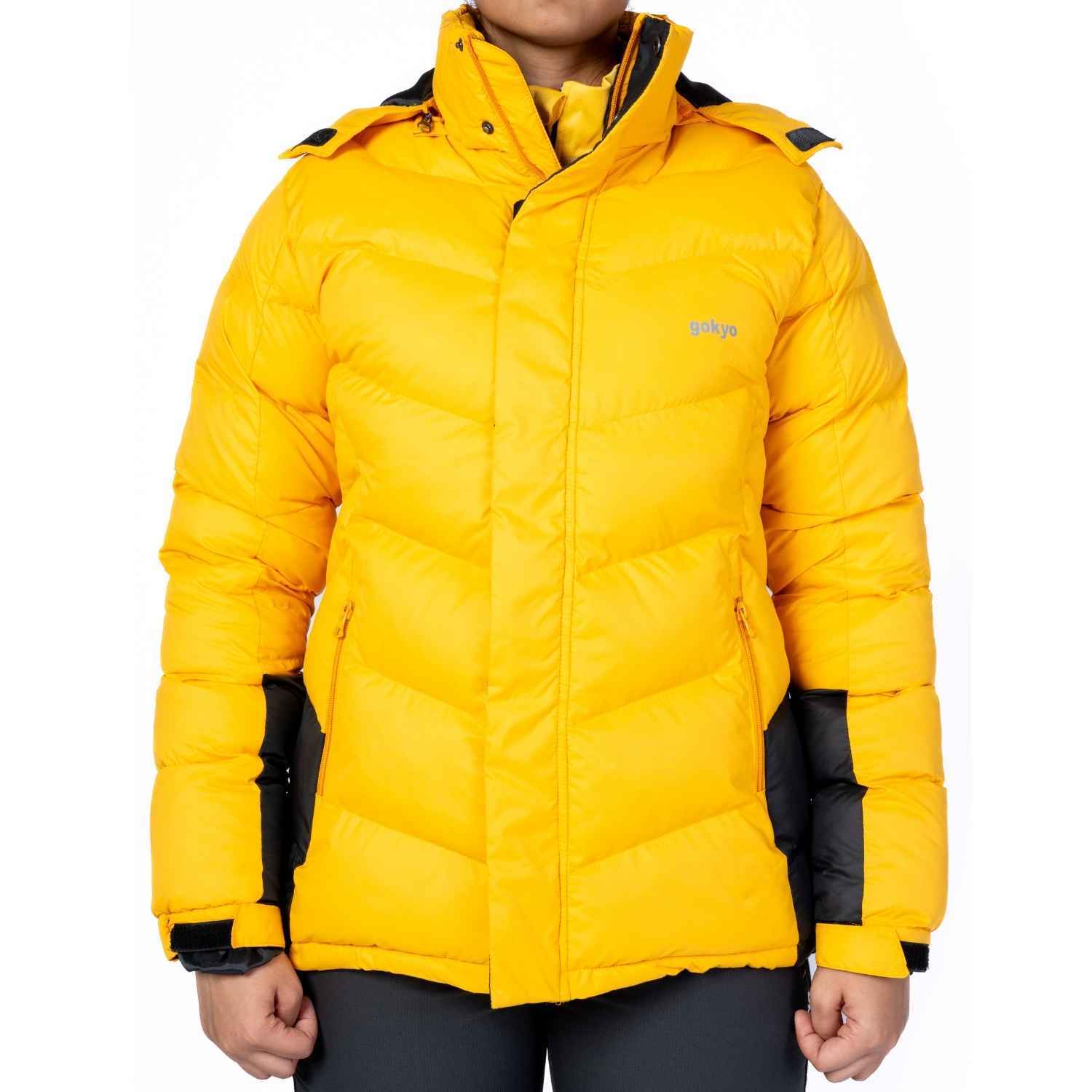
A proper down jacket offers warmth without weight, which matters when every gram counts. But down alone isn’t enough. Wind steals heat faster than cold itself.
That’s why seasoned trekkers layer smartly—pairing insulation with shells like jackets for men built for movement, or a lightweight windcheater for men that cuts wind without suffocating your body.
This system gives you control. Tourist packing takes it away.
Insulation & Wind Control Systems


Bags That Carry You—or Break You
A bad bag doesn’t hurt immediately. It waits.
Ill-fitted travel bags pull at your shoulders, shift weight unevenly, and slowly throw your posture off. By day two, breathing feels tighter. By day three, every incline feels heavier than it should.
The right pack moves with you. It keeps weight close, balanced, and predictable. That’s energy saved—energy you’ll need later.
Your Feet Decide Your Mood
Footwear mistakes are unforgiving.
Wrong shoes for trek don’t just cause pain—they create hesitation. Every slippery patch becomes a mental battle. Once your toes go numb, your confidence follows.
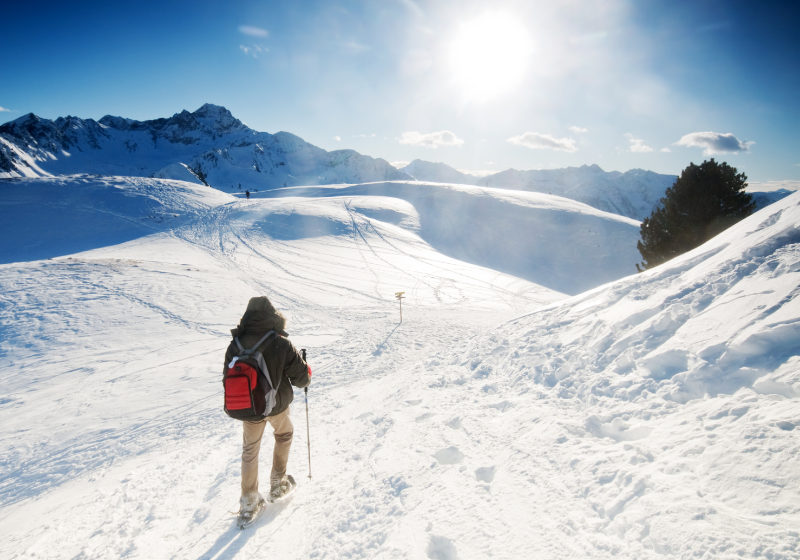
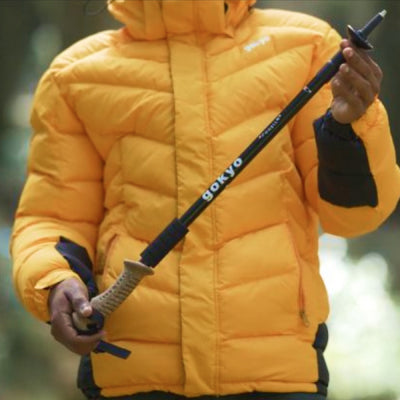
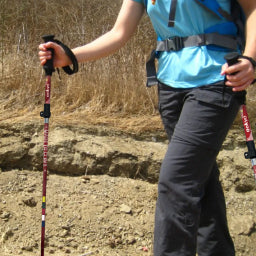
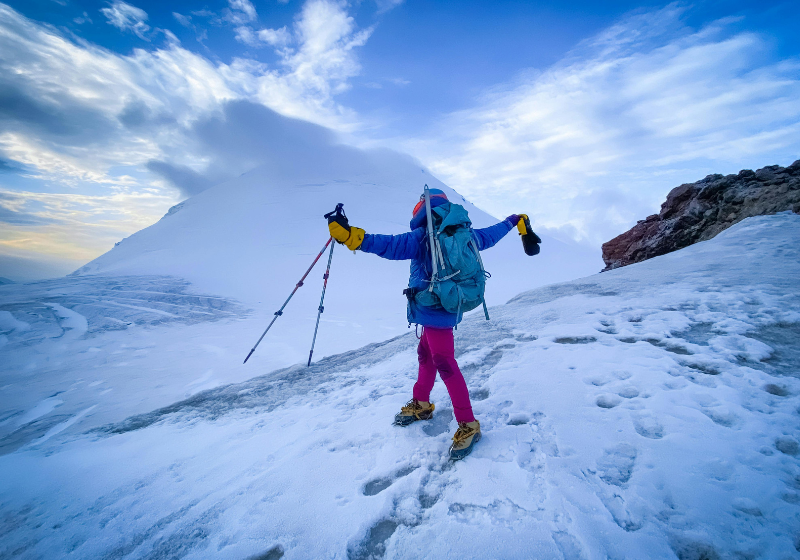
On icy sections, crampons stop being optional. They turn fear into forward motion. Add trekking poles, and suddenly your knees hurt less, your balance improves, and your stride feels natural again.
Tourists walk cautiously. Trekkers move deliberately.
Load-Balanced Trekking Packs


Small Gear, Massive Impact
Some of the most important items barely take space.
A reliable thermos flasks keeps fluids warm when temperatures drop. Warm hydration does more for morale than people admit.
Quality trekking socks prevent blisters that seem small at first and brutal later. Proper winter gloves keep fingers flexible enough to adjust gear without exposing skin to the cold.
Sun exposure at altitude is ruthless. Sunscreen protects skin, while lip balm prevents cracking that turns painful fast. A simple beanies helps retain core heat during breaks, and sunglasses protect vision from snow glare that can end a trek early.
These aren’t extras. They’re essentials.
Footwear, Grip & Stability Essentials
{{ featured_products_4 }}
Fuel Isn’t Optional
Tourists eat when they’re hungry. Trekkers eat to stay functional.
Long days burn calories fast. Without steady fuel, fatigue creeps in quietly. This is where protein food supplements earn their place—easy to consume, easy to carry, and reliable when meals are delayed.
Energy isn’t just physical. It’s mental. And hunger messes with both.
What Trekkers Learn the Hard Way
Most people don’t turn back because they’re unfit.
They turn back because:
Their body couldn’t regulate temperature
Their gear worked against movement
Their load drained energy faster than expected
Their recovery between breaks wasn’t enough
This is where preparation stops being about shopping and starts being about understanding how systems work together.
That’s the difference between packing for a trip and packing for a trek.
Final Thought: Pack Like the Mountain Matters
The mountain doesn’t care how excited you are.
When things get tough, it will not matter if your equipment was good enough.
Once your outer garments allow moisture to escape, your sleeping bag makes an even balance, your shoes provide good support, and your body receives proper hydration—you will not react anymore to the trail, but instead, you will move with it.
This is the moment when hiking no more feels like a hard task and rather an enjoyable experience.
And this is when you realize—you have not packed like a tourist this time.
FAQs
1. What do you think is the biggest packing mistake new trekkers usually do?
Treating trekking just like regular travel, and thus not preparing for movement and weather changes.
2. Is it really necessary to have layered clothing instead of one warm jacket?
Definitely yes. Layering allows better control of the temperature and moisture management.
3. Are gloves and beanies really important?
Without a doubt. Heat loss from extremities does affect the overall body temperature.
4. How will I know if my backpack is not suitable for trekking?
If it causes shoulder pain too soon or it sags all the time, it is not doing proper weight distribution.
5. Is it necessary to wear protection from the sun in the cold areas?
Yes. UV exposure is more in high altitude and snow reflection.
6. What is the best way to conquer tiredness during long walks?
Proper equipment, regular intake of food, and good weight distribution.
← View Previous Blog:
 Snow Without the Crowd: Beautiful Winter Destinations Most People Skip
View Next Blog: →
 January Is the Calmest Time to Visit the Mountains — Here’s Where to Go