Introduction
Winter trekking is often associated with freezing temperatures, snow-covered trails and heavy layers of clothing. But there's one thing many travellers forget to prepare for: the sun.
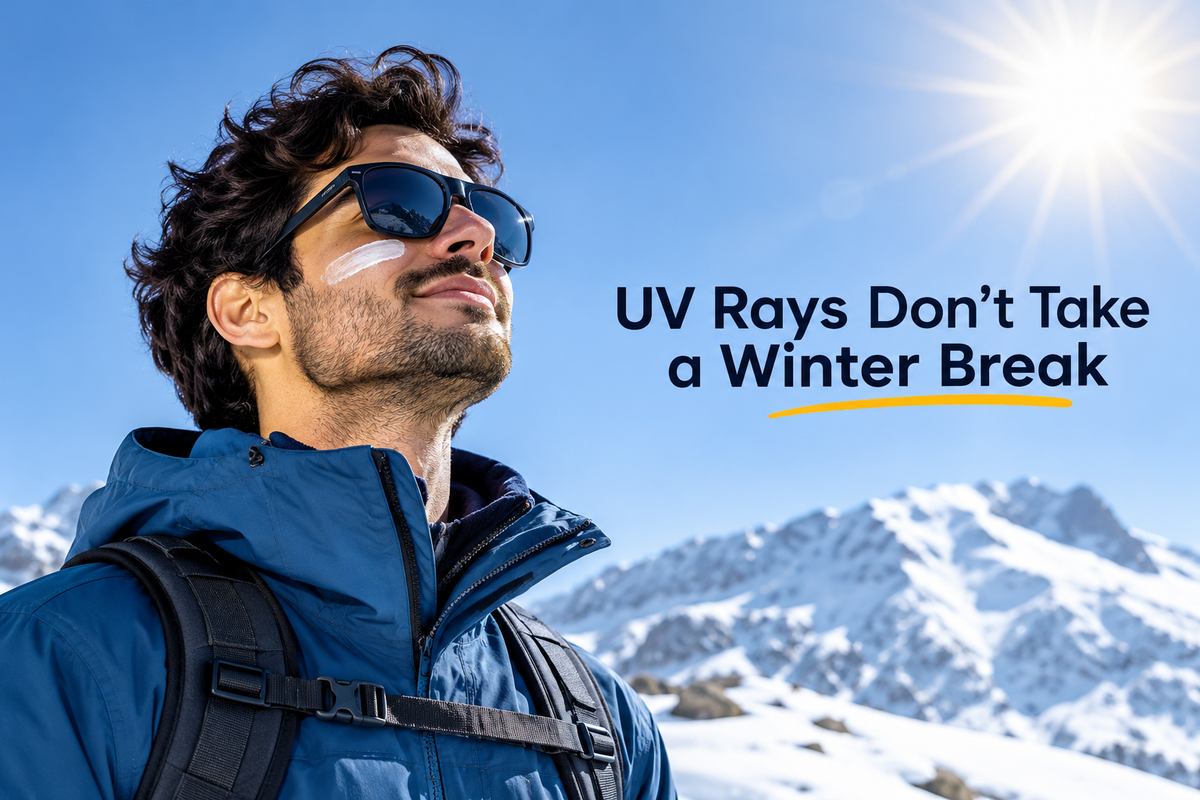
Even when the weather feels cold, UV rays can affect your skin and eyes. Snow reflects sunlight, while higher altitudes increase UV exposure. This makes sun protection just as important in winter as it is during summer.
Whether you're planning a trip to Ladakh, Spiti Valley, Gulmarg or the Himalayas, protecting yourself from the winter sun should be part of your trekking preparation.
1. Why Is UV Protection Important During Winter Trekking?
Cold weather doesn't mean low UV exposure. Ultraviolet rays can reach your skin and eyes even when temperatures drop or the sky looks cloudy.
During winter adventures, prolonged exposure can lead to sunburn, skin damage and eye irritation. Snow-covered landscapes also reflect sunlight, increasing the amount of UV radiation reaching you.
This is why winter travellers should include sunscreen, protective clothing and proper sunglasses in their packing list.
2. How Snow and Altitude Increase UV Exposure
Two major factors make winter trekking environments different from regular outdoor trips.
- Snow reflection: Fresh snow can reflect up to 80% of UV radiation, exposing you to sunlight from multiple directions.
- Higher altitude: UV exposure increases as you climb because thinner air absorbs less ultraviolet radiation.
Even on cloudy days, UV rays can still reach exposed skin and eyes. So, don't wait for bright sunshine before using protection.


3. Four Ways to Protect Yourself from the Winter Sun
1. Wear UV-protective sunglasses
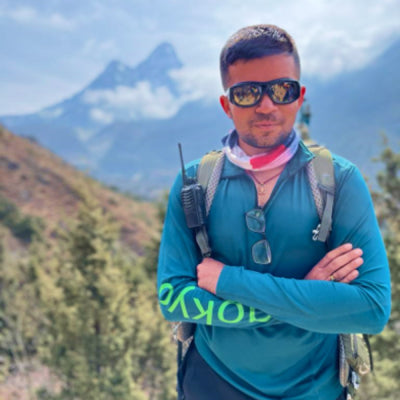
Choose sunglasses with UV400 or 100% UVA and UVB protection. Polarized lenses can also help reduce reflected glare from snow and ice.
For particularly exposed snowy conditions, consider suitable ski goggles with adequate UV protection and coverage.
2. Apply sunscreen before heading out
Use broad-spectrum SPF 30 or higher sunscreen on exposed areas, especially your face, nose, ears and neck. Reapply approximately every two hours, or more often when sweating, following the product instructions.
3. Protect your lips and face
Cold winds and sunlight can leave exposed skin uncomfortable. Carry an SPF lip balm and use a suitable face covering or neck gaiter to reduce direct exposure.
4. Cover exposed skin
Wear suitable outdoor clothing, caps and headwear to reduce direct sunlight on your skin. Choose comfortable, breathable fabrics that work with your trekking layers.
4. Essential Sun Protection Gear for Your Next Trek
Packing the right accessories can make your outdoor experience more comfortable and help protect you from prolonged UV exposure.
Here are a few essentials worth carrying:
- UV400 Polarized Sunglasses: For eye protection and reduced glare on bright trails.
- Ski and Summit Goggles: For greater eye coverage in demanding snow and windy conditions.
- Sunscreen: For exposed skin during long outdoor activities.
- Caps and Neck Covers: For additional coverage around the face and neck.
At Gokyo, you can explore outdoor eyewear and sun protection essentials designed for travel, trekking and outdoor adventures.
5. Common Winter Sun Protection Mistakes
Avoid these common mistakes when preparing for a winter trek:
- Assuming cold weather means there is no risk of sunburn.
- Wearing dark sunglasses without checking their UV protection rating.
- Applying sunscreen only once in the morning.
- Forgetting to protect your ears, nose, neck and lips.
- Skipping sunglasses on cloudy days.
- Depending only on jackets and caps for complete sun protection.
6. Explore Gokyo's Sun Protection Essentials
Prepare for your next outdoor adventure with practical sun protection gear from Gokyo.


7. Frequently Asked Questions
1. Do you need sunscreen during winter trekking?
Yes. UV rays can still affect your skin during cold weather, especially at high altitudes and in snowy surroundings.
2. Does snow increase UV exposure?
Yes. Snow reflects UV radiation, increasing exposure to sunlight from different directions.
3. Are UV400 sunglasses good for trekking?
Yes. UV400 sunglasses are designed to block UVA and UVB rays up to 400 nanometres. Polarized lenses also help reduce glare.
4. Should you wear sunglasses on cloudy snow days?
Yes. Clouds do not completely block UV radiation, and snow can continue reflecting sunlight.
5. How often should you reapply sunscreen during a trek?
Generally, every two hours. Reapply sooner if you're sweating heavily or wiping your face, following the sunscreen's instructions.
Final Thoughts
Winter adventures are about enjoying the mountains, exploring new trails and experiencing the outdoors. But preparing for cold temperatures shouldn't mean forgetting about sun protection.
From UV400 sunglasses and sunscreen to protective clothing and face coverings, small precautions can make a big difference during your journey.
Before heading towards your next snowy destination, make sure your trekking checklist covers more than just staying warm. Stay protected, explore confidently and make every adventure count with Gokyo.

View Next Blog: →
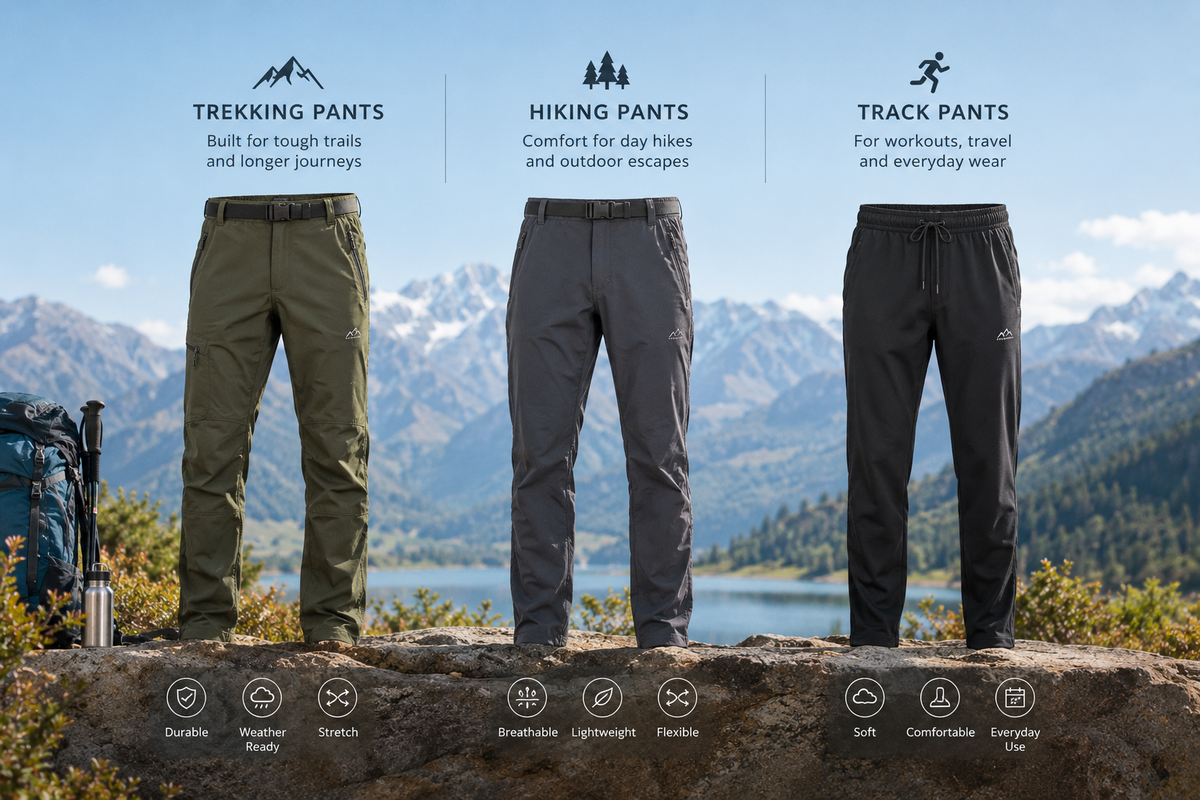
 Trekking Pants vs Hiking Pants vs Track Pants: Which Should You Choose?