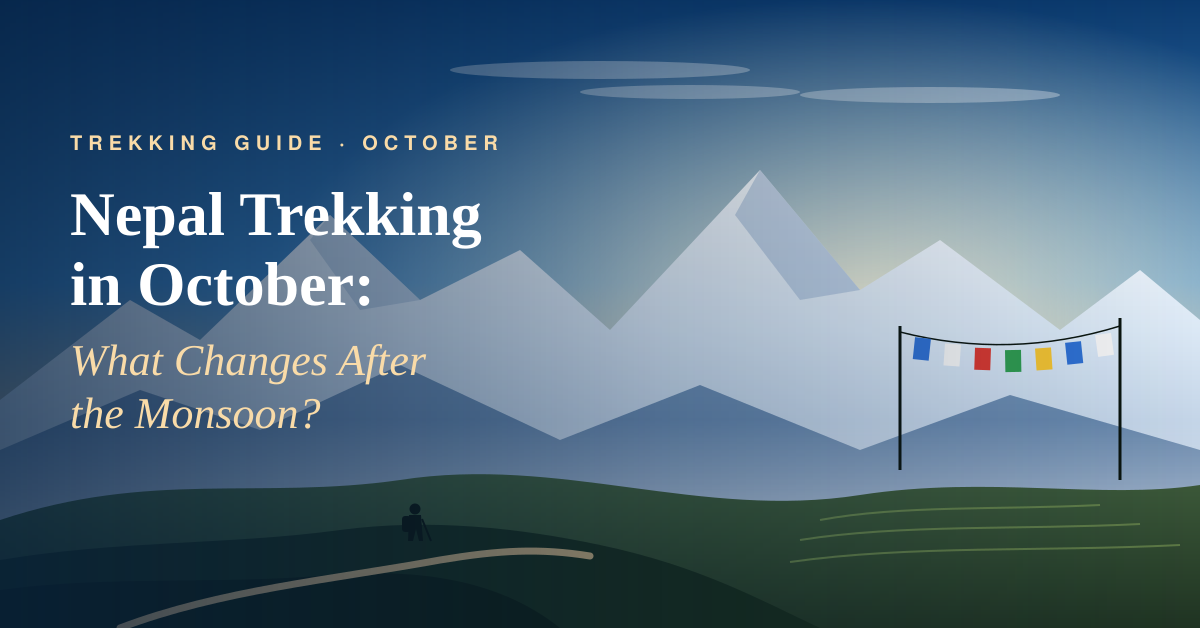
Discover why Nepal trekking in October is ideal after the monsoon, with clearer mountain views, better trail conditions, popular Himalayan treks, packing tips, and essential trekking advice.
1. Introduction: Why October Is Special for Nepal Trekking
October marks one of the most anticipated periods for trekking in Nepal. After months of monsoon rainfall, the Himalayan landscape begins to transform, revealing greener valleys, refreshed forests, clearer skies, and spectacular mountain panoramas. For adventure seekers, October offers an opportunity to experience the Himalayas under conditions that are often more favourable for trekking.
Whether you are planning the iconic Everest Base Camp trek, exploring the scenic Annapurna region, or discovering quieter Himalayan trails, October is an excellent month to consider. The transition from the rainy monsoon season to autumn brings noticeable changes to Nepal's weather, landscapes, and trekking conditions.
However, the post-monsoon trekking season also comes with a few considerations. Popular trails can become crowded, temperatures drop at higher elevations, and weather conditions can vary depending on altitude and region.
Understanding what changes after the monsoon can help you prepare for a safer, more comfortable, and rewarding Nepal trekking experience.
2. What Changes in Nepal After the Monsoon?
The end of the monsoon brings a significant transformation across Nepal's trekking regions. Frequent rainfall gradually decreases, visibility often improves, and the mountain environment becomes particularly appealing for outdoor exploration.
Clearer Skies and Better Mountain Views
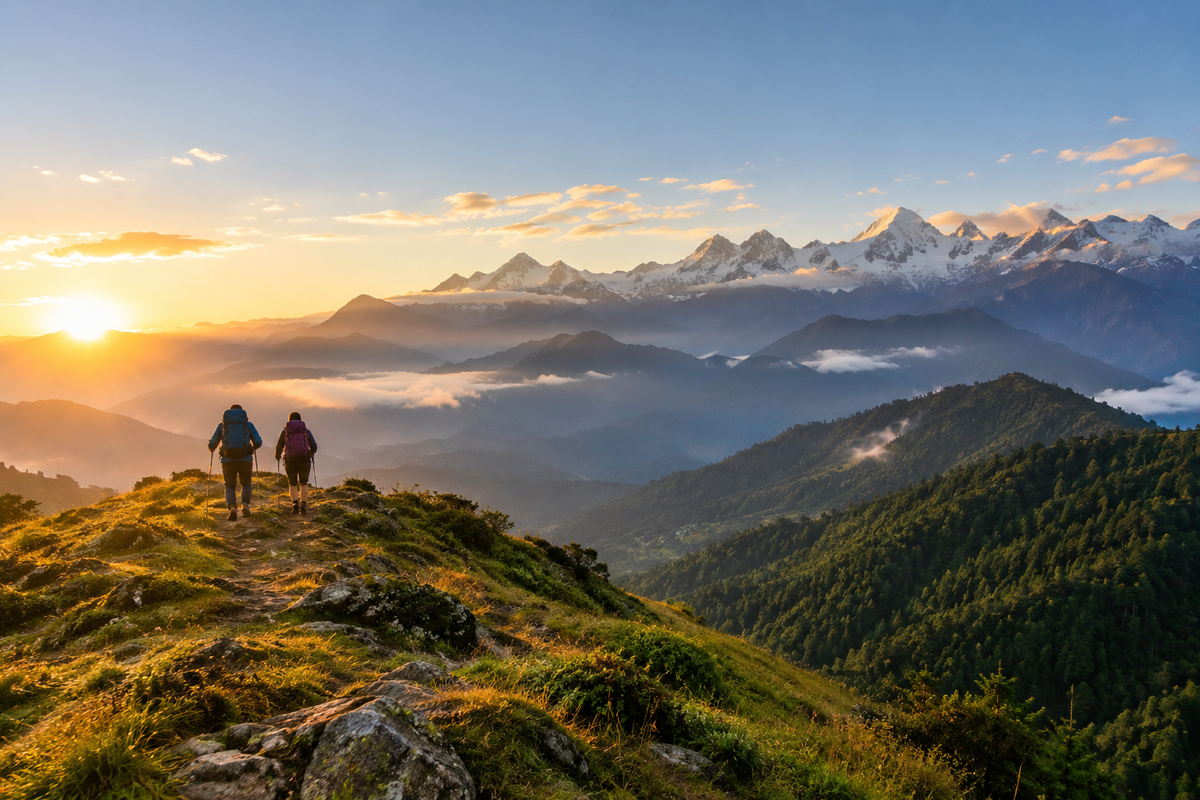
One of the biggest advantages of trekking in Nepal in October is the improved mountain visibility. During the monsoon, clouds and mist frequently obscure Himalayan peaks. After the rains subside, clearer skies often reveal breathtaking views of Everest, Annapurna, Manaslu, and other towering mountains.
These conditions make October especially attractive for landscape photography, sunrise viewpoints, and panoramic Himalayan trails.
Greener Landscapes and Refreshed Forests
The monsoon leaves Nepal's forests, meadows, and valleys lush and green. Rhododendron forests, alpine vegetation, terraced farmland, and river valleys benefit from months of rainfall.
Trekkers can experience a combination of vibrant greenery, dramatic mountain backdrops, and fresh autumn air, particularly along lower-altitude trails.
Improving Trail Conditions
As rainfall decreases, many trekking routes gradually become drier and more comfortable to navigate. Muddy paths and waterlogged sections often improve, although conditions vary by region and recent rainfall.
Landslides, erosion, and damaged bridges can still affect certain routes after the monsoon. Checking local trail conditions and weather forecasts before departure remains essential.
Increased Trekking Activity
October is part of Nepal's main autumn trekking season. As conditions become more favourable, trekkers from around the world arrive to explore the Himalayas.
Teahouses, trekking lodges, guides, and local tourism businesses become busier, particularly along popular routes such as Everest Base Camp and the Annapurna Circuit.
3. Nepal Trekking Weather in October
October generally offers favourable trekking weather across many Himalayan regions, with relatively stable conditions compared with the monsoon months. However, temperatures and weather patterns vary significantly with elevation, geography, and the specific trekking route.
At lower elevations, daytime temperatures can remain comfortable for walking, while higher-altitude destinations experience colder mornings, evenings, and nights.
Trekkers should also prepare for strong sunlight, changing mountain weather, and potentially freezing temperatures at high camps or mountain passes.
What to expect during October trekking in Nepal:
- Daytime conditions: Often pleasant for walking, especially at moderate elevations.
- Night-time temperatures: Cooler temperatures, with freezing conditions possible at higher elevations.
- Rainfall: Generally reduced compared with the monsoon, but occasional rain remains possible.
- Mountain visibility: Often excellent, although cloud cover and storms can still occur.
- Trail conditions: Frequently improving, but local mud, erosion, and landslide risks may persist.
For anyone researching the best time to trek in Nepal, October offers a strong combination of scenic visibility, autumn weather, and access to established trekking routes.
4. Best Treks in Nepal to Explore in October
October is suitable for several of Nepal's most popular trekking destinations. Your ideal route depends on your fitness level, available time, altitude experience, and preference for established or quieter trails.
Everest Base Camp Trek
The Everest Base Camp trek is one of the most sought-after Himalayan adventures. October often provides impressive views of Everest and surrounding peaks, making it an attractive time to explore the Khumbu region.
Trekkers can experience Sherpa culture, traditional mountain villages, suspension bridges, Buddhist monasteries, and dramatic high-altitude landscapes.
Because temperatures decrease significantly at higher elevations, appropriate layering, gradual acclimatisation, and advance accommodation planning are important.
Annapurna Circuit Trek
The Annapurna Circuit trek offers a diverse combination of landscapes, ranging from subtropical valleys to alpine terrain and high mountain passes.
October is a popular month for this route because visibility is often favourable and conditions may be suitable for crossing Thorong La Pass, depending on weather and trail conditions.
Trekkers can discover traditional settlements, mountain scenery, and the cultural diversity of the Annapurna region.
Langtang Valley Trek
For trekkers seeking Himalayan scenery without committing to one of Nepal's longer expeditions, the Langtang Valley trek is worth considering.
The route features forested trails, mountain villages, glacial landscapes, and views of the Langtang range. October's post-monsoon scenery can make the valley particularly appealing.
As with any Himalayan trek, local weather, trail conditions, and altitude should be considered when planning the journey.
SEO keywords: Langtang Valley trek in October, Langtang trekking guide, Nepal valley trekking, autumn trekking in Nepal.
Manaslu Circuit Trek
The Manaslu Circuit trek is known for its remote mountain scenery, traditional villages, and challenging high-altitude terrain.
October is a popular period for exploring this region, although the route requires careful planning. Restricted-area regulations, permits, guide requirements, and conditions around Larkya La Pass should be checked before departure.
For experienced trekkers looking for a quieter alternative to some of Nepal's busiest routes, Manaslu can be a compelling choice.
5. What to Expect on Himalayan Trails After the Monsoon
While October brings several advantages, the post-monsoon trekking experience is not identical across Nepal. Understanding the changes can help you set realistic expectations.
More Comfortable Walking Conditions
With reduced rainfall, many trails become easier to navigate than during the wettest monsoon periods. However, shaded forest sections, river crossings, and steep slopes can remain slippery.
Good trekking footwear with reliable grip is essential.
Busy Teahouses and Popular Routes
October's popularity means accommodation can fill up quickly on major trekking routes. During peak periods, planning daily distances and arranging accommodation in advance where practical can make your journey smoother.
Trekkers should also allow flexibility for delays caused by weather, transportation, or unexpected trail conditions.
Colder Nights at Higher Elevations
Although daytime conditions may feel comfortable, temperatures can fall quickly after sunset. Higher-altitude villages and camps can experience freezing nights.
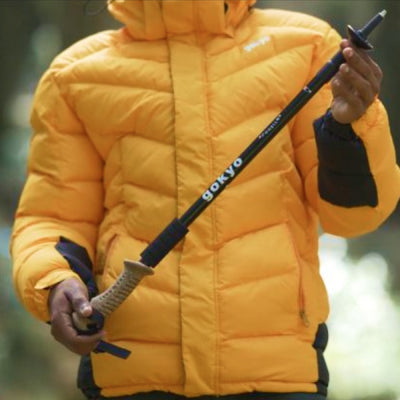
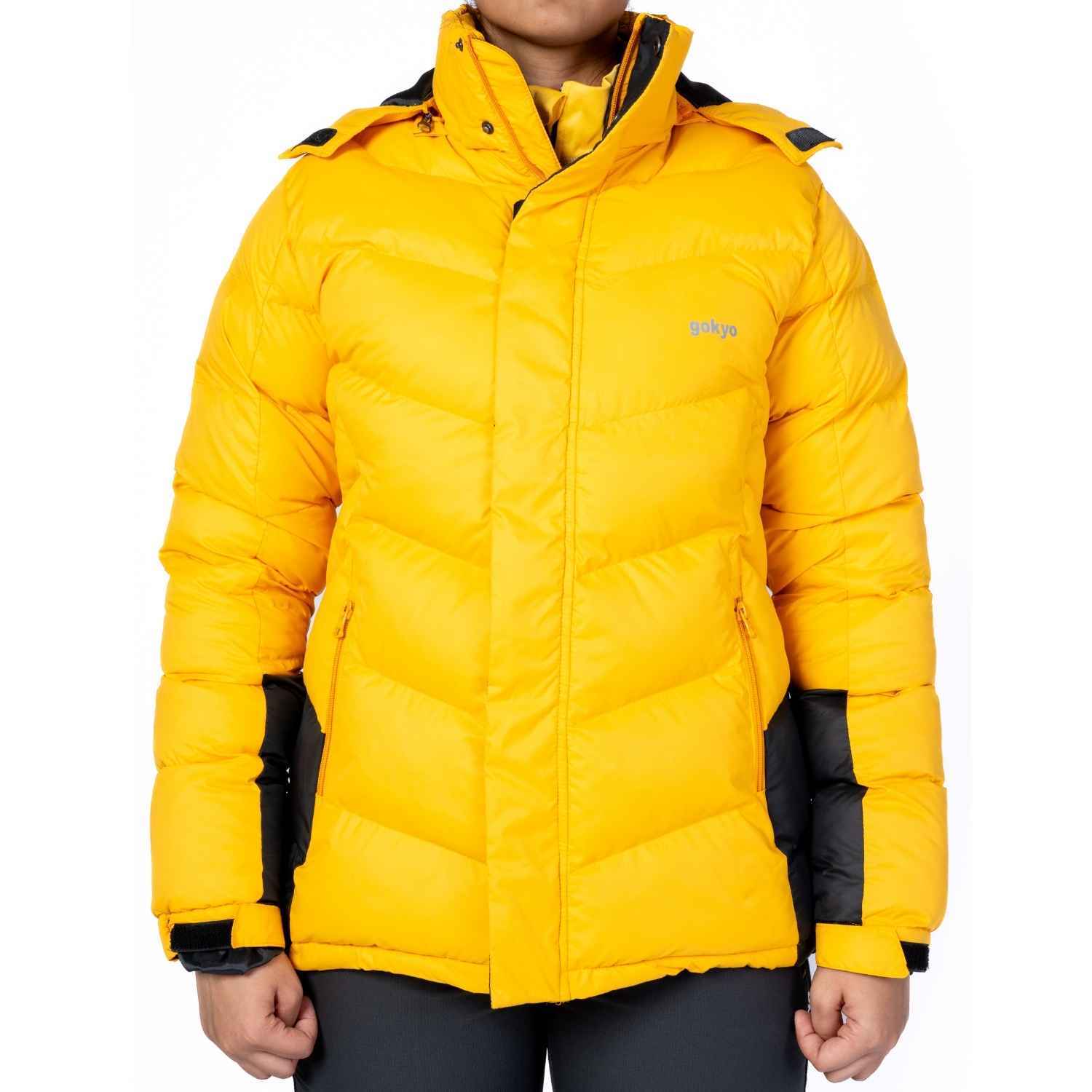
A warm sleeping system, insulated layers, gloves, and a suitable down jacket can make a substantial difference to comfort.
Better Photography Opportunities
Clearer mountain views, lush post-monsoon vegetation, and golden autumn light create excellent opportunities for photography.
Early mornings are often particularly rewarding for mountain panoramas, although visibility is never guaranteed.
6. What to Pack for Trekking in Nepal in October
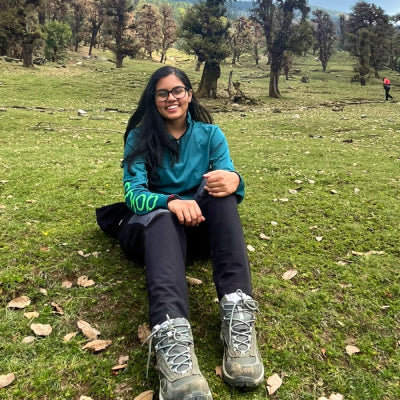
Packing appropriately for Nepal trekking in October means preparing for warm walking conditions, cold nights, and unpredictable mountain weather.
Rather than packing exclusively for one temperature, choose clothing and equipment that can be layered according to altitude and changing conditions.
Essential trekking gear checklist:
- Moisture-wicking base layers for comfortable walking.
- Fleece or insulated mid-layers for colder conditions.
- A waterproof and wind-resistant outer jacket.
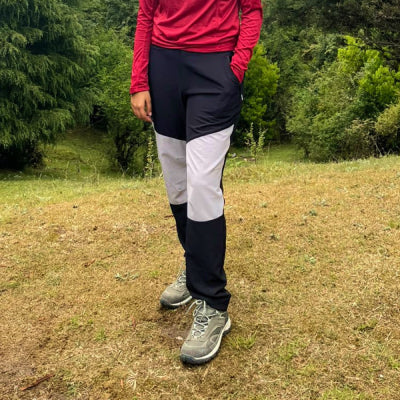
- Warm trousers and thermal layers for high-altitude nights.
- Broken-in trekking boots with good traction.
- Wool or synthetic trekking socks.
- Gloves, a warm hat, and sun protection.
- A comfortable backpack with a waterproof cover.
- A headlamp, reusable water bottle, and personal first-aid supplies.
- Sunglasses and high-SPF sunscreen for strong mountain sunlight.
A suitable sleeping bag may also be necessary, depending on the route, altitude, accommodation, and expected temperatures.
For high-altitude treks, packing should account for both comfort and safety. Check the expected conditions for your specific itinerary before finalising your gear.
7. Essential Tips for October Trekking in Nepal
A successful Himalayan trek requires more than favourable weather. Good planning, appropriate equipment, and awareness of altitude are equally important.
Book Accommodation and Transport Early
October is a peak trekking month, so transport, guides, and accommodation on popular routes may experience high demand.
Book essential arrangements in advance where possible, particularly if your itinerary follows a fixed schedule.
Acclimatise Properly
Altitude sickness can affect trekkers regardless of their fitness level. Plan a gradual ascent, include appropriate acclimatisation days, and avoid rushing to higher elevations.
Recognise symptoms such as headaches, nausea, dizziness, and unusual fatigue. If symptoms worsen, stop ascending and seek appropriate medical advice. Severe symptoms require immediate descent and emergency assistance.
Check Local Weather and Trail Updates
Post-monsoon conditions can still include landslides, damaged trails, snow at higher elevations, or sudden changes in mountain weather.
Check current forecasts and local guidance before departure and throughout the trek.
Prepare for Crowded Trails
Popular trekking routes can become busy in October. Starting early, maintaining a flexible itinerary, and planning overnight stops carefully can help you enjoy the experience.
Choose the Right Trek for Your Experience
Not every October trek is suitable for every traveller. Consider the total distance, daily elevation gain, maximum altitude, duration, and availability of support before choosing a route.
For restricted or regulated trekking regions, verify the latest permit and guide requirements through official or authorised sources.
8. Why October Is One of the Best Months for Himalayan Adventures
October combines several characteristics that make it particularly attractive for trekking in Nepal.
The landscape remains refreshed by the monsoon, mountain visibility often improves, and many established trekking routes experience favourable conditions. The month also offers opportunities to experience Nepal's mountain culture, local villages, and dramatic Himalayan scenery.
From the legendary trails of the Everest region to the varied landscapes of the Annapurna Circuit and the quieter valleys of Langtang, October provides options for different trekking styles and experience levels.
However, the best trekking month ultimately depends on your destination, altitude, weather tolerance, and travel preferences. October is popular for good reasons, but conditions should always be assessed route by route.
9. Final Thoughts
Nepal trekking in October offers an opportunity to experience the Himalayas after the transformative monsoon season. Clearer skies, greener landscapes, improving trail conditions, and expansive mountain views make autumn an appealing time for adventure seekers.
Whether you are planning the Everest Base Camp trek, the Annapurna Circuit, the Langtang Valley trek, or the Manaslu Circuit, understanding post-monsoon conditions can help you prepare for a more enjoyable journey.
The key is to plan thoughtfully, pack for changing temperatures, allow time for acclimatisation, and stay informed about local weather and trail conditions.
For trekkers looking to experience Nepal's spectacular mountain landscapes, October can be an excellent starting point for a memorable Himalayan adventure.
Choose your route carefully, respect the mountains, and prepare for the unexpected. The best trekking experiences come from combining adventure with responsible planning.
← View Previous Blog:
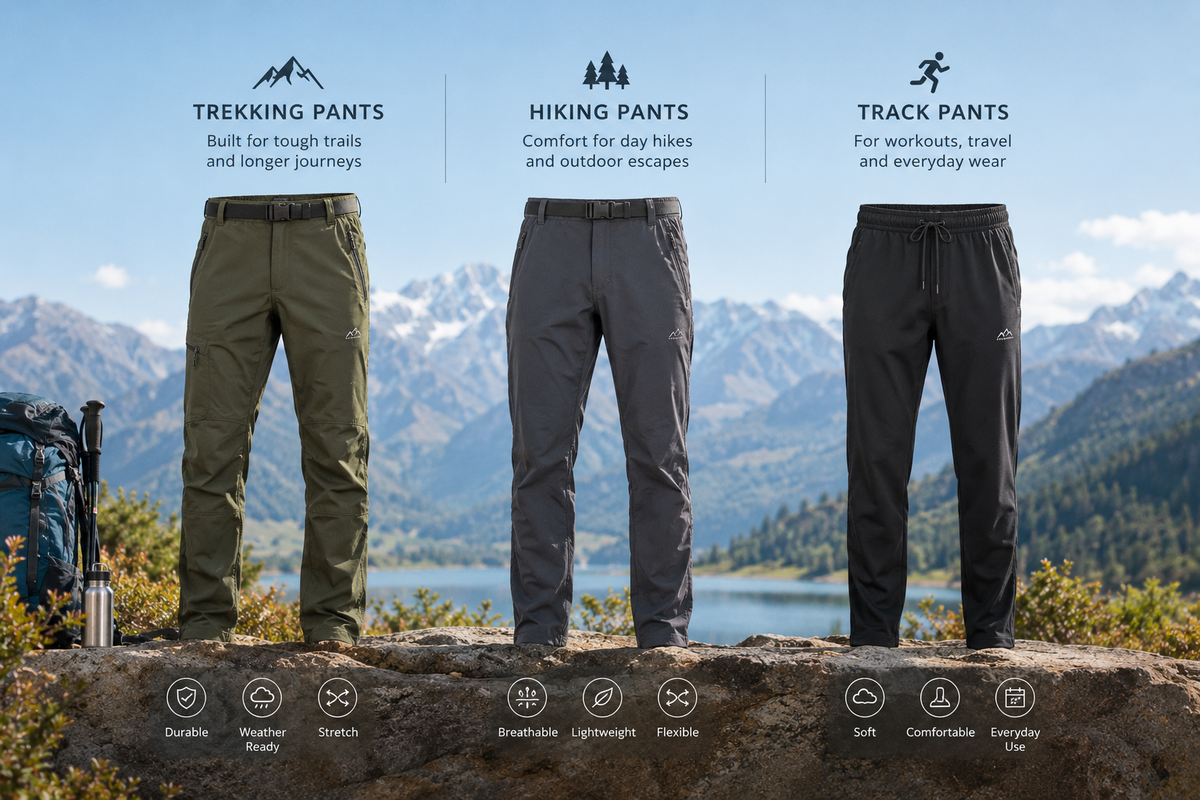
 Trekking Pants vs Hiking Pants vs Track Pants: Which Should You Choose?
View Next Blog: →
 6 Outdoor Adventures in India to Plan This October