Travel Before Time Slips Away: Stunning Winter Treks for First-Timers
There’s a strange way time speeds up when you’re busy building a life. One day you’re saying, “Maybe next winter,” and before you realise it, years have passed. Work settles in. Responsibilities grow roots. And the version of you who once dreamed about snow-covered trails and quiet mountain mornings gets pushed further into the background.
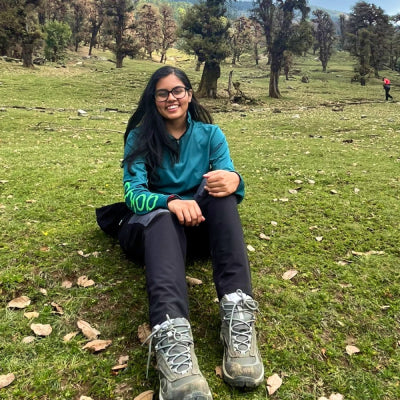
Winter treks have a way of interrupting that cycle. They’re not about chasing thrill or proving endurance. For first-timers especially, winter trekking is about choosing experience over excuses. About deciding that waiting for the “perfect moment” often means waiting forever.
And when you finally step into the mountains — cold air filling your lungs, silence replacing constant noise — you understand why people keep returning.
Why Winter Treks Are Perfect for Beginners
There’s a misconception that winter treks are only for seasoned adventurers. In reality, many winter routes are gentler, quieter, and more forgiving than popular summer trails.
Snow softens the landscape. Foot traffic is lower. The pace naturally slows. You’re not racing anyone — you’re simply moving forward, step by step.
For first-timers, that slower rhythm is a gift. It gives you time to notice what’s around you. Time to pause. Time to listen to your body. The mountains in winter don’t demand speed. They reward presence.
Packing With Care, Not Panic


If you’ve never trekked in winter before, packing can feel intimidating. The secret is understanding that comfort matters more than quantity.
Well-structured trekking bags make all the difference when you’re walking for hours. You don’t want weight pulling you backward or straps digging into your shoulders. Everything should sit where it belongs — close, balanced, and easy to access.
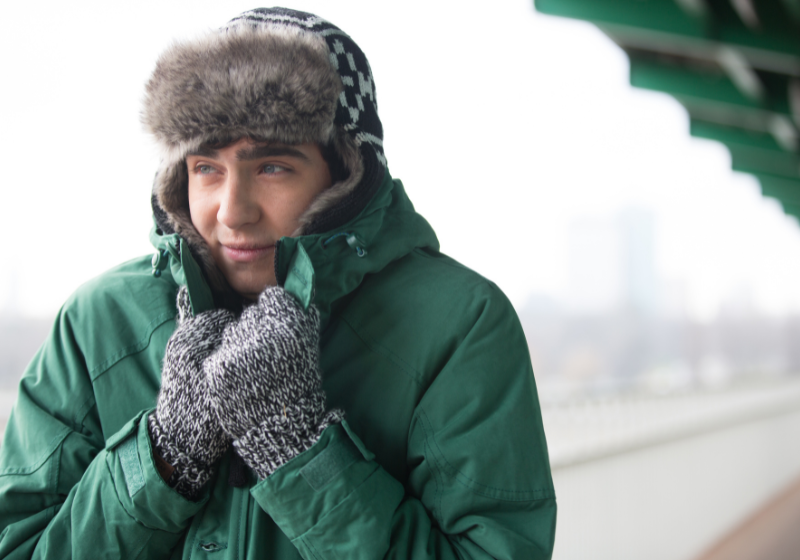
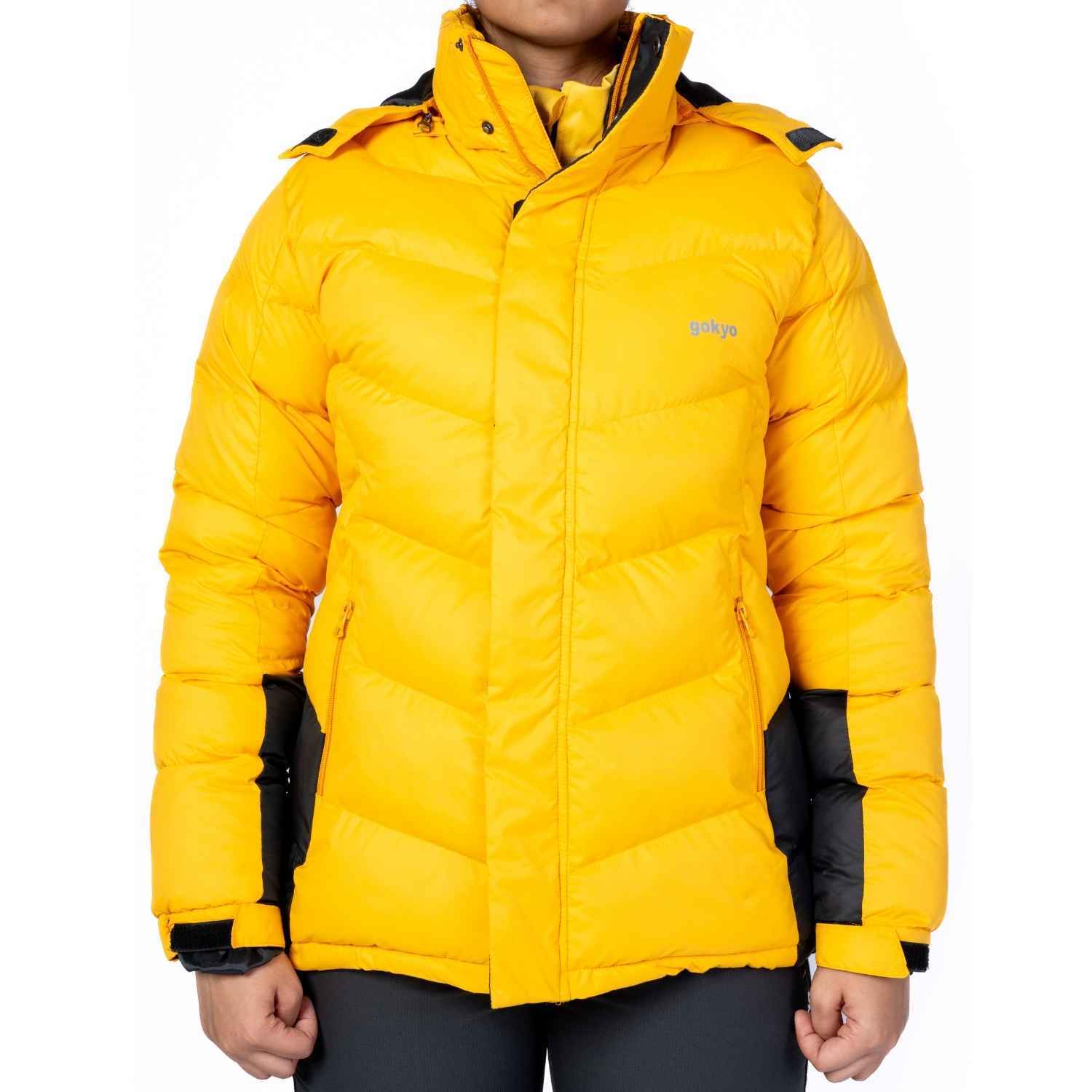
Cold protection comes next. Insulated winter jackets help trap warmth without restricting movement, while a dependable puffer jacket becomes your best friend during rest breaks and chilly evenings.
This isn’t about over-preparing. It’s about preparing smartly.
Stability Builds Confidence


The steady feeling you get while hiking during the winter months provides a great sense of confidence while on a trail.
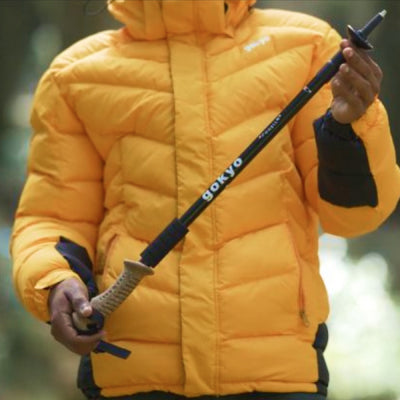
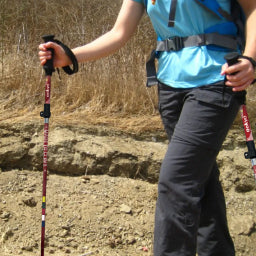
Trekking poles are going to be your best friends and companions during winter hiking since they will help to keep you upright in really slippery places like ice, as well as to lighten your knees by distributing the weight.
Though many people may not think about the importance of hydration during winter months, staying hydrated is as important in the cold season as it is in hot weather. Using insulated water bottles ensures you’re drinking water — not ice — when your body needs it.
These changes may seem small, but their effect is noticeable throughout your hiking experience.
You Will Remember This Hike with Your Feet


If you ask anyone who has ever hiked, they’ll tell you — the day is ruled by your feet.
Reliable trekking shoes protect your feet from uneven terrain and give you the confidence to walk without constantly fearing a slip or twisted ankle. When you trust your shoes, your mind relaxes.
Your hands deserve the same care. Insulated gloves protect fingers from biting cold, while hand warmers add comfort during breaks or early mornings.
These details might seem minor while packing — but on the trail, they matter more than you expect.
Warmth Starts From the Inside


Winter comfort is built in layers, not bulk.
Soft, breathable thermal for men creates a base that keeps body heat steady without overheating. Lightweight fleece jackets add insulation while allowing flexibility — ideal for both trekking and downtime.
When layered right, you stop fighting the cold and start enjoying the environment. You can walk further, rest longer, and truly slow down.
Designed for Real People, Real Conditions
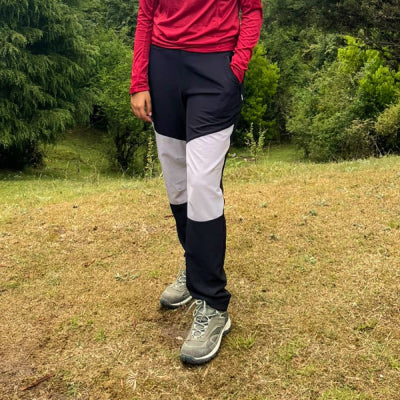
What makes Gokyo Outdoor Clothing & Gear stand out is its understanding of real-world trekking — not just ideal conditions.
The designs feel practical, not intimidating. Every piece feels made for people learning as they go — prepared, but never overwhelmed.
You’re not dressing up as a trekker. You’re becoming one, naturally.
The Quiet Lessons Winter Treks Teach You
Somewhere between your first snowy ascent and your last cup of tea before sunset, something shifts.
You learn patience. Awareness. Contentment. Winter treks remind you that life doesn’t need to be loud to be meaningful.
And when you return home, the mountains stay with you — not as photos, but as perspective.
Frequently Asked Questions
1) Will a first-time trekker have a safe experience on a winter trek?
Yes, beginner-friendly winter routes are safe when approached with suitable gear and a steady pace.
2) How cold can winter treks get?
Temperatures fluctuate between early mornings and daytime activity, making layering essential.
3) What footwear is best for winter treks?
Insulated shoes with strong grip provide comfort and stability on snowy ground.
4) How do I stay warm during breaks?
Layer clothing properly and use insulating accessories to conserve body heat.
5) Is hydration important in winter?
Yes. Cold reduces thirst, so regular hydration is necessary.
6) Why try winter trekking early in life?
It builds confidence, perspective, and meaningful memories before responsibilities grow heavier.
Time has a quiet way of slipping past us. But winter treks slow it down — just enough to remind you what presence feels like.
← View Previous Blog:
 Why Most People Feel Colder on Treks Even After Wearing Multiple Layers