Why Most People Feel Colder on Treks Even After Wearing Multiple Layers
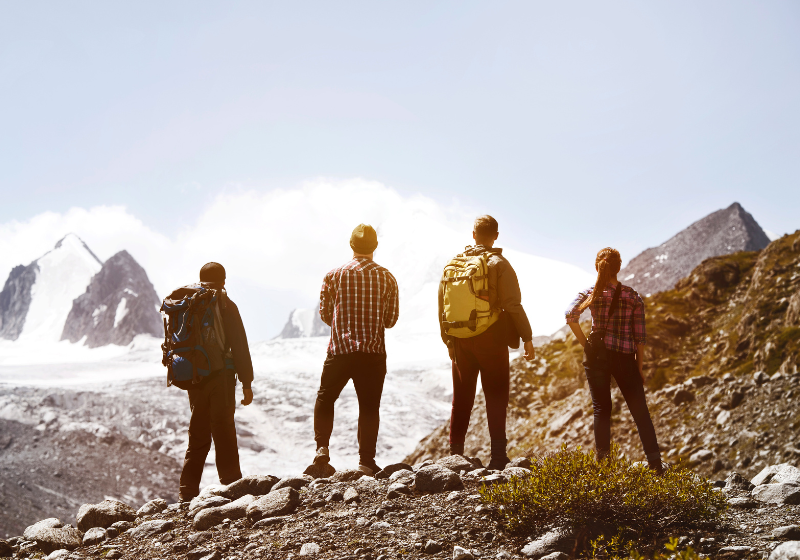
You are now on a hike that you have been dreaming about for several months. The scenery is surreal, the path is deserted, and the atmosphere is sharp and invigorating. You have already dressed in layers: thermals, fleece, a jacket, and a beanie, the complete list.
But still… you are freezing.
Not the cold of a drama or a cold of a movie.
That sly one.
The one that gets to your fingers, makes your shoulders hard, and turns each break into a longer one than necessary.
In case you have ever asked yourself why in the world you still feel cold during a hike after putting on so many layers, the coldness is not at all due to lack of clothes in your backpack. It is because people generally misunderstand the very nature of warmth in outdoor situations.
Let's unravel it, no complicated terms, no horror scenarios, and just practical trekking common sense.
Cold Isn’t About Temperature. It’s About Heat Loss.
On a trek, your body is constantly fighting to retain the heat it generates. Cold weather doesn’t just “make you cold.”
It steals heat, through wind, moisture, poor insulation, and exposed skin.
Most trekkers focus on adding layers.
Experienced trekkers focus on reducing heat escape.
That difference changes everything.
Mistake #1: Your Base Layer Isn’t Doing Its Job
Your base layer is not about thickness. It’s about moisture management.
When you walk uphill, your body sweats, even in snow. If that sweat sits on your skin, it cools down fast. That’s when the chill starts.
Good base layer thermals pull sweat away from your skin so it can evaporate outward. The problem?
Many people wear cotton or casual innerwear thinking “it feels warm enough.”
Cotton holds moisture.
Moisture kills warmth.
For men especially, choosing proper thermals for men designed for trekking (not lounging) makes a massive difference in how warm you feel throughout the day, not just at the start.
Thermals for Men


Mistake #2: Too Many Mid-Layers, Not Enough Logic
There’s a myth that more layers = more warmth.
In reality, poor layering can trap cold air instead of heat.
Your mid-layer’s job is insulation. This is where fleece jackets shine—not because they’re bulky, but because they trap warm air while still allowing moisture to move out.
Stacking random sweaters, hoodies, or fashion jackets often creates compression. Once insulation is compressed, it stops insulating.
Think: warm air pockets, not weight.
Fleece Jackets


Mistake #3: Your Outer Layer Is Letting Wind Win
Wind is the biggest thief of body heat on a trek.
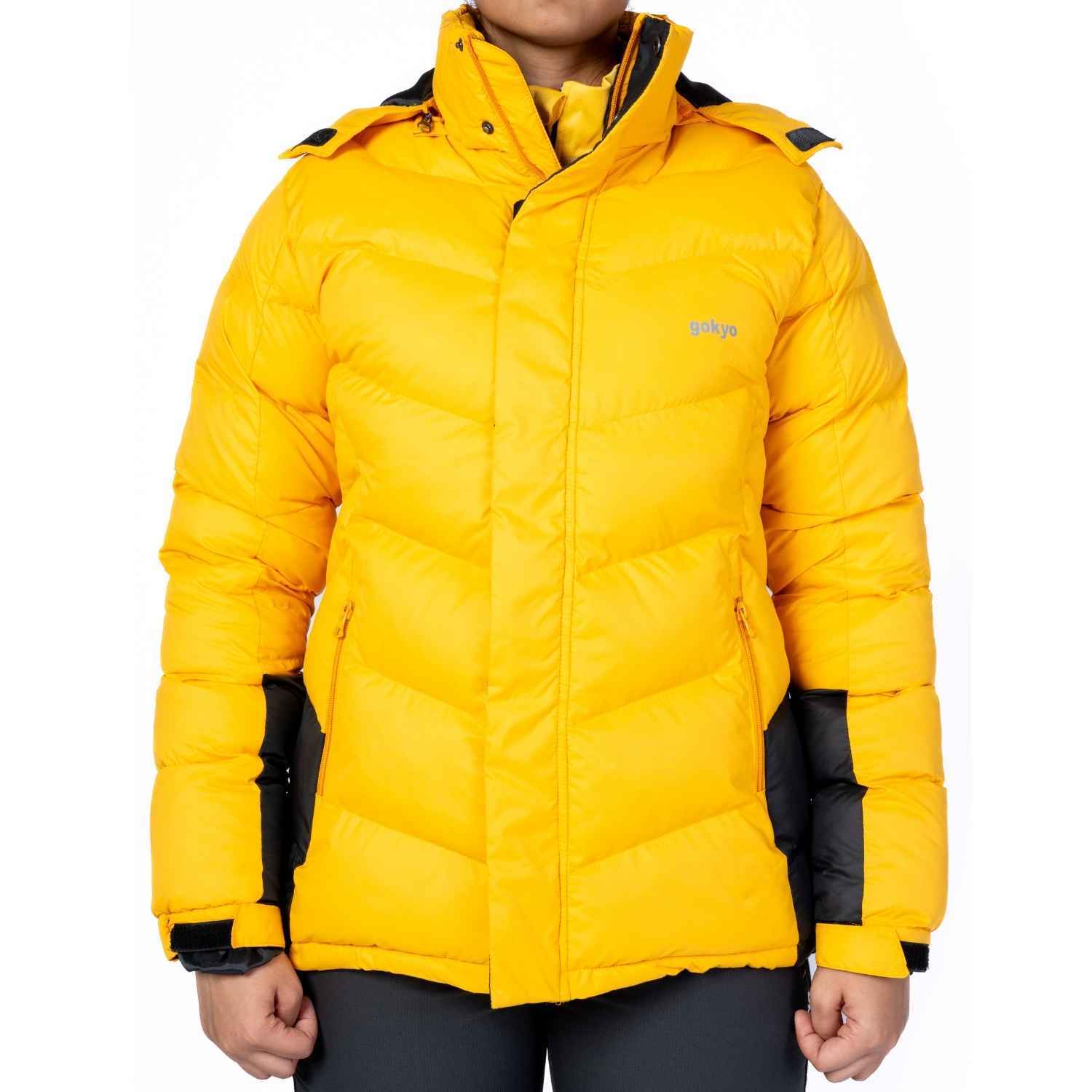
You could be wearing a premium down jacket, but if wind cuts through it, warmth disappears fast. That’s why your outer shell matters just as much as what’s underneath.
A proper windcheater for men blocks airflow while allowing breathability. Many trekkers skip this layer or wear something stylish but porous—and end up cold even in “good” jackets for men.
The lesson?
Insulation without wind protection is incomplete.
Mistake #4: Cold Starts From the Ground Up
Your feet regulate more warmth than you think.
If your shoes for trek aren’t insulated or waterproof enough, cold travels upward. The same goes for thin socks. High-quality trekking socks aren’t about padding—they’re about temperature control and moisture balance.
Add to that icy patches where crampons are needed, and suddenly foot fatigue turns into full-body chill.
Cold feet = cold trek. Always.
Windcheaters & Jackets


Mistake #5: You’re Losing Heat During Breaks
Most people dress for movement, not for pauses.
You stop to hydrate. You slow down for photos. You rest at camp. That’s when your body stops producing heat—but the environment doesn’t stop taking it.
This is where quick-access warmth matters:
- A thermos flasks filled with something hot
- Winter gloves you can put on instantly
- Beanies that cover your ears fully
Mistake #6: Sun, Wind & Altitude Are Playing Tricks on You
At high altitudes, sunlight feels warm—but the air is thin. UV exposure is higher, which is why sunscreen and sunglasses are essentials even in snow. Chapped lips and dry skin don’t just hurt—they accelerate heat loss, making lip balm a functional item, not a cosmetic one.
Your body is under stress, burning more calories than usual. Without proper protein food supplements or calorie-dense snacks, your internal heat production drops.
Cold isn’t always about clothing.
Sometimes, it’s about fuel.
Travel Bags, Trekking Poles & Winter Accessories
{{ featured_products_4 }}
The Gear That Actually Makes a Difference
Treks demand functional systems, not random shopping lists. This is where well-designed outdoor gear matters.
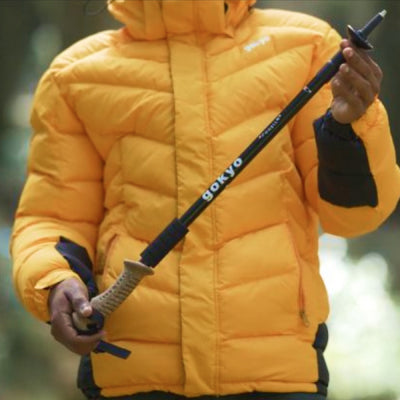
From balanced travel bags that don’t strain your posture, to trekking poles that reduce fatigue and keep circulation steady, everything you carry affects how warm you feel.
At Gokyo Outdoor Clothing & Gear, the focus is on real conditions—wind, altitude, moisture, and long hours—not just how something looks on a product page.
Good gear doesn’t just keep you warm.
It keeps you consistent.
Warmth Is a Strategy, Not a Stack
Feeling cold on a trek isn’t a failure. It’s feedback.
It tells you:
- Where heat is escaping
- Which layer isn’t working
- What your body needs more of
Once you stop chasing “more layers” and start building a layering system, treks become more comfortable, safer, and far more enjoyable.
Because the goal isn’t to survive the cold.
It’s to forget about it entirely.
FAQs
1. Why do I feel colder after I stop walking on a trek?
Because your body stops generating heat, but wind and moisture continue pulling heat away. This is why quick insulation during breaks is crucial.
2. Are bulky jackets always warmer for treks?
No. Warmth depends on insulation quality, fit, and wind protection—not bulk.
3. Can dehydration make me feel colder?
Yes. Dehydration reduces circulation efficiency, making it harder for your body to regulate temperature.
4. Do gloves and beanies really matter that much?
Absolutely. A large percentage of body heat escapes from the head and extremities.
5. Is sweating bad during cold treks?
Sweating itself isn’t bad—trapped moisture is. Proper layering helps manage it.
6. How do I know if my layering system is wrong?
If you feel cold despite moving, or sweaty but chilled during breaks, your layers aren’t working together.
← View Previous Blog:
 January Is the Calmest Time to Visit the Mountains — Here’s Where to Go
View Next Blog: →
 Travel Before Time Slips Away: Stunning Winter Treks for First-Timers