Cold Places to Visit in February for First-Time Snow Travelers
February has a way of slowing everything down.
The air feels cleaner. Sounds travel farther. Your breath turns visible. The moment you walk through snow which crunches beneath your boots and see the distant peaks bathed in pale winter sunlight, you understand this trip has transformed into an experiential journey.
First-time snow travelers to India during February can experience uncommon scenery which remains unspoiled and shows less crowded conditions than peak winter times and provides just enough winter weather to create a magical atmosphere without becoming too intense. The perfect time to experience snow for the first time occurs during this month when people prepare correctly.
Snow requires people to pack their belongings carefully because it does not allow for mistakes.
It rewards intention.
Why February Is a Sweet Spot for Snow Travel
January often brings crowds and peak winter chaos. By February, things settle. Snow is still thick in the mountains, but trails become more walkable, skies clearer, and destinations calmer. Places like Auli, Gulmarg, Pahalgam, Solang Valley, and parts of Uttarakhand feel almost meditative this time of year.
But while February snow looks soft and inviting, it demands respect.
Temperature changes quickly. Wind sneaks in when you least expect it. Sunburn happens faster at altitude. And your body works harder than you realize just moving through snow.
That’s where thoughtful layering and smart gear—like systems from Gokyo Outdoor Clothing & Gear—quietly shape your entire journey.
Start Where Warmth Really Begins
Every snow story begins at your skin.
Good base layer thermals don’t announce themselves. They simply keep you dry while walking and warm when you pause. The climbing process requires climbers to sweat more than most beginners estimate which creates a need for proper thermal clothing selection by male and female climbers.
You will appreciate your base layer temperature control system which maintains its effectiveness during the late afternoon period when shadows become long and temperatures decrease.
The breathable mid-layers which require less material to provide their essential function perform better than the fundamental base layer. The lightweight fleece jacket system retains body heat while permitting heat to escape which enables you to maintain body temperature during your ongoing activities.
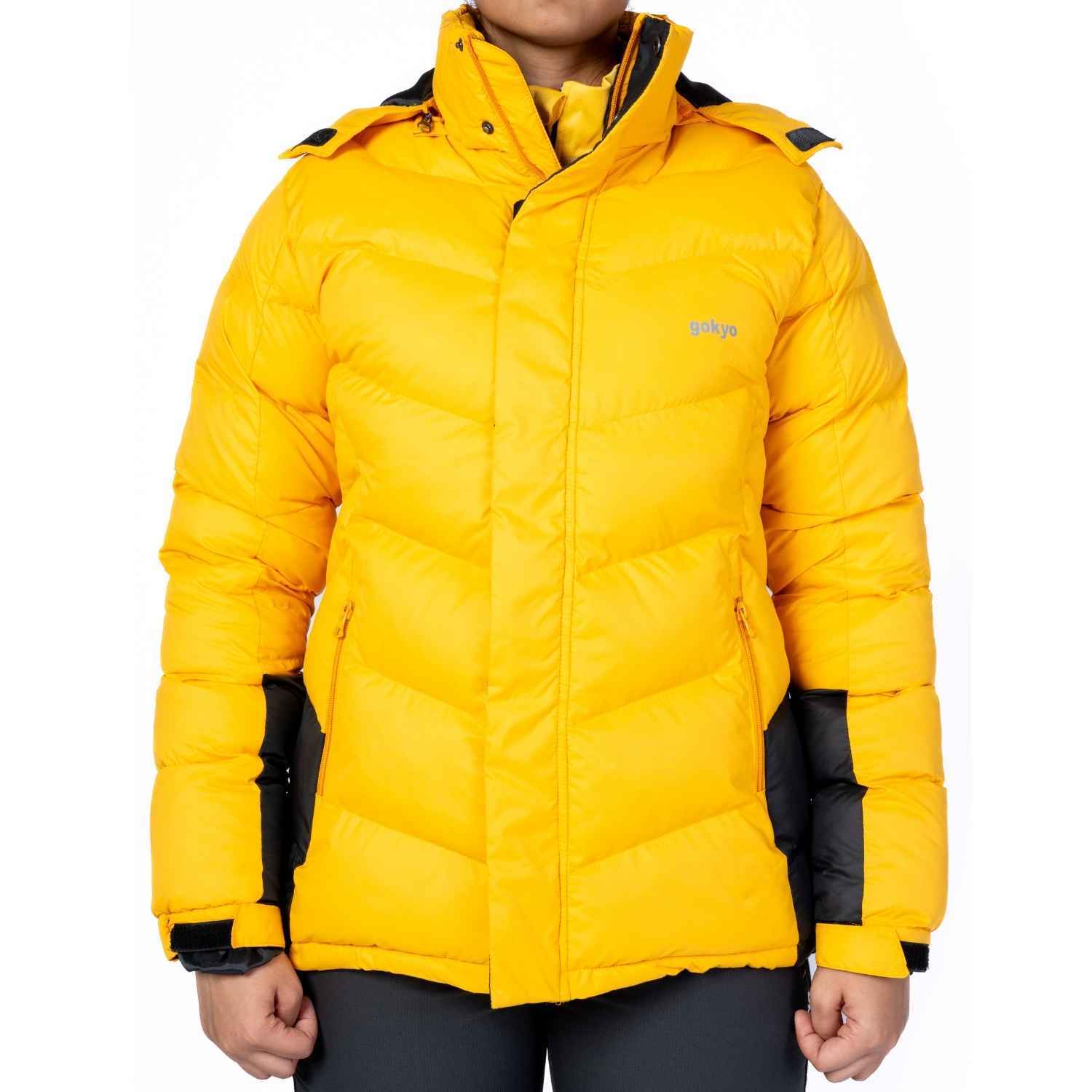
The best way to experience the evening is through wearing a lightweight down jacket which operates as a portable cocoon that does not increase your backpack weight.
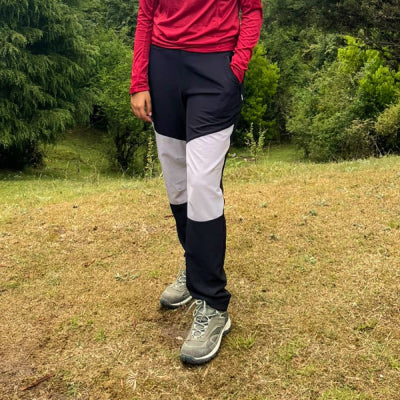
Outer shells complete the system. Flexible jackets for men designed for motion, paired with a breathable windcheater for men, protect you from sharp gusts while allowing moisture to leave—an underrated combination on snowy trails.
You don’t wear these pieces for photos.
You wear them for endurance.
Warmth Starts at the Skin: Thermals That Handle Snow Days


Destinations That Welcome First-Timers
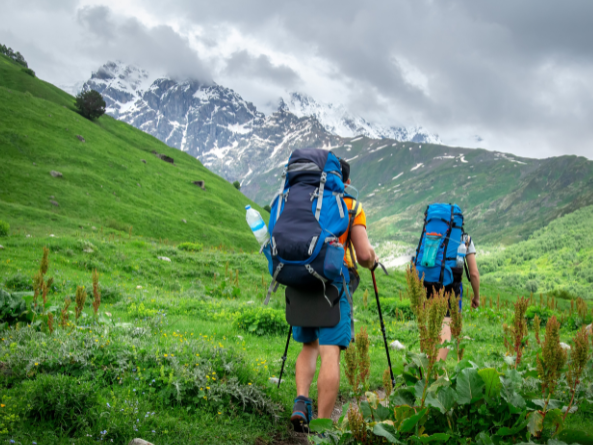
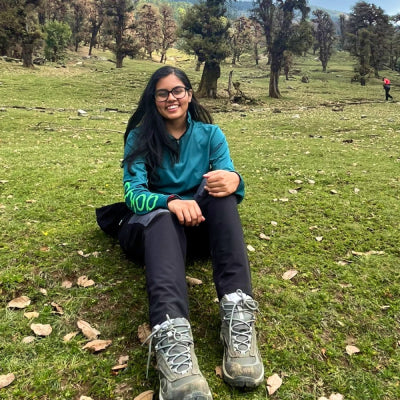
Auli feels like stepping into a postcard—gentle slopes, pine forests, and wide Himalayan views that don’t demand technical skill. Gulmarg offers vast snowy meadows and peaceful walks between towering peaks. Pahalgam blends rivers, forests, and alpine silence. Solang Valley mixes adventure with accessibility.
Each place invites beginners in its own way.
But no destination works without the right foundation underfoot.
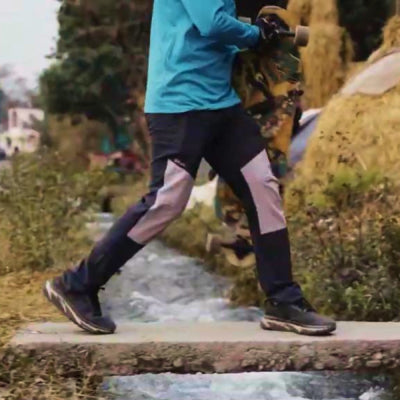
Proper shoes for trek change everything. They grip when snow hides rocks, stabilize your stride, and prevent that constant mental calculation of where to place your next step. On icier sections, crampons transform slippery fear into steady confidence.
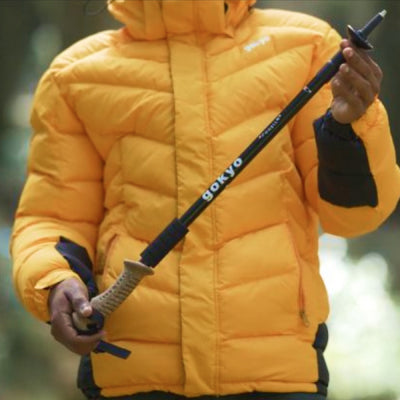
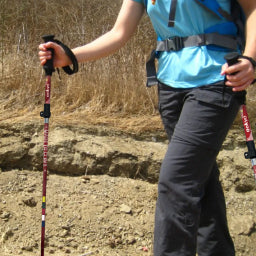
Add trekking poles, and suddenly your knees feel lighter, balance improves, and long walks stop draining your energy.
It’s amazing how quickly movement becomes natural when your body trusts the ground.
Carry Less Stress on Your Back
Snow travel teaches you one thing fast: bad backpacks wait before they hurt.
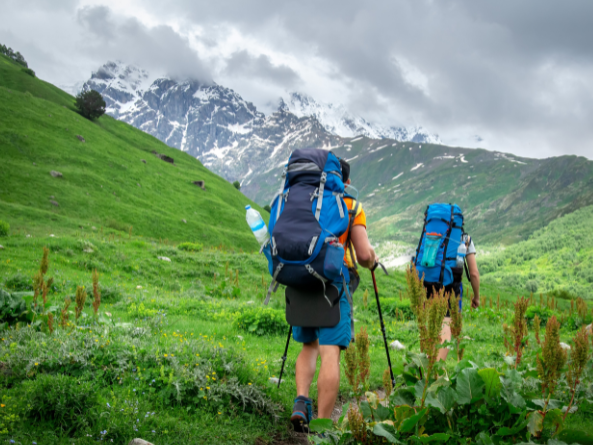
Ill-fitting travel bags slowly pull your posture out of alignment. Shoulders tense. Breathing shortens. Fatigue arrives early. A balanced pack, on the other hand, keeps weight close to your body and preserves energy you’ll need later.
Inside that pack live the quiet heroes.
Warm trekking socks prevent moisture buildup where blisters love to start. Proper winter gloves keep fingers flexible enough to zip jackets or adjust straps without exposing skin to biting cold.
A sip from thermos flasks does more than warm your hands—it steadies your core temperature during long pauses.
Sun at altitude is deceptive, even in freezing weather. Sunscreen protects stressed skin, while lip balm saves you from painful cracks that sneak up overnight.
Simple beanies prevent heat loss during breaks. Good sunglasses reduce glare fatigue that quietly drains your focus on bright snowfields.
And when long days begin to wear on you, protein food supplements help maintain steady energy without weighing down your bag.
None of these items feel dramatic.
All of them matter.
The Layer That Does the Heavy Lifting While You Walk


Snow Is Physical, But It’s Also Mental
First-time snow travelers often think cold will be their biggest challenge.
It usually isn’t.
The real test is rhythm.
Snow walking burns calories faster. Your body constantly adjusts to uneven terrain. Every layer you wear affects how efficiently you move. Without enough fuel or proper breathability, fatigue creeps in quietly.
That’s why smart layering systems—like those designed by Gokyo Outdoor Clothing & Gear—focus on how clothing behaves over hours, not minutes. Their approach isn’t about fashion. It’s about keeping your body regulated while the environment keeps changing.
When your inner layers stay dry, your fleece adapts to movement, and your outer shell blocks wind without trapping sweat, something shifts.
You stop fighting the trail.
You start flowing with it.
What February Teaches You About Travel
Snow slows conversations. It deepens silence. It makes small comforts feel extraordinary—warm tea, shared snacks, the sound of boots on powder.
February treks aren’t about conquering mountains.
They’re about noticing details.
The way frost patterns form on tree bark. How sunlight bends across frozen streams. How strangers become friends over steaming cups from a thermos.
With the right preparation, cold stops being something you endure.
It becomes part of the beauty.
So if February is calling you toward white valleys and quiet peaks, answer with intention. Pack thoughtfully. Layer intelligently. Respect the terrain. And let your gear support your journey rather than compete with it.
Because your first snow trip shouldn’t feel like survival.
It should feel like discovery.
Light on the Back, Easy on the Body: Packs That Don’t Drain Energy


FAQS
-
Is February good for first-time snow travelers?
The snow maintains its beautiful appearance during February because there are fewer people present which creates a peaceful environment that helps visitors to winter climates.
-
How should beginners dress for February snow?
The best way to dress for snow in February starts with wearing thermal base layers which you should combine with a middle warm layer and finish with windproof outerwear that lets you adjust to changing weather conditions.
-
Are special shoes really necessary?
The answer is yes. Snow trekking shoes provide better traction on snowy surfaces which enables you to walk securely on both icy and uneven terrain.
-
What small items make the biggest difference?
The items gloves caps sunscreen lip balm and a thermos appear to be unimportant but they provide essential benefits which increase comfort during cold weather.
-
Any advice for enjoying snow travel more?
The travel experience requires you to move at a slow pace while taking breaks and drinking water and allowing winter weather to determine your travel speed because this method leads to a better experience than actual physical work.
← View Previous Blog:
 Why Cold Fingers Reduce Grip Strength on Treks (And How to Keep Your Hands Trail-Ready)
View Next Blog: →
 How to Dress for Long Walking Hours Without Freezing at Rest Stops