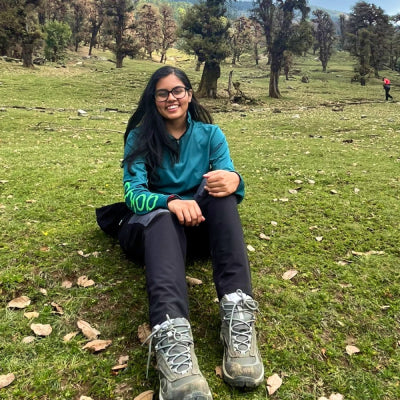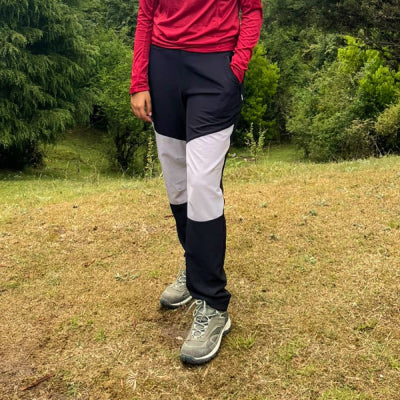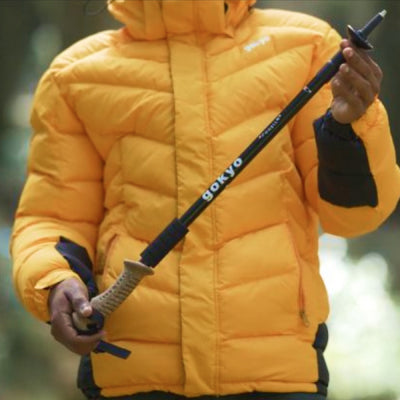
How to Dress for Long Walking Hours Without Freezing at Rest Stops
If you’ve ever gone on a long trek, you already know this strange feeling.
While you’re walking, everything feels fine. Your body is warm, your pace is steady, and you barely notice the cold air brushing past your cheeks.
Then you stop.
Suddenly, the chill sneaks in. Your fingers feel stiff. Your back cools down. Even your legs start questioning their life choices.
Rest stops can feel colder than the trail itself — and that’s exactly where most people get their layering wrong.
Seasoned hikers and mountain guides understand one simple truth: staying warm isn’t about piling on heavy clothing. It’s about dressing in a way that supports movement and recovery.
Let’s talk about how to dress smart for long walking hours — and still feel comfortable when it’s time to pause, breathe, snack, and soak in the view with Gokyo Outdoor Clothing & Gear.
Why Rest Stops Feel So Much Colder
When you’re moving, your body generates heat naturally. Blood circulation increases, muscles stay active, and warmth spreads throughout your system.
The moment you stop, all of that slows down.
Sweat starts cooling on your skin. Wind finds its way into small gaps. Your body switches from “motion mode” to “conservation mode.” That’s when the cold hits hardest.
This is why experienced trekkers don’t dress just for walking — they dress for stopping too.
Start With a Base That Actually Works
Your comfort begins with what touches your skin.
A proper base layer helps regulate temperature and manages moisture so sweat doesn’t sit there waiting to turn icy. Many long-distance walkers rely on thermals for men that feel light but hold warmth close to the body.
The best part? You forget they’re even there.
They stretch when you climb, breathe when you sweat, and quietly protect you when the wind picks up. This invisible support makes every layer above work better.
Start Close to Skin: Base Layers That Regulate Heat All Day


The Middle Layer: Your Personal Climate Controller
Think of your mid layer as your temperature dial.
This is usually where a dependable fleece jacket comes in. It traps warmth without adding weight and allows airflow so you don’t feel stuffy while walking uphill.
On long trails, this layer becomes your best friend. You zip it up during breaks. Open it while climbing. Slide it off when the sun comes out. Put it back on when clouds roll in.
It’s flexible, forgiving, and incredibly practical — exactly what you need on days that stretch for hours.
Your Temperature Dial: Mid Layers That Adapt as You Move


Wind Happens. Be Ready.
Even on clear days, wind can arrive without warning — especially on open ridges or wide valleys.
That’s why seasoned walkers always keep a windcheater for men folded neatly in their pack. It doesn’t take up space, but it blocks sudden gusts that steal warmth from your body.
It’s not about insulation here. It’s about protection.
Pull it on during breezy rest stops or exposed stretches, and you’ll instantly feel the difference.
Small Add-Ons That Make a Huge Difference
It’s often the smallest pieces that save your comfort.
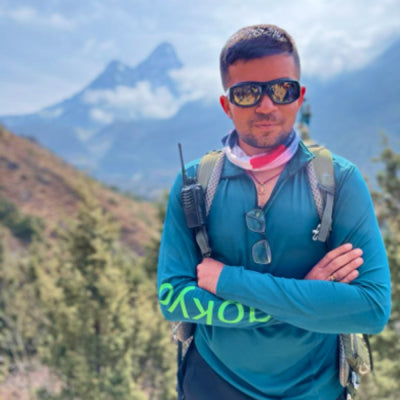
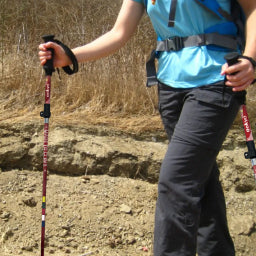
A pair of winter gloves keeps your hands warm while holding trekking poles or sipping hot drinks. A simple set of caps prevents heat from escaping through your head — something many people underestimate until they feel the chill creeping in.
These accessories don’t just fight cold. They help preserve energy. When your body isn’t struggling to stay warm, you walk farther, rest better, and enjoy the journey more.
Your Feet Carry Everything
No matter how perfect your layers are, uncomfortable feet can ruin any trek.
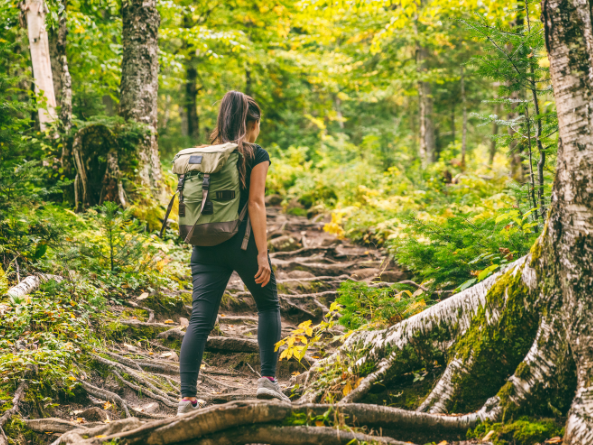
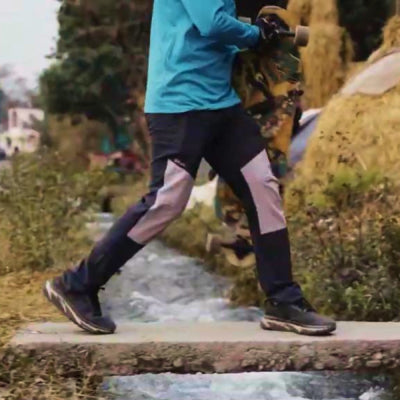
Reliable shoes for trek provide grip, stability, and support through uneven terrain and long distances. They protect ankles, cushion impact, and prevent fatigue from creeping up too soon.
Equally important are well-organized travel bags. They hold spare layers, snacks, hydration, and essentials so everything you need at rest stops is within easy reach.
Good packing isn’t about carrying more. It’s about carrying smarter.
Warmth From the Inside Counts Too
Here’s a secret many beginners miss: external layers aren’t enough on their own.
Most experienced hikers carry a thermos flask filled with tea, soup, or warm water. That mid-break sip can instantly revive tired muscles, lift your mood, and bring warmth back from the inside.
It’s comfort you can drink — especially welcome during windy lunch breaks or shaded rest points.
Your Outer Layer Is Not the Star
Many people assume their jacket does all the work.
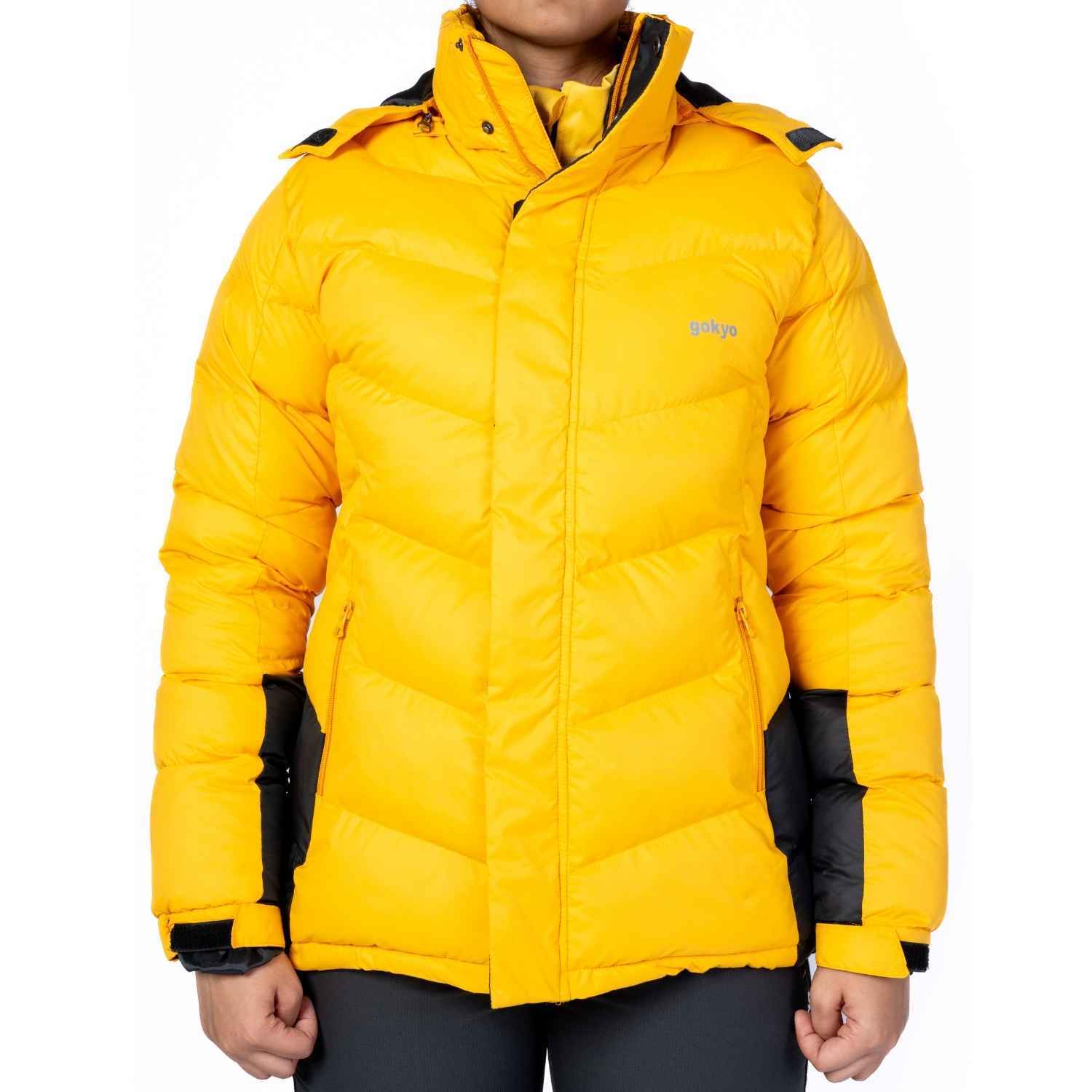
In reality, your outer layer simply protects everything underneath. It blocks wind, repels light rain, and keeps snow at bay. That’s why breathable jackets for men matter — they shield you without trapping moisture.
The real temperature regulation happens through your layers.
Once you understand this balance, long walking hours feel far less exhausting.
Block the Breeze: Lightweight Protection for Windy Pauses

Why Smart Walkers Choose Function Over Fashion
On long trails, performance always beats appearance.
Seasoned trekkers look for clothing that dries quickly, packs easily, and adapts to changing weather. They choose pieces that work together, not compete for space.
That’s why many outdoor enthusiasts trust Gokyo Outdoor Clothing & Gear — practical designs built for real movement, not just good photos.
Each layer plays a role. Each item earns its place.
It’s not about looking tough. It’s about feeling capable.
Bringing It All Together on the Trail
Morning starts cool. Afternoon warms up. Evening brings wind again.
During climbs, layers come off. At rest stops, layers go back on.
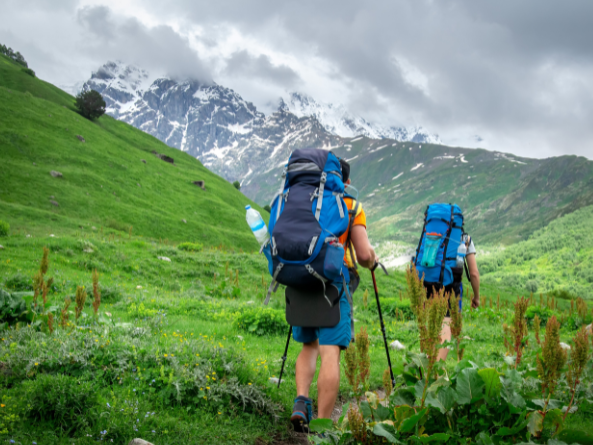
Later in the day, those thermals for men quietly do their job again as temperatures drop. Your fleece jacket returns during longer breaks. The windcheater for men blocks evening gusts. You pull on your winter gloves, adjust your caps, sip from your thermos flask, tighten your shoes for trek, and reach into your travel bags for a quick snack.
Your jackets for men stay ready for sudden weather shifts.
Step by step, pause by pause — this rhythm keeps you comfortable across long distances.
Final Thought
Long walks aren’t about pushing through discomfort.
They’re about moving smart, resting well, and giving your body what it needs at every stage.
When you dress with intention — building layers instead of bulk — rest stops stop feeling miserable. They become moments to breathe, recharge, and truly enjoy where you are.
Because the best journeys aren’t rushed.
They’re layered.
FAQs
1. Why do I feel colder during breaks than while walking?
Your body generates heat while moving. When you stop, circulation slows and sweat begins to cool, making rest stops feel much colder.
2. How many layers should I wear for long walks?
Most hikers rely on three main layers: base, mid, and outer. Accessories like gloves and caps add warmth when needed.
3. Can beginners follow the same layering system?
Absolutely. Proper layering makes outdoor experiences more comfortable and helps beginners handle changing weather with confidence.
4. What’s more important — warmth or breathability?
Both matter. Breathable layers prevent sweat buildup, while warm layers trap heat during breaks. Balance is key.
5. Do warm drinks really help on treks?
Yes. Warm fluids support circulation, boost energy, and provide internal warmth during cold rest stops.
6. How do I avoid overheating while walking?
Adjust layers often. Open zippers, remove mid layers during climbs, and put them back on during rest.
← View Previous Blog:
 Cold Places to Visit in February for First-Time Snow Travelers
View Next Blog: →
 The Hidden Link Between Foot Fatigue and Trekking Pace