Unexplored Mountain Routes in East India
Nobody talks enough about East India when it comes to mountains.
It’s almost always the same names in every conversation — the same treks, the same café photos, the same “hidden gems” that are no longer hidden. Meanwhile, the eastern side of the country just… exists quietly.
And maybe that’s the point.
Because if you’re the kind of person who doesn’t enjoy walking in a line of 200 people just to reach a viewpoint, East India feels different. The roads are longer. The network disappears more often. The villages feel lived-in, not curated.
And the mountains don’t try to impress you. They just stand there.
Dzongri, West Sikkim — The Climb That Humbles You
The first thing you notice on the Dzongri trail isn’t the view.
It’s your breathing.
The forest is thick at the start. Damp earth. Wooden bridges. Occasional prayer flags fluttering quietly. You walk thinking it’s manageable — until the incline begins to test you.
You slow down.
You stop pretending you don’t need breaks.
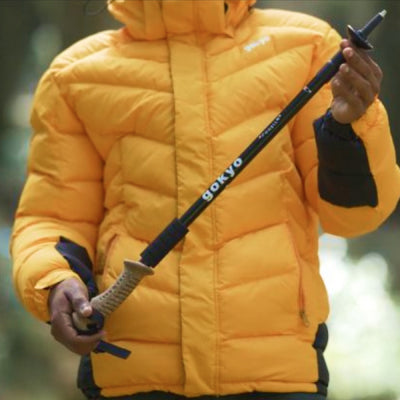
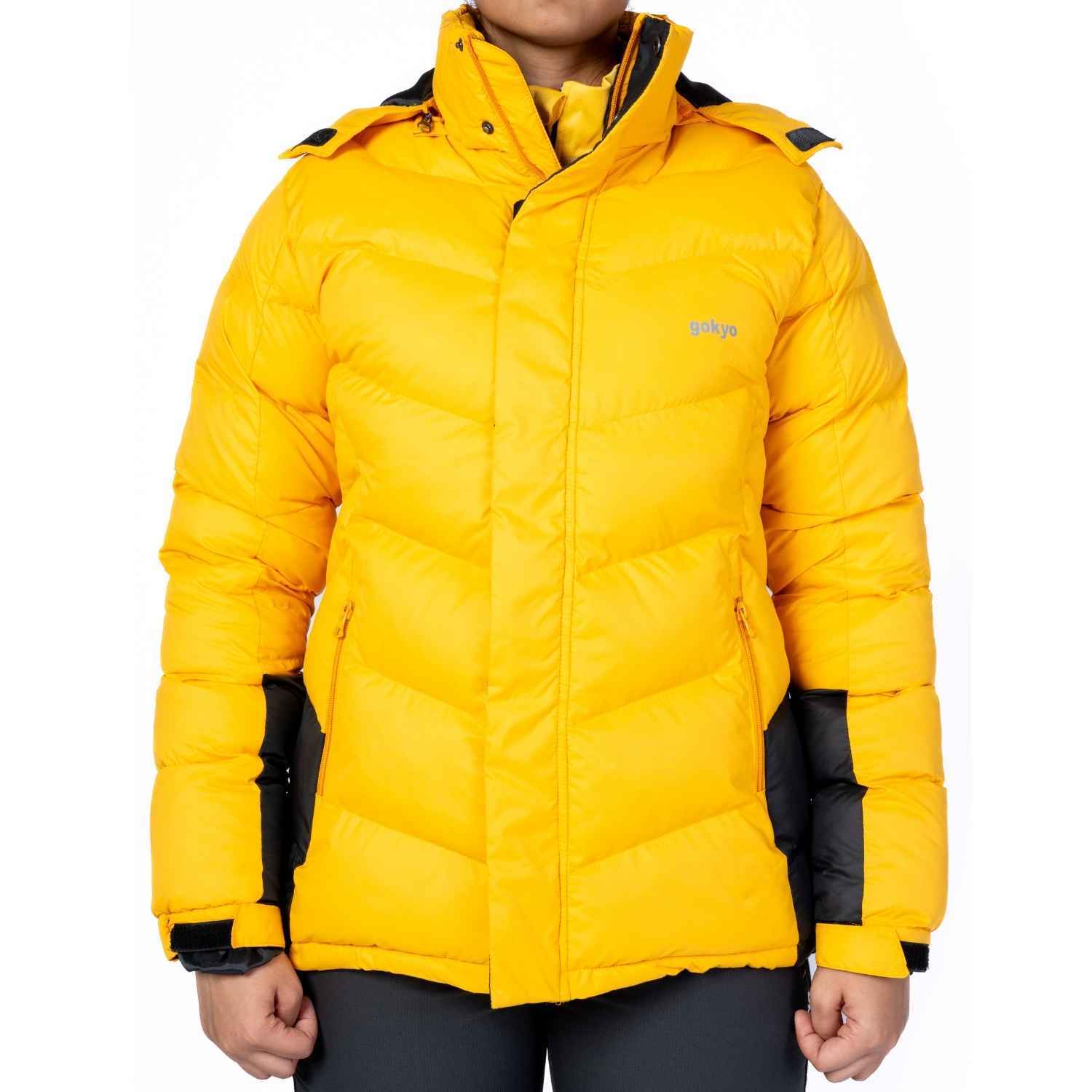
Mornings up here are cold in a very honest way. The kind that makes you grateful you wore a base layer without overthinking it. Pulling on one of your fleece jackets feels less like styling and more like survival comfort. And if you’ve packed a solid down jacket, you’ll thank yourself during sunrise when the wind doesn’t hold back.
The top doesn’t scream celebration. There’s no crowd counting down for golden hour.
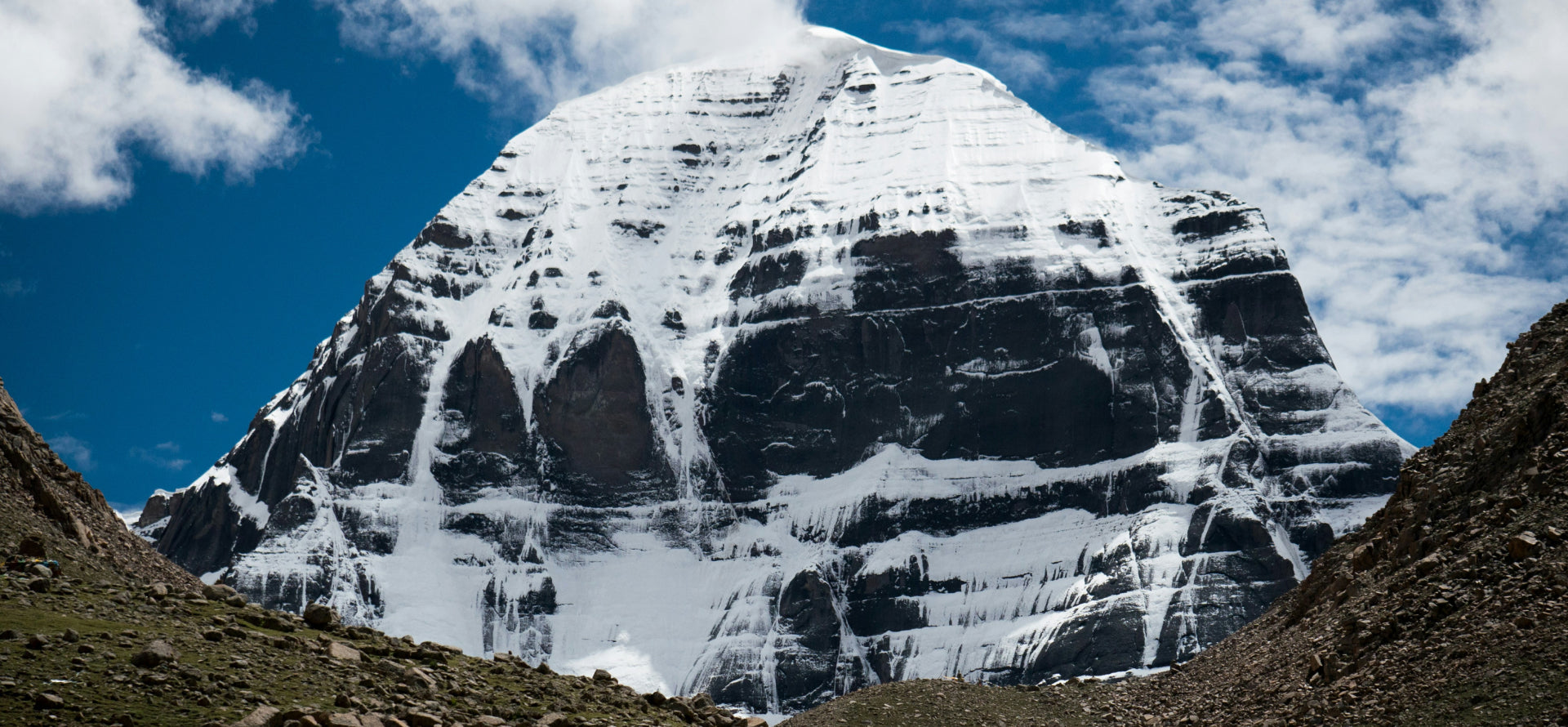
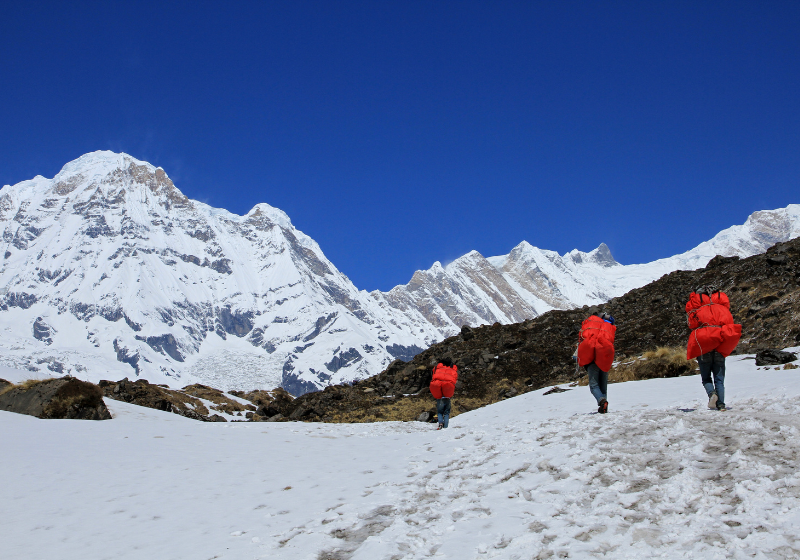
It’s just you and Kanchenjunga appearing slowly, like it doesn’t owe you anything.
And that’s what makes it powerful.
Insulating Layers for High-Altitude Treks


Mechuka, Arunachal — Where Time Moves Sideways
Getting to Mechuka is not quick.
The roads twist for hours. There are stretches where you question your life decisions. But then you arrive — and suddenly the pace of everything drops.
The valley is wide and open. The river runs without drama. Wooden homes sit against huge backdrops like they’ve always belonged there.
You walk without purpose. That’s the beauty of it.
A good pair of shoes for trek trails makes wandering easier when the path shifts from road to mud to grass without warning. The sun here can be surprisingly sharp even when the air feels cool, so caps and a bit of sunscreen quietly do their job in the background.
Evenings dip into a chill you didn’t expect. Layering up with body warmers makes sitting outside possible a little longer. And those quiet moments — watching the sky change color without anyone rushing you — become the highlight.
Mechuka doesn’t entertain you.
It lets you be.
Trail-Ready Footwear for Changing Terrain


Sandakphu via Gurdum — The Quieter Way Up
Most people know Sandakphu.
Fewer take the Gurdum route.
And that’s why it feels different.
The trail cuts through dense forest. Sometimes you walk through mist so thick it feels like the world shrank to a 10-meter radius. You don’t know when the big view is coming — and that unpredictability makes it better.
You carry your own rhythm here.
Hydration matters more than you think. A little electrolyte powder in your bottle keeps energy steady on long inclines. And when you finally stop to rest, pouring tea from one of your thermos flasks feels ridiculously satisfying.
Nights get cold. Proper sleeping bags aren’t optional — they’re the difference between real sleep and counting hours until sunrise.
And when the clouds finally clear and you see Everest, Lhotse, Makalu lined up in the distance — it doesn’t feel like a tourist moment.
It feels earned.
Hydration Support for Long Mountain Walks


Dzukou Valley — Beauty Without Drama
Dzukou is famous in certain circles, but walk just a little beyond the main campsite and you’ll find space.
The valley stretches wide. Grasslands roll softly. If you visit in bloom season, wildflowers appear almost casually — not in perfect Instagram clusters, just scattered naturally.
The wind moves constantly here. Sunglasses aren’t about photos; they protect your eyes from hours of glare. Layers tucked into your trekking bags suddenly become useful when the temperature shifts without warning.
It’s not a “do this, then that” kind of place.
It’s a walk-until-you-feel-like-stopping kind of place.
And that’s rare.
Protective Eyewear for Open Mountain Landscapes


Ziro to Talley Valley — Where Culture Meets Forest
Ziro feels open and welcoming. Rice fields stretch calmly under wide skies. But as you move toward Talley Valley, the atmosphere changes.
The trail grows denser. Forest replaces farmland. The light filters differently through taller trees.
There’s no dramatic mountain peak waiting at the end. Instead, there’s immersion.
You hear birds before you see them. You notice how the air smells different deeper in the forest. You realize you’ve stopped checking your phone because there’s no signal anyway.
These are not treks built around adrenaline.
They’re built around presence.
The Part That Doesn’t Make It to Travel Guides
No one tells you that unexplored routes mean fewer facilities.
Sometimes there’s no café at the top. No warm washroom waiting. No emergency backup shop if you forgot something basic.
That’s why preparation matters.
Not in a flashy way. Just in a sensible way.
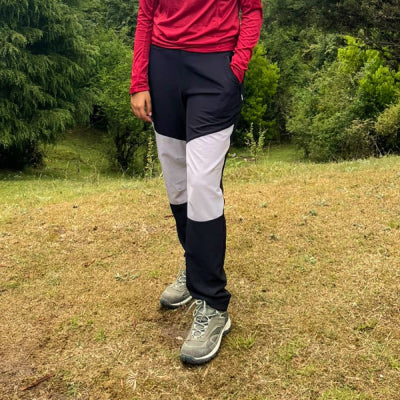
Layered clothing that adapts. Gear that doesn’t fail mid-journey. Essentials that quietly handle changing weather.
That’s where pieces from Gokyo Outdoor Clothing & Gear fit naturally into these routes. Not loud branding. Not unnecessary features. Just practical layers and reliable gear that let you focus on walking instead of adjusting.
Because when you’re hours away from the nearest town, “almost good enough” isn’t good enough.
Why These Routes Stay With You
It’s not because they’re the tallest.
Or the hardest.
Or the most photogenic.
It’s because they feel less filtered.
There’s no background music. No guided storytelling every five minutes. No crowd telling you where to stand.
Just wind. Mud. Sun. Mist. Your own breath.
And maybe that’s what mountain travel was always supposed to be.
Not an event.
Just a journey.
FAQs
1. Are these routes suitable for first-time trekkers?
Some are beginner-friendly with preparation, but a basic level of fitness always helps.
2. When is the best time to explore East India’s mountain routes?
Spring and autumn usually offer clearer skies and stable weather.
3. Do temperatures drop significantly?
Yes, especially at higher altitudes and during early mornings or nights.
4. Is mobile network available?
Connectivity can be limited or completely unavailable in certain stretches.
5. Do I need permits for Arunachal Pradesh?
Yes, Indian travelers require Inner Line Permits for certain regions.
6. What makes East India different from mainstream Himalayan destinations?
Less commercialization, fewer crowds, and a slower, more grounded travel experience.
Unexplored mountain routes in East India don’t promise perfection.
They promise space.
And sometimes, space is the most underrated luxury of all.

← View Previous Blog:
 Things You Should Know Before You Go for Kailash Mansarovar Yatra
View Next Blog: →
 When the Rest of India Burns, North Sikkim Freezes in Silence