Why Cold Fingers Reduce Grip Strength on Treks (And How to Keep Your Hands Trail-Ready)
It usually starts quietly.
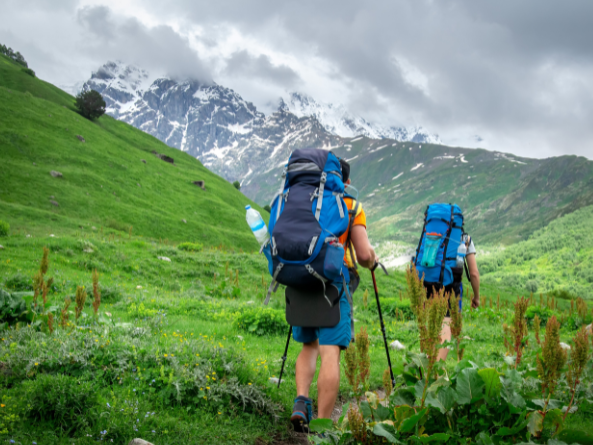
You’re halfway up a climb, breath fogging in the cold air, boots crunching against frost-kissed gravel. The landscape feels unreal — jagged peaks, silent valleys, clouds drifting lazily past distant ridges.
Then you notice it.
Your fingers don’t feel quite right.
They’re stiff. A little numb. Your grip on your trekking pole isn’t as confident as it was earlier. You flex your hands inside your gloves, hoping the warmth comes back quickly.
But it doesn’t.
And suddenly, something simple — holding onto a pole, adjusting a strap, zipping your jacket — feels strangely difficult.
That’s when it hits you: cold fingers don’t just feel uncomfortable. They quietly steal your strength.
On treks, your hands play a much bigger role than most people realize. They help you balance on rocky sections. They steady you during steep descents. They support your body weight on climbs. When your fingers lose warmth, your grip weakens — and your entire trekking rhythm changes.
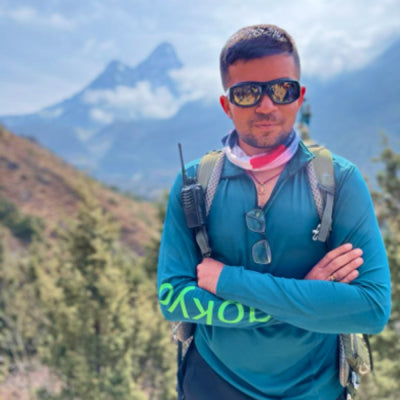
Let’s explore why this happens, and how smart preparation with Gokyo Outdoor Clothing & Gear can keep your hands strong, responsive, and ready for every turn in the trail.
Start Warm at the Core: Thermals That Support Circulation


What Cold Really Does to Your Hands
When temperatures drop, your body goes into conservation mode.
Blood flow prioritizes your core — heart, lungs, vital organs. That means less warm blood reaches your fingers and toes. Muscles cool down. Nerves respond more slowly. Fine motor skills fade.
In simple terms: your hands become less cooperative.
Cold stiffens tendons, reduces flexibility, and weakens muscle contraction. That’s why opening buckles feels harder. That’s why gripping trekking poles takes more effort. That’s why your palms tire faster even though you haven’t walked farther than usual.
And the colder it gets, the more noticeable this becomes.
This isn’t weakness. It’s biology.
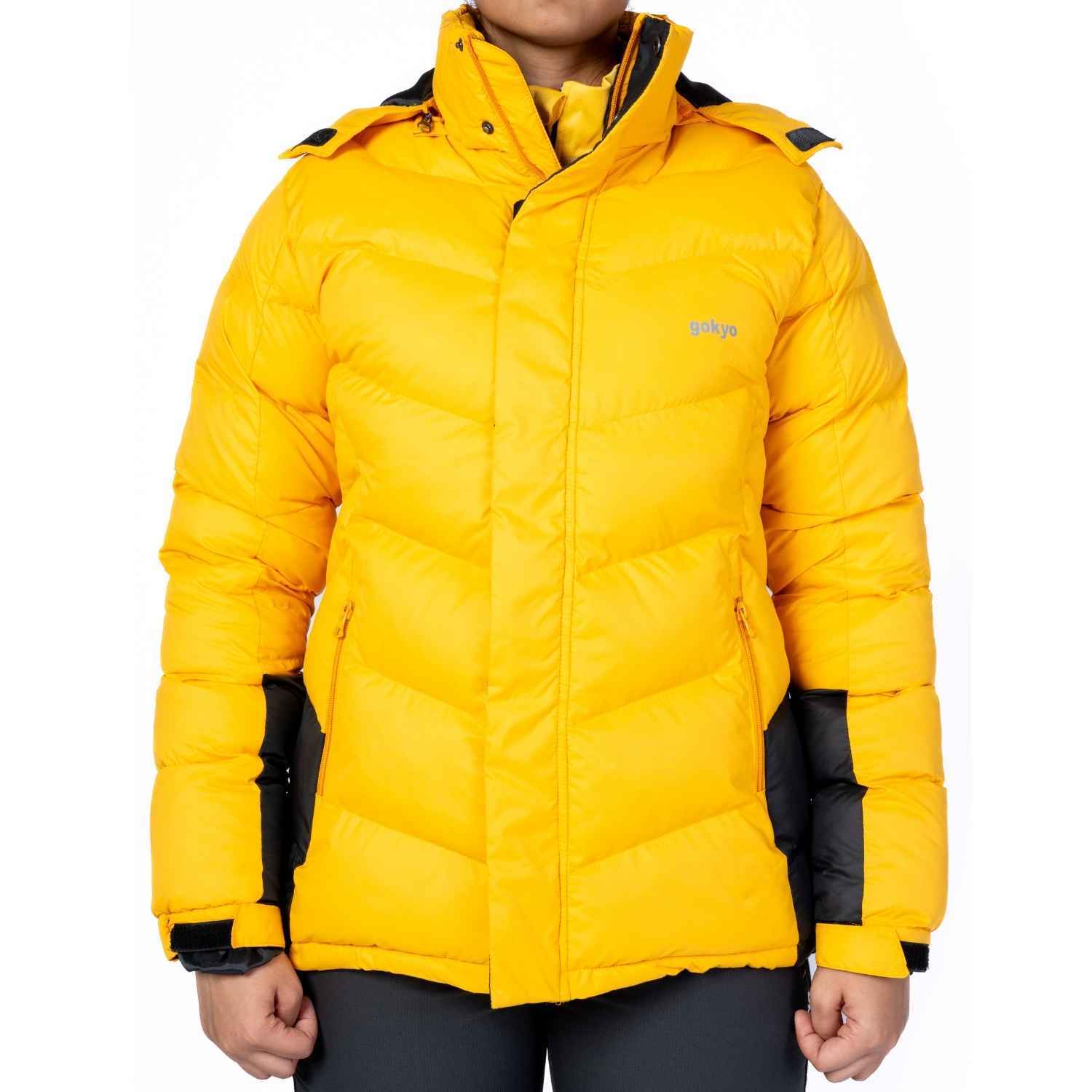
Flexible Warmth for Moving Trails: Jackets That Keep Blood Flowing


Why Grip Strength Matters More Than You Think on Treks
Most people associate trekking with legs.
But your hands are just as involved.
They stabilize you on slippery slopes. They help distribute weight when climbing. They support balance when descending loose gravel. They guide hiking poles across uneven terrain.
When grip strength drops, your confidence drops with it.
You become cautious. Your steps slow. You hesitate on technical sections. That hesitation ripples through your entire pace.
Cold hands don’t just affect comfort — they change how you move.
Flexible Warmth for Moving Trails: Jackets That Keep Blood Flowing
The Small Mistakes That Lead to Cold Fingers
Cold fingers usually aren’t caused by weather alone. They’re often the result of overlooked details.
Poor layering
Without proper insulation close to your skin, warmth escapes quickly. Base layer thermals trap body heat and create a warm foundation that supports circulation all the way to your fingertips.
Wind exposure
Even mild wind can strip warmth fast at higher altitudes. A lightweight windcheater for men blocks icy gusts before they reach your hands and arms.
Delayed hydration
Dehydration thickens blood slightly, slowing circulation to extremities. Warm sips from thermos flasks encourage hydration while also raising core temperature.
Carrying discomfort
Overloaded or awkward travel bags can strain shoulders and restrict blood flow to your arms, subtly contributing to colder fingers.
Each of these seems minor — until they stack together on a long day in the mountains.
How Smart Trekkers Keep Their Hands Strong in Cold Conditions
Experienced trekkers don’t wait for numbness.
They plan ahead.
They start with proper insulation using reliable hand gloves that balance warmth with flexibility, allowing fingers to move freely while staying protected.
On particularly cold mornings or high-altitude stretches, many add hand warmers inside pockets or gloves for an extra boost of comfort during long pauses.
They layer strategically — starting with base layer thermals, then adjusting outer layers as conditions change. Breathable jackets for men keep the torso warm, helping maintain circulation to hands, while a windcheater for men steps in when sharp winds roll through exposed ridges.
They keep warm drinks close. A few sips from thermos flasks during breaks can bring surprising relief to chilled fingers.
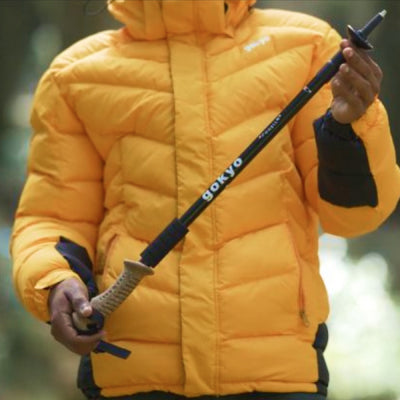
They also pay attention to balance and stability. Reliable shoes for trek reduce slipping, while crampons add confidence on icy sections. Trekking poles help distribute effort across arms and legs, reducing strain on cold-stiffened hands.
And they pack thoughtfully. Well-organized travel bags make it easier to access layers and snacks without exposing hands for too long.
Every choice supports circulation. Every habit protects grip.
The Gokyo Outdoor Clothing & Gear Approach to Cold-Weather Comfort
Gokyo Outdoor Clothing & Gear designs for real trail conditions — not just catalog photos.
Their cold-weather essentials are built around movement. Fabrics that insulate without bulk. Fits that allow layering without restriction. Pieces that adapt as your body heats up or cools down.
From outerwear that blocks wind to thoughtfully designed accessories that support dexterity, Gokyo focuses on keeping trekkers comfortable without slowing them down.
Because warmth isn’t about piling on layers.
It’s about choosing the right ones.
Simple Trail Habits That Make a Big Difference
You don’t need extreme measures to protect your grip. Small habits go a long way:
Start warm, not cold. Put on gloves before your fingers chill.
Move your hands during breaks. Gentle fist-clenching encourages blood flow.
Snack regularly. Energy fuels circulation.
Avoid over-tight straps on packs or poles.
Store spare gloves somewhere accessible.
These little decisions prevent stiffness from settling in.
FAQs
Why do my fingers lose strength so quickly in cold weather?
Cold reduces blood flow and slows nerve signals, making muscles weaker and movements less precise.
Can layering really help my hands stay warm?
Yes. Keeping your core warm helps maintain circulation to extremities, including fingers.
Are trekking poles useful in cold conditions?
Absolutely. They improve balance and reduce pressure on legs, but require good grip — which is why hand warmth matters.
How can I warm my hands quickly on the trail?
Try gentle hand movements, warm drinks, and brief shelter from wind. Avoid exposing bare skin for long.
Do cold hands affect safety on treks?
Yes. Reduced grip can increase slipping risk, especially on technical or icy terrain.
What’s the best way to prevent numb fingers altogether?
Start with proper layers, protect against wind, stay hydrated, and address cold early instead of waiting.
Cold mountains don’t announce themselves.
They arrive quietly — through the fingertips, the palms, the subtle stiffness in your grip.
But with thoughtful preparation and dependable gear from Gokyo Outdoor Clothing & Gear, you don’t have to let chilly air dictate your pace or confidence.
Because when your hands stay warm, your grip stays strong.
And when your grip stays strong, every step forward feels steady, secure, and fully yours.