How Poor Load Distribution Slows You Down Without You Realizing
There’s a moment on every long trail when the climb doesn’t feel steeper… but your body feels heavier.
Your pace drops slightly.
You start adjusting your shoulders more often.
Your lower back begins whispering complaints.
Nothing dramatic. Nothing sharp. Just a quiet drag.
Most trekkers assume it’s fitness. Or altitude. Or maybe lack of sleep.
But very often, it’s something far less obvious — poor load distribution.
And the tricky part? You rarely notice it happening.
The Invisible Weight
A backpack can weigh the same on paper and feel completely different on your body.
Two people might carry 8 kilos. One moves steadily. The other struggles halfway through. The difference isn’t always strength.
It’s how that weight is sitting.
When a trekking bag isn’t packed thoughtfully, the load pulls backward instead of staying close to the spine. Shoulders compensate. Hips stop carrying their share. The upper back tightens to maintain balance.
You don’t feel it immediately.
But over hours, your posture shifts slightly forward. Steps become shorter. Breathing feels heavier.
Not because the mountain changed.
Because your center of gravity did.
Balanced Trekking Backpacks Designed for Long Trails


Small Misplacements, Big Consequences
Load distribution isn’t just about total weight. It’s about placement.
Heavier items sitting far from the back panel create leverage — and leverage creates strain. A poorly placed sleeping bag, stuffed randomly instead of compressed and positioned low and central, can shift balance on uneven terrain.
Loose items move with every step. That constant micro-adjustment tires muscles faster than you expect.
Even hydration placement matters. When thermos flasks are tucked too far back or unevenly on one side, your body subtly leans to compensate. Over time, that lean becomes fatigue.
The body is incredibly adaptable. It will find ways to manage imbalance.
But adaptation costs energy.
And on long trails, energy is everything.
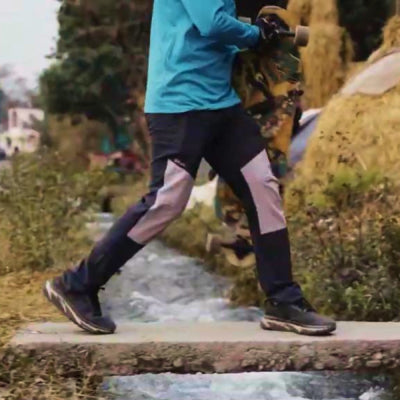
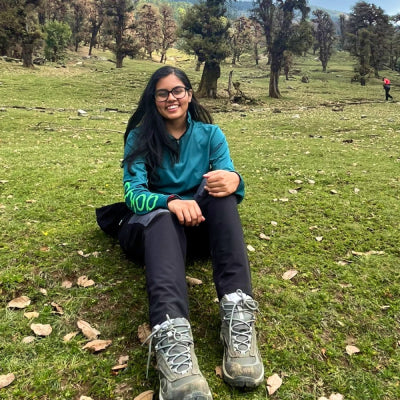
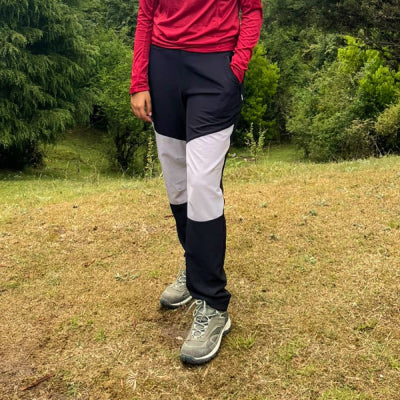
Supportive Trekking Footwear for Stable Movement


The Domino Effect
When weight isn’t aligned properly, the first thing to suffer is posture.
Rounded shoulders compress breathing capacity. Reduced breathing affects stamina. Reduced stamina slows pace.
Foot placement changes too. If the upper body tilts forward too much, downhill sections feel less controlled. Ankles take more pressure. Even your shoes for trek, no matter how supportive, can’t fully compensate for imbalance above them.
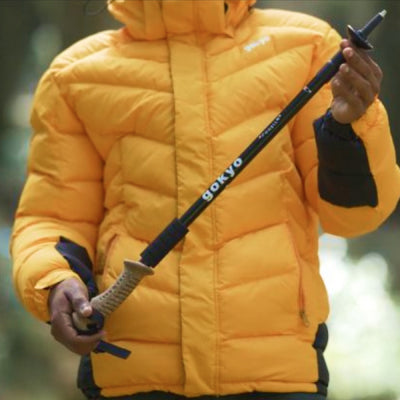
Knees feel strain during descents. That’s when many trekkers lean harder on their trekking poles, sometimes without realizing they’re using them more for balance correction than terrain support.
By midday, it feels like the trail became harder.
But often, it’s simply that your body has been fighting physics since morning.
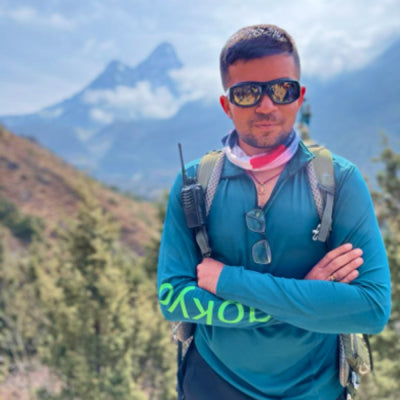
Breathable Layers That Stay Comfortable Under Backpack Straps
It Starts Before the Trail Does
Load distribution begins while packing — not on the mountain.
Heavy items should sit close to the spine and centered. Medium-weight gear around it. Light, compressible pieces filling gaps without pushing outward.
A structured trekking bag designed with supportive hip belts and proper weight channels helps transfer load to the hips instead of hanging it from the shoulders. When hips carry weight, endurance increases dramatically.
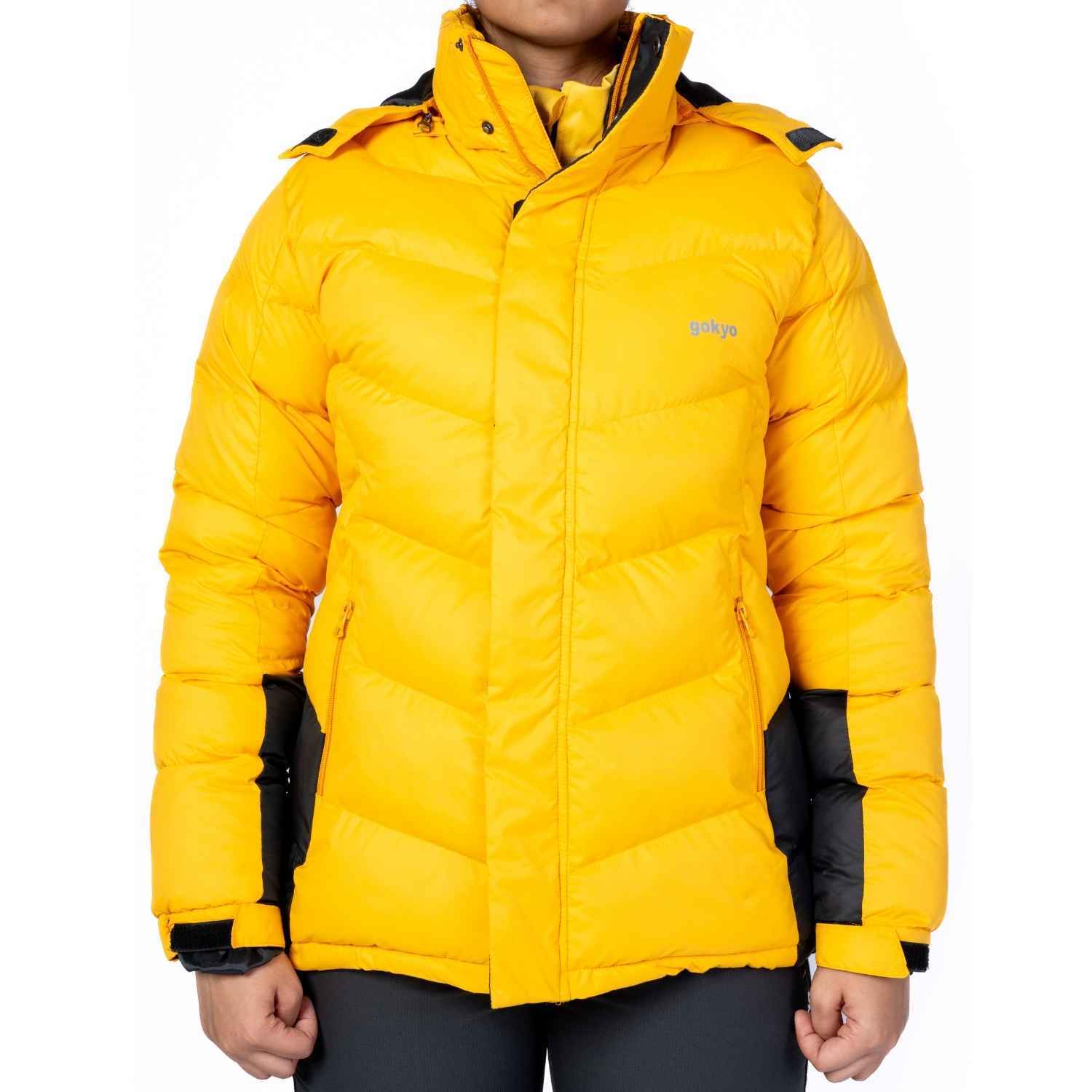
Clothing choices also play a role. Breathable trekking tshirts for men reduce sweat buildup that can make fabric cling and create additional friction under straps. Well-fitted jackets for men layer without adding bulk that shifts strap positioning.
Even something as simple as wearing properly adjusted caps can reduce neck strain on sunny trails. When the body isn’t squinting or craning forward, posture remains aligned longer.
Everything connects.
Energy Is a Limited Resource
On multi-hour treks, conserving energy matters more than proving strength.
Improper weight placement increases muscle engagement in areas that shouldn’t be overworking. The lower back compensates. Traps tighten. Core muscles engage inconsistently.
The result?
Energy drains silently.
Hydration and nutrition can’t fully offset mechanical inefficiency. Yes, adding electrolyte powder work during long stretches supports muscle function. Yes, light protein food supplements aid recovery at camp.
But prevention is more powerful than repair.
Balanced packing prevents unnecessary strain in the first place.
Hydration & Trail Nutrition Essentials for Sustained Energy
{{ featured_products_4 }
Why Many Trekkers Don’t Notice It
The body is skilled at masking imbalance.
You won’t feel a sharp warning sign. Instead, you’ll notice subtle changes:
You take more frequent micro-breaks.
You adjust shoulder straps repeatedly.
You feel unusually tired compared to previous hikes.
You shorten your stride.
It feels like normal fatigue.
But fatigue from terrain feels different from fatigue from imbalance. One is satisfying. The other is frustrating.
Proper load distribution allows effort to feel productive.
Poor distribution makes effort feel heavier than it should.
The Role of Thoughtful Design
This is where gear design truly matters.
Equipment from Gokyo Outdoor Clothing & Gear focuses not just on durability but on functional balance. A well-structured trekking bag with load lifters, adjustable hip belts, and supportive back panels reduces strain before it begins.
Layering systems are designed to sit comfortably under straps without bunching or shifting. Supportive shoes for trek stabilize footing so the lower body can compensate less for upper body imbalance.
When essentials are designed to work together rather than independently, the body moves more efficiently.
And efficiency equals endurance.
The Psychological Impact
Physical imbalance doesn’t just affect muscles.
It affects mindset.
When every step feels slightly harder than expected, doubt creeps in. The climb feels longer. The destination feels farther.
But when weight sits correctly and posture remains strong, movement feels smoother. Breathing stays steady. Pace feels consistent.
Confidence builds quietly.
That mental difference transforms the entire trek.
Because enjoyment isn’t just about the view — it’s about how you feel getting there.
Lightening the Trail Without Removing Weight
Interestingly, solving load distribution doesn’t require carrying less.
It requires carrying smarter.
Center weight. Secure loose gear. Adjust straps until hips take the majority of the load. Keep hydration balanced. Reassess mid-trail if needed.
Combine that with supportive layers, efficient footwear, and stable equipment from Gokyo Outdoor Clothing & Gear, and something shifts.
The trail doesn’t feel easier.
You feel stronger on it.
FAQs
1. How do I know if my load distribution is poor?
Frequent shoulder discomfort, leaning forward excessively, and uneven fatigue are common signs of imbalance.
2. Where should heavier items be placed in a backpack?
Heavier items should sit close to the spine and centered vertically to maintain balance.
3. Can trekking poles compensate for poor load distribution?
They help with balance and knee support but cannot fully correct an improperly packed bag.
4. Does hydration placement really matter?
Yes. Uneven placement can cause subtle leaning that increases fatigue over long distances.
5. How tight should backpack straps be?
Hip belts should carry most of the weight, with shoulder straps snug but not pulling downward excessively.
6. Does physical fitness eliminate load distribution issues?
Fitness helps endurance, but poor balance can still cause unnecessary strain regardless of strength level.
The mountain challenges everyone equally.
But how the weight sits on your back determines how that challenge feels.
Because sometimes, it’s not the climb slowing you down.
It’s the way you’re carrying it.
← View Previous Blog:
 How Layering Reduces Energy Drain on Long Mountain Walks
View Next Blog: →
 Insulation Explained: Why Some Jackets Feel Warmer Without Being Thick