Insulation Explained: Why Some Jackets Feel Warmer Without Being Thick
We’ve all had that moment.
You pick up a jacket that looks light, almost too light. You squeeze it between your fingers and think, There’s no way this is enough.
Then you wear it outside — and somehow, you’re warm. Properly warm. Calm, comfortable, unbothered by the cold.
Meanwhile, that thick, heavy jacket you once trusted made you sweat while walking and freeze the moment you stopped.
This is where insulation quietly reveals its truth: warmth has very little to do with thickness.
Warmth Isn’t About Weight — It’s About What Air Is Doing
Cold doesn’t attack you.
Heat leaves you.
Your body is constantly producing warmth, and the job of a jacket isn’t to create heat — it’s to trap it gently, without letting it escape or overheat you.
Good insulation creates tiny pockets of still air.
Bad insulation just adds bulk.
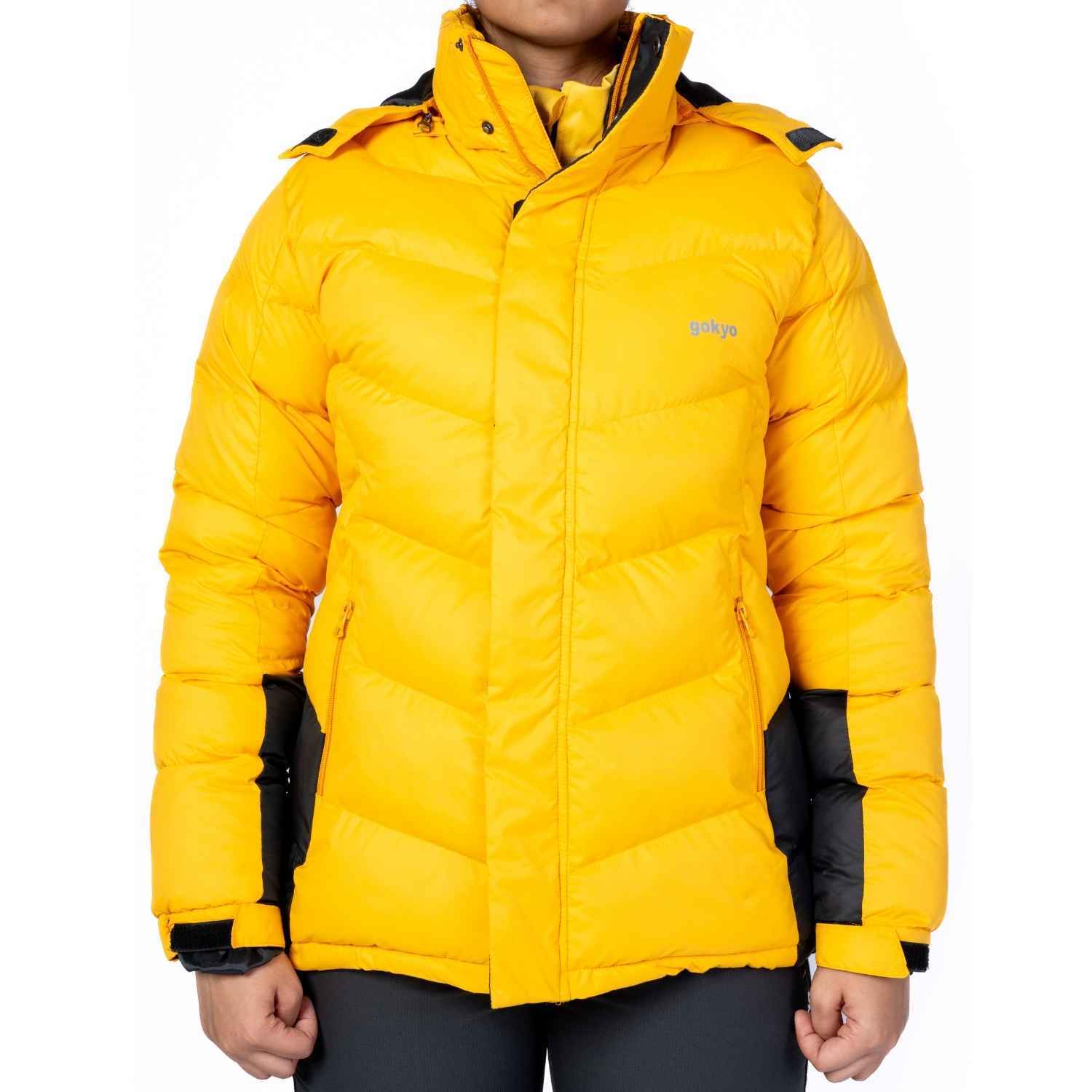
That’s why a well-designed down jacket can feel warmer than something twice its size. It holds warmth close without compressing it, allowing your body to stay balanced instead of constantly correcting itself.
This balance is exactly what Gokyo Outdoor Clothing & Gear designs around — insulation that works with the body, not against it.
Lightweight Jackets That Trap Warmth Without the Bulk


Insulation Explained: Why Some Jackets Feel Warmer Without Being Thick
We’ve all had that moment.
You pick up a jacket that looks light, almost too light. You squeeze it between your fingers and think, There’s no way this is enough.
Then you wear it outside — and somehow, you’re warm. Properly warm. Calm, comfortable, unbothered by the cold.
Meanwhile, that thick, heavy jacket you once trusted made you sweat while walking and freeze the moment you stopped.
This is where insulation quietly reveals its truth: warmth has very little to do with thickness.
Breathable Mid-Layers for Balanced Warmth During Movement
Warmth Isn’t About Weight — It’s About What Air Is Doing
Cold doesn’t attack you.
Heat leaves you.
Your body is constantly producing warmth, and the job of a jacket isn’t to create heat — it’s to trap it gently, without letting it escape or overheat you.
Good insulation creates tiny pockets of still air.
Bad insulation just adds bulk.
That’s why a well-designed down jacket can feel warmer than something twice its size. It holds warmth close without compressing it, allowing your body to stay balanced instead of constantly correcting itself.
This balance is exactly what Gokyo Outdoor Clothing & Gear designs around — insulation that works with the body, not against it.
Wind Protection That Keeps Your Body Heat Locked In

Why Thick Jackets Often Feel Disappointing on Real Walks
Thick jackets feel reassuring in your hands. They promise protection.
But on a real walk — especially in the mountains or during travel — they often fail quietly.
They trap sweat.
They restrict movement.
They make you feel heavy and sluggish.
When you stop, that trapped moisture cools quickly, leaving you colder than before. Warmth disappears, frustration sets in, and suddenly the jacket feels like a mistake.
True insulation isn’t about stuffing more material between you and the cold. It’s about controlling heat loss without creating moisture stress.
The Quiet Intelligence of Lightweight Insulation
This is where lighter insulated jackets shine.
Puffer jackets, when designed well, distribute insulation evenly instead of clumping it. They create consistent warmth across your torso without hotspots or dead zones.
A quality pair of fleece jackets works differently — they don’t block cold aggressively. Instead, they regulate warmth gently, making them ideal during movement. They keep muscles warm without causing overheating, which saves energy over long hours.
Both styles work because they understand a simple truth: comfort is stability.
When Wind Is the Real Thief of Warmth
Many people blame cold air for feeling chilled. In reality, it’s moving air.
Wind pulls heat away faster than temperature ever could.
That’s why even a thin windcheater for men can suddenly make everything feel warmer. It doesn’t add insulation — it protects the insulation you already have.
Once wind is blocked, your body relaxes. Breathing slows. Muscles stop tensing. Warmth stays where it belongs.
This is also why mens winter jackets that balance insulation with wind protection feel dramatically warmer than bulky coats that let air sneak through seams and fabric.
Why Some Winter Coats Feel “Heavy Warm” Instead of “Easy Warm”
There’s a difference between warmth that demands effort and warmth that supports you.
Many winter men coats rely on thickness alone. They sit heavy on the body, compress insulation unevenly, and make movement tiring.
Good insulation feels light because it reduces resistance — in your stride, your posture, even your breathing.
When your jacket doesn’t fight your movement, you conserve energy. And conserved energy always feels like warmth.
That’s not accidental design. That’s thoughtful insulation engineering.
Insulation Works Best When You Forget It’s There
The best test of a jacket isn’t how it looks or feels when you first put it on.
It’s how little you think about it three hours later.
If you’re not adjusting zippers constantly.
If you’re not overheating on climbs.
If you’re not freezing during breaks.
That’s when insulation is doing its job properly.
This is the design philosophy behind Gokyo Outdoor Clothing & Gear — jackets that don’t demand attention, don’t interrupt movement, and don’t overpromise. They simply stay consistent.
And consistency is what warmth actually feels like.
Warmth Is a System, Not a Single Piece
No jacket works alone.
Insulation works best when layered intelligently — a breathable inner layer, a regulating mid layer, and a protective outer shell. Each piece reduces strain on the others.
That’s why some lighter setups outperform heavy single jackets every time.
The goal isn’t maximum insulation.
It’s minimum energy loss.
Why You Feel Less Tired in the Right Jacket
This part surprises people.
When your body isn’t constantly correcting temperature — heating up, cooling down, tightening against wind — it saves energy.
That saved energy shows up as:
-
steadier pace
-
clearer thinking
-
better mood
-
longer endurance
Warmth that feels easy keeps you moving longer without realizing how much work you’re doing.
That’s the quiet magic of good insulation.
Warmth Should Feel Calm, Not Claustrophobic
True warmth doesn’t shout.
It doesn’t make you sweat.
It doesn’t trap you.
It doesn’t weigh you down.
It settles around you. It adapts. It allows movement and stillness without drama.
That’s why some jackets feel warmer without being thick — because they understand what warmth actually is.
Not bulk.
Not weight.
But balance.
FAQs
1. Why do some thin jackets feel warmer than thick ones?
Because they trap air more efficiently and manage moisture better.
2. Is down always warmer than other insulation?
Down is excellent at trapping heat, but performance depends on design and conditions.
3. Why does wind make me feel colder even with a jacket on?
Wind strips heat quickly unless blocked by wind-resistant layers.
4. Can fleece be warm enough on its own?
During movement or mild cold, yes. It regulates warmth very well.
5. Do heavier jackets always mean better winter protection?
No. Balance and breathability matter more than weight.
6. How do I know if a jacket’s insulation is good?
If you forget about it while wearing it, it’s working.
← View Previous Blog:
 How Poor Load Distribution Slows You Down Without You Realizing
View Next Blog: →
 The Difference Between Surviving a Trek and Enjoying One