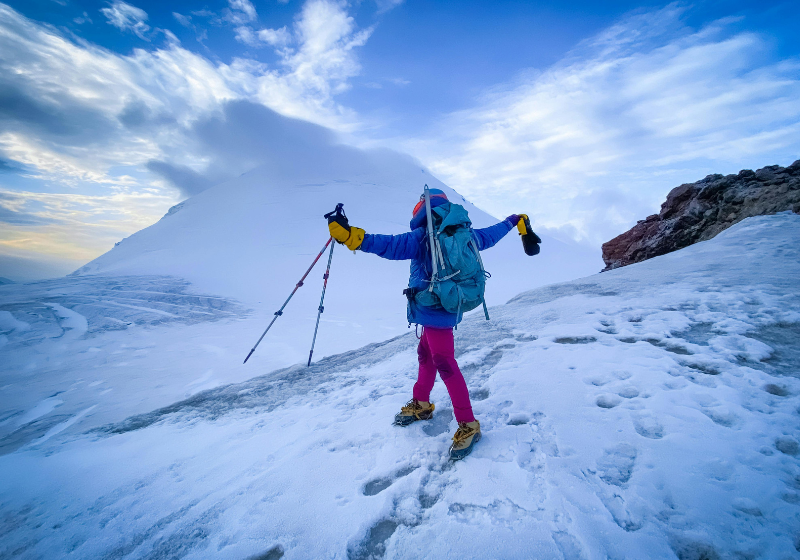
How Layering Reduces Energy Drain on Long Mountain Walks
There’s a specific kind of tiredness that shows up on long mountain walks.
Not the satisfying kind — not the “I earned this” ache in your legs.
This tiredness feels sneaky.
It builds slowly.
It doesn’t come from distance alone.
It comes from fighting your own body all day.
Cold that keeps distracting you.
Heat that drains patience.
Wind that forces tension into your shoulders.
Most people assume this is inevitable. It isn’t.
A huge part of energy loss on mountain walks has nothing to do with fitness — and everything to do with how you layer.
Energy Leaks Happen in Small, Invisible Ways
You rarely notice energy drain in one big moment.
It leaks out quietly.
Every time you shiver during a break.
Every time you overheat on a climb and sweat too much.
Every time you stop to adjust layers because something feels “off.”
Your body is constantly working to maintain balance — temperature, moisture, comfort. When it has to work harder than necessary, fatigue shows up faster than expected.
Layering isn’t about staying warm or cold.
It’s about keeping the body neutral, so energy goes into walking — not self-regulation.
The Inner Layer Sets the Tone for the Entire Day
Everything starts with what touches your skin first.
A well-chosen base layer quietly manages sweat, heat, and friction without demanding attention. When it does its job properly, you don’t think about it — and that’s exactly what you want.
When moisture moves away from your skin instead of sitting there, your body doesn’t panic when you stop moving. When warmth feels steady instead of patchy, muscles stay relaxed longer.
This foundation is why experienced trekkers obsess over layering from the inside out — not the other way around.
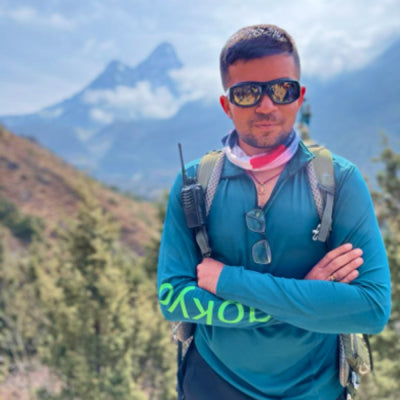
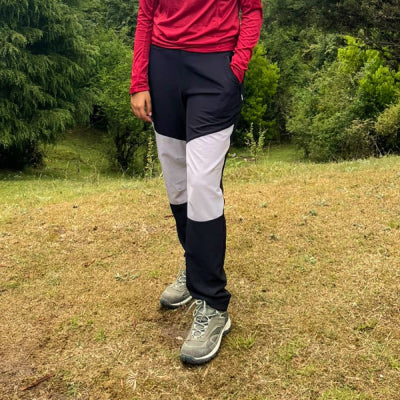
At Gokyo Outdoor Clothing & Gear, layering systems are designed around long hours and real movement, not static conditions.
Breathable Base Layers That Keep Sweat From Draining Energy


Mid Layers Are Where Most People Waste Energy
This is where mistakes usually happen.
People either under-layer and feel cold all day, or over-layer and sweat too much — both cost energy.
A good fleece jackets layer creates a soft thermal buffer. It traps warmth without trapping moisture. It’s light enough to keep on during movement, yet warm enough to reduce constant temperature fluctuations.
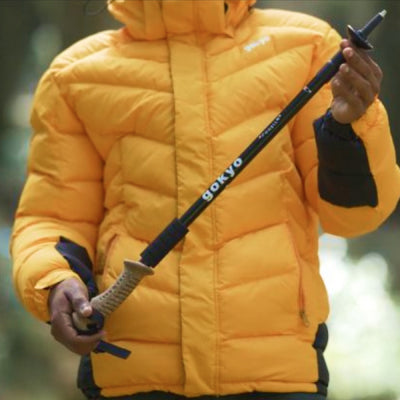
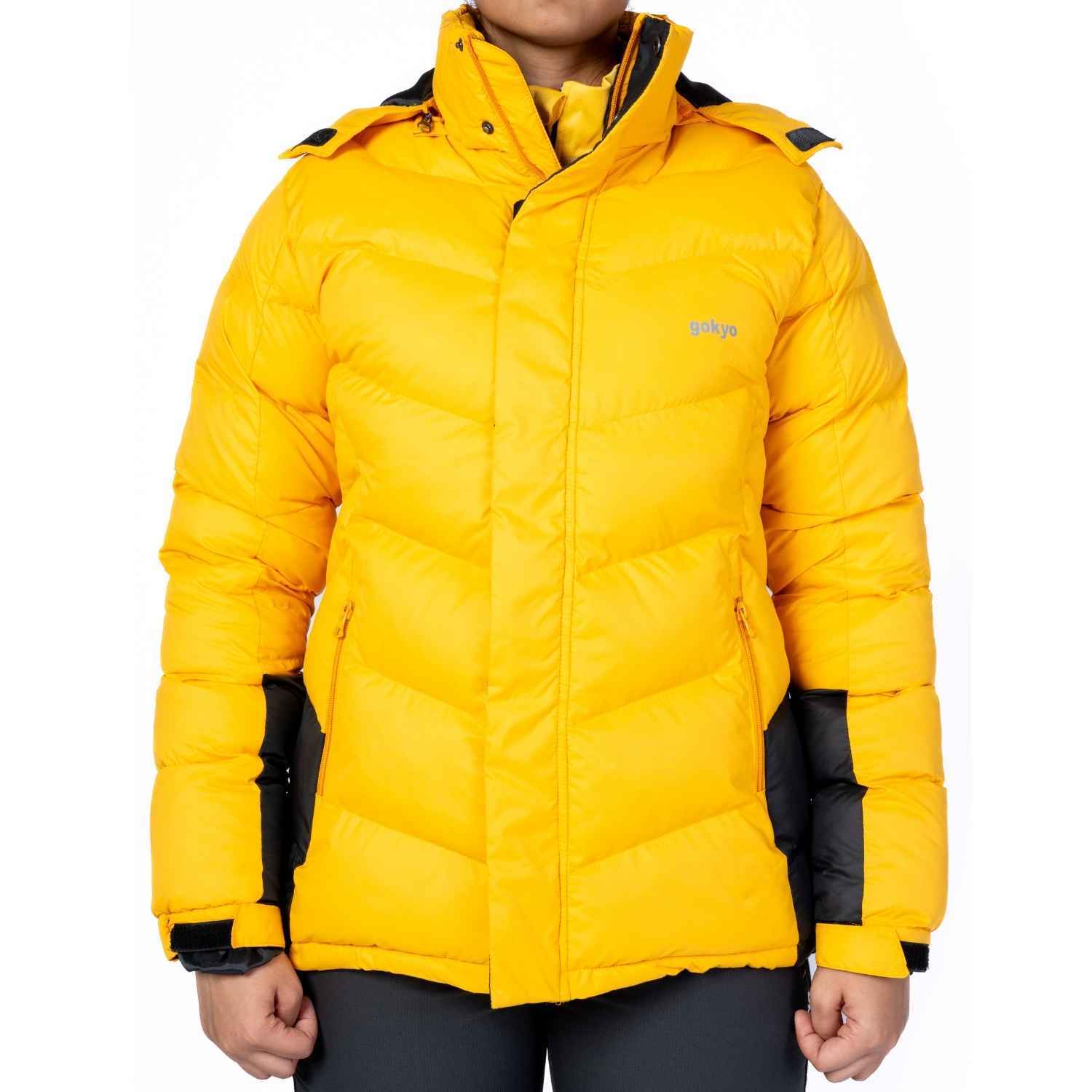
Later, when conditions drop sharply or rest breaks stretch longer, a down jacket steps in — not to add bulk, but to preserve heat your body has already worked hard to generate.
Smart layering means you’re adding and subtracting calmly, not reacting desperately.
Insulating Mid Layers That Maintain Steady Warmth


Outer Protection Is About Blocking Energy Theft
Wind is exhausting.
Not because it’s cold — but because it forces your body to tense constantly.
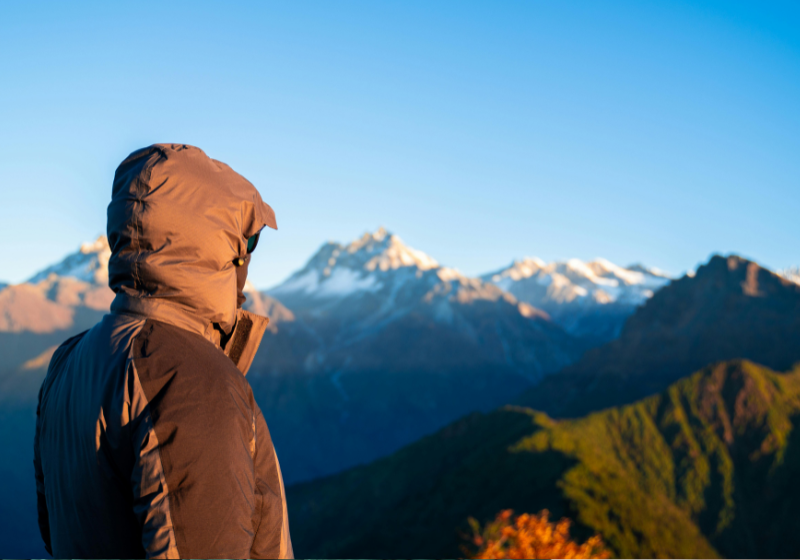
That’s why a well-designed windcheater for men can feel like a sudden release. The moment wind stops cutting through layers, shoulders drop. Breathing smooths out. Walking feels easier.
In harsher conditions, winter jackets become essential — not as armor, but as insulation that holds warmth steady so your body doesn’t have to keep producing more.
For daily movement, jackets for men that balance protection and breathability make the biggest difference over long hours.
Layering done right turns exposure into background noise.
Wind Protection Layers That Prevent Heat Loss


When Your Body Stays Balanced, Your Mind Stays Calm
This is where energy savings really show up.
When you’re not constantly adjusting layers, you stop mentally checking in every few minutes. You walk. You breathe. You observe.
Mental fatigue drops when physical discomfort is predictable and manageable.
Your pace evens out.
Your breaks feel restorative.
Your mood stays stable longer.
That’s the hidden benefit of good trekking gear — it removes friction between you and the trail.
Carrying Less Stress Matters More Than Carrying Less Weight
People fixate on pack weight, but forget pack balance and accessibility.
When your travel bags sit right and layers are easy to reach, you don’t dread transitions. You’re not thinking, Should I stop now? Is it worth it?
You adjust early instead of late, which saves energy.
Layering works best when your system is fluid, not rigid.
Trekking Bags That Make Layer Adjustments Easy on the Trail


Long Walks Demand Energy Conservation, Not Toughness
Mountain walking isn’t about pushing harder.
It’s about leaking less.
When your body doesn’t fight cold, heat, or wind, it holds onto strength longer. When muscles stay warm but not overheated, recovery happens even while moving.
Layering reduces micro-stress — and micro-stress is what drains you over time.
This is why seasoned trekkers finish days feeling tired but not destroyed.
That difference is intentional.
Layering Is a Conversation With the Mountain
Weather shifts. Light changes. Wind moves differently with altitude.
Layering allows you to respond without resistance.
You don’t “power through” discomfort. You adapt to it.
That adaptability is what Gokyo Outdoor Clothing & Gear is built around — clothing that works with conditions, not against them.
Nothing flashy. Nothing loud. Just reliable systems that keep energy where it belongs: in your legs, your breath, your focus.
Energy Saved Is Distance Gained
By the end of a long mountain walk, the difference becomes obvious.
Some people are mentally drained, irritable, and rushing to finish.
Others are tired — but present.
They still notice light on the ridges.
They still walk steadily.
They still enjoy the silence.
That difference isn’t fitness.
It’s energy management.
And layering is one of the quietest, smartest ways to protect it.
FAQs
1. Why does poor layering make me feel more tired?
Because your body spends extra energy regulating temperature instead of movement.
2. Is layering more important than heavy jackets?
Yes. Multiple functional layers adapt better than one heavy piece.
3. How often should I adjust layers during a long walk?
Early and lightly. Adjusting before discomfort saves energy later.
4. Does wind really cause that much fatigue?
Yes. Constant exposure forces muscle tension and heat loss.
5. Can layering help even in mild conditions?
Absolutely. Managing sweat and airflow matters in all climates.
6. What’s the biggest layering mistake beginners make?
Overheating early, then freezing during breaks.
← View Previous Blog:
 Best Blooming Trails in the Indian Himalayas
View Next Blog: →
 How Poor Load Distribution Slows You Down Without You Realizing