The Difference Between Surviving a Trek and Enjoying One
Some treks are remembered for the view at the top.
Others are remembered for the blisters.
It sounds simple, but that’s usually the dividing line.
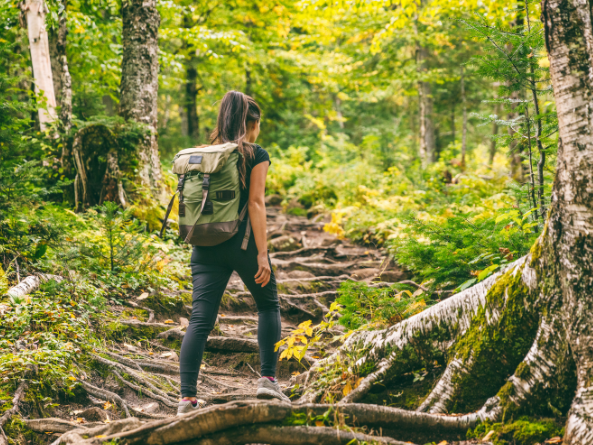
Every season, thousands of people head out to the hills chasing fresh air and a break from routine. The intention is always the same — disconnect, recharge, feel something real again. Yet by the time the trail steepens and the temperature shifts, not everyone is having the same experience.
The mountain hasn’t changed.
The preparation has.
And that’s what separates surviving a trek from actually enjoying one.
The “Just Manage” Approach
There’s a common mindset before a trek: “It’s just walking.”
So bags get packed casually. A couple of old T-shirts. A hoodie that’s seen better days. Sneakers that work fine for city pavements. It feels practical enough.
For the first hour, it is.
But trekking isn’t city walking.
The body heats up quickly on inclines. Wind hits differently when there’s no shelter. Trails shift from mud to gravel to rock within minutes. Regular clothes absorb sweat and hold onto it. Footwear not built for uneven terrain starts slipping just enough to create hesitation.
None of this feels dramatic.
It just feels… tiring.
Instead of enjoying the sound of wind moving through trees, attention shifts to discomfort. Shoulders need adjusting. Feet need checking. Energy dips earlier than expected.
By the time camp is reached, relief outweighs joy.
That’s survival.
Essential Trekking Gear That Supports the Whole Journey
{{ featured_products }}
The Quiet Confidence of Being Prepared
Now imagine the same trail — but with a different starting point.
Preparation isn’t excessive. It’s thoughtful.
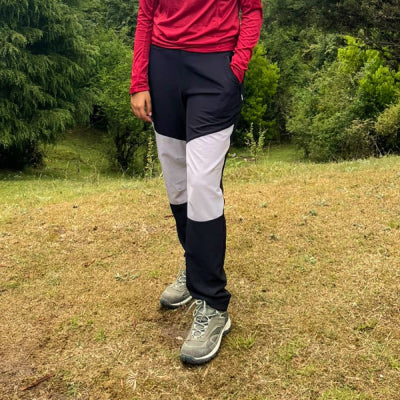
Well-designed trekking gear becomes the foundation. Not because it looks impressive, but because it’s built for unpredictable conditions.
Layering starts with a proper base layer that moves moisture away from the skin instead of trapping it. The body stays drier during climbs and warmer during rest stops. That simple shift prevents the constant cycle of overheating and sudden chills.
Breathable trekking tshirts for men feel lighter over long hours of movement. They stretch where needed and don’t cling unnecessarily. Small differences in fabric choice become noticeable only after time passes — which is exactly when they matter most.
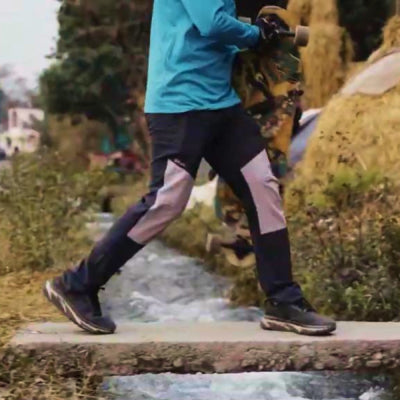
Underfoot, reliable shoes for trek grip confidently on loose stones and uneven slopes. There’s no second-guessing each step. Stability becomes natural instead of forced.
When essentials function properly, something subtle happens.
They stop demanding attention.
And the focus returns to the landscape.
Trail Accessories That Reduce Strain and Add Stability
{{ featured_products_2 }}
The Details That Shape the Day
A long day outdoors is built on small comforts.
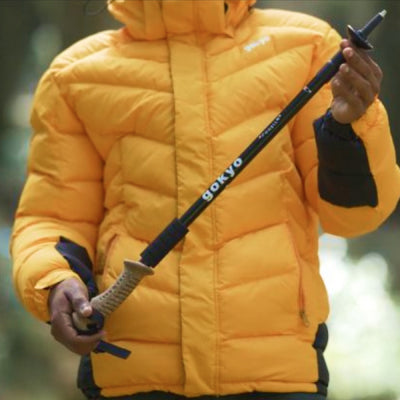
A pair of trekking poles might not seem essential at first, but they reduce impact on knees during descents and provide balance on steeper sections. The body feels the benefit by the end of the trail.
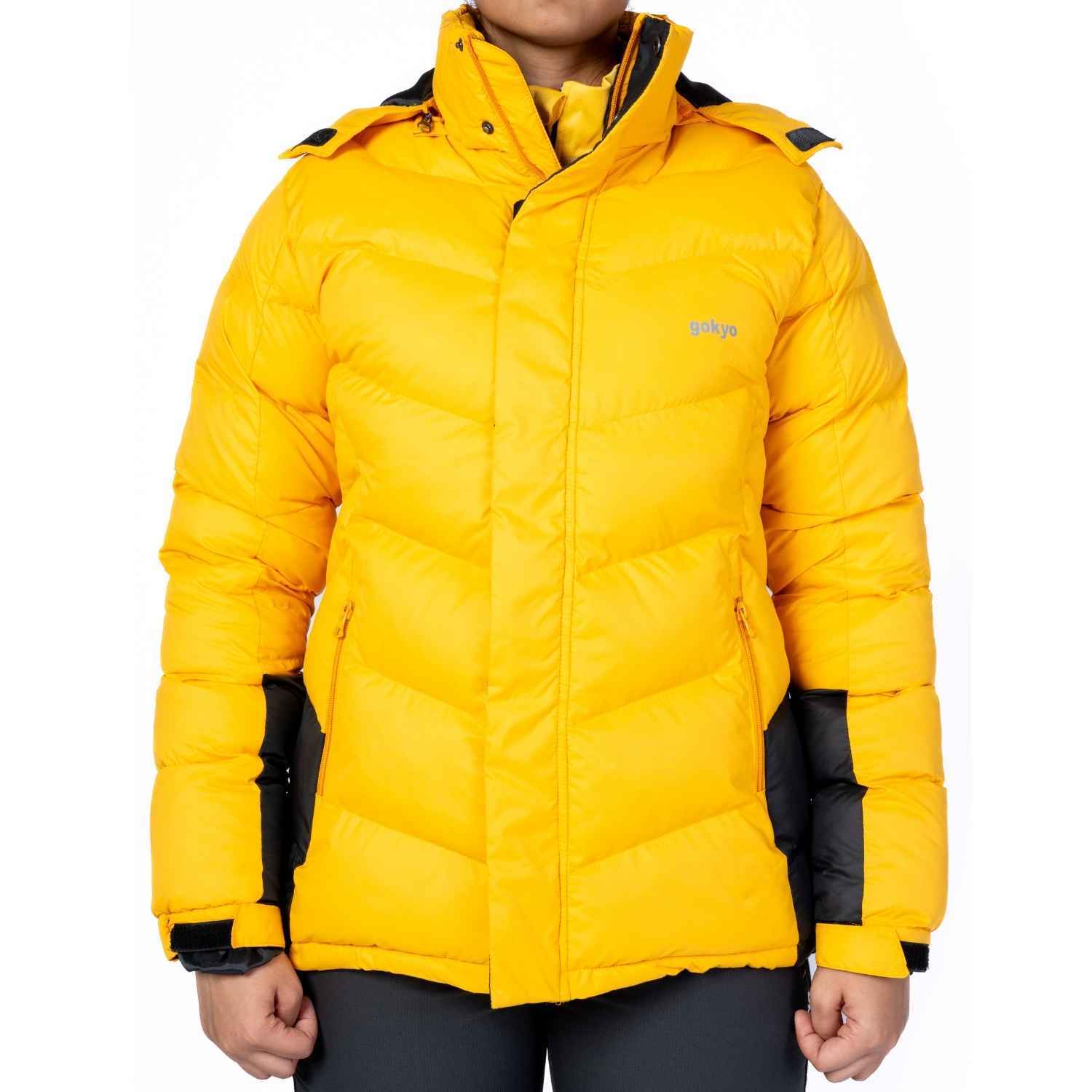
Lightweight yet insulating jackets for men make early mornings manageable and evening temperatures less intimidating. There’s no rush to hide from the cold. Conversations last longer. Sunsets are appreciated without distraction.
Even something as simple as a well-fitted cap for men prevents prolonged sun exposure from quietly draining energy. It’s not dramatic protection. It’s steady prevention.
Hydration also shifts the experience. Insulated thermos flasks keep water at a comfortable temperature instead of turning icy cold at higher altitudes. Adding electrolyte powder work during extended hikes helps maintain endurance instead of hitting an unexpected slump.
When night falls, a dependable sleeping bag becomes more than just bedding — it determines how well the body recovers. Pairing proper rest with balanced meals supported by light protein food supplements prepares muscles for the next day instead of leaving them stiff and strained.
Each element alone feels small.
Together, they change everything.
Hydration and Recovery Essentials for Long Treks


Comfort Supports Presence
There’s a belief that trekking should feel uncomfortable to feel meaningful.
But discomfort doesn’t make the mountains more beautiful.
It just makes them harder to notice.
Comfort in the outdoors isn’t about luxury. It’s about sustainability. When clothing adapts to weather shifts and footwear supports natural movement, energy is preserved for what truly matters — the climb, the summit, the quiet pause halfway up the trail.
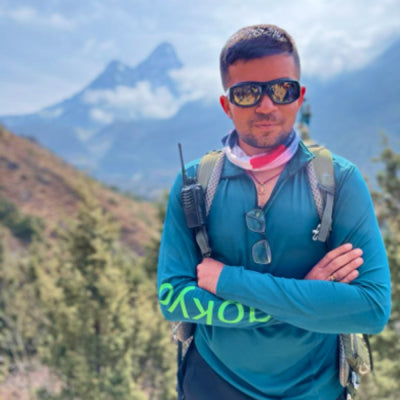
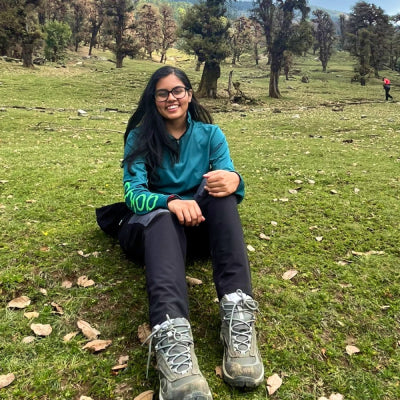
That’s the thinking behind Gokyo Outdoor Clothing & Gear.
Design isn’t centered on trend. It’s centered on durability, movement, and practical performance. Pieces are built to handle terrain changes and temperature shifts without constant adjustment.
When preparation is handled intentionally, the mind relaxes.
And when the mind relaxes, awareness expands.
The Emotional Difference
Two trekkers can stand at the same summit.
One feels exhausted and ready to head back immediately.
The other lingers.
Not because the trail was easier.
But because the journey felt supported.
Reliable trekking gear reduces friction between body and environment. Stable shoes for trek build confidence step by step. Breathable layers prevent discomfort from accumulating quietly over hours.
Essentials from Gokyo Outdoor Clothing & Gear don’t change the mountain.
They change how it’s experienced.
And that’s the real shift.
Instead of counting distance left, there’s attention to the present moment. The sound of boots against gravel. The warmth of sunlight breaking through cloud cover. The steady rhythm of breath during a climb.
The effort remains.
But the strain softens.
Surviving Is Possible. Enjoying Is Intentional.
Reaching the summit is achievable either way.
But the memory carried home feels different.
One version is about pushing through.
The other is about moving with purpose.
Preparation doesn’t remove challenge. It refines it. It allows difficulty to feel rewarding rather than overwhelming.
And that’s the core difference.
Not in elevation.
Not in distance.
Not in weather.
But in readiness.
When the right layers support temperature balance, when hydration stays consistent, when recovery is prioritized, trekking becomes less about endurance and more about experience.
The mountains remain wild.
But the journey feels steady.
And that’s when a trek shifts from something endured…
To something remembered.
FAQs
1. Why does layering matter so much during a trek?
Because weather and body temperature fluctuate constantly. Proper layering maintains comfort and prevents sudden chills or overheating.
2. What makes trekking footwear different from regular shoes?
Trekking footwear is designed for grip, ankle stability, and durability on uneven terrain, reducing the risk of slips and strain.
3. Are trekking poles necessary for short hikes?
They are optional but helpful. Even on moderate trails, they improve balance and reduce joint impact.
4. How can energy levels be maintained during long treks?
Consistent hydration, electrolyte support, balanced nutrition, and quality sleep all contribute to steady stamina.
5. Is investing in quality outdoor clothing worth it for occasional trekkers?
Yes. Even infrequent treks benefit from reliable, weather-appropriate clothing that enhances safety and comfort.
6. What’s the biggest difference between beginners who enjoy treks and those who don’t?
Often, it comes down to preparation and choosing essentials designed specifically for outdoor conditions.
← View Previous Blog:
 Insulation Explained: Why Some Jackets Feel Warmer Without Being Thick
View Next Blog: →
 The Real Difference Between Carrying Gear and Carrying Comfort