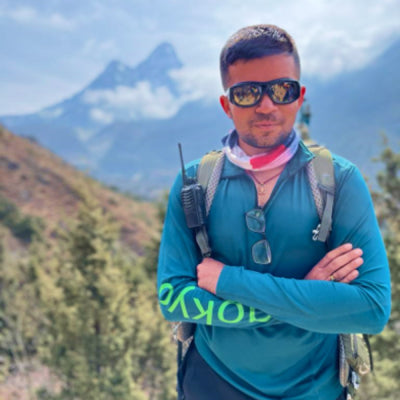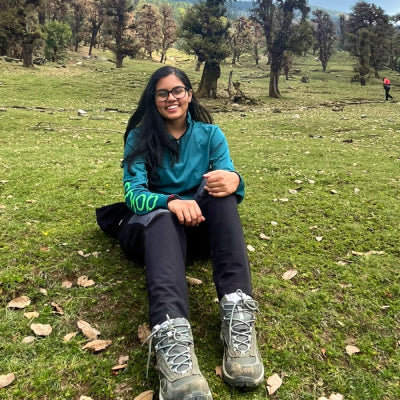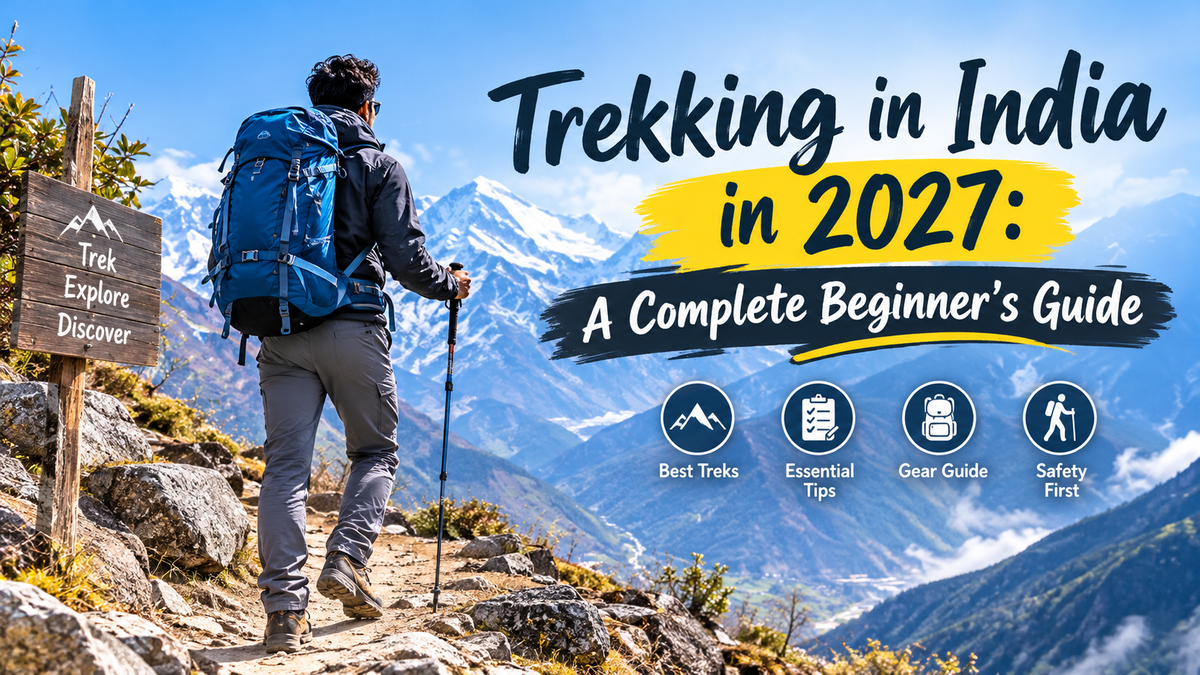
India is home to some of the world's most breathtaking trekking destinations, from the snow-covered Himalayas to lush green valleys, alpine meadows, and scenic mountain trails. Whether you dream of walking through beautiful forests, camping under star-filled skies, or witnessing majestic Himalayan peaks, trekking offers an unforgettable way to explore the outdoors.
If you're planning to start trekking in 2027, there's no better time to begin. You don't need to be an experienced mountaineer or an expert adventurer. With the right preparation, essential trekking gear, and a little determination, even beginners can enjoy the experience.
Here's everything you need to know before planning your first trek in India.
1. Why Should You Try Trekking in 2027?
Trekking is more than just walking through mountains. It's an opportunity to disconnect from everyday routines, challenge yourself, and experience nature up close.
Some of the biggest benefits of trekking include:
- Improves physical fitness: Builds stamina, endurance, and overall strength.
- Reduces stress: Spending time in nature helps you relax and refresh your mind.
- Builds confidence: Builds confidence: Completing challenging trails gives you a sense of achievement.
- Encourages exploration: Discover remote villages, beautiful landscapes, and hidden mountain destinations.
-
Creates unforgettable memories: Every trek offers a new experience, from sunrise mountain views to peaceful nights at campsites.
2. Best Beginner-Friendly Treks in India
Choosing the right destination is important when you're starting your trekking journey. Beginners should look for trails with manageable distances, moderate altitude, and accessible routes.
Here are some popular options to consider for 2027:
1. Triund Trek, Himachal Pradesh
Difficulty: Easy to Moderate
One of the most popular beginner treks in India, Triund offers beautiful views of the Dhauladhar mountain range. Its accessible trail and scenic campsite make it a great introduction to Himalayan trekking.
2. Kedarkantha Trek, Uttarakhand
Difficulty: Moderate
Known for its beautiful winter landscapes and snow-covered trails, Kedarkantha is a favourite among adventure enthusiasts. It offers stunning mountain views and a rewarding summit experience.
3. Nag Tibba Trek, Uttarakhand
Difficulty: Easy to Moderate
Nag Tibba is an excellent weekend trekking option for beginners. Surrounded by forests and mountain scenery, it offers a refreshing introduction to trekking.
4. Brahmatal Trek, Uttarakhand
Difficulty: Moderate
Famous for its frozen alpine lakes and panoramic Himalayan views, Brahmatal is a beautiful winter trekking destination.
5. Tadiandamol Trek, Karnataka
Difficulty: Easy to Moderate
Located in the Western Ghats, this trek offers lush greenery, rolling hills, and beautiful landscapes. It's a great option for beginners looking beyond the Himalayas.
3. What Is the Best Time for Trekking in India?
India offers trekking opportunities throughout the year, but the ideal season depends on your destination and the kind of experience you want.
- Summer (March–June): Ideal for exploring Himalayan meadows, mountain trails, and high-altitude destinations.
- Monsoon (July–September): Perfect for green landscapes and Western Ghats treks, but slippery trails and landslides require extra caution.
- Autumn (October–November): Offers clear skies, pleasant weather, and excellent mountain visibility.
-
Winter (December–February): Best for snow trekking experiences in destinations such as Kedarkantha and Brahmatal, subject to weather and trail conditions.
Always check local weather conditions and trail accessibility before planning your trek.
4. Essential Trekking Gear Every Beginner Needs
Having the right trekking equipment can make a huge difference to your comfort and safety. Beginners often make the mistake of carrying too much or overlooking important essentials.
Here's a basic trekking gear checklist for 2027:
Clothing Essentials
- Moisture-wicking base layers
- Warm fleece or insulating layers
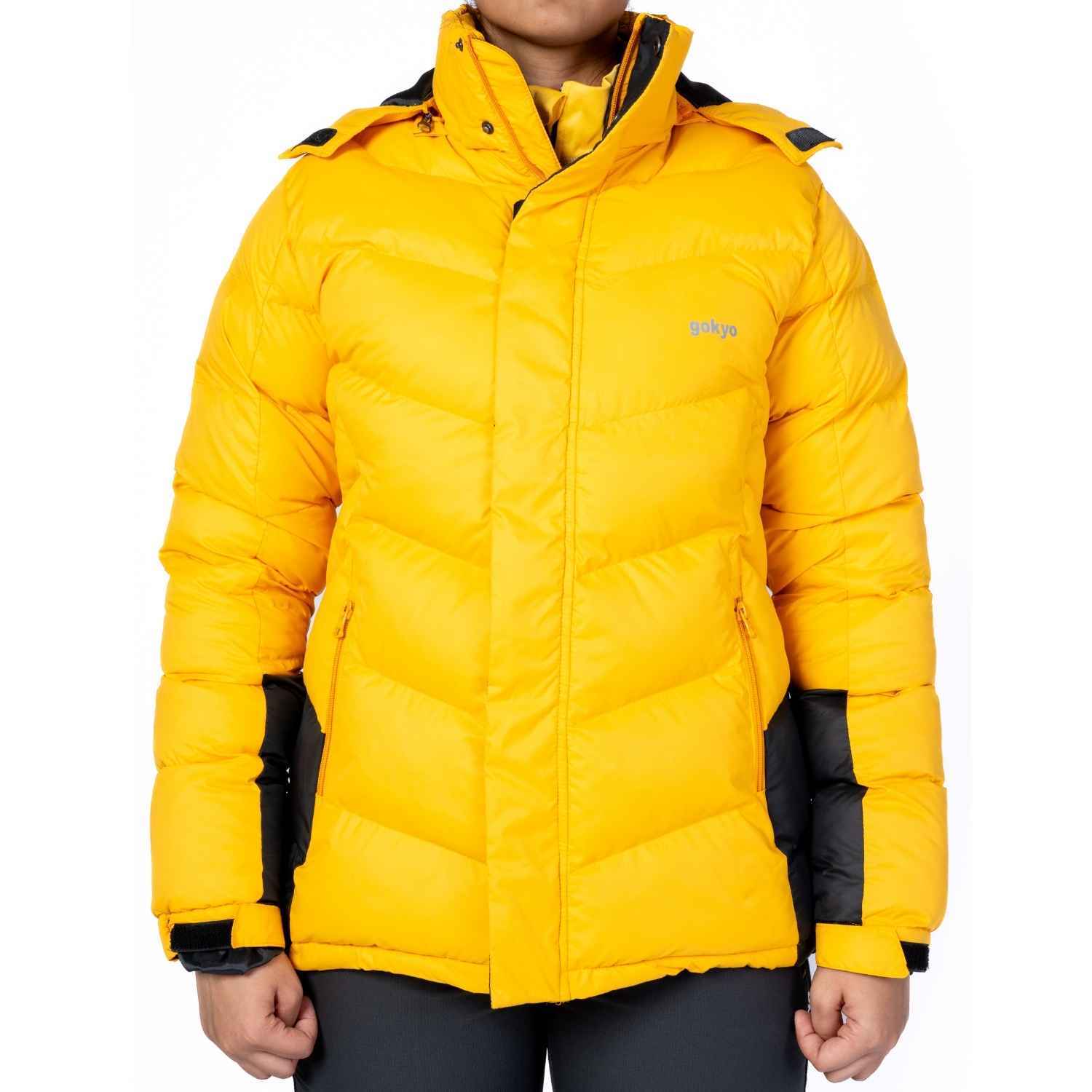
- Waterproof and windproof jacket
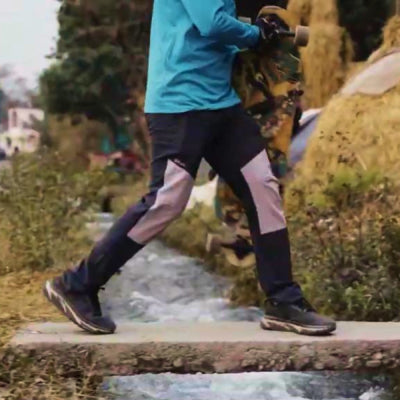
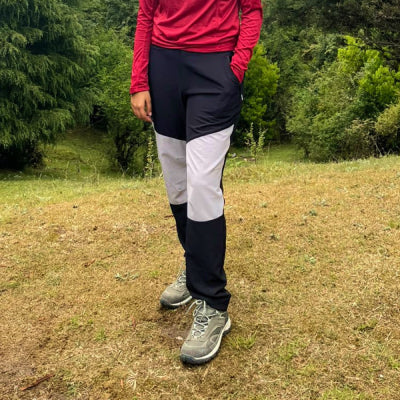
- Comfortable trekking pants
- Thermal wear for cold-weather treks
- Woollen socks
- Gloves and a warm beanie
Trekking Equipment
- Comfortable trekking backpack
- Sturdy trekking shoes
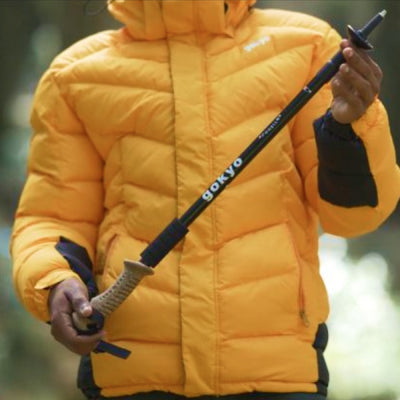
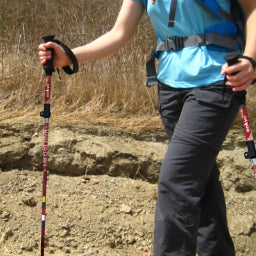
- Trekking poles
- Reusable water bottle
- Headlamp or flashlight
- Sleeping bag (when required)
Personal Essentials
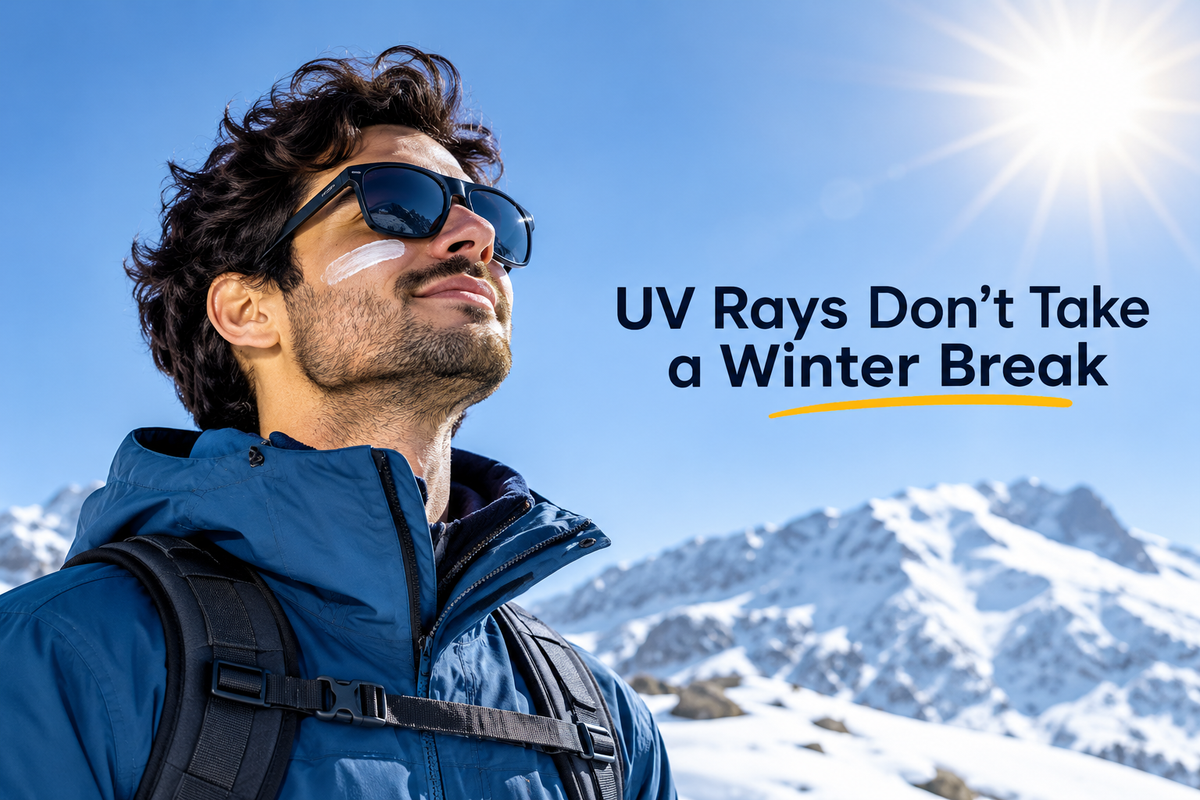
- Sunscreen and sunglasses
- Personal medication
- Basic first-aid kit
- Toiletries and quick-dry towel
- Energy bars and snacks
- Identity documents and emergency contacts
Remember, your gear should match the destination, altitude, weather, and duration of your trek. Investing in good-quality outdoor clothing and equipment can make your trekking experience much more comfortable.
5. How to Prepare Physically for Your First Trek
You don't need to be an athlete to start trekking, but basic physical preparation is important.
Ideally, start preparing at least 3–4 weeks before your trek.
Here are a few simple activities to include in your routine:
- Walking: Start with 30–45 minutes of brisk walking daily.
- Stair climbing: Helps build leg strength and improves endurance.
- Squats and lunges: Strengthen your legs for uphill and downhill trails.
- Cardio exercises: Cycling, jogging, or swimming can improve stamina.
-
Practice hikes: Try shorter hikes while carrying a lightly loaded backpack.
Start gradually and increase the intensity as your fitness improves.
6. Common Trekking Mistakes Beginners Should Avoid
Your first trekking experience can be exciting, but a few common mistakes can make it unnecessarily difficult.
Avoid these mistakes:
- Wearing new shoes: Always break in your trekking shoes before the actual trek to reduce the risk of blisters.
- Overpacking: Carry only what you genuinely need to avoid unnecessary weight.
- Ignoring weather conditions: Mountain weather can change quickly, so always carry suitable protective clothing.
- Not drinking enough water: Stay hydrated throughout the trek.
- Skipping physical preparation: Build basic stamina before attempting longer routes.
- Underestimating altitude: Acclimatise properly and never ignore symptoms of altitude sickness.
-
Trekking without a plan: Research your route, check permits, and follow local trekking guidelines.
7. Trekking Safety Tips Every Beginner Should Know
Safety should always come before adventure, especially when exploring unfamiliar mountain trails.
Keep these important tips in mind:
- Trek with a registered guide or experienced group when necessary.
- Inform someone about your trekking itinerary.
- Check weather forecasts before starting.
- Follow marked trails and avoid taking shortcuts.
- Carry enough drinking water and essential food supplies.
- Respect local communities, wildlife, and the environment.
- Never push yourself beyond your physical limits.
For high-altitude treks, understand the symptoms of altitude sickness and descend immediately if serious symptoms develop.
8. How Much Does Trekking in India Cost?
The cost of trekking depends on the destination, duration, travel arrangements, accommodation, and whether you choose a guided trekking package.
A beginner should consider budgeting for:
- Travel to and from the destination
- Trekking permits and entry fees
- Guide and support staff charges
- Accommodation and meals
- Trekking clothing and equipment
- Emergency expenses
Planning your budget in advance helps you avoid last-minute surprises and enjoy your adventure without unnecessary stress.
Final Thoughts: Make 2027 Your Year of Adventure!
Your first trek doesn't have to be the toughest or the highest. It simply needs to be the beginning of something exciting.
Start with beginner-friendly trails, prepare your body, invest in reliable trekking gear, and learn to respect the mountains. Every trail has something unique to offer, and every step brings you closer to a new experience.
Whether it's a weekend hike in the Western Ghats or a snow-covered Himalayan adventure, make 2027 the year you step outside your comfort zone.
Pack smart. Trek safe. Explore more.
The mountains are calling, and your next adventure is waiting!