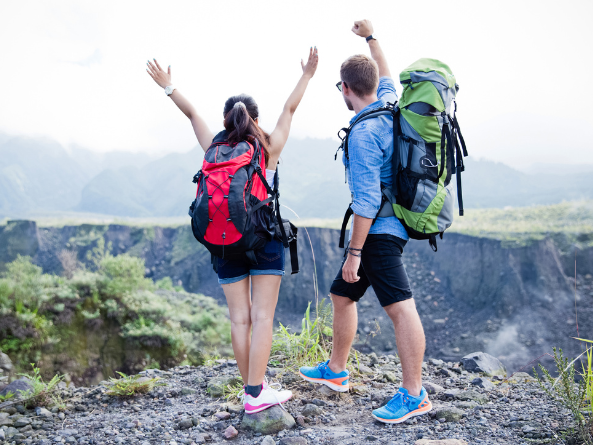
The Raw Side of North Sikkim No Travel Guide Explains
Most travel guides will tell you where to go in North Sikkim.
They’ll list Gurudongmar Lake. Yumthang Valley. Lachung. Lachen. They’ll tell you the altitude, the best season, maybe even the “must-click photo spots.”
What they don’t tell you is how North Sikkim actually feels.
They don’t tell you that sometimes the roads are rough enough to silence a car full of chatty travelers. That the cold doesn’t always look dramatic but seeps in slowly. That altitude humbles you in small, unexpected ways.
They don’t tell you that North Sikkim isn’t polished.
It’s raw.
And that’s exactly why it stays with you.
The Road Isn’t Always Smooth — And That’s the Point
The journey north isn’t a luxury drive.
There are stretches where the road is broken. Landslide repairs. Mud patches after rain. Sudden fog that swallows visibility. You don’t glide into North Sikkim — you earn it a little.
At some point, you stop checking your phone because the network disappears. Conversations shift from loud excitement to quiet observation. You start noticing waterfalls that look like they’ve been falling for centuries, indifferent to visitors.
That’s when you realize: this place doesn’t bend to convenience.
You adjust to it.
Cold That Doesn’t Announce Itself
North Sikkim’s cold is subtle at first.
You won’t step out into a snowstorm in summer. Instead, the chill builds slowly. Mornings feel sharper than expected. Evenings drop temperature quickly once the sun disappears behind the mountains.
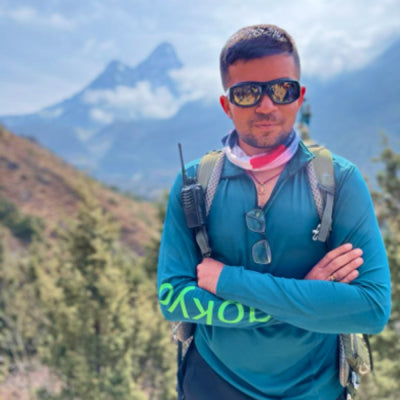
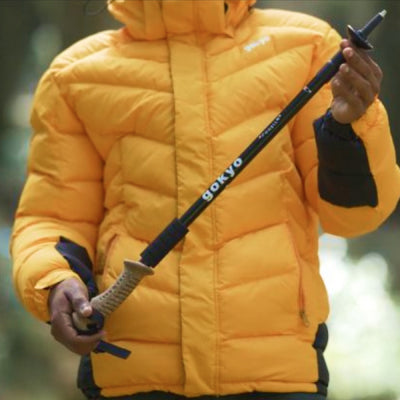
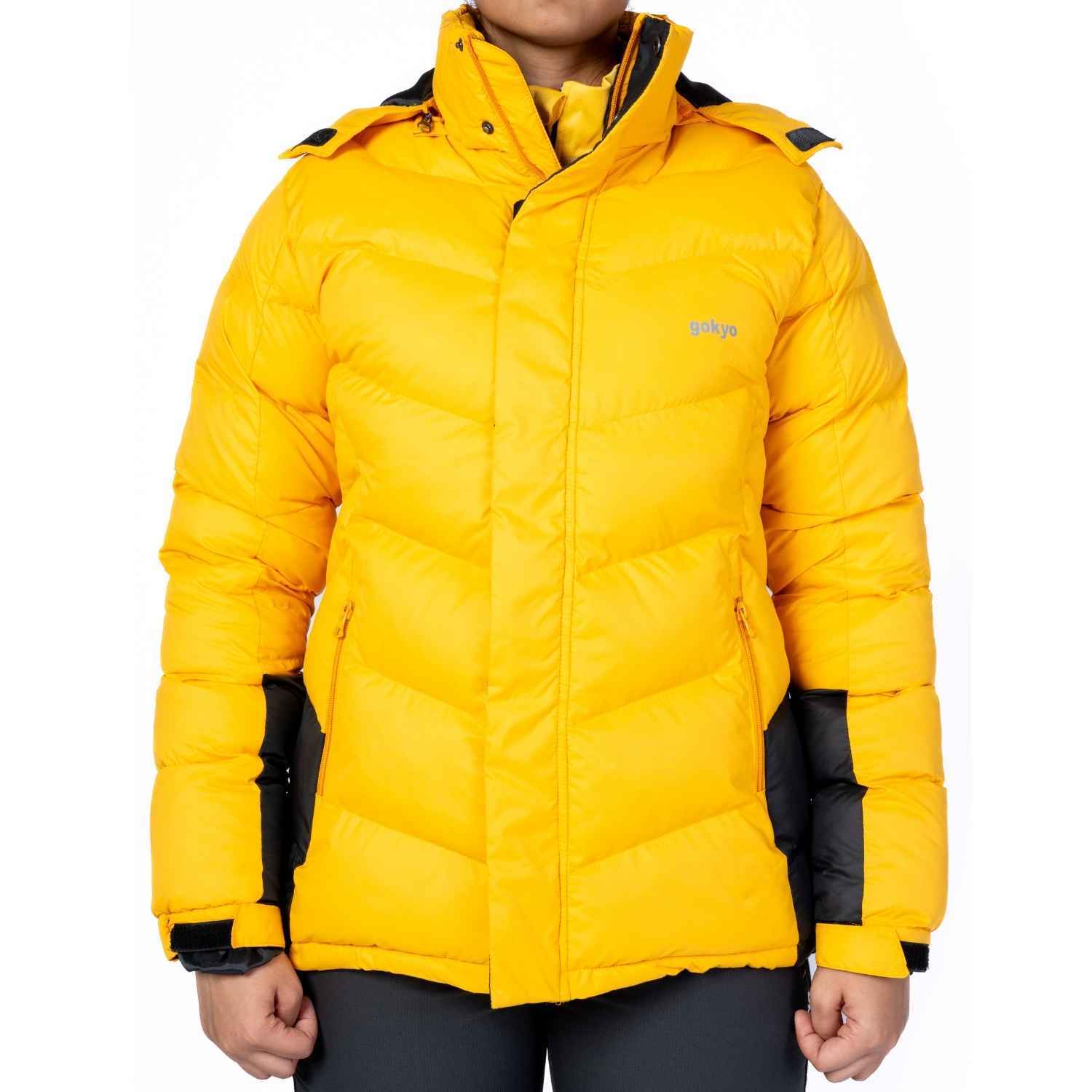
You wake up and instinctively reach for a base layer before heading outside. Later, a soft fleece jackets option becomes your comfort zone during quiet walks. Higher up, especially on early drives toward Gurudongmar, you’ll be grateful you packed a reliable down jacket.
The cold isn’t dramatic.
It’s steady.
And steady cold demands respect.
Essential Warm Layers for High-Altitude Travel


Altitude Has a Personality
Travel guides mention altitude like it’s a number.
But up there, altitude feels personal.
You might feel slightly breathless climbing a short slope. A mild headache might creep in. You’ll realize hydration matters more than you thought. Mixing electrolyte powder into your water suddenly feels less like a fitness trend and more like common sense.
It slows you down — not in a dangerous way, but in a grounding way.
North Sikkim doesn’t allow rushing.
You move at the mountain’s pace, or not at all.
Hydration Support for High-Altitude Conditions


The Silence Isn’t Romantic — It’s Real
We love to romanticize mountain silence.
But the quiet here can feel heavy at first.
There are stretches where you won’t hear traffic, music, or even distant chatter. Just wind cutting across valleys. Just your own boots hitting the ground.
That’s when details matter.
The crunch of gravel under sturdy shoes for trek paths. The way a cap shields your eyes from harsh glare at high altitude. The way sunglasses suddenly feel essential, not optional, because the reflection from snow and pale terrain is stronger than expected.
You start noticing small discomforts too — dry lips, sudden sunburn if you forgot sunscreen, fingers that feel colder than planned.
It’s not a curated mountain experience.
It’s real.
Practical Gear for Windy Valley Landscapes


Yumthang and Beyond: Beauty With Edges
Yumthang Valley is breathtaking, yes.
But it’s also windy. Open. Unpredictable. The weather can shift within minutes. A bright patch of sunlight can turn into grey cloud cover without warning.
You sit on a rock, pour tea from one of your thermos flasks, and watch mist roll across the valley floor. It’s peaceful — but it’s not staged.
Later, as temperatures dip again, layering becomes instinctive. Maybe sliding on lightweight body warmers beneath outerwear. Maybe reorganizing trekking bags in the evening to prepare for the next day’s early start.
When night falls, crawling into warm sleeping bags feels like genuine relief, not luxury.
The mountains don’t cater to comfort.
You create your own.
Comfortable Night Gear for Cold Mountain Evenings


The Beauty Isn’t Always Instagram-Perfect
Some days are cloudy.
Some views are partially hidden by fog.
Some drives are long and tiring.
And that’s what makes the clear moments powerful.
When Gurudongmar Lake reveals itself under a blue sky, it feels earned. When the clouds part just long enough for a photo, it feels like a gift — not an entitlement.
North Sikkim doesn’t perform on schedule.
It exists on its own terms.
Why Preparation Changes Everything
The rawness of North Sikkim isn’t something to fear. It’s something to prepare for.
Packing thoughtfully makes all the difference. Layers that adapt. Gear that handles shifting temperatures. Essentials that don’t fail when the weather does.
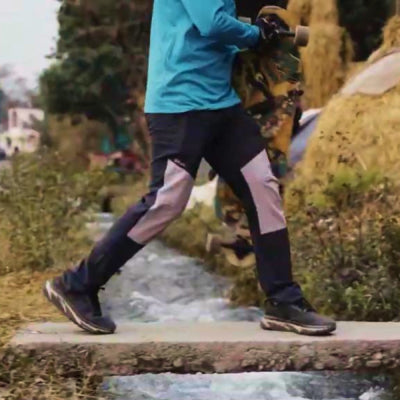
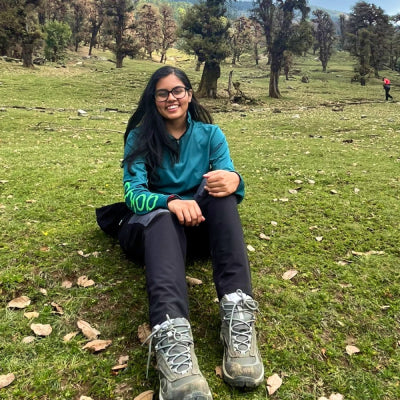
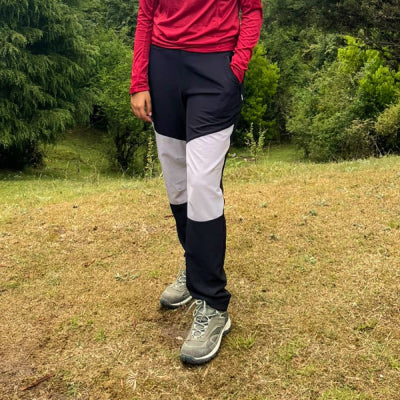
That’s where dependable pieces from Gokyo Outdoor Clothing & Gear fit naturally into the experience. Not flashy statements. Just practical layers, functional designs, and equipment that quietly does its job while you focus on the landscape.
When your clothing supports you instead of distracting you, you notice more.
The sound of wind across high passes.
The way light shifts across distant snow patches.
The calm that comes from being slightly uncomfortable — but fully present.
The Part No One Talks About
The real raw side of North Sikkim isn’t the cold or the roads.
It’s the way it strips away distraction.
No constant notifications.
No endless scrolling.
No late-night city noise.
Just you, layered against mountain air, standing in places that don’t care about your itinerary.
It can feel unsettling at first.
Then it feels freeing.
Because when the rest of India is fighting heatwaves, air-conditioners, and traffic, North Sikkim sits quietly — not offering perfection, but offering authenticity.
And authenticity is rarer than beauty.
FAQs
1. Is North Sikkim safe despite the rough roads?
Yes, when traveling with experienced local drivers and following guidelines. Roads can be uneven, but trips are generally well-managed.
2. How cold does it get in summer?
Days are pleasant, but mornings and evenings can be quite chilly, especially at higher altitudes.
3. Is altitude sickness common?
Some travelers experience mild symptoms. Staying hydrated and avoiding overexertion helps significantly.
4. Do I need heavy winter clothing?
Layering is more effective than carrying extremely heavy gear.
5. Is mobile network reliable?
Connectivity can be limited in many parts of North Sikkim.
6. What makes North Sikkim different from other hill destinations?
Its rawness. Fewer crowds, less commercialization, and a landscape that feels untouched and honest.
North Sikkim isn’t polished for tourists.
It’s rugged. Quiet. Unpredictable.
And when you leave, what you remember isn’t just the scenery.
It’s how real it felt.
← View Previous Blog:
 Looking for a Cooler Place This Summer? The Northeast Has What You’re Missing
View Next Blog: →
 Trails That Make You Stop Walking Just to Look Around