Trails That Make You Stop Walking Just to Look Around
Not every trek feels the same.
Some are about endurance. Some are about reaching the summit. Some are about ticking a name off a list.
And then there are trails that quietly interrupt you.
Mid-step.
Mid-conversation.
Mid-thought.
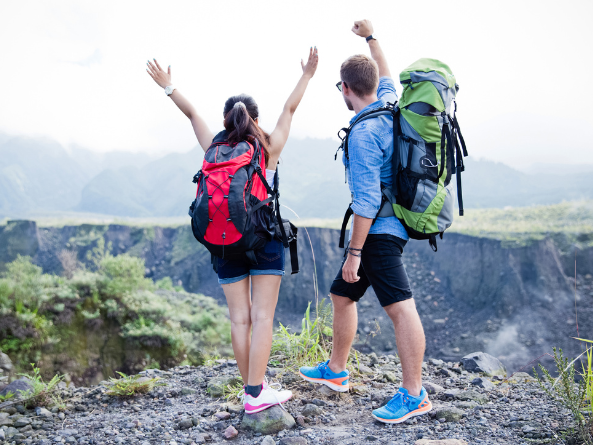
The kind of paths where something in the distance catches your eye and suddenly walking feels unnecessary. Where you turn slowly in a full circle just to absorb it all. Where time stretches out and the only urgent thing left is to look around properly.
Certain Himalayan trails have this effect. Not because they’re extreme. Not because they’re famous. But because they offer moments so visually overwhelming that continuing forward feels almost disrespectful.
Here are a few trails that make people stop walking — not from exhaustion, but from awe.
Kashmir Great Lakes – When the Horizon Feels Too Wide
There’s a specific moment on the Kashmir Great Lakes trail when the climb over a pass ends and the valley below reveals itself.
It’s rarely announced. No signboard. No dramatic soundtrack.
Just a quiet shift in perspective.
Suddenly, rolling meadows stretch endlessly in one direction while an alpine lake sits impossibly still below. Snow patches linger along the ridgelines. The wind moves across the grass in visible waves.
Walking resumes slowly after that — but not at the same pace.
The scale of this trail demands pauses. The horizon feels wider than expected, almost like the landscape expanded while nobody was looking.
Long days here make preparation essential. A well-balanced travel rucksack keeps weight distributed properly during steady ascents, allowing energy to be saved for those long, silent moments overlooking the valley.
And those moments? They arrive more often than expected.
Valley of Flowers – Where Details Steal Attention
Some trails overwhelm with size. Others pull attention downward.
The Valley of Flowers does both.
Wide meadows bloom beneath towering peaks, but it’s often the small details that cause a stop. Tiny clusters of pink blossoms near the trail. Yellow wildflowers scattered unpredictably. Butterflies drifting without urgency.
The effect isn’t dramatic — it’s gentle.
Voices naturally soften here. Steps become careful. Even experienced trekkers slow down without realizing it.
Clouds move in and out quickly, shifting light across the valley floor. One minute everything glows; the next, it looks muted and mysterious.
Breathable outdoor tshirts paired with adaptable layers make these temperature shifts easier to manage. When clothing regulates comfort, attention stays fixed on the landscape instead of on adjusting discomfort.
Thoughtfully built essentials from Gokyo Outdoor Clothing & Gear support that kind of uninterrupted experience — where the environment holds the focus.
Sandakphu – When the Skyline Stops You
On certain clear mornings at Sandakphu, the skyline alone is enough to halt movement.
Everest. Kanchenjunga. Lhotse. Makalu.
Four giants standing together, catching sunlight before the valleys below.
The trail itself feels steady and manageable. Gentle inclines pass through forests that bloom red and pink during rhododendron season. Mist often rolls through unexpectedly, adding a shifting layer of depth to the hillsides.
And then, just when attention drifts back to steady walking, the clouds part.
The peaks reappear.
Movement pauses again.
Stable hiking shoes matter on this route, especially when morning dew or mist makes the ground slightly slick. Secure footing allows attention to shift upward instead of downward.
Because on this trail, the sky frequently demands it.
Goechala – When Scale Feels Personal
Goechala has a way of building anticipation.
Forests grow dense. The trail climbs steadily. Rhododendrons bloom brightly during the right season. And then, gradually, the tree line thins.
Open terrain reveals Kanchenjunga in a way that feels closer than expected.
The first clear view often triggers stillness.
There’s something about seeing a massive mountain so distinctly that makes walking feel secondary. The air feels thinner. The silence feels heavier.
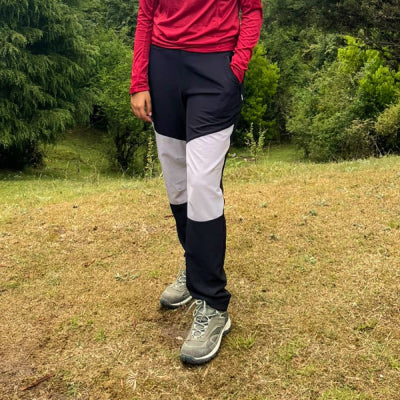
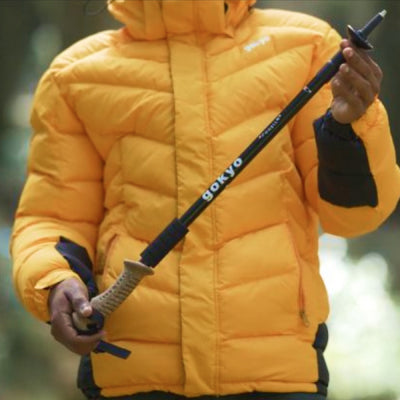
The effort required to reach those viewpoints adds to the experience. Supportive trekking pants and reliable trekking poles reduce strain during climbs and descents, making those stopping points feel earned rather than rushed.
When physical strain is managed properly, the landscape becomes the priority.
Kedarkantha – Where Silence Feels Amplified
Winter changes everything.
On Kedarkantha, snow absorbs sound. Pine trees carry thick white layers. The trail crunches softly under each step.
The world feels quieter here.
And sometimes it’s that quiet that causes a pause.
At the summit, a 360-degree view of Himalayan peaks rises above a blanket of snow. Under bright sunlight, everything reflects intensely. Under evening skies, the landscape softens into pale blue and silver.
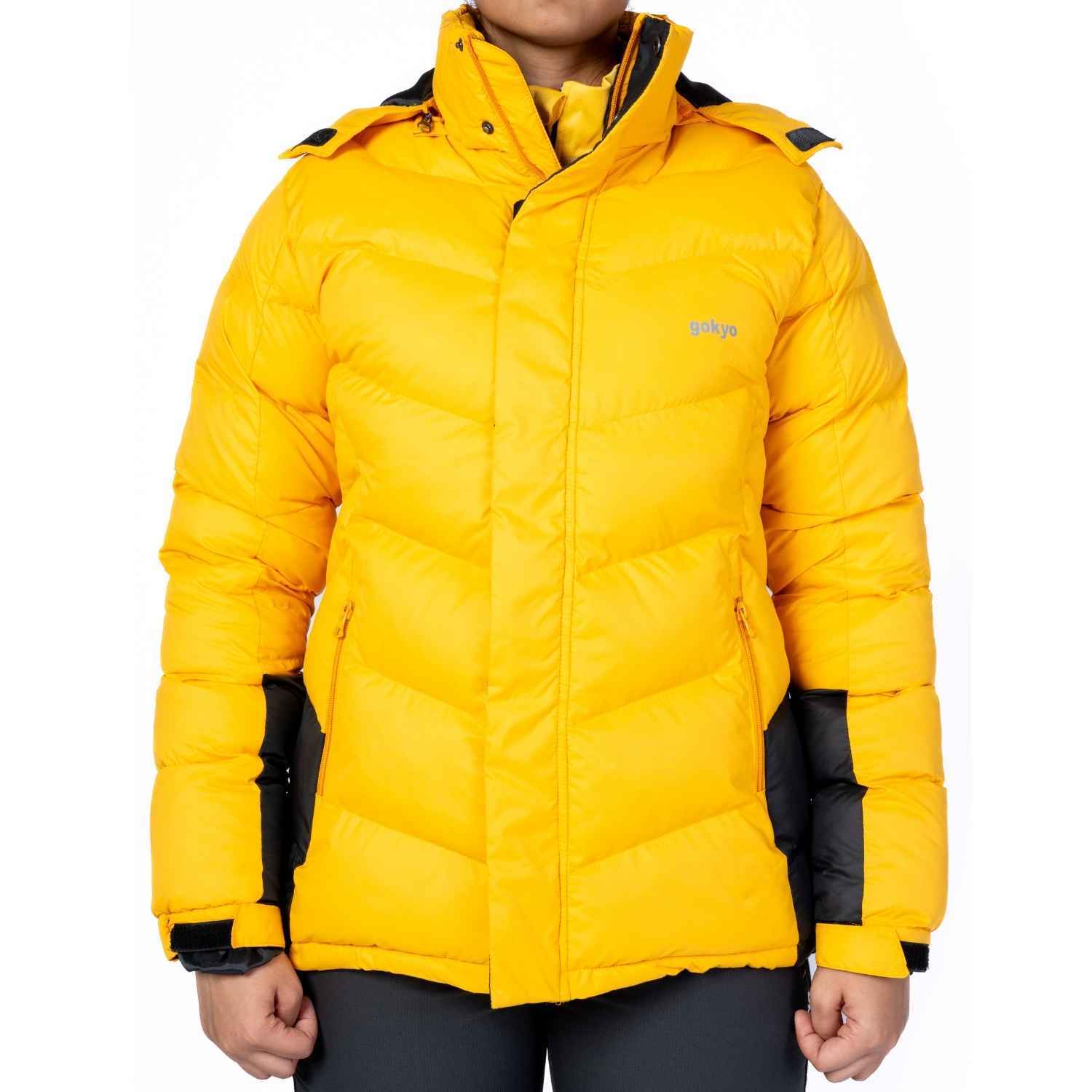
Cold conditions require attention. Insulated layers, protective caps, and warm sleeping bags define comfort levels during winter nights. Warmth influences energy the following day — and energy determines how often attention drifts to the view rather than to fatigue.
Preparedness shapes perception.
What Causes the Pause?
It’s rarely a single element.
It’s scale combined with silence.
It’s contrast between softness and sharpness — flowers beneath mountains, lakes beneath glaciers, forests beneath snow peaks.
It’s also unpredictability. Trails don’t always reveal their best views gradually. Sometimes they appear suddenly after a bend, demanding immediate stillness.
In daily life, movement rarely stops voluntarily. On these trails, it does.
And that pause becomes the highlight.
Preparation That Supports the Moment
Stopping to look around shouldn’t be interrupted by discomfort.
A properly fitted trekking bag reduces shoulder strain during long walks. Durable hiking shoes provide stability on mixed terrain. Hydration supported by water mixed with electrolyte powder prevents fatigue that can dull attention. Light protein food supplements help maintain steady energy levels during extended climbs.
Reliable essentials allow focus to remain on the environment instead of on physical distraction.
That’s where Gokyo Outdoor Clothing & Gear integrates naturally into the journey — prioritizing function, durability, and adaptability so that attention remains where it belongs: on the trail.
FAQs
1. Are these trails suitable for beginners?
Yes, some are beginner-friendly, such as Valley of Flowers and Kedarkantha. Others require moderate stamina and preparation.
2. What season offers the most scenic views?
Summer brings lush meadows and alpine lakes. Spring offers blooming forests. Winter provides snow-covered panoramas.
3. How physically demanding are these routes?
Difficulty varies depending on altitude, terrain, and distance. Consistent preparation makes most manageable.
4. What gear should be prioritized?
Layered clothing, supportive footwear, a balanced backpack, hydration support, and basic nutrition essentials.
5. Why do certain trails feel more immersive than others?
Landscape scale, silence, and sudden viewpoint reveals create moments that naturally command attention.
6. Is professional guidance necessary?
For higher-altitude or remote routes, experienced guides enhance safety and navigation.
Some trails are walked.
Others are experienced in fragments — step, stop, turn, breathe.
The most memorable routes are rarely the ones rushed through. They’re the ones where movement pauses voluntarily. Where surroundings feel larger than expected. Where continuing forward feels almost unnecessary for a few quiet seconds.
← View Previous Blog:
 The Raw Side of North Sikkim No Travel Guide Explains
View Next Blog: →
 Unexplored Mountain Routes in East India