When the Rest of India Burns, North Sikkim Freezes in Silence
By June, most of India feels like it’s arguing with the sun.
You step outside and the heat doesn’t greet you — it confronts you. Roads look tired. Trees look tired. Even people start moving like their batteries are permanently at 20%.
And then there’s this strange thought that shows up sometime around 3 PM, when the fan is spinning but doing absolutely nothing:
There has to be somewhere cooler than this.
There is.
It’s North Sikkim.
And it doesn’t just feel cooler in temperature. It feels cooler in temperament. Slower. Quieter. Like it’s not trying to prove anything to anyone.
The Climb That Changes Your Mood
The drive upward doesn’t feel dramatic at first.
You leave Gangtok, and slowly the traffic thins. Buildings start giving way to trees. The air, almost without warning, begins to feel lighter. Not cold yet — just… breathable.
Windows roll down. Conversations get softer. Waterfalls appear on rock faces like they’ve been there forever and don’t care whether you notice them or not.
By the time you reach Lachung, something inside you has shifted.
You step out of the car and pause.
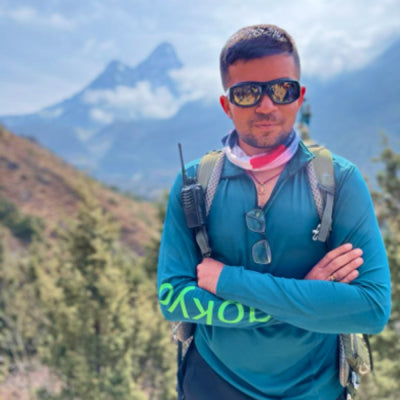
It’s not freezing. But it’s cool enough that your arms instinctively fold across your chest. You reach into your bag, pull on a base layer, and then one of your fleece jackets. The warmth settles in gently. Not bulky. Not heavy. Just right.
And that’s the thing about North Sikkim. Nothing screams. Everything just fits.
Smart Layering for Cold Himalayan Mornings


Mornings That Feel Almost Private
Morning here doesn’t explode into existence.
It arrives quietly.
You wake up, open the wooden door of your homestay, and the air outside feels clean in a way that’s hard to describe. Slightly sharp. Slightly sweet. Completely different from the air you left behind in the plains.
There’s no honking. No construction noise. Just wind brushing past rooftops and maybe a dog barking somewhere far away.
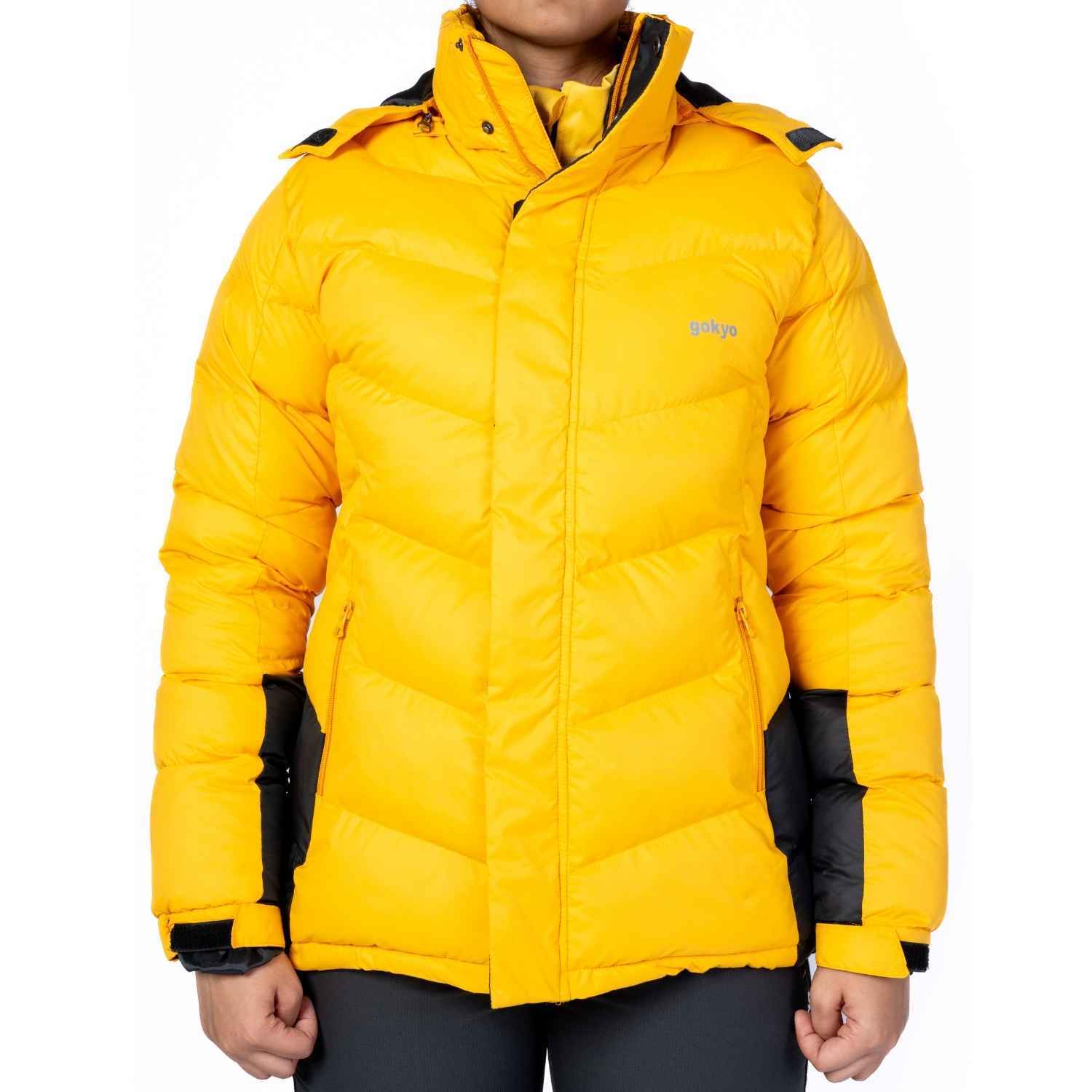
You pull on your down jacket before stepping out. The cold isn’t aggressive — it’s honest. It makes you aware of your skin. Your breath. Your surroundings.
You don’t rush for photos.
You just stand there.
And for a moment, nothing feels urgent.
Outdoor Essentials for High-Altitude Exploration


Gurudongmar: Where Even Talking Feels Loud
The road to Gurudongmar Lake feels unreal. The landscape slowly empties out. Fewer trees. Wider sky. Pale stretches of land that look almost moon-like.
Up there, the wind is different. Thinner. Colder. It slips past your ears and reminds you that you’re not at sea level anymore.
You put on sunglasses because the glare is intense, even though the air is cold. A quick layer of sunscreen feels unnecessary in the moment — until you remember that mountain sun doesn’t warn you. It just works quietly.
When you finally stand near the lake, something strange happens.
People lower their voices.
No one announces it. It just happens.
The silence feels heavy — not awkward, not empty — just thick. Like sound doesn’t travel as easily here.
You don’t need an hour. Ten minutes is enough.
It’s the kind of place that doesn’t entertain you. It humbles you.
Footwear for Valley Walks


Yumthang: Where Cold Feels Soft
Yumthang Valley feels like the gentler sibling.
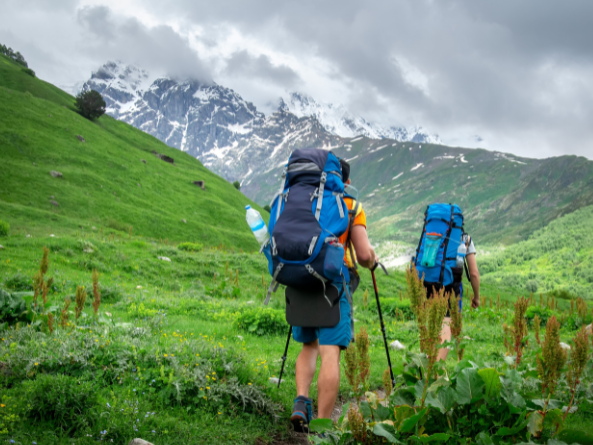
Green stretches roll out under wide skies. In certain months, flowers quietly bloom without making a show of it. The wind moves steadily across open land, carrying a faint scent of earth and snowmelt.
You walk without hurrying.
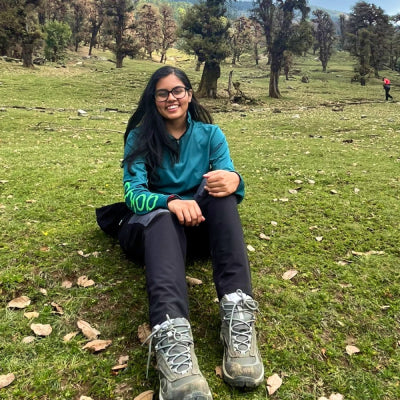
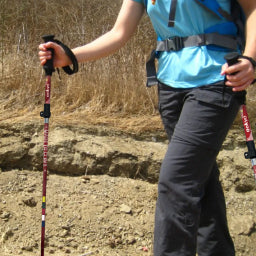
Good shoes for trek trails make it easier to forget about your feet and focus on everything else. The ground isn’t dangerous — just uneven enough to demand attention.
Cold weather can trick you into thinking you don’t need water. But altitude has its own rules. Mixing a bit of electrolyte powder into your bottle keeps you steady, even if you don’t realize it in the moment.
Later, you sit on a rock and pour tea from one of your thermos flasks. Steam curls upward into the cold air.
It’s such a small thing.
And yet it feels perfect.
Evenings That Make You Quieter
By late afternoon, the light changes.
Shadows stretch longer. The temperature drops again — not dramatically, just enough that you add a layer without thinking. Maybe lightweight body warmers under your jacket if the wind picks up.
Dinner is simple. Warm food. Slow conversation.
Afterward, you step outside.
And the sky… it doesn’t feel real.
Stars crowd the darkness. Not a few. Thousands. You wrap your arms around yourself — partly because it’s cold, partly because you don’t know what else to do with that much beauty.
Later, sliding into warm sleeping bags feels less like camping and more like gratitude.
There’s no traffic humming in the background. No distant sirens. Just the kind of silence that makes you aware of your own heartbeat.
Comfortable Gear for Quiet Himalayan Nights


Packing Without Overthinking
North Sikkim doesn’t require extreme expedition planning in summer.
It requires thought.
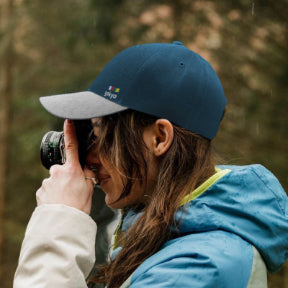
Well-organized trekking bags make life easier when the weather shifts between sun and shade. A cap helps against high-altitude glare. Layers do more work than heavy coats ever could.
The trick isn’t carrying more. It’s carrying smarter.
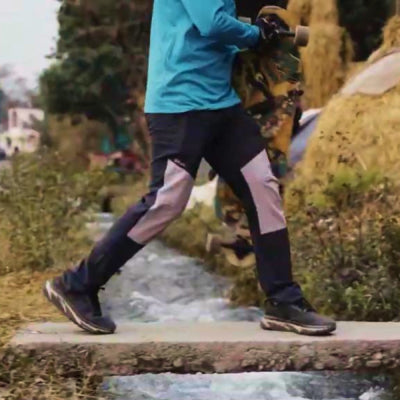
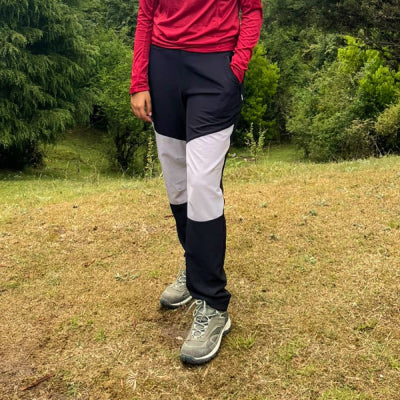
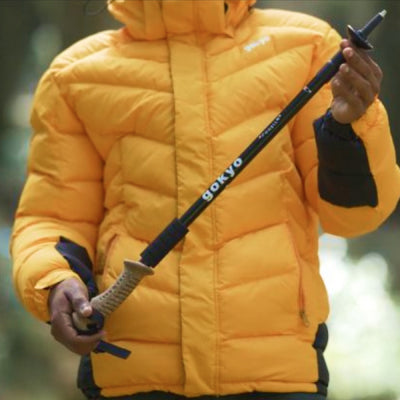
That’s where pieces from Gokyo Outdoor Clothing & Gear quietly earn their place. Not flashy. Not loud. Just dependable layers that let you move freely, stay warm, and forget about adjusting your clothes every five minutes.
When your gear disappears into the background, the mountains step forward.
And that’s how it should be.
Why It Lingers After You Leave
North Sikkim doesn’t compete with beaches or nightlife.
It doesn’t try to entertain you every second.
It simply offers something most of us don’t realize we’re missing: space.
Space between sounds.
Space between thoughts.
Space between obligations.
While the rest of India sweats through another punishing summer, this corner of the Himalayas stays cool — not just in temperature, but in attitude.
And when you return to the heat — when the air feels thick again and the roads shimmer — you’ll remember what it felt like to need a jacket in June.
You’ll remember the way silence can feel full instead of empty.
And for a second, standing in the middle of a hot afternoon, you’ll close your eyes and think:
It exists. That quiet place. It’s real.
FAQs
1. Does North Sikkim experience cold weather during the summer months?
The answer is yes because the region possesses lower temperatures when compared to the plain areas. The daytime experience remains comfortable, but the early morning and late night periods bring actual cold temperatures.
2. Do I need to wear complete winter clothing for the winter season?
The situation does not require complete winter clothing because users should create their outfits through multiple clothing layers.
3. Does cold weather conditions produce strong sunlight?
The answer is yes because high-altitude locations result in increased UV radiation which requires people to protect their eyes and skin.
4. Can beginners explore the Yumthang Valley area?
The answer is yes because most routes become easier to navigate when you move at a comfortable speed and use suitable foot protection.
5. Are there many people present at the location during the highest summer season?
The area maintains a peaceful atmosphere which makes it less crowded than most popular hill stations within North Sikkim's higher regions.
6. What distinguishes North Sikkim from other hill stations?
People experience a tranquil atmosphere which multiple commercial entities disrupt in this area that maintains its open space and total silence.
North Sikkim maintains its own seasonal cycle while the entire country experiences extreme heat from the sun.
The environment remains calm and motionless and the situation stays unchanging.
← View Previous Blog:
 Unexplored Mountain Routes in East India
View Next Blog: →
 5 Most Beautiful Flower Valley Treks in the Himalayas