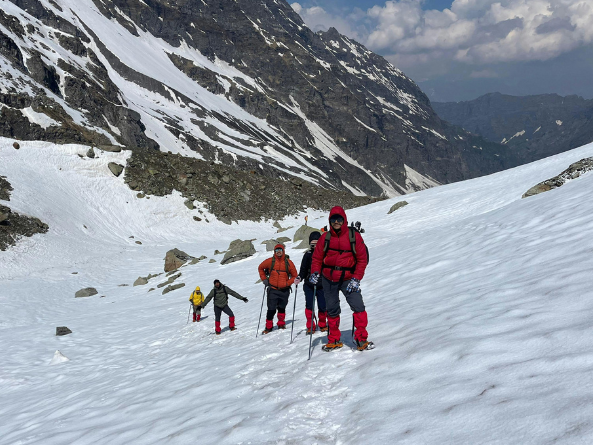
Where to Travel in February If You Want to See Snowfall
February doesn’t rush you.
The arrival brings quietness together with soft skies which create slower mornings while it brings the poetic snow which arrives without dramatic effects. January welcomes its visitors and matches their busy schedules through its loud atmosphere while February presents its calmer nature when it brings snowy weather that creates peaceful conditions with safe outdoor activities.
February offers its first snow to those who wish to experience their first snowfall yet want to see winter.
Frosted windows greet you when you wake up. Your breath turns visible. The mountains in the distance shine with a soft sunlight. Snow falls in February with a slow and elegant movement that appears to be deliberate. Travel evolves from its initial purpose which involves visiting multiple locations to become a quest for particular experiences.
But snow travel asks for more than excitement.
It asks for preparation.
Because beauty in cold places comes with responsibility, and the difference between magic and misery often lies in what you pack and how you layer.
That’s where thoughtful systems from Gokyo Outdoor Clothing & Gear quietly change the experience—by helping your body stay balanced while everything around you feels beautifully unpredictable.
Destinations Where February Snow Feels Like a Dream
Different snowy regions create distinct experiences for their visitors. Some environments create extreme challenges which require advanced skills to navigate. Other environments provide a peaceful atmosphere which allows first-time winter visitors to experience their first snowfall.
Start With Warmth: Everyday Base Layers for Snow Days


Auli, Uttarakhand
Auli displays itself as a living postcard which people can explore. The area features wide slopes that display white snow, pine trees that emit fresh air scent, and Himalayan mountains which silently exist in the background. February here is calm. The time allows you to walk at your own speed and stop whenever needed while you enjoy the present time.
Gulmarg, Jammu & Kashmir
Gulmarg occupies a vast area. The snow-covered meadows create an expansive space which extends throughout your mind. The destination suits travelers who want to experience snowfall without needing to do technical trekking and who want short hikes with hot tea breaks and who prefer to spend their nights sleeping under heavy blankets.
Pahalgam, Jammu & Kashmir
The combination of ice-edged rivers and wooden bridges and forest paths and snow-covered valleys creates an accessible route through Pahalgam which showcases its natural beauty. February brings softer crowds and deeper quiet, making it perfect for reflective winter journeys.
Solang Valley, Himachal Pradesh
Solang offers playful snow. You can walk, slide, explore, or simply sit and watch flakes fall. It’s where adventure meets comfort, and where beginners often fall in love with winter for the first time.
Each destination offers something different—but all share one truth.
Snow changes how your body works.
Walking becomes slower. Energy drains faster. Wind feels sharper. Sun feels stronger. That’s why dressing smartly matters far more than dressing heavily.
Dressing for Snow Is About Systems, Not Thickness
Most people think warmth comes from bulk.
It doesn’t.
It comes from balance.
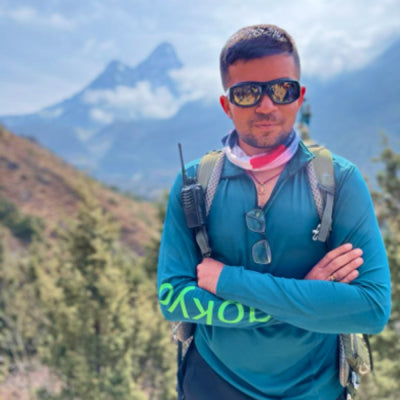
A proper winter system begins close to your skin. Breathable thermals for men regulate temperature while moving, helping sweat escape before it becomes a problem. On top of that, a lightweight fleece jacket traps warmth without suffocating your body, allowing you to climb, stop, and start again without feeling clammy.
Lock In Heat, Stay Flexible on Winter Trails


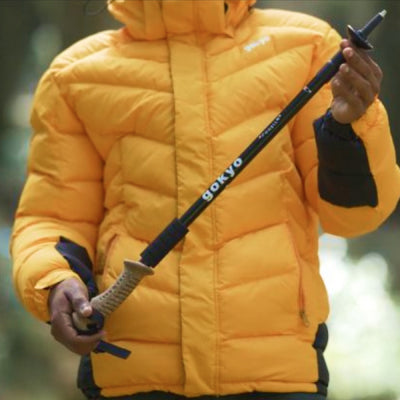
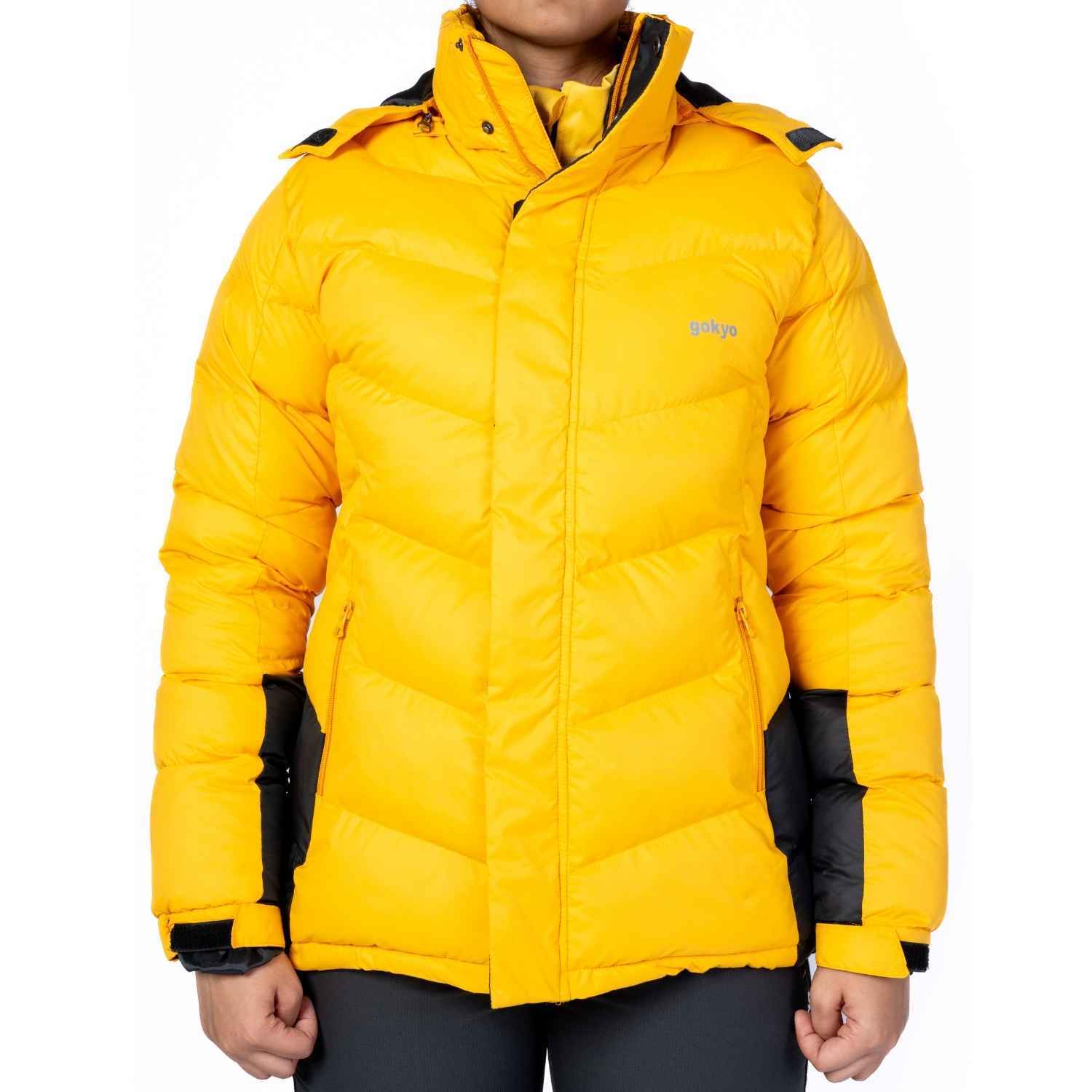
Your outer layers complete the story. Flexible jackets for men protect against cold while allowing movement, and pairing them with a breathable windcheater for men blocks icy gusts without trapping moisture inside.
This kind of layering lets your body stay steady even when the weather refuses to.
It’s a philosophy Gokyo Outdoor Clothing & Gear builds around—gear designed not just for how you feel in the first five minutes, but how you function over long winter days.
What You Carry Matters as Much as What You Wear
Cold destinations have a way of revealing bad packing decisions slowly.
Poorly balanced travel bags pull at your shoulders. Your posture shifts. Your breathing shortens. Fatigue arrives earlier than expected. A well-fitted pack keeps weight close to your core, saving energy you’ll need for exploring snowy trails or climbing gentle slopes.
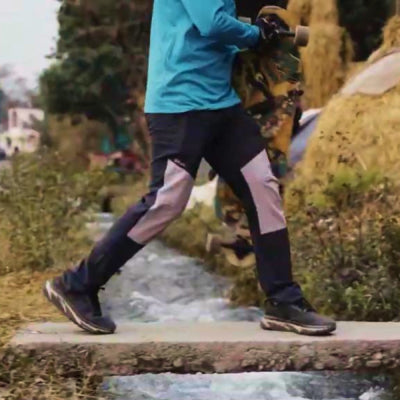
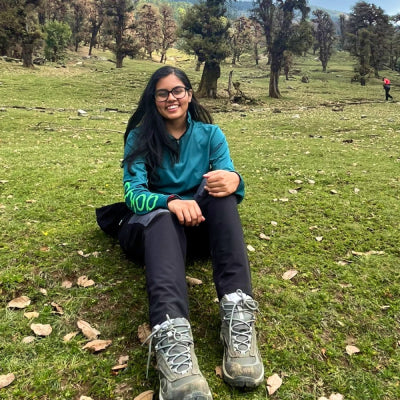
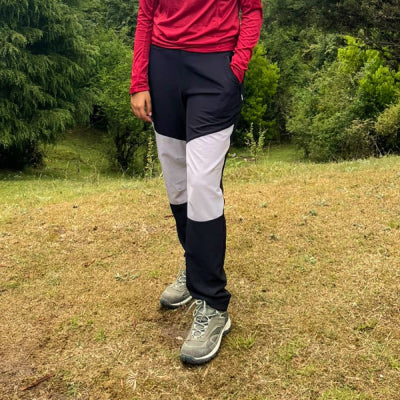
Underfoot, reliable trekking shoes change everything. They grip when snow hides rocks, stabilize your stride, and prevent that constant mental calculation of where to place your next step. Confidence in your footing translates directly into confidence in your journey.
Hands and head lose heat first. Proper winter gloves keep fingers flexible enough to adjust straps or zip jackets without exposing skin to cold. Warm caps quietly prevent heat loss during pauses, especially when you stop for photos or tea breaks.
And then there’s the comfort gear.
A warm sip from a thermos flask does more than heat your palms—it stabilizes your core and lifts your mood on long winter walks. These small moments often become the memories you carry home.
Snow Travel Is Emotional Before It’s Physical
Your first snowfall isn’t just visual.
It’s sensory.
The crunch beneath your boots. The hush that settles over valleys. The way strangers smile more easily when everyone’s bundled up together. February teaches you to slow down—to notice frost patterns on windows, the way sunlight bends across frozen streams, how laughter sounds softer in cold air.
But snow also tests you.
Your body works harder. Calories burn faster. Layers matter more. Without the right rhythm—movement, warmth, hydration, rest—fatigue creeps in quietly.
That’s why winter travel isn’t about pushing through discomfort.
It’s about working with it.
When your clothing breathes, your bag supports you, and your footwear keeps you steady, something shifts. You stop reacting to the cold and start moving with it.
And suddenly, the trip feels less like travel and more like presence.
Let February Change How You See Winter
Snow doesn’t demand bravery.
It asks for awareness.
Carry Comfort Into the Cold: Travel Must-Haves for Snow Trips
{{ featured_products_4 }}
February offers snowfall without chaos, beauty without crowds, and adventure without pressure. It’s the month where winter feels welcoming, where first-time snow travelers find their footing, and where quiet landscapes remind you that slowing down is sometimes the greatest luxury.
So if you’re planning a February escape, pack with intention. Layer intelligently. Respect the terrain. Let your gear support your journey.
Because when you’re prepared, snowfall stops being something you visit.
It becomes something you experience.
And that’s when winter truly stays with you—long after the snow has melted.
FAQs
-
Is February really a good time to experience snowfall for the first time?
The answer is yes because February provides beautiful snow conditions which allow beginners to practice their winter skills without facing crowded slopes.
-
Do I need heavy winter clothing for a February snow trip?
The answer is no because smart clothing allows people to stay warm through layering which enables them to move their bodies and breathe freely.
-
Why do I feel more tired walking in snow?
Snow makes your body work harder. You burn more energy when you try to balance while walking which makes it essential to control your pace and maintain your body temperature.
-
Are small items like gloves and flasks actually important?
The answer is yes because warm hands and covered ears plus hot sips create better comfort during cold weather.
-
What’s the best way to enjoy snow travel as a beginner?
The first step requires you to move at a slower pace while taking breaks and drinking water because winter will determine your travel speed which creates a peaceful experience instead of a difficult one.
← View Previous Blog:
 What Mountain Guides Actually Wear Under Their Jackets (And Why It Matters More Than You Think)
View Next Blog: →
 How Trapped Air Keeps You Warm in the Mountains