How Trapped Air Keeps You Warm in the Mountains
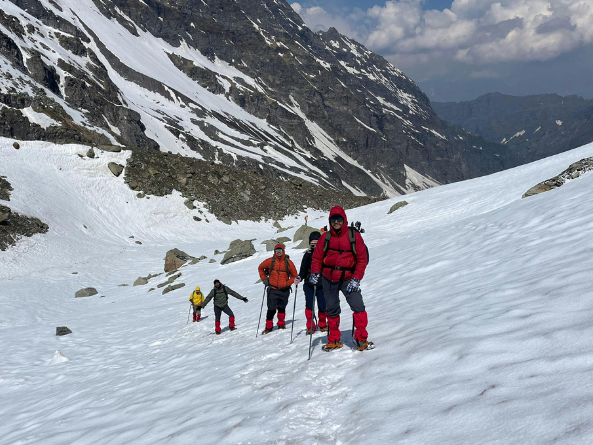
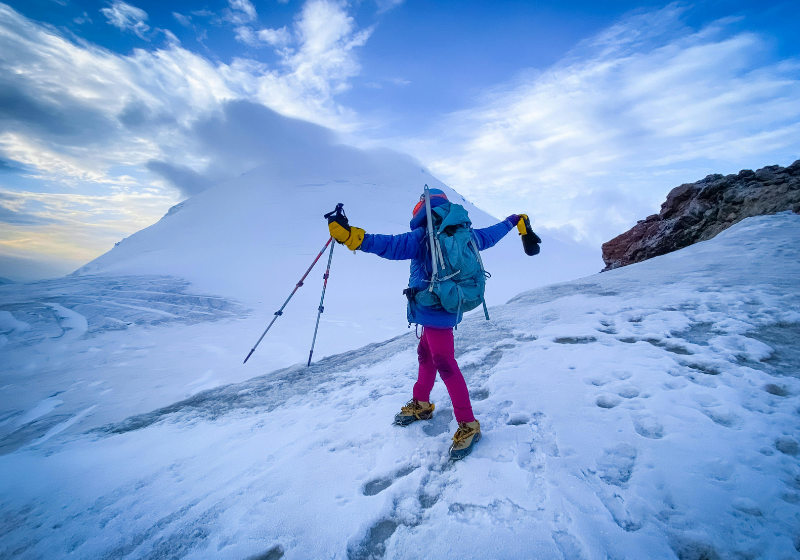
The mountains possess an enchanting atmosphere which exists beyond the visible world. The experience hits you when you reach an open trail which provides a view of vast valleys and snowy mountain tops and skies that appear to touch the earth. The other aspect of that enchantment exists for people who have hiked above sea level because they know that cold weather arrives when the sun is shining.
You start to enjoy the view but your hands need warming because the temperature dropped by ten degrees at that moment.
Most people do not know this fact about mountain warmth: Mountain warmth depends on more than just wearing heavy clothes. Body heat loss occurs through the air which becomes trapped between your skin and your clothing. Your body protection against cold weather depends on these hidden layers which function to protect your body from cold temperatures. Your understanding of body protection against cold weather will change after you learn about how these elements function in your body.
Let's simplify the information into basic components of information.
The Secret Ingredient: Still Air
Air conducts heat poorly according to scientific findings. The research results benefit hikers because they confirm trekking through snow requires less effort than expected. The clothing design creates an air barrier which protects your body warmth by preventing heat from escaping your body. The material functions like hidden insulation which prevents heat from escaping your body.
All effective trekking outfits operate on this fundamental rule which requires them to create body heat storage spaces that keep warm air close to the skin while stopping cold air from entering. The layering technique provides better results than using a single heavy jacket which people wear after they start to layer their clothes.
The human body generates internal heat. Your clothing needs to retain heat by building multiple small air spaces which create insulation. Your body will experience temperature control through this process which occurs in cold winds and high-altitude conditions.
The Coldness of Mountains Increases Human Sensation of Cold Weather
At higher elevations, the air is thinner and wind moves more freely. The wind removes heat from your body at an accelerated rate when your clothing permits the wind to move through your body. Your capacity to maintain body temperature starts to struggle when you combine physical activity with sweating and making multiple stops.
The best benefits of smart layering systems become apparent during this situation.
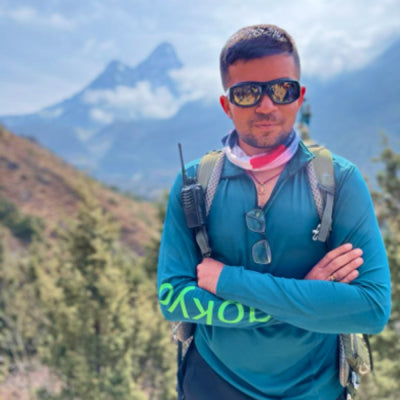
A proper system starts with a base layer that manages moisture, followed by insulation that traps air, and finally an outer shell that protects everything underneath from wind. Gokyo Outdoor Clothing & Gear creates their trekking clothing based on this principle that maintains body heat while permitting trail movement.
Building Your Personal Warmth System
Let’s talk real-world trekking gear—not in technical jargon, but in practical terms.
Your inner layer sits closest to your skin. Thermals for men provide essential body temperature control while maintaining skin dryness. The body needs essential insulation through a fleece jacket because it creates vital air pockets which store body heat without creating excessive weight.
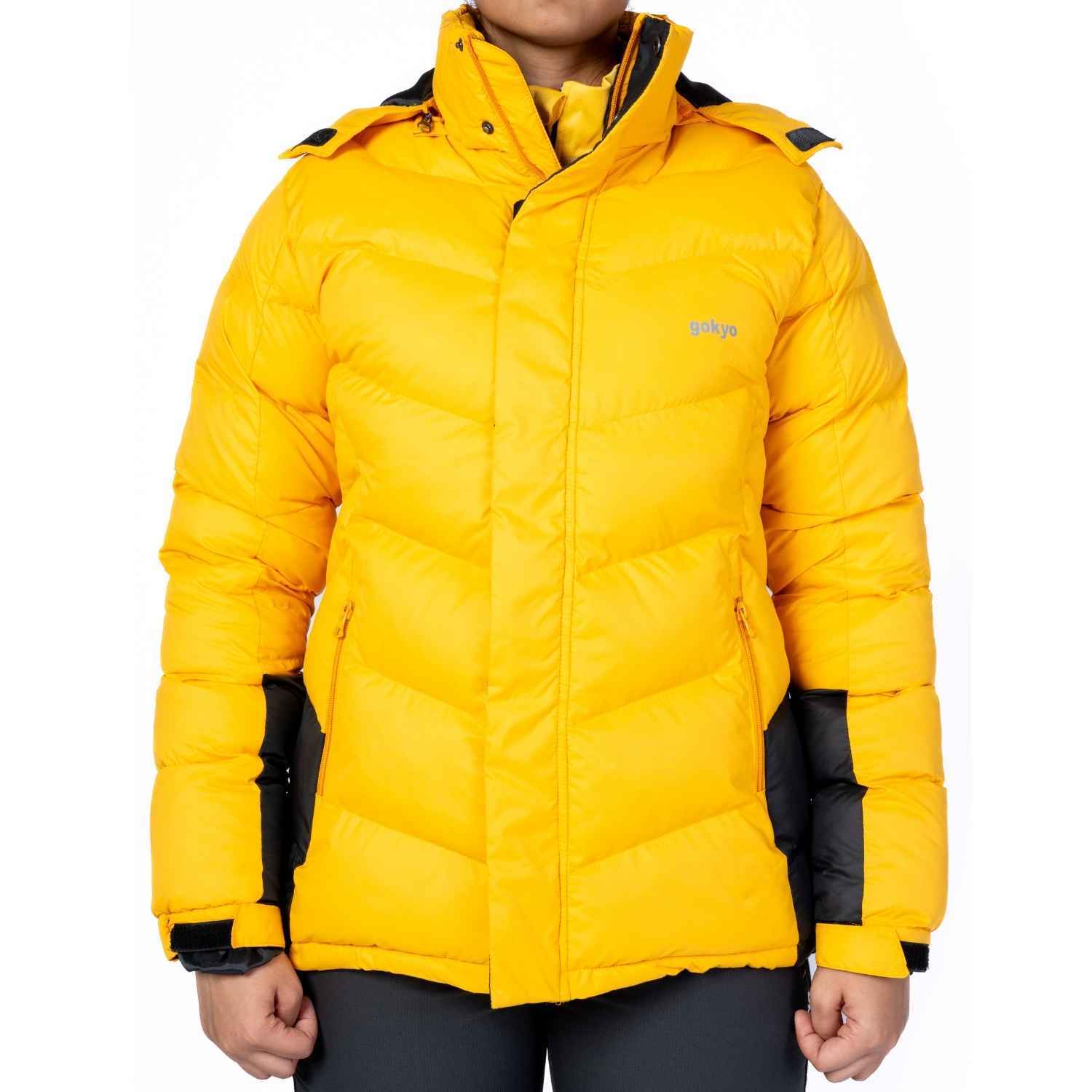
The outermost layer acts as your shield. A lightweight windcheater for men blocks cold gusts while preserving the warm air you’ve built inside. The system creates three separate layers which adjust their function according to your climbing, resting, and weather-based activities.
The body needs warmth in all parts, not only the torso.
Your hands, feet, and head lose heat faster than the rest of your body. The design of accessories becomes equally important with jackets. Winter gloves and snug caps form an effective heat retention system while durable trekking shoes protect your feet from cold ground and snow.
The way you pack your belongings creates an effect on your travel experience. Travel bags with excellent design enable you to carry additional clothing items and food and hot beverages without causing any discomfort which prevents you from making travel choices that diminish your comfort.
Start Warm: Base Layers That Hold Heat Close


Warmth Also Comes From Within
The activity of trekking results in rapid calorie expenditure which occurs especially when people trek through cold regions. Your body requires sufficient energy to produce body heat. Warm drinks serve as a strategic tool which goes beyond their role as a source of comfort.
The act of carrying a thermos flask which contains tea, soup or warm water provides unexpected advantages during cold trail hikes. People who take small sips during their breaks can keep their body temperature stable while they generate energy and positive energy which helps them through their tiring times.
You have established an effective method for maintaining body warmth by combining regular snack intake with continuous water consumption and deliberate walking speed management.
Movement, Moisture, and Balance
Trekking requires people to walk and take breaks and add extra clothing and continue walking. The body produces thermal energy through movement yet excessive physical activity results in perspiration which makes dry outfits lose their thermal insulation ability. You must keep your body at an appropriate temperature while walking until you reach your stopping point where you can put on more clothing. Trekkers who have experience need to make ongoing changes because they must understand what their bodies require.
Quality gear makes this easier. Gokyo Outdoor Clothing & Gear has developed design solutions which provide users with better movement through their products because they prioritize both airflow and temperature control and body flexibility.
Block the Wind, Keep the Warmth In


Small Choices, Big Comfort
Most new hikers commit a common error because they fail to understand that multiple sources of heat lead to total body warmth. The system requires each element to function because all elements work together. The extra pair of socks. The insulated mid-layer. The warm drink tucked into your pack. The system operates through these elements which work together to help you maintain your body heat.
You will appreciate your forethought because daylight decreases and temperatures drop in the afternoon. The mountains require researchers to prepare their work because research requires them to do thorough work for studying and for work-related needs.
Final Thoughts
Invisible trapped air serves as the strongest asset for your journey through the mountains. The material functions as insulation which protects your body from harsh mountain weather conditions while maintaining its required body temperature.
Your body will remain warm during your journey because you use smart layering together with dependable equipment and advance planning.
When your clothing fits your body properly it makes every step less difficult while providing more comfort during breaks and enhancing your experience of each sight.
The proper experience of trekking exists in this form.
Don’t Lose Heat Through Hands, Head, or Feet


FAQs
-
What does "trapped air" actually mean in clothing?
The term describes small air pockets which exist between two fabric layers. These pockets create insulation which prevents heat from escaping thus preserving your body heat. -
Why is layering better than one thick jacket?
The combination of multiple layers creates additional air pockets which enable you to adapt your clothing according to your current activity level and the changing weather conditions. -
Do accessories really make a big difference?
Yes. Your body loses heat rapidly through your hands and feet and head so proper coverage of these areas will enhance your overall body warmth. -
How do I avoid getting cold from sweat?
You should wear breathable clothing while controlling your activity level and using insulation during your breaks to keep your body warm and dry. -
Is warm food and drink necessary on treks?
Absolutely. Your body needs calories combined with warm liquids because these components enable you to produce internal body heat and maintain your energy throughout the day.
← View Previous Blog:
 Where to Travel in February If You Want to See Snowfall
View Next Blog: →
 Best February Travel Destinations for Budget Winter Trips