Planning a Winter Trek This December? Here’s the Complete Gear Checklist You Shouldn’t Ignore
Winter trekking has a certain kind of magic about it.
The crunch of freshly fallen snow beneath your feet, the sharp tang of wind against the skin, and the glow of the rising sun on the peaks all add to an unparalleled sense of tranquility. But let's face it: winter trekking can chew you up and spit you out without proper preparation. If you don’t get everything ready beforehand, that beautiful winter wonderland could quickly change to a bitterly cold hell on earth.
Before scheduling dates or reaching out to friends or through social media for motivating images, take some time to compile a gear list and properly pack. A good gear list is not only a way for you to enjoy the experience, but it also serves to keep you safe and warm while you hike and to allow you to make every step enjoyable without constantly feeling cold or fighting your way through the terrain.
The following is a complete gear list based on years of practical experience hiking winter trails, put together by the team at Gokyo Outdoor Clothing & Gear, whose products have earned the trust of winter trekkers, due to the high-quality; durability and reliability in extreme weather conditions.
Selecting Footwear Carefully Is Important – Pick Shoes to Match Weather Conditions
Your choice of trekking shoes can greatly affect your winter trek depending on what kind of weather you will encounter. December is typicaly a snowy month, but with so many changes in the temperature surrounding snowfall, plus all the thawed and frozen areas, muddy/slushy areas as well, it is essential that you choose an ankle-high trekking style shoe with good grip and insulation properties to keep the elements out to allow for great comfort while hiking.
The best way to prevent slipping on wet and/or iced over surfaces (including rocks) is to wear a shoe with an aggressive tread pattern on the sole and make sure the shoe is broken prior to heading out on a long hike. It is not a good idea to take new shoes on a long, arduous hike. Trekking socks provide extra insulation against cold feet and help reduce moisture levels from your body. Cotton socks will absorb moisture from sweat and that can lead to very uncomfortable situations for a novice climber when their socks become wet and cold while hiking in the depth of winter. Always bring at least 3 additional pairs of socks along (rotate the socks while wearing them) during a hike to help dry them and not allow moisture to build up in them as you are hiking.
Recommended Winter Trekking Shoes


Dressing in Layers
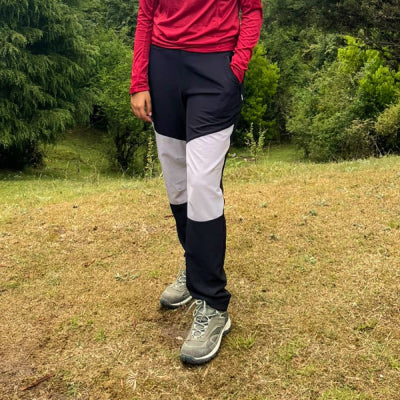
Dressing in layers is the best method to stay warm during the winter season. To accomplish this, trap the body heat you create while doing activity and limit the amount of sweat on your body. The first item of clothing you should wear is thermals for men or women. They are designed to keep your core temperature even throughout your activity and allow moisture to leave your body. If your body is wet and you are wearing several warm layers, your chances of developing hypothermia are much higher; therefore, do not take chances.
The second layer of clothing should be something that provides warmth without adding bulk (e.g., fleece jackets or other lightweight insulation). These types of clothing are perfect for layering because they are very warm while being lightweight; you can easily unzip and remove or replace them when necessary due to changing weather conditions.
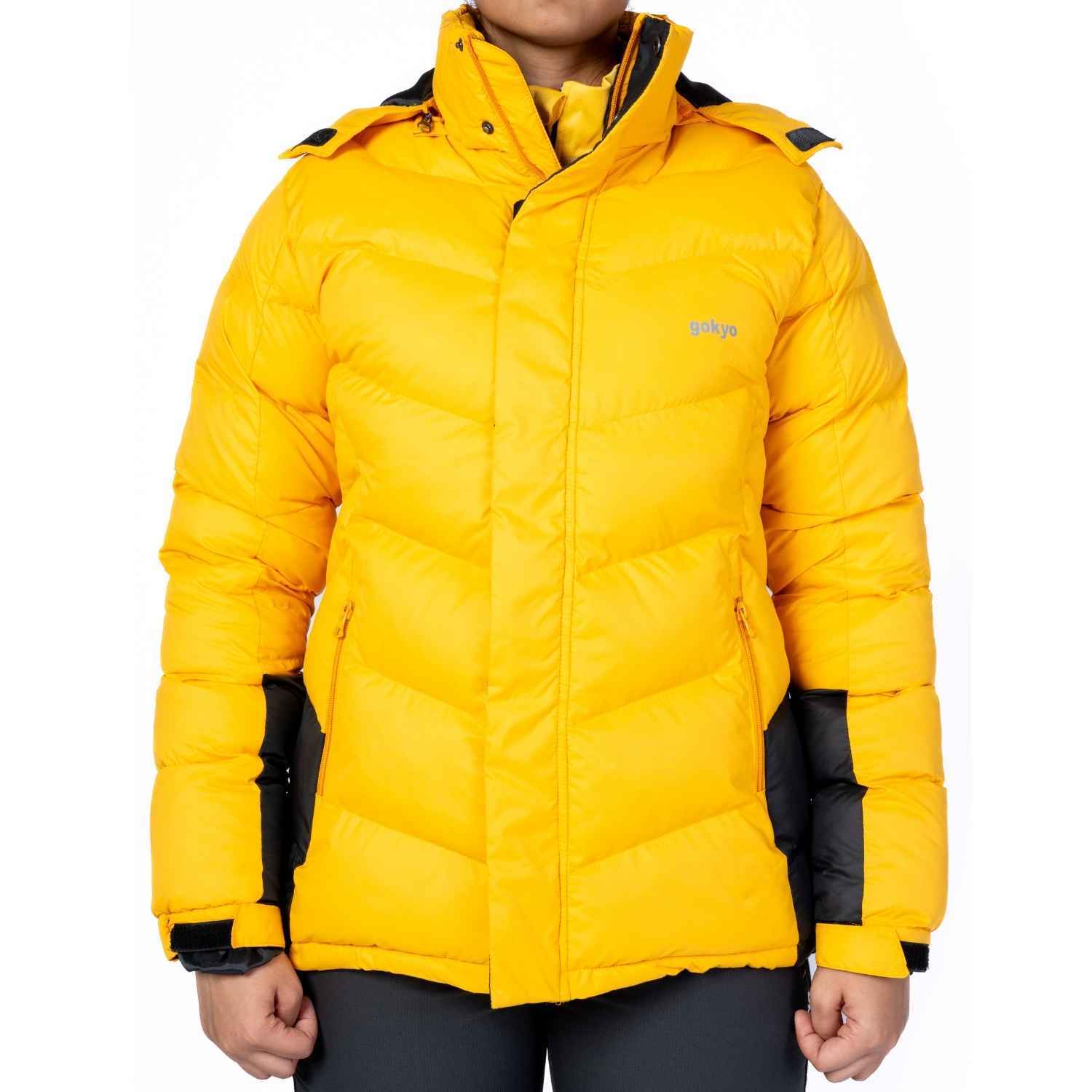
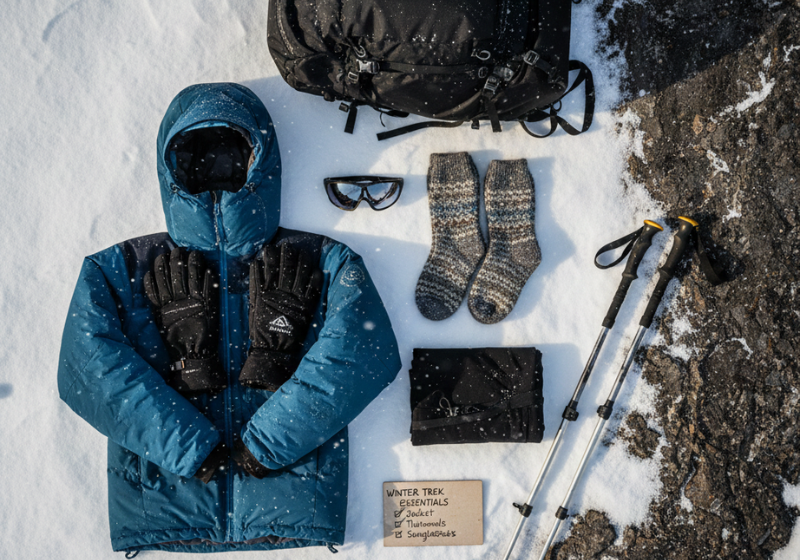
Finally, mens winter jackets are necessary to protect you from extremely cold wind. Find a coat designed specifically for men or women in order to find the right fit and warmth. It should be made from windproof material, have some sort of water-resistant material (e.g., Gore-Tex or similar), and have a hood to protect your neck.
The outer layer is very important because it provides protection from strong cold winds at points on ridges or at summits during the morning.
Essential Winter Layers for Trekking


Protect Hands and Face
Fingers usually "cool" the fastest of body areas, and feeling numb in fingers will complicate any activity involving fingers, such as simply handling a carabiner. Ensure you have a set of hand gloves that have a waterproof outer layer plus a fleece liner inside. Ensure hands have movement; heavy, bulky "ski models" may restrict the ability to grip a trekking pole when rock climbing.
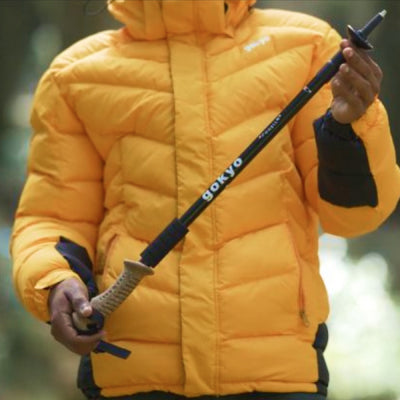
Trekking poles save energy and add balance and stability to the knees when descending from higher places.
Windburned cheeks and chapped lips are rarely appreciated. Therefore, you should carry balms and moisturizers on your lips and face and carry a neck gaiter or balaclava.
Cold Protection Accessories
{{ featured_products_3 }}Sleep Warm, Sleep Safe
At campsites during the evening; while everyone is laughing, joking, and relaxing around the fire, your tent can be freezing cold as it might be 2 or 3 meters away from them. The two factors which determine how warm you will be sleeping at night are the type of material and how thick the sleeping bags are as well as where it is being placed on the tent floor.
Always use sleeping bags which are rated to keep you warm in temperatures below zero. Adding a fleece sleeping bag liner offers added warmth and comfort at high-altitude camps.
Remember to use a good insulating sleeping pad as the ground pulls heat much faster than air does.
Sleeping Bags for Sub-Zero Nights


Smart Packing Preserves Trails and Shoulders
Your pack is essentially your “home on the road.” For multi-day hikes, trekking bags in the 50-65L size range will have a strong hip belt, a rain cover, and distribute weight correctly throughout your body. When you have quality bags that provide appropriate supports for your body, they will lessen the strain on you and keep your shoulders from hurting by the end of the second day.
To keep clothing, gadgets, and food dry while hiking in heavy rain or snow, pack your possessions in waterproof dry bags.
Getting to enjoy hot drinks while hiking in the mountains is amazing, and it is even nicer when you don’t have to wait for the water to boil to have one! That’s one of the benefits of using thermos flasks! They will keep not only tea and coffee hot for anywhere from 10-15 hours but also keep water hot at temperatures around -10° C!
Packing bags for Winter Treks


Quick Gear List for Winter Trekking
Clothing and Warm Layers
✔ Thermals (Top and Base Layer)
✔ Fleece Mid Layer
✔ Men's Winter Jacket (Like a Wind Blocker)
✔ Trekking Socks (3-4 Pairs)
✔ Gloves and Liners
✔ Warm Hat and Neck Warmer
Footwear
✔ Trekking Shoe
✔ Gaiters (Optional but Handy)
Sleeping and Camp Gear
✔ Sleeping Bags
✔ Inner Liner
✔ Sleeping Mat
Equipment for Backpacking & Accessories
✔ Trekking bags (50-65L)
✔ Thermal bottles
✔ Headlamps
✔ Trekking poles
✔ Sunglasses for snow glare
Must-Haves for Personal Use
✔ Sunscreen
✔ Moisturiser
✔ Lip Balm
✔ Basic Medical Supplies and First Aid Kit
Why Choose Gokyo Outdoor Clothing & Gear?
The mountains are uncompromising; your outdoor equipment should not be either.
Gokyo Outdoor Clothing & Gear creates performance-equipped products for climbers and trekkers in India, based on real weather testing done in the high-altitude environment of the Himalayas. Gokyo offers high-altitude jackets, rugged shoes and technical accessories designed for people who live a life of adventure, rather than simply going on a trip.
If you're getting ready for a December trek, this is the gear you can rely on when temperatures fall below expectations, and every layer is important.
FAQs
Can a novice hike during winter?
Yes, as long as you've made adequate preparations and selected routes that are easy or moderate in difficulty. Correctly selected thermals, footwear and layering are more significant than your experience.
What kind of temperatures are found on December treks to the Himalayas?
Camps can reach an extreme lower than -10 degrees Celsius, with wind chill creating an even greater concern. High warmth sleeping bags and fleece mid-layers should be utilized.
Should you bring trekking poles while trekking in winter?
Trekking poles provide more stability while walking over snow and reduce knee stress on steep or icy slopes when you walk down.
How do I keep my drinking water from freezing overnight?
Carry a vacuum insulated thermos with you in the evening and place it inside your sleeping bag at night.
Do you really need to wear a waterproof jacket when trekking in winter?
Definitely! As you never know what kind of weather will occur while you're hiking, if it snows, your waterproof jacket will keep you dry and allow you to stay warm.
How big should my backpack be to carry everything I need for a week of trekking?
50-65 liters should be large enough for your needs (the pack needs to have right size shoulder straps for comfort and support) and provide enough space for multiple layers, food and your sleeping system.
Final Thoughts on Winter Trekking
The purpose of winter trekking is not just to survive in the mountains; it's about enjoying, learning to love and embrace the mountains. By using the proper equipment to prepare for winter trekking, it will be much easier and more enjoyable for everyone. Be prepared, follow the Leave No Trace guidelines, and allow your winter trek to show you what true peace really feels like. I hope to see you on the trail!
Gokyo Outdoor Clothing & Gear was designed for all adventurers out there!

← View Previous Blog:
 The Jacket Myth: Thicker Doesn’t Always Mean Warmer