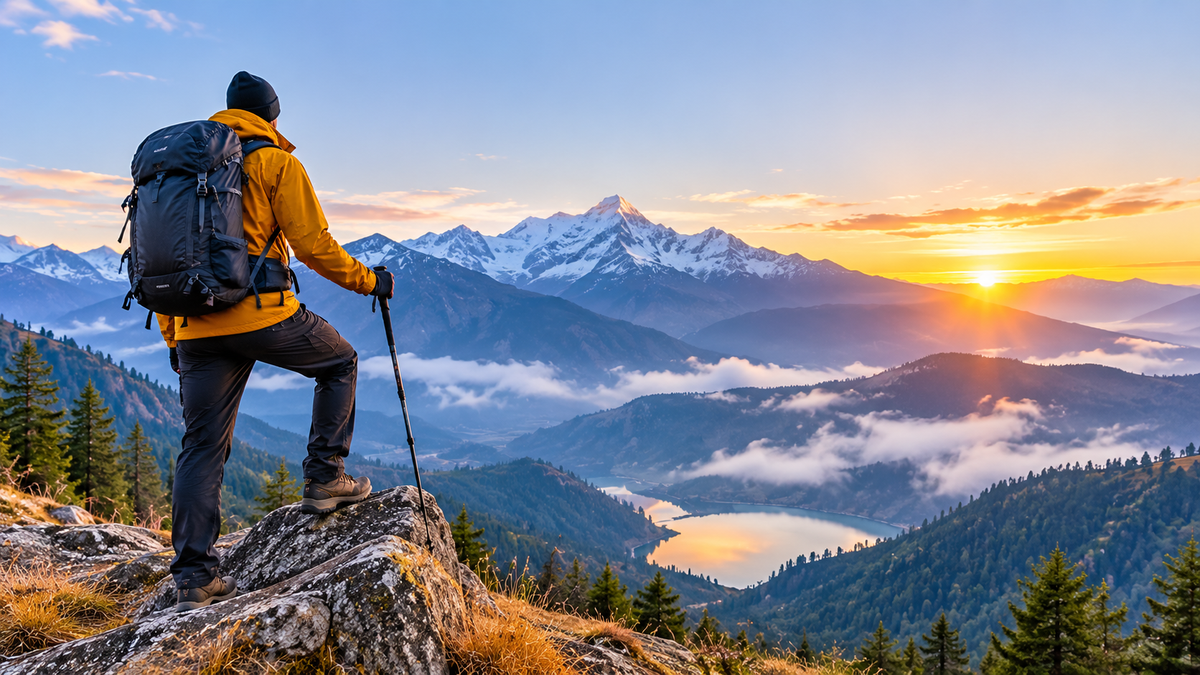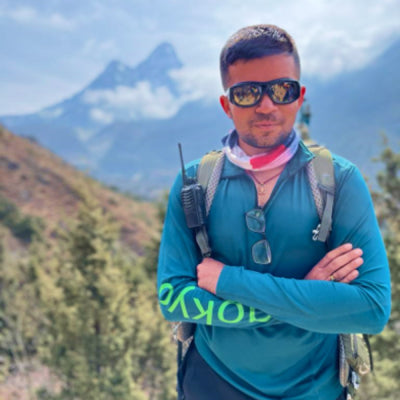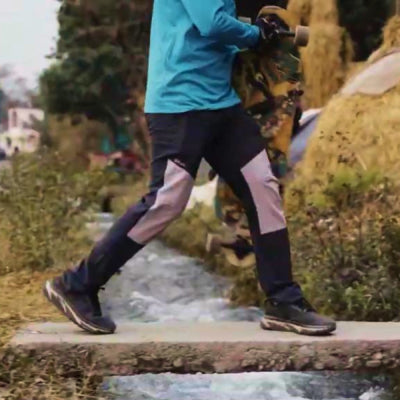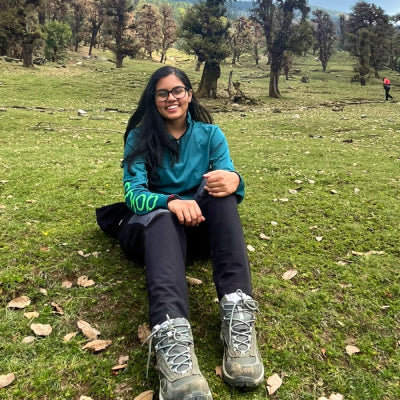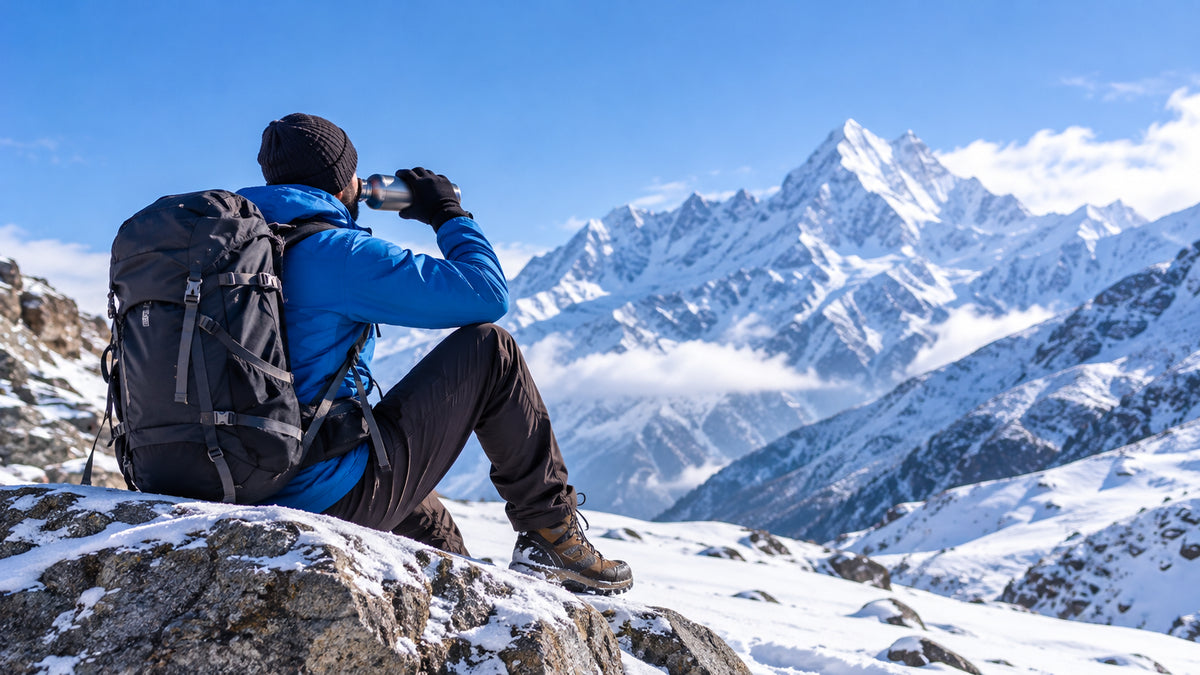
Winter trekking is an experience like no other. Snow-covered trails, frozen landscapes and breathtaking Himalayan views make every adventure memorable. But trekking in winter also brings unique challenges.
Cold temperatures, reduced oxygen availability at high altitudes, snow-covered terrain and dehydration can make even a short trek feel physically demanding.
Whether you are preparing for your first Himalayan winter trek or planning your next mountain adventure, understanding how to manage your energy, hydration and fatigue can make a big difference.
Here's what every beginner should know before heading into the mountains.
1. Why Does Winter Trekking Feel More Exhausting?
Winter treks can be physically demanding for several reasons.
Cold Temperatures: Your body works harder to maintain its core temperature in freezing conditions. Cold muscles can also feel stiff, making movement less comfortable.
Reduced Oxygen at High Altitudes: As you climb higher, atmospheric pressure decreases, meaning less oxygen is available with each breath. This can cause breathlessness and fatigue, especially before your body acclimatises.
Walking on Snow: Snow-covered trails require more effort to maintain balance and move forward. Deep or slippery snow can increase leg fatigue.
Dehydration: Cold weather can reduce your feeling of thirst, but your body continues losing moisture through breathing, sweating and urination.
Heavier Backpacks: Winter clothing, sleeping bags and additional trekking equipment increase backpack weight, making uphill climbs more demanding.
2. Hydration During Winter Treks: Why It Matters
One common mistake beginners make is drinking less water because the weather is cold.
However, hydration remains essential during winter trekking. Cold, dry mountain air can increase moisture loss through breathing, while physical activity causes additional fluid loss.
5 hydration tips for winter trekking:
- Drink water regularly instead of waiting until you feel thirsty.
- Carry an insulated water bottle to prevent water from becoming too cold or freezing.
- Start your trek adequately hydrated.
- Include warm water or soups to make drinking fluids more comfortable.
- Monitor your hydration through thirst, urine colour and how you feel.
For many active adults, 2–3 litres of fluids daily can be a starting point, although requirements vary depending on activity, altitude and weather.
Avoid excessive water intake, as overhydration can also be dangerous.
3. How to Maintain Energy During High-Altitude Trekking
Long trekking hours, steep climbs and cold weather require consistent energy.
Skipping meals or relying on breakfast alone can leave you exhausted halfway through the trail.
What to Eat Before a Winter Trek
Choose a balanced breakfast containing carbohydrates, protein and healthy fats.
Some good options include:
- Oats with nuts and fruits.
- Eggs and whole-wheat toast.
- Poha with peanuts.
- Vegetable upma.
- Bananas and peanut butter.
Best Snacks to Carry on a Trek
Keep lightweight, energy-rich snacks easily accessible in your backpack.
- Dry fruits and nuts.
- Energy bars.
- Dates and bananas.
- Dark chocolate.
- Peanut butter sandwiches.
Eat small snacks throughout the day and avoid waiting until you feel completely exhausted before refuelling.
4. How to Manage Fatigue During Winter Treks
Feeling tired after several hours of walking is normal. However, managing your energy properly can help you complete your trek more comfortably.
Here are six practical winter trekking tips:
1. Maintain a Steady Pace: Avoid walking too fast during the initial stages. A consistent pace helps prevent early exhaustion.
2. Take Regular Breaks: Short breaks allow you to drink water, eat snacks and recover.
3. Avoid Overpacking: Carry essential equipment without adding unnecessary weight to your backpack.
4. Dress in Layers: Wear breathable base layers and suitable insulating and outer layers. Avoid overheating and excessive sweating during uphill climbs.
5. Eat Regularly: Carry snacks and maintain consistent energy intake throughout the trek.
6. Prioritise Sleep: Proper rest helps your body recover during multi-day trekking adventures.
Important: Headaches, nausea, dizziness and unusual fatigue at high altitudes may indicate acute mountain sickness (AMS). Do not dismiss these symptoms as ordinary tiredness or dehydration. Stop ascending and inform your trek leader. Worsening symptoms require descent and medical attention. Confusion, difficulty walking straight or breathlessness at rest are emergencies.
5. High-Altitude Trekking Tips for Beginners
If this is your first winter trek, preparation is essential.
Build Your Fitness: Start training 4–6 weeks before your trek with brisk walking, stair climbing, cycling and basic strength exercises.
Allow Time for Acclimatisation: Your body needs time to adjust to reduced oxygen availability. Follow a gradual ascent plan and never continue climbing if altitude sickness symptoms develop.
Choose Appropriate Clothing: Use a moisture-wicking base layer, an insulating mid-layer and a weather-resistant outer layer to stay comfortable in changing conditions.
Wear Suitable Footwear: Choose trekking shoes with reliable grip and a comfortable fit. Use appropriate traction equipment when required by the trail conditions.
Check Weather Conditions: Review weather forecasts, snowfall warnings and trail updates before starting your trek.
Remember, physical fitness does not guarantee protection against altitude sickness. Proper acclimatisation is important for everyone.
6. Winter Trekking Packing Checklist
Before heading out, make sure your backpack includes these essentials.
Clothing
- Thermal base layers.
- Insulating fleece or jacket.
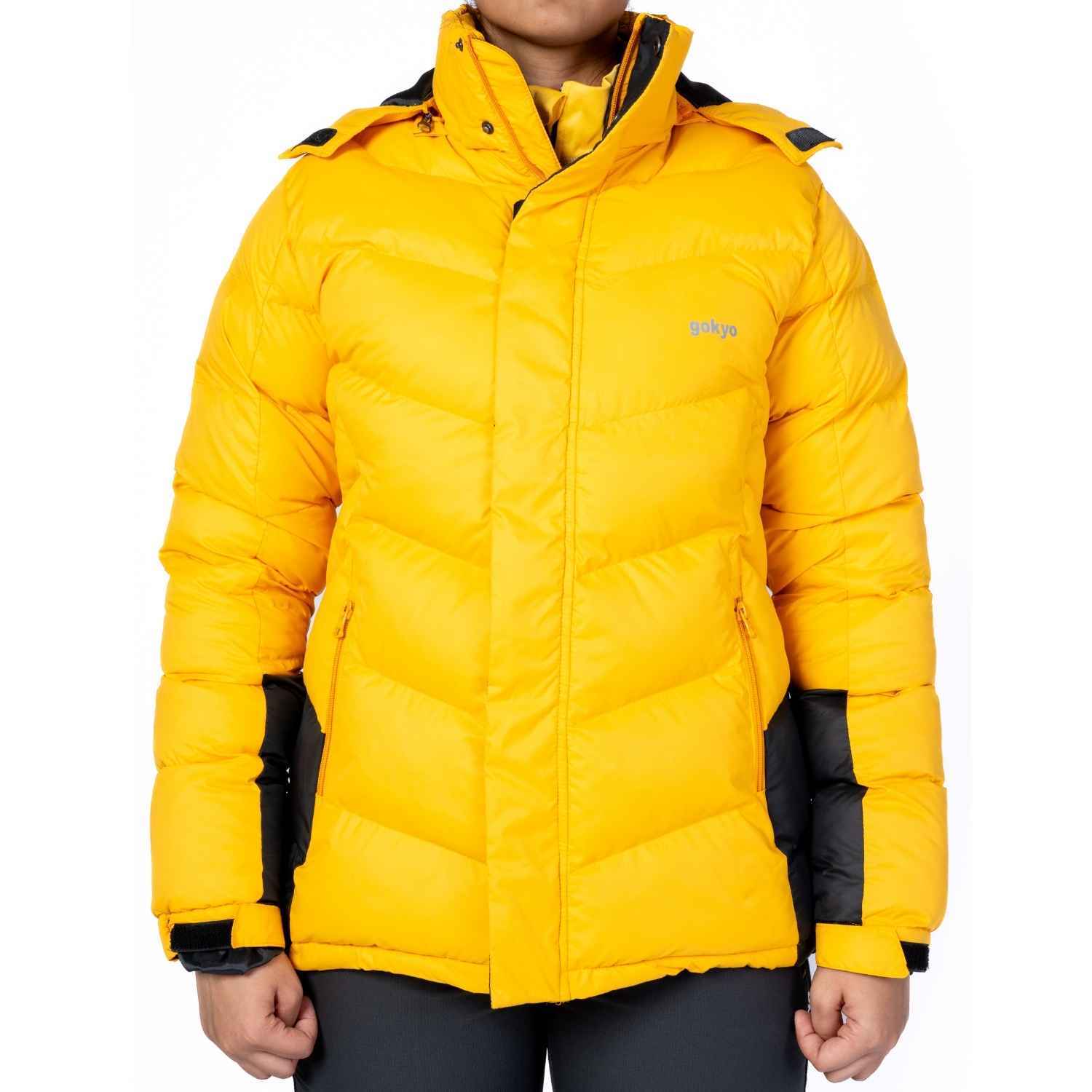
- Weather-resistant outer jacket.
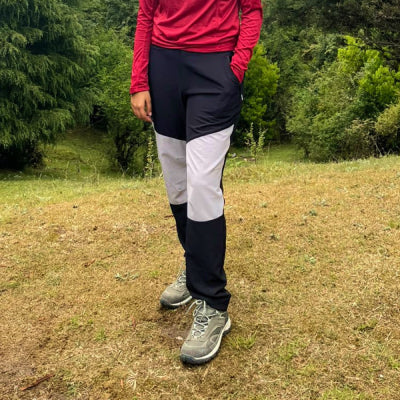
- Comfortable trekking pants.
- Warm gloves and socks.
- Beanie or winter cap.
Trekking Essentials
- Suitable trekking shoes.
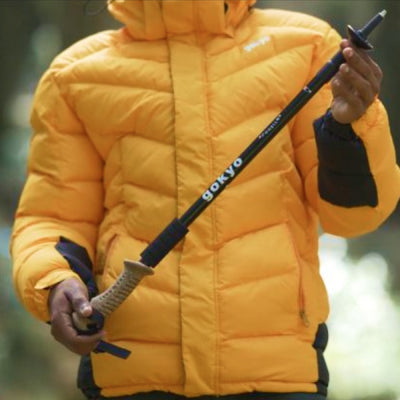
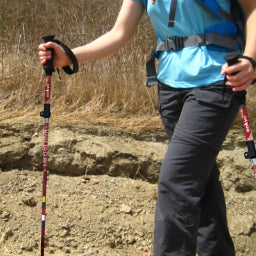
- Backpack and trekking poles.
- Insulated water bottle.
- Sunglasses and sunscreen.
- Headlamp and spare batteries.
Food and Safety
- Energy bars, nuts and dry fruits.
- First-aid kit.
- Personal medication.
- Emergency contact information.
- Navigation and emergency equipment.
Your packing list should always match the trek's altitude, duration and expected weather conditions.
7. Common Winter Trekking Mistakes to Avoid
Avoid these common mistakes to make your winter adventure safer and more comfortable:
- Drinking less water because of cold weather.
- Walking too fast and exhausting yourself early.
- Ignoring altitude sickness symptoms.
- Skipping meals and snacks.
- Carrying unnecessary backpack weight.
- Ignoring acclimatisation.
- Underestimating changing mountain weather.
Good preparation can make a significant difference to your overall trekking experience.
8. Prepare for Your Next Winter Trek with GOKYO
A successful winter trek starts with the right preparation. From choosing suitable clothing to managing hydration and energy, every detail matters when exploring high-altitude trails.
At GOKYO, we believe outdoor clothing should combine comfort, functionality and versatility.
Explore GOKYO's outdoor clothing collection for functional trekking apparel and outdoor essentials designed for movement, travel and changing weather conditions.
Gear up, stay prepared and make every adventure count with GOKYO.
Final Thoughts
Winter trekking can be challenging, but the right preparation makes the experience more manageable.
Stay hydrated, eat regularly, maintain a comfortable pace and allow your body enough time to acclimatise.
Most importantly, listen to your body and never compromise on safety for the sake of reaching a summit.
Prepare smart. Trek responsibly. Explore more with GOKYO.
Frequently Asked Questions
1. Why do winter treks feel harder than regular treks?
Cold temperatures, reduced oxygen availability, snow-covered terrain, dehydration and heavier equipment can increase the physical demands of winter trekking.
2. How much water should I drink during a winter trek?
Around 2–3 litres of fluids daily can be a starting point for many active adults, but individual requirements vary with altitude, activity and weather.
3. What should I eat during a winter trek?
Carry energy-rich snacks such as dry fruits, nuts, dates, bananas and energy bars. Eat balanced meals to maintain energy throughout the day.
4. How can beginners prepare for high-altitude trekking?
Start training 4–6 weeks beforehand with walking, cycling, stair climbing and strength exercises. Follow a gradual ascent and acclimatisation plan.
5. What are the symptoms of altitude sickness?
Common symptoms include headaches, nausea, dizziness and unusual fatigue. Stop ascending if symptoms develop and seek medical guidance. Severe symptoms require immediate descent and emergency assistance.
6. What should I wear for a winter trek?
Choose moisture-wicking thermal layers, insulating jackets, weather-resistant outerwear, comfortable trekking pants, warm socks and suitable trekking shoes.
View Next Blog: →
 2027 Adventure Bucket List: 7 Must-Visit Outdoor Destinations in India