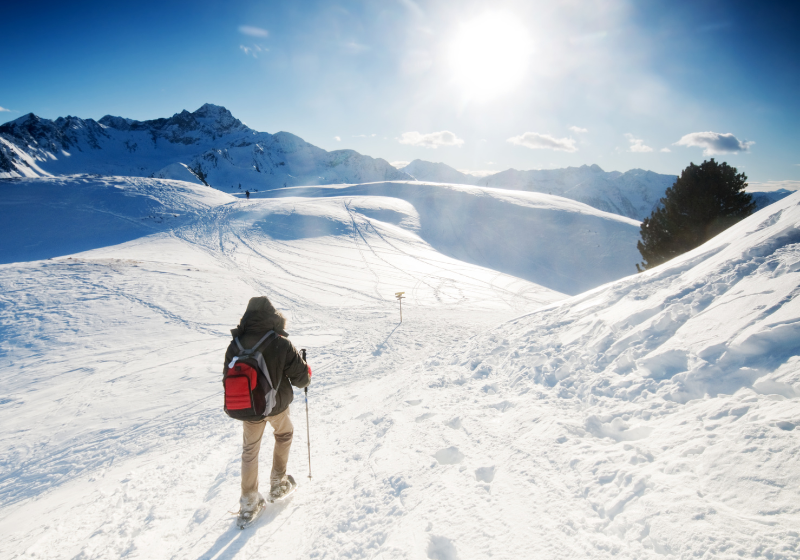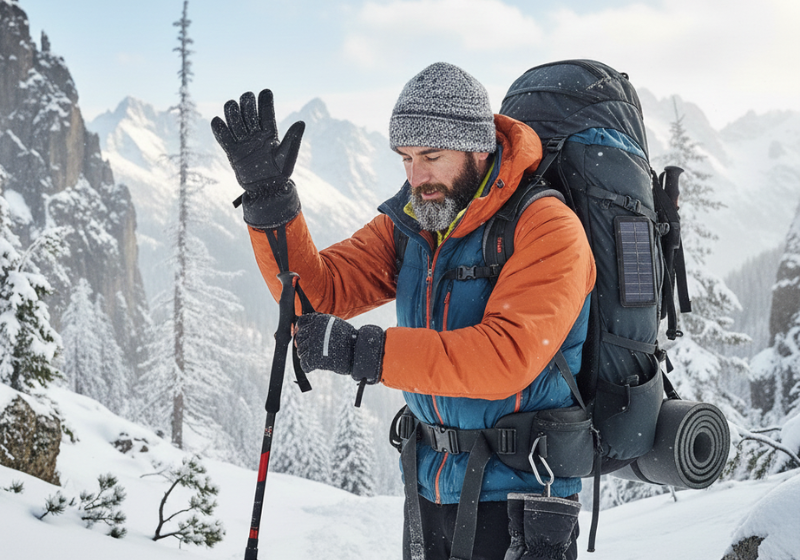
Imagine such a scenario: You are hiking on a crisp winter morning. Your breath forms small clouds, the world is still, the trail stretches ahead, and everything is perfect. But suddenly your hands start to sting, burn, and finally go numb completely. You shake them, put them in pockets, blow warm air into your palms… nothing helps.
Every winter hiker discovers the hard way: cold hands can make a wonderful trip a total disaster. So the question arises:
Is it really necessary to have gloves, hand warmers, or both? Are glove liners worth it? What about foot warmers and other extremities?
Understanding Why Hands Freeze First
Your body prioritizes vital organs, heart, brain, and lungs over extremities like hands and feet. This reduces blood flow to fingers, toes, ears, and nose, which is why they get cold first. So don’t rely on pockets alone to fight frostbite.
Gloves vs. Hand Warmers: What’s the Difference?
Gloves
Gloves are your primary protection. They insulate your body heat, block wind, and keep snow off your skin. Good winter gloves let fingers move freely so you can tie shoelaces, handle zippers, pitch tents, and use trekking poles without frozen hands.
Hand Warmers
Hand warmers are backup heat boosters. Slip them inside gloves when temperatures drop or during long summit pushes. They don’t replace insulation—they enhance it.
When to Use What
| Situation | Best Choice |
|---|---|
| Normal cold weather trekking | Good insulated gloves |
| Very low temperatures, high winds | Gloves + hand warmers |
| Campsite nights & early morning starts | Hand warmers inside gloves |
| Wet snow or ice climbing | Waterproof layered gloves |
| Mild chilly city wear | Light winter gloves |
For snow treks like Brahmatal, Kedarkantha, or Goechala, gloves are essential, and hand warmers act as comfort fuel.
But What About Feet?
Frozen toes are worse than fingers. Foot warmers can save your trek: slip them under or above socks and stay warm for hours. Warm hands and feet = safer trek.
Foot Warmers for Winter Treks


Layering Starts From the Core
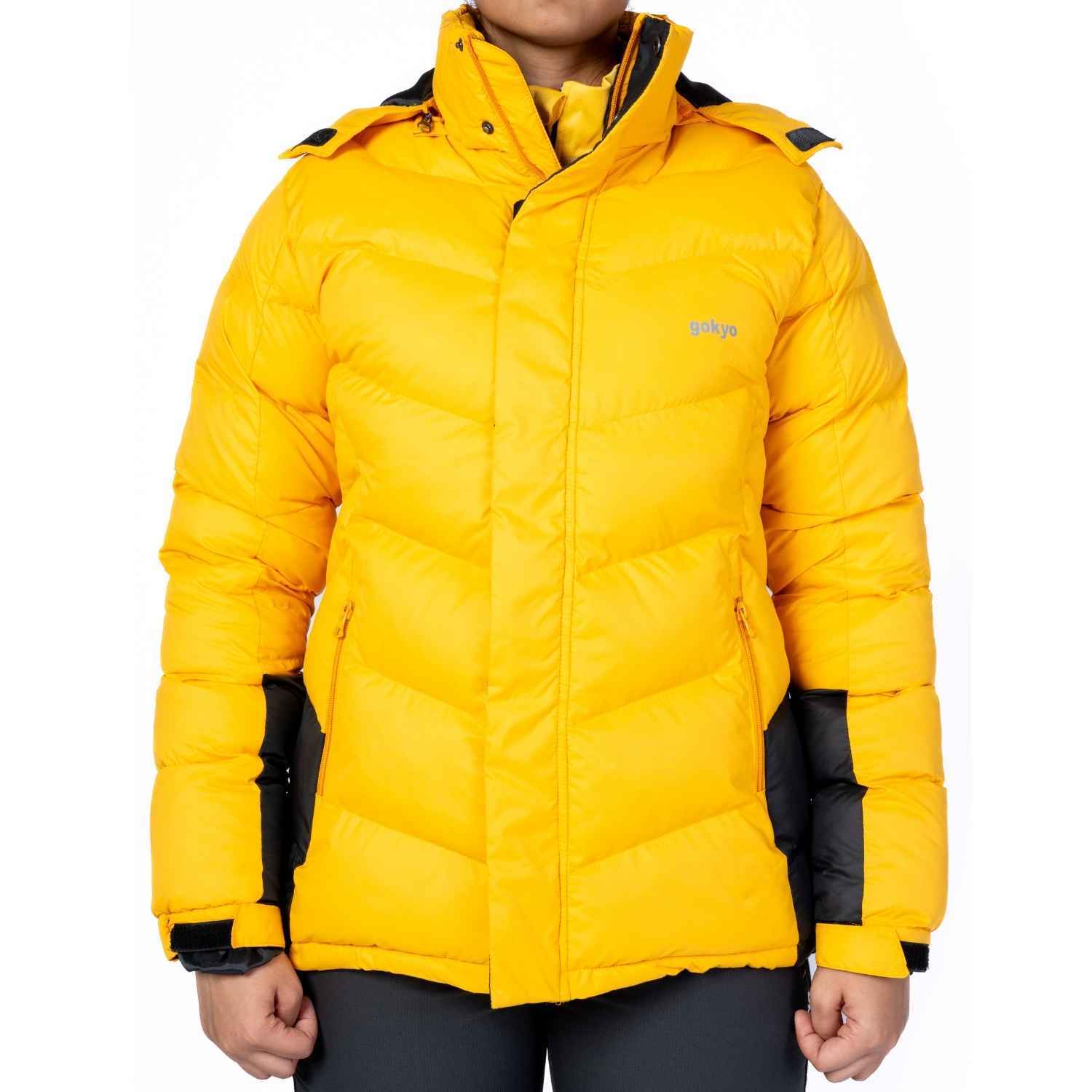
If your core isn’t warm, hands and feet never stay warm. Layer fleece jackets and thermals under outer layers to trap heat and prevent cold shocks during long hikes.
Choosing the Right Gloves
- Windproof & waterproof outer layer
- Insulated inner lining
- Moisture-wicking fabric
- Adjustable wrist closure
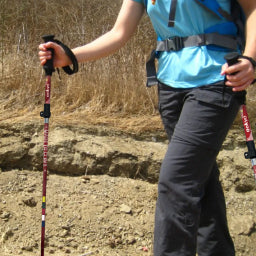
- Good grip for trekking poles
- Compatibility with hand warmers
Carry two pairs: primary insulated gloves + backup liner gloves.
Winter Gloves & Liners


Pro Tip: Handle the Weather, Not the Drama
Wet snow can soak gloves. Liners save the day—carry them.
Gear That Actually Works
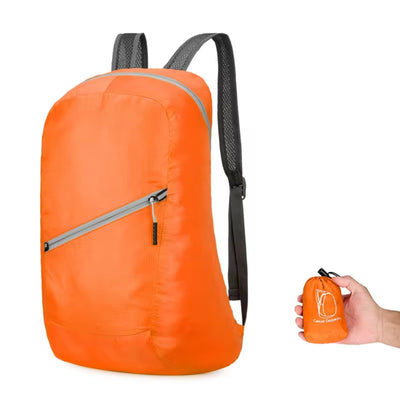
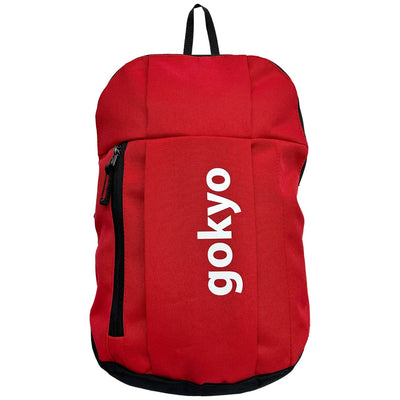
Choose gear built for real outdoor conditions, like durable gloves, hand warmers, and trekking bags. They make winter hikes safer and more comfortable.
Trekking Bags for Winter Treks


FAQs
- Are hand warmers safe on skin? No, keep inside gloves or pockets.
- Is one pair of gloves enough? Carry main + liner.
- Can hand warmers replace gloves? No.
- Do gloves improve trekking performance? Absolutely.
- Should foot warmers be used daily? When cold or long hours outside.
- How to prevent gloves from getting wet? Use waterproof materials and dry at camp.
Hand Warmers for Extreme Cold

Final Word
Mountains are breathtaking but brutally honest. Gloves protect. Hand warmers support. Warm gear empowers. Pack smart. Stay warm. Keep moving. Happy winter trekking.

← View Previous Blog:
 Why Exposed Hands Lose Heat Faster Than Your Core