Why Sunglasses Are Mandatory on Snow Treks (Not Optional!)
Have you ever fantasized about experiencing a pristine winter wonderland, soft white powder under your feet, a cold gust of wind welcoming your face, or gigantic mountains dressed in white silence? If yes, then a snow trekking adventure is nothing but a dream coming true. Unfortunately, here is the first truth that every hiker finds out, sometimes with a lot of discomfort, very soon: Despite its enchanting and innocent appearance, the snow conceals a foe, the sun.
And no, I am really not exaggerating. The heat of the sun reflected through the snow can be extremely difficult to deal with. It is not the usual summer day kind of brutal. We are imagining snow blindness, burning headaches, red eyes dripping, vision being obscured, and hours of very uncomfortable regret because you thought that sunglasses were only for the photographs. Trust me, on snow treks, sunglasses aren’t an accessory. They’re survival gear.
Let’s walk through why.
The Science Behind the Shine
Snow is like nature’s biggest reflector. It bounces back almost 80% of UV rays, directly into your eyes from every angle, top, bottom, sides. Up in the mountains, you’re already exposed to stronger radiation because altitude thins the atmosphere. Combine altitude + snow reflection = a UV blast your eyes are not equipped to handle.
Ever seen trekkers walking with closed eyes or wrapped bandanas like they’re recovering from a movie fight scene? That’s snow blindness, cornea burns caused by UV rays reflecting off snow. The pain shows up 6–12 hours later, like a delayed slap. And it can take days to heal.
So, no, the excuse “I’ll just use my hood, bro” doesn’t work. Only proper sunglasses made for high-altitude conditions protect your eyes.
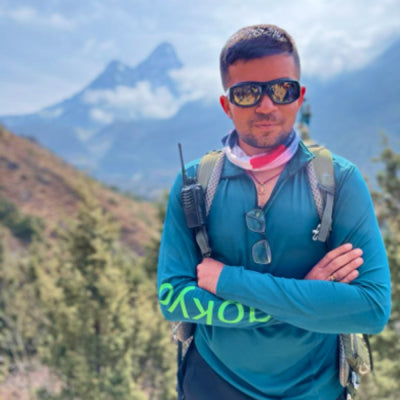
High-Altitude Sunglasses for Snow Treks


It’s Not Just About Eyes—It Affects Your Whole Trek
Picture this: You wake up excited for summit day, the sky is clear blue, the trail glitters like diamonds. But suddenly your eyes start burning, tearing uncontrollably, and every step feels like staring into a welding torch. There is no way to appreciate the view or even walk confidently on icy ground.
And then, there’s a bigger danger, the disorientation caused by glare. You can actually lose depth perception, making it harder to judge slopes, cracks, and edges. That’s how accidents begin.
One tiny mistake in gear can ruin months of preparation.
Why Good Sunglasses Matter More Than You Think
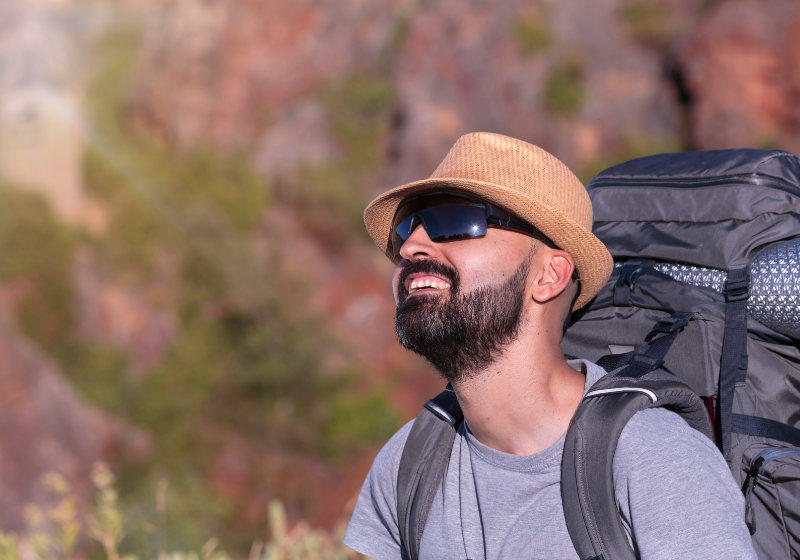
Buying random street-style shades isn’t going to save your eyes. For snow trekking, you need:
- UV400 or polarized lenses
- Side shields or wrap-around protection
- No-gaps fit to block reflected light
- Anti-fog design
- Impact-resistant material
When the wind is throwing ice crystals at you, your sunglasses will be your protection.
Gokyo Outdoor Clothing & Gear, if you are preparing for your next snowy trip, has treks ready eyewear which can withstand even very unforgiving conditions.
Gloves for Snow Trekking Conditions


Not Only Eyes Are Protected, But Also The Head And Face
The weather for snow trekking is often very hard to predict. One moment you can be sweating in the sun and the next strong cold winds are making your ears feel like they are about to drop off.
The warm head protection will keep you safe from hypothermia, heat loss and the cold wind headaches.
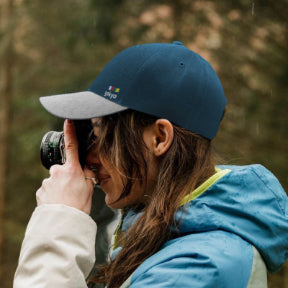
Versatile caps for men that give insulated warmth without adding weight, to breathable headwear that fits comfortably under helmets and jackets—the right choice can keep your body temperature consistent.
And if you’re trekking under afternoon sun on long exposed ridges, carrying a sun hat isn’t just sensible, it’s a game changer.
Winter Caps & Sun Hats for Trekkers


The Mountain Rule No One Tells You
Mountains don’t forgive carelessness.
You may forget your phone charger, and it’ll be fine. Forget sunglasses? The mountains will teach you a lesson you won’t forget.
Trekking Poles for Snow Trails


Checklist: Must-Carry Gear for a Snow Trek
- High-altitude sunglasses
- Layered headwear
- Gloves + inner liners
- Good snow trekking shoes
- Hydration
- Sunscreen
- Snacks & electrolytes
Optional but smart:
- Gaiters
- Face mask / balaclava
- trekking poles
FAQs
1. Can I use regular sunglasses for snow trekking?
No. Regular city sunglasses don’t block enough UV and don’t have side shields. You need mountaineering / polarized ones.
2. What happens if I trek without sunglasses?
High chance of snow blindness, headaches, blurry vision, and increased risk of slipping due to glare.
3. Do sunglasses help even on cloudy days?
Absolutely. UV rays still pass through clouds and reflect off snow.
4. Should I carry more than one pair?
Yes, carrying a backup pair is wise. If they fog up, break, or fall, you cannot trek safely without them.
5. Are polarised lenses necessary?
Highly recommended, they reduce glare dramatically making walking on snow easier and safer.
6. Do hats or hoods replace sunglasses?
Not at all. They protect from cold, not UV reflection.
Final Word
Snow treks are once-in-a-lifetime experiences, the kind that change you, humble you, and fill your soul with something wild and peaceful. But they demand respect and preparation.
Pack smart. Trek safer. Enjoy deeper.
Never step onto snow without sunglasses. It’s not optional. It’s non-negotiable.

← View Previous Blog:
 The Jacket Myth: Thicker Doesn’t Always Mean Warmer