First Time Trekking in Snow? 17 Things No One Tells You About Winter Gear
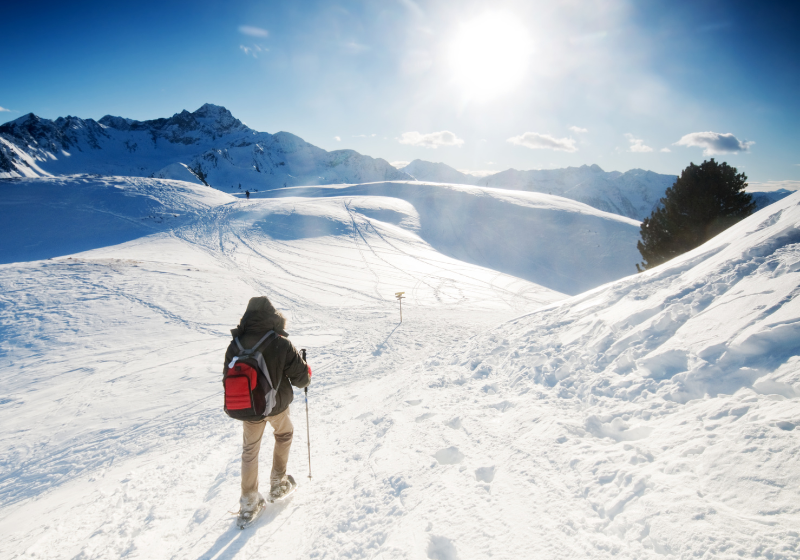
If you are preparing for your first winter trekking trip, you should understand this right from the start that trekking in the snow is not nearly as picturesque & tranquil as Instagram leads us to believe it is. While the scenery is postcard-worthy, sunsets are magical, and inhaling the cold air where your breath becomes crystals is exhilarating, being out hiking in the winter is extremely cold and extremely unpredictable, and if you're not physically able to adapt to it, can be a humbling experience.
Every experienced trekker has their story of having frostbitten fingers, a slippery slope, numb feet, and a long night ahead of them before the sun comes up!
The majority of the problems you will experience while trekking aren't due to lack of fitness, but rather, your equipment choice is the primary reason.
With the right winter equipment (boots, backpack, etc.), you have the ability to convert a difficult trek into an empowering adventure, while with the wrong equipment, by the end of the first day, you will have ruined your trip.
So, before setting out for your first snow trekking trip, you should understand 17 essential facts about winter trekking gear that you will not learn until after your trip is over!
For those who enjoy trekking or hiking, waterproof hiking shoes for winter trekking are a must! The main benefits are that they will keep your feet dry and provide grip on ice. If your feet stay wet for too long you are at risk of developing blisters or having numb toes, which can cut short your trekking/hiking trip much quicker than altitude sickness!
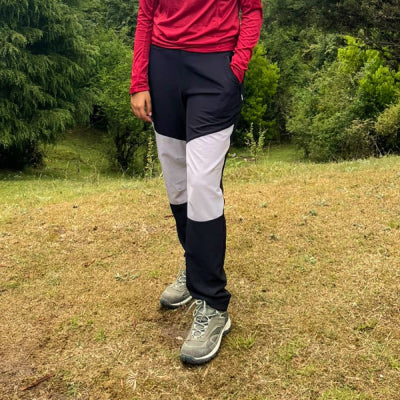
Footwear Essentials for Snow Trekking


New trekkers tend to overpack thick sweaters believing, "I only need one big warm coat," however, this is not the case! In winter trekking layers are crucial to being able to adjust to temperature changes without creating excess sweat. There can be drastic temperature changes within just an hour.
A good base layer is a thermal for men or women; this is followed by an insulating middle layer, and to finish off is a windproof outer layer. Your middle layers are important because they provide insulation and trap heat, for those of you who think that all you need to do is wear one really thick coat like in the movies; you are wrong!
People tend to spend way too much on the outer layer (the coat/jacket) and little if anything on the middle layer (the insulating layer). Fleece provides warmth while allowing breathability; therefore if you sweat while climbing or otherwise working hard, you will not get cold as a result of sweating. Therefore, your middle layers serve as your silent heroes!
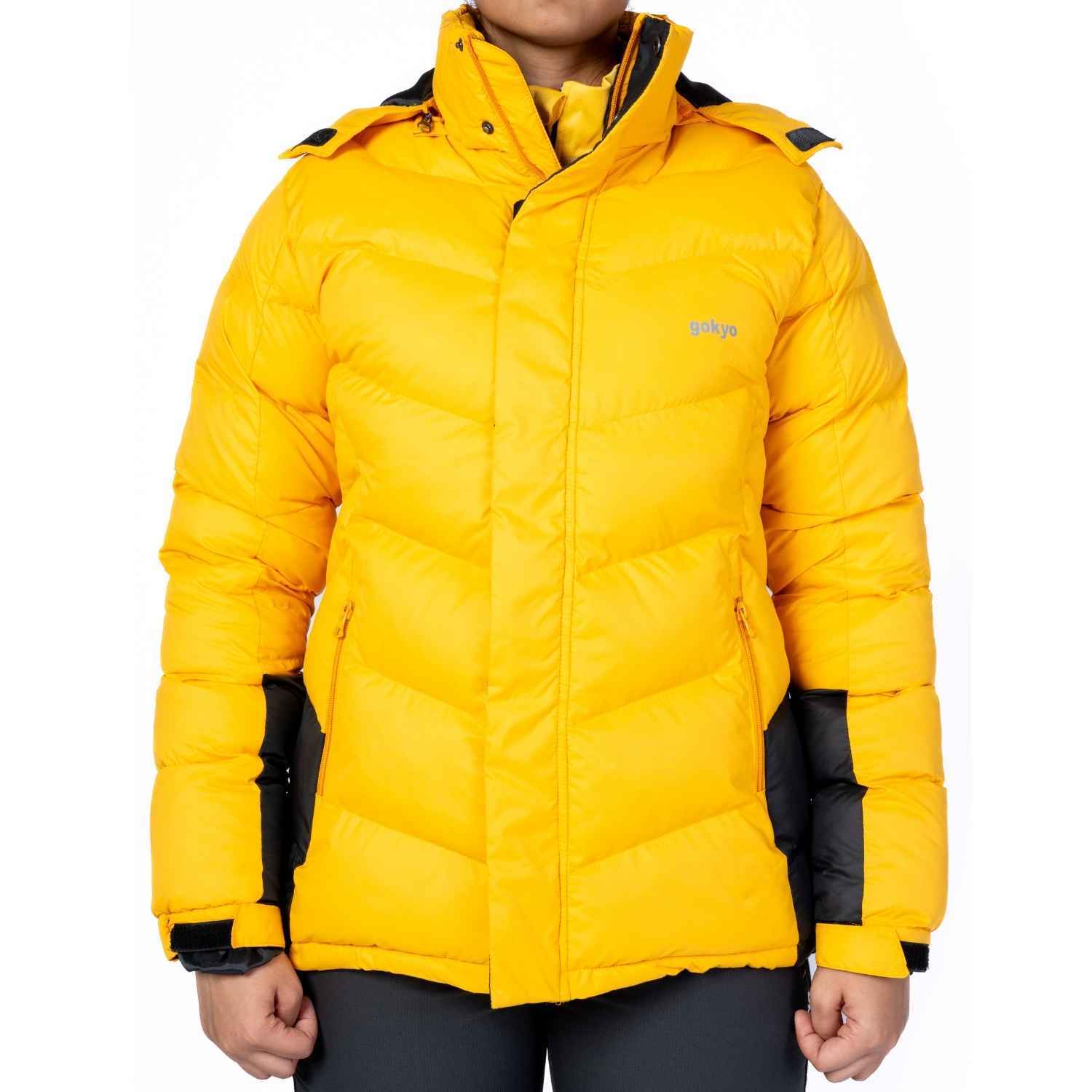
Winter jackets are not only about keeping you warm; they are also about protecting you from the elements! Wind can cause you to become colder than snow; I know from experience having stood on a ridge in a wind gust of freezing cold! That’s why mens winter jackets need wind resistance and ideally water resistance. A jacket that blocks snow but not wind is useless at higher altitudes.
Layering Essentials for Winter Treks


5. Gloves Are Not Optional
Cold fingers feel like needles stabbing through your skin. You think you can manage without winter gloves… until you need to unzip a bag, adjust your trekking pole or tighten your shoelace. And then you realize you can’t move your fingers. Bring two pairs—one waterproof, one warm liner.
6. Gaiters Look Silly—Until You Step in Knee-Deep Powder
That soft pretty snow? It hides deep holes and slush puddles. Gaiters wrap around shoes and shins to keep snow from entering. Otherwise, snow melts into your socks, your toes freeze, and the trek becomes torture.
7. Lightweight Doesn’t Mean Weak
A lot of beginners think heavier gear = warmer. But weight can exhaust you quickly. The smartest winter trekkers use lightweight gear that works harder than bulky items that drag you down.
8. Crampons Are the Difference Between Walking and Skating
Slopes covered in ice can turn a simple trail into a dangerous slide. That’s when crampons clip onto your boots and give you metal teeth that bite into ice.
9. Your Lips and Nose Will Suffer if You Don’t Plan Ahead
Windburn and cracked lips are painful and take ages to heal. Carry sunscreen, cold-cream, lip balm, and a buff.
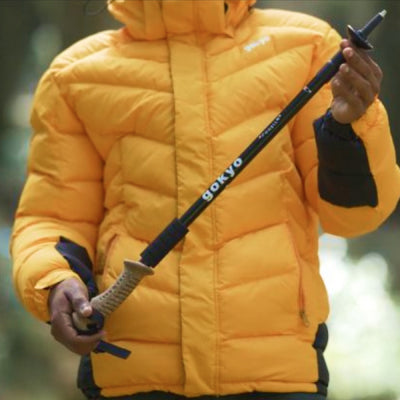
10. Trekking Poles Save Knees and Lives
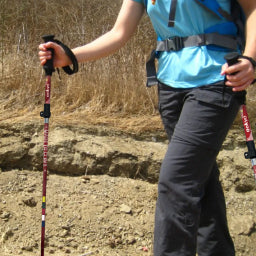
Even experienced trekkers don’t take winter trails without poles.
Stability Gears


11. Sleeping Bag Ratings Are Not a Marketing Trick
At altitude, temperature can drop way below what weather apps show.
12. Camp Nights Are the Hardest
Once the sun sets, cold attacks instantly.
13. A Wind Layer Is Just as Essential as Warm Layers
That’s why a windcheater for men or women is crucial.
14. Cotton Is Your Enemy
Cotton holds sweat and freezes.
15. Dry Bags Protect Sanity
Wet clothes inside your backpack will ruin the entire trek.
16. Hot Liquids Are Medicine in the Mountains
A warm flask during sunrise feels like a blessing.
17. Good Gear Isn’t a Cost—It’s Your Backup Plan
Buying reliable gear is buying safety.
Sleeping & Camp Essentials


Why We Trust Gokyo Outdoor Clothing & Gear
When you trek in the winter, you’re stepping into an environment where nature has full control. Gokyo Outdoor Clothing & Gear focuses on creating products that are tested for harsh conditions, ensuring warmth, durability, and reliability when it matters the most.
FAQs
1. Is snow trekking safe for beginners?
Yes—if you’re physically prepared, choose beginner-friendly trails, and pack properly with essential layering.
2. How do I keep my feet from freezing?
Use moisture-wicking socks, waterproof shoes, and change socks whenever they feel damp.
3. Do I need crampons for all winter treks?
Not always—only for icy patches and steep trails. But carrying them ensures safety when weather changes suddenly.
4. What size backpack should I carry for a multi-day snow trek?
Anything between 50–65L depending on how much personal gear and food you carry.
5. What should I never compromise on while trekking in snow?
Footwear, insulation layers, gloves, and a warm sleeping system.
6. Is a windproof jacket more important than a thermal layer?
Both are essential but serve different purposes—one traps body heat, the other protects you from wind and frost.
Final Takeaway
Snow trekking is not about looking tough, it’s about staying warm, safe and steady. The right gear choices don’t just improve comfort; they protect your body and ensure your trek remains memorable for the right reasons.

← View Previous Blog:
 Why Exposed Hands Lose Heat Faster Than Your Core