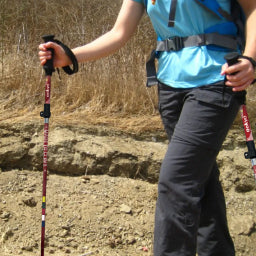
The Hidden Link Between Foot Fatigue and Trekking Pace
There’s a quiet moment that happens on almost every long trek.
You’re not injured. You’re not out of breath. Your legs still feel strong. But somehow, your pace begins to slow.
Not dramatically. Just subtly.
Your steps shorten. Your rhythm changes. You stop a little more often than before.
And if you pay close attention, you’ll realize something surprising:
It’s not your lungs or your thighs holding you back.
It’s your feet.
Foot fatigue is one of the most underestimated factors in trekking performance. It doesn’t announce itself loudly. It creeps in gradually, influencing balance, posture, confidence, and eventually, speed.
Let’s explore why tired feet quietly control your pace — and how smart choices with Gokyo Outdoor Clothing & Gear can help you walk longer, steadier, and happier.
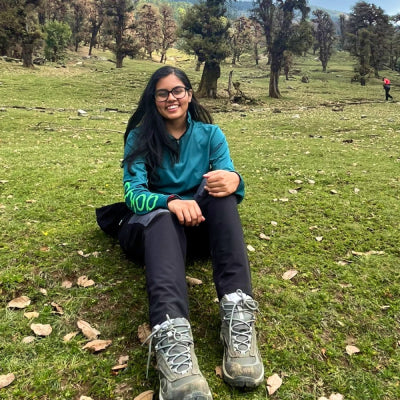
Build a Strong Base: Gear That Keeps Your Pace Steady


How Your Feet Set the Tempo of Every Trek
Your feet are your foundation.
They absorb impact, stabilize uneven terrain, and adapt constantly to slopes, rocks, and changing surfaces. With every step, dozens of small muscles fire to keep you upright.
Over hours of movement, those muscles begin to fatigue.
When that happens, your body automatically adjusts.
Your stride shortens. Your knees lift less. Your balance becomes more cautious. You slow down — not because you decide to, but because your nervous system is protecting you from instability.
That’s why experienced trekkers don’t measure progress only by distance. They pay attention to how their feet feel.
Because once your feet start tiring, your pace follows.
The Early Signs Most People Ignore
Foot fatigue doesn’t start as pain.
It begins as warmth. Then heaviness. Then a vague sense of pressure along the arches or balls of your feet. You might start shifting weight from side to side during breaks or changing how you land each step.
These are subtle signals.
Your body is telling you it’s working harder to maintain balance.
Ignoring these signs often leads to slower movement later in the day — and sometimes to sore knees, tight hips, or strained calves.
This is where preparation matters.
Fuel, Fluids, and Why They Matter More Than You Think
Many trekkers assume foot fatigue is purely mechanical.
But chemistry plays a role too.
When you sweat for hours, you lose minerals that help muscles contract and relax smoothly. Without replenishing them, fatigue accelerates. That’s why seasoned hikers often mix electrolyte powder into their hydration plan and keep sipping steadily from their water bottles throughout the day.
Energy matters just as much.
Strategic snacks and protein food supplements support muscle recovery while you’re still moving, reducing the buildup of exhaustion that shows up first in your feet.
Think of it this way: hydrated, nourished muscles stay responsive. Depleted ones become sluggish.
And sluggish muscles change your pace.
Clothing That Supports Movement (Not Just Style)
Your feet don’t work alone.
Your entire body contributes to how efficiently you move.
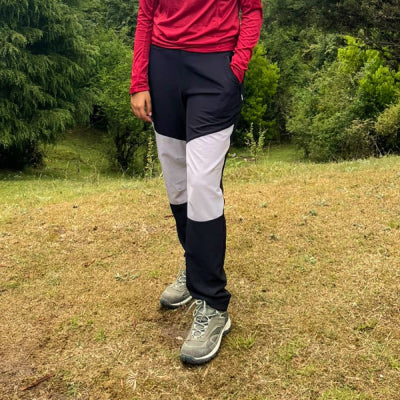
Breathable trekking tshirts for men help regulate core temperature, preventing overheating that drains energy. Flexible trekking pants for men allow natural stride without resistance, especially on climbs or rocky sections.
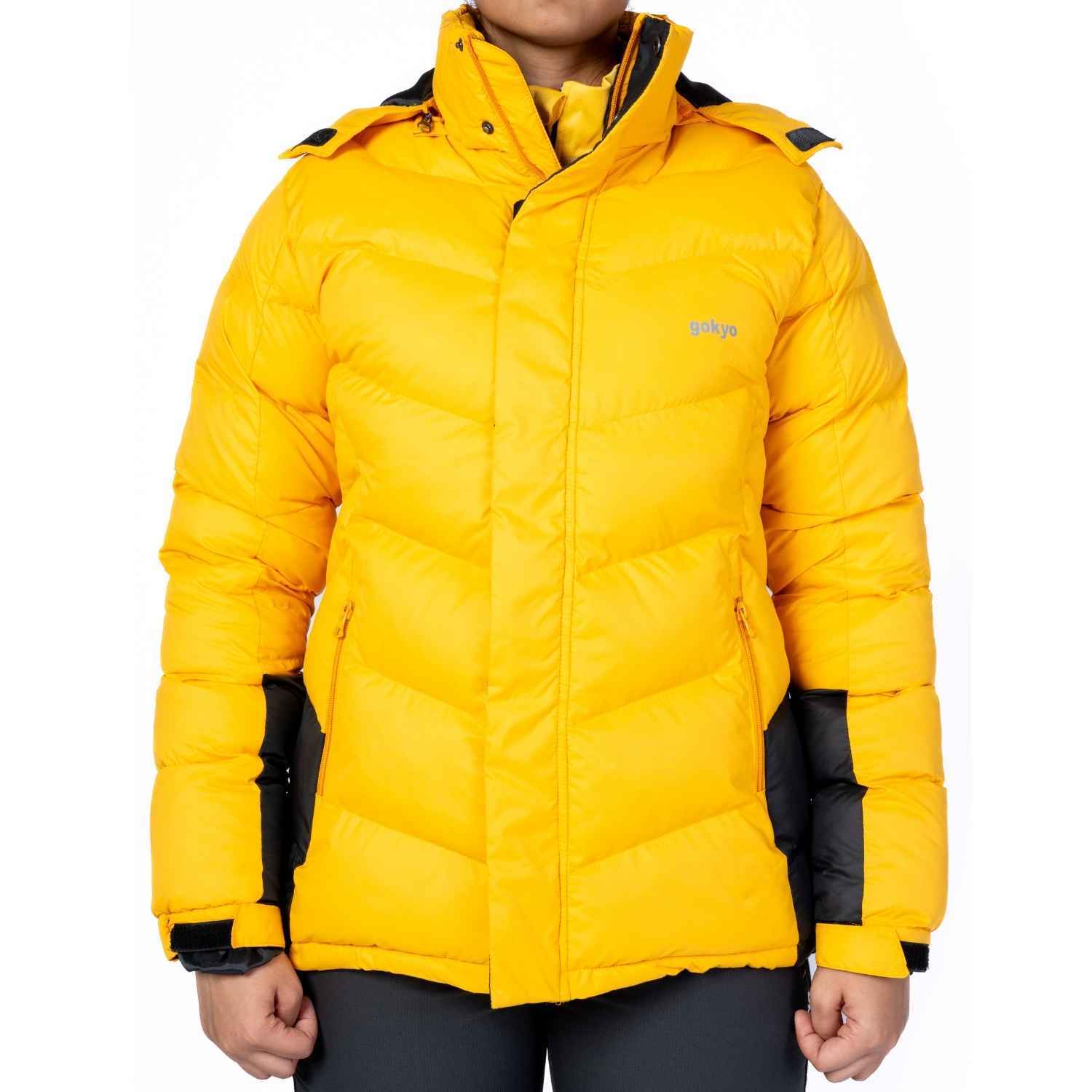
And weather-ready jackets for men protect against wind and sudden temperature drops, keeping circulation steady during breaks.
When your upper body stays comfortable, your lower body doesn’t have to compensate.
Everything stays in rhythm.
That’s why thoughtful layering isn’t about looking prepared — it’s about preserving momentum.
Move Freely, Stay Cool: Clothing That Saves Energy on Long Trails


The Psychology of Pace: Confidence Starts From the Ground Up
Here’s something rarely discussed.
When your feet feel stable and supported, you walk differently.
You take longer strides. You trust your footing. You flow over terrain instead of tiptoeing across it.
But when your feet are tired, your brain becomes cautious.
You hesitate on descents. You slow on uneven patches. You spend more energy thinking about each step.
That mental load adds up.
Soon, your pace drops not just from physical fatigue — but from reduced confidence.
Good gear removes that doubt.
It lets you move intuitively instead of defensively.
Mid-Trek Recovery Is a Skill (Not a Luxury)
Experienced trekkers don’t wait until camp to recover.
They do it in small moments.
They loosen shoes during breaks. Roll ankles gently. Stretch calves against rocks. Sip from their water bottles even when they’re not thirsty. Top up energy with protein food supplements before exhaustion hits.
Some pause to re-layer with their jackets for men when the wind picks up. Others adjust their trekking pants for men for comfort on long descents.
These micro-adjustments keep foot fatigue from snowballing.
Recovery isn’t something you earn at the end.
It’s something you practice along the way.
Hydrate, Refuel, Repeat: Trail Essentials for Sustained Momentum


Why Smart Trekkers Choose Systems, Not Single Solutions
There’s no magic product that eliminates foot fatigue.
It’s a system.
Hydration supported by electrolyte powder. Nutrition backed by protein food supplements. Breathable layers like trekking tshirts for men. Flexible movement from trekking pants for men. Weather protection from reliable jackets for men. Consistent hydration through accessible water bottles.
Each element works together.
That’s why outdoor enthusiasts trust Gokyo Outdoor Clothing & Gear — not for one item, but for a complete approach to comfort and performance on the trail.
Because trekking isn’t about isolated gear.
It’s about harmony between body and equipment.
Bringing It All Together on the Trail
Early in the trek, your pace feels effortless.
By midday, warmth builds, muscles work harder, and your feet start quietly negotiating every step.
That’s when preparation shows.
You sip from your water bottles, refresh with electrolyte powder, adjust your layers, and refuel with protein food supplements. Your trekking tshirts for men keep sweat in check. Your trekking pants for men move with you. Your jackets for men come out during breezy ridgelines.
And because your system supports you, your feet don’t have to fight alone.
Your pace stays steady.
Not rushed.
Not forced.
Just consistent.
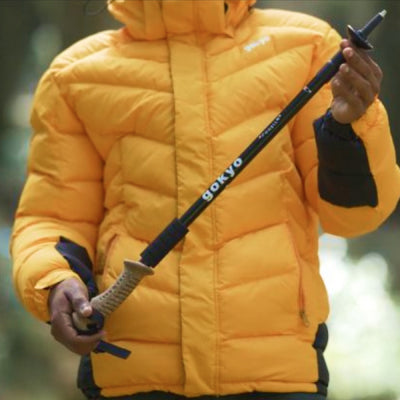
Small Adjustments, Big Miles: Mid-Trek Comfort Must-Haves


Final Thought
Foot fatigue doesn’t suddenly slow you down.
It slowly reshapes how you move.
But when you understand its signals — and support your body with smart hydration, proper nutrition, and movement-friendly clothing — you take back control of your rhythm.
Great treks aren’t powered by speed.
They’re powered by sustainability.
And when your feet feel supported, your pace follows naturally.
FAQs
1. Why does foot fatigue affect trekking speed so much?
Tired feet reduce balance and confidence, causing your body to shorten strides and slow pace automatically.
2. How often should I hydrate on long treks?
Small sips every 15–20 minutes help maintain energy and prevent muscle fatigue.
3. Do electrolytes really make a difference?
Yes. They replace minerals lost through sweat, helping muscles function smoothly over long hours.
4. Can clothing really impact foot fatigue?
Absolutely. Comfortable, breathable clothing prevents overheating and preserves energy for your lower body.
5. When should I take nutrition breaks?
Don’t wait until you feel exhausted. Light fueling every 60–90 minutes works best.
← View Previous Blog:
 How to Dress for Long Walking Hours Without Freezing at Rest Stops
View Next Blog: →
 What Happens to Your Feet After 6 Hours of Continuous Trekking