5 Most Beautiful Flower Valley Treks in the Himalayas
There’s a very specific kind of silence in the Himalayas when flowers begin to bloom.
It’s not the sharp winter silence. Not the busy summer one either.
It’s softer.
You hear water moving somewhere below because snow has started melting. You notice color where there was none a few weeks ago. Small things first — a patch of pink near a rock. Then more. Then suddenly the entire slope looks like it decided to celebrate something.
Flower valley treks aren’t loud. They don’t scream “adventure.” They feel almost gentle.
But don’t mistake gentle for easy.
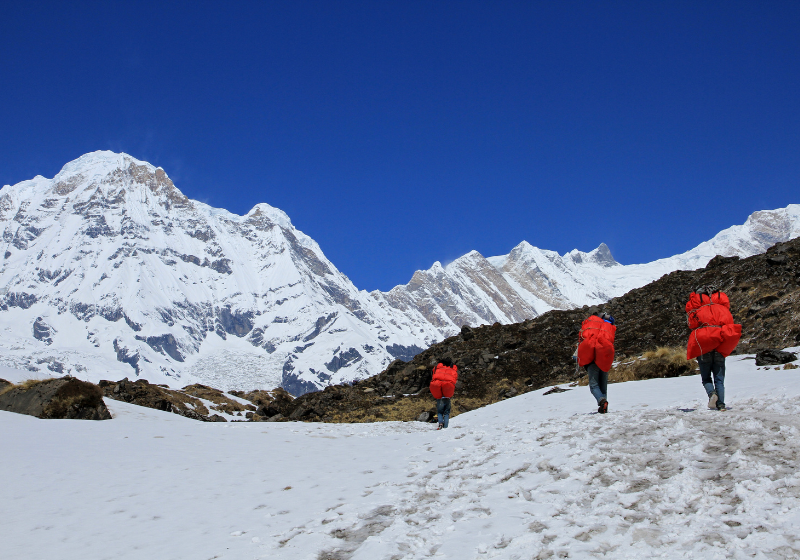
Here are five valleys where the mountains stop looking severe and start looking like gardens — in the most unexpected way.
Trekking Bags Built for Long Valley Walks


1. Tarsar Marsar, Kashmir
The first time you see the meadows before Tarsar Lake in late spring, it feels slightly unreal.
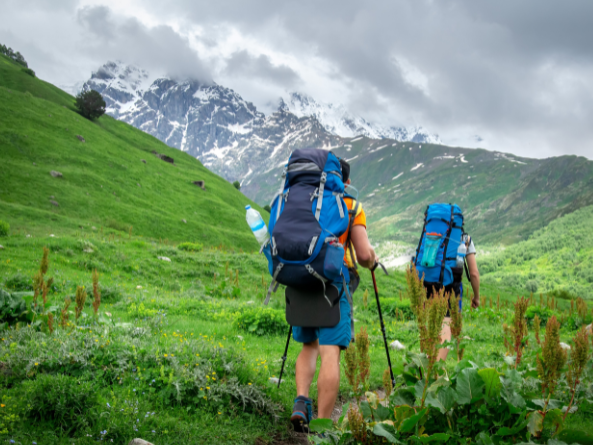
Green spreads wide and uninterrupted. Wildflowers pop up casually, like they weren’t trying too hard. Snow still rests on distant ridges, which somehow makes the color feel brighter.
The walk isn’t brutal, but it’s long enough to test how well you packed.
A poorly adjusted trekking bag becomes noticeable by midday. Shoulders tighten. You shift weight. You lean forward slightly without realizing it. A balanced one? You forget it’s there.
That’s the difference.
Evenings by the lake drop in temperature fast. The kind of cold that surprises you because the day felt warm. This is where good sleeping bags earn their place. Not glamorous. Just necessary.
You wake up to frost on grass — and flowers right beside it.
It’s strange and beautiful at the same time.
2. Gurez Valley, Jammu & Kashmir
Gurez doesn’t try to impress you.
It’s wide. Open. Quiet.
In bloom season, the valley floor turns into a soft carpet of yellow and violet. Wooden homes sit in the distance. Snow peaks frame everything without dominating it.
You don’t feel small here. You feel… included.
This isn’t a high-pressure trek. A compact travel rucksack is often enough for day explorations across the valley. You move lightly. You stop often.
Good hiking shoes matter more near river crossings where stones shift underfoot. It’s subtle terrain, but subtle terrain is where you lose focus.
Caps come in handy when the sun suddenly sharpens. The air is cool, but the glare at altitude has its own personality.
And when you sit near the river, pouring something warm from thermos flasks, you realize not every Himalayan experience has to feel extreme.
Some just feel calm.
Footwear That Handles Wet Spring Trails


3. Dzongri, Sikkim
Dzongri in rhododendron season feels almost theatrical.
You walk through forests that glow red, then pink, then white. It’s dense and vibrant. The kind of color that makes you stop mid-step.
The climb is steeper than it looks on paper. You feel it in your breathing.
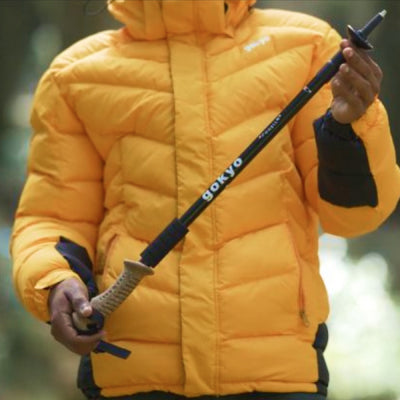
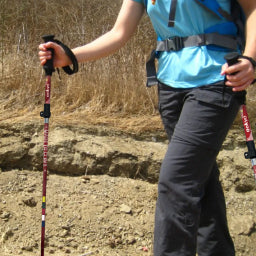
Trekking poles make that ascent and especially the descent more forgiving. They don’t make it easier — they just make it smarter.
Altitude plays games with appetite here. You may not feel hungry when you should be. That’s when small additions like protein food supplements help bridge the gap between meals without weighing you down.
And adding electrolyte powder to your bottle on summit morning prevents that sudden, heavy fatigue that can creep in quietly.
When the forest opens to reveal massive peaks behind blooming trees, the contrast feels almost unfair.
Too beautiful. Almost.
Breathable Trekking Clothing for Changing Temperatures
{{ featured_products_3 }}
4. Pindari Glacier Trail, Uttarakhand
Most people focus on the glacier at the end.
But the lower stretches in spring? That’s where the magic sits.
Villages framed by blooming rhododendrons. Trails edged with scattered alpine flowers. Streams running louder than usual because winter has loosened its hold.
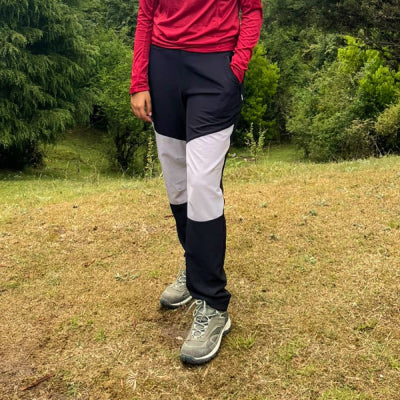
This is a steady, rhythmic walk. The kind where flexible trekking pants make long days feel smoother without you thinking about them.
Reliable hiking shoes matter near rocky bends, especially when snowmelt makes sections damp.
You don’t rush this trail. It doesn’t ask you to.
It simply unfolds.
5. Dayara Bugyal, Uttarakhand
Bugyals are different.
They’re open. Rolling. Wide enough to make you feel like the sky has expanded.
In late spring, Dayara spreads into green waves dotted with tiny wildflowers. It’s not dense like forest bloom. It’s softer. Scattered.
You warm up quickly walking across open meadows. Breathable outdoor tshirts handle that shift well without constant layering.
A well-packed trekking bag sits comfortably when you’re moving across uneven grassy slopes. Nothing swinging. Nothing digging in.
Trekking poles help during descents when the grass hides small dips in the ground.
And when sunset turns the meadow gold, you almost forget you’re above 10,000 feet.
It just feels peaceful.
Why Flower Valleys Change the Experience
There’s something psychological about color at altitude.
Snow feels dramatic. Rock feels powerful.
Flowers feel hopeful.
You walk differently through bloom.
You pause more.
You look around more.
You breathe slower.
But that only happens when discomfort isn’t distracting you.
When hiking shoes feel secure instead of stiff.
When trekking pants don’t pull at your knees.
When trekking poles reduce strain instead of adding weight.
When your travel rucksack feels balanced instead of dragging behind you.
Comfort doesn’t steal attention.
It gives it back to the view.
A Word About Preparation
Spring in the Himalayas is unpredictable.
Warm sun. Sudden wind. Soft trails from melting snow. Cold evenings.
Balanced packing inside your trekking bag helps manage that unpredictability. Responsive layering prevents constant stopping to adjust.
Steady hydration — sometimes supported by electrolyte powder — keeps energy consistent instead of spiking and crashing.
Small nutritional support from protein food supplements can help on longer days when meals are delayed.
None of this is dramatic.
But mountains rarely reward drama.
They reward awareness.
FAQs
1. When is bloom season in the Himalayas?
Typically late April through early June, depending on altitude and snowfall patterns.
2. Are flower valley treks suitable for beginners?
Many are moderate, but basic fitness and proper gear make a noticeable difference.
3. Do I really need trekking poles?
For descents and uneven spring terrain, they significantly reduce knee strain.
4. How should I pack for bloom season?
Focus on balanced weight distribution and adaptable layers rather than heavy packing.
5. Does hydration matter in cooler weather?
Absolutely. You may not feel thirsty, but steady hydration prevents fatigue.
6. What makes these treks special?
The contrast — delicate blooms against powerful Himalayan backdrops.
Flower valley treks aren’t about proving anything.
They’re about witnessing something.
The Himalayas in bloom don’t look intimidating. They look alive.
And when you move through them prepared — supported quietly by thoughtful design from Gokyo Outdoor Clothing & Gear — you don’t just finish a trek.
You carry a little bit of that color back with you.
And somehow, it stays.
← View Previous Blog:
 When the Rest of India Burns, North Sikkim Freezes in Silence
View Next Blog: →
 7 Himalayan Treks That Turn Pink, Red & White in Spring