How Long Treks Under Open Sky Affect Your Skin and Energy Levels (And What Your Body Is Quietly Asking For)
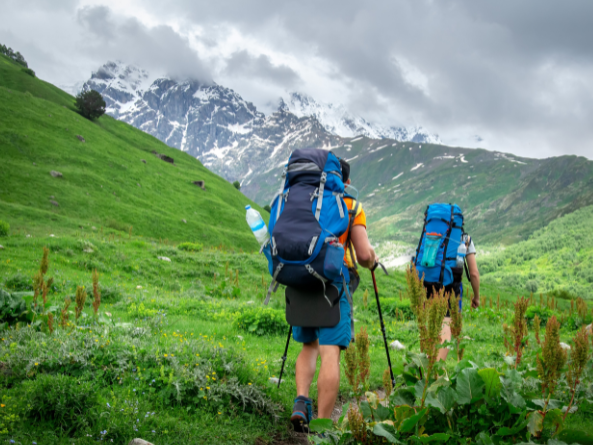
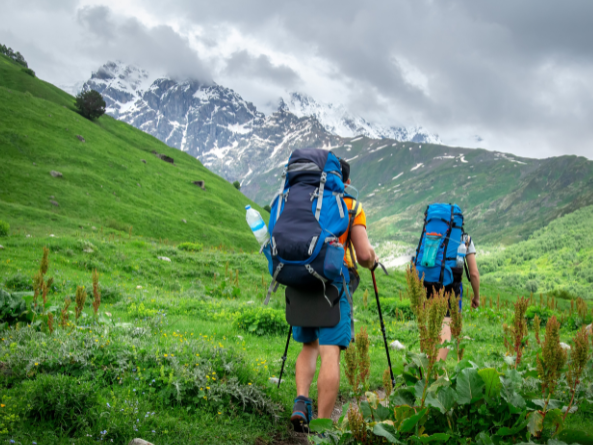
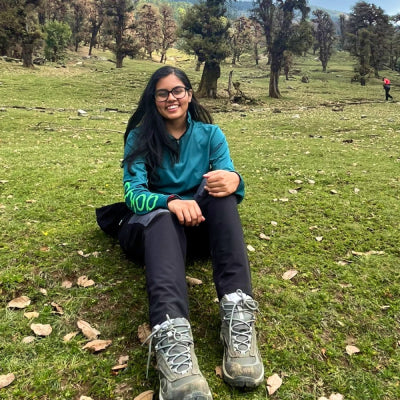
There’s something powerful about walking under an open sky.
No ceilings. No screens. Just clouds drifting slowly above you and trails stretching endlessly ahead. Every step feels honest. Every breath feels earned.
The first hour is magic.
Your body feels light. Your mind feels clear. Sunlight filters through trees or bounces off snow-covered ridges. You smile more. You move easily. It feels like this is exactly where you’re supposed to be.
But long treks have a way of revealing truths.
A few hours in, your lips feel dry. Your cheeks feel tight. Your legs don’t bounce the way they did earlier. By afternoon, your energy dips. The sun feels stronger. Your skin feels exposed.
Nothing dramatic happens all at once.
It’s gradual.
Your body slowly gives you updates — through tired calves, thirsty muscles, and skin that’s asking for care.
Let’s talk about what really happens to your skin and energy levels during extended treks under open skies — and how thoughtful preparation with Gokyo Outdoor Clothing & Gear can help you stay glowing, grounded, and strong from start to summit.
What the Open Sky Does to Your Body (Beyond the Beautiful Views)
Trekking outdoors isn’t just movement. It’s full-body exposure.
You’re meeting sunlight, wind, altitude, dry air, sweat, and temperature shifts — all in one day. Your body works harder to regulate itself, often without you realizing it.
Sun rays dehydrate skin faster than you expect. Cool mountain air pulls moisture away quietly. Wind strips natural oils. Meanwhile, your muscles burn through energy reserves as you climb, descend, and balance across uneven terrain.
Your system is constantly adapting.
That’s why long treks don’t just challenge your legs — they test your hydration, nutrition, skin barrier, and recovery ability all at once.
Why Your Energy Drops Even When You Feel “Fit”
Many trekkers assume energy loss means they’re out of shape.
Not true.
Most of the time, it’s about fuel timing.
Your body relies on a steady supply of fluids and nutrients to keep muscles firing smoothly. Without it, fatigue creeps in gently — slower steps, heavier breathing, longer pauses.
Replacing minerals lost through sweat with electrolyte powder helps your muscles stay responsive, especially on warm days or long ascents. Pairing that with protein food supplements during extended treks supports muscle repair, preventing that deep exhaustion that shows up later in the evening.
And hydration isn’t optional. Regular sips from accessible water bottles keep circulation flowing and help your body regulate temperature more efficiently.
Energy doesn’t disappear suddenly.
It fades when your body doesn’t get what it needs.
Stay Energized From the Inside: Hydration and Fuel That Carry You Far


The Silent Impact of Sun and Wind on Your Skin
While your legs are climbing, your skin is working overtime.
Sun exposure accelerates moisture loss. Wind roughens texture. Sweat evaporates quickly, leaving skin dehydrated beneath the surface.
That’s why by mid-trek, your face can feel tight even if the air feels cool.
Applying sunscreen protects against UV damage at higher altitudes where rays hit harder. A swipe of lip balm prevents cracking in dry mountain air. These small rituals don’t just preserve comfort — they help your skin recover faster after long days outdoors.
Trekking is beautiful, but it’s demanding.
Your skin deserves backup.
Clothes That Breathe, Stretch, and Save Your Strength


Clothing Choices That Support Both Comfort and Energy
What you wear directly influences how your body handles long hours outside.
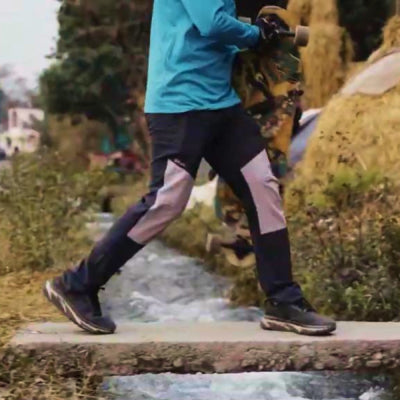
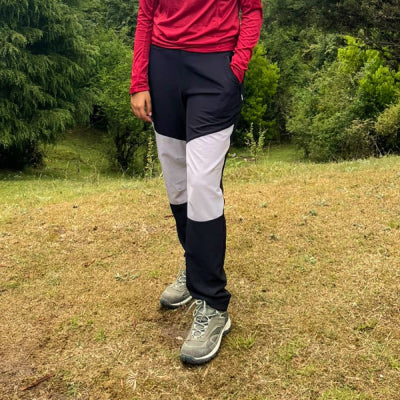
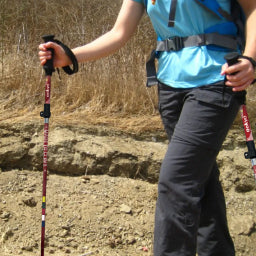
Breathable trekking tshirts for men allow sweat to escape, keeping your core temperature balanced. Flexible trekking pants for men reduce friction during climbs and give your legs freedom to move naturally across rocky or uneven trails.
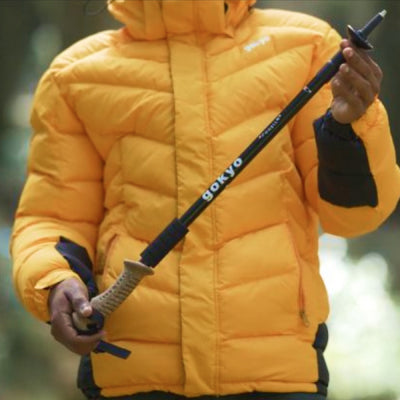
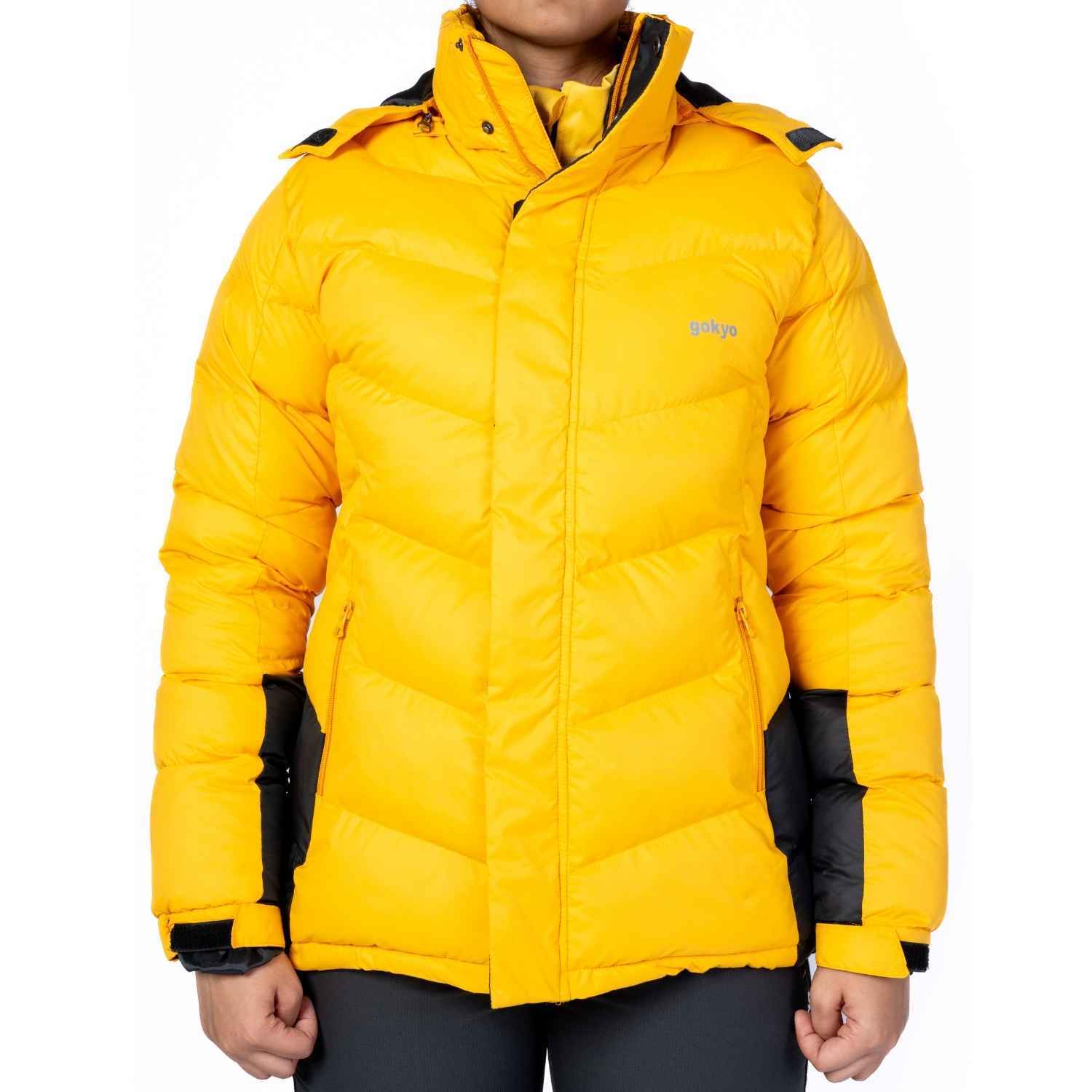
As conditions change, lightweight jackets for men help maintain warmth without trapping heat, protecting muscles from cooling too quickly when clouds roll in or winds pick up.
These layers aren’t just about style.
They reduce unnecessary energy drain.
When your body isn’t fighting temperature swings or uncomfortable fabrics, it conserves strength for what matters: moving forward.
How Gokyo Outdoor Clothing & Gear Supports Long Days on the Trail
Gokyo Outdoor Clothing & Gear is designed for real treks — not ideal weather forecasts.
Their approach focuses on adaptability. Pieces that breathe when the sun is strong. Layers that insulate when temperatures dip. Fits that move with your stride instead of restricting it.
Every detail is built to support long hours under open skies, from moisture-managing fabrics to thoughtfully engineered silhouettes that prevent chafing and fatigue.
Because comfort isn’t a luxury on the trail.
It’s endurance.
Light Layers for Long Days: Jackets That Adapt to Changing Skies


Small Trail Habits That Protect Your Glow and Your Strength
You don’t need complicated routines to feel better on long treks.
Just consistent care.
Drink before you feel thirsty.
Snack before you feel drained.
Reapply sunscreen during extended sun exposure.
Use lip balm when you stop, not when discomfort starts.
Adjust layers early instead of waiting until you’re cold or overheated.
These tiny decisions accumulate into steady energy and healthier skin by the end of the day.
Trekking rewards awareness.
Why Recovery Starts While You’re Still Walking
Most people think recovery begins at camp.
In reality, it starts on the trail.
Every sip, every snack, every layer adjustment is part of your recovery process. Supporting your body while it’s working prevents deeper fatigue later.
That’s why experienced trekkers don’t push blindly.
They listen.
They respond.
They respect the quiet signals their body sends throughout the day.
FAQs
Why does my skin feel dry even in cool mountain weather?
Cold air holds less moisture, and wind accelerates dehydration, pulling hydration from your skin faster than you realize.
How often should I hydrate on long treks?
Take small sips every 15–20 minutes rather than waiting until you feel thirsty.
Can clothing really affect energy levels?
Yes. Poor ventilation or restrictive fits force your body to work harder to regulate temperature, draining energy over time.
Do I still need sun protection in cloudy or cold conditions?
Absolutely. UV rays penetrate clouds and intensify at higher altitudes.
What’s the best way to avoid afternoon energy crashes?
Eat and drink consistently throughout the trek instead of relying on large breaks.
How can I tell if my body needs more fuel?
Early signs include slower pace, heavier legs, reduced focus, and sudden mood dips.
Long treks under open skies give you something rare — space to breathe, time to think, and miles of perspective.
But they also ask for awareness.
With steady hydration, thoughtful fueling, skin protection, and adaptive layers from Gokyo Outdoor Clothing & Gear, you can stay energized, comfortable, and confident from sunrise trails to sunset camps.
Because the journey isn’t just about reaching the destination.
It’s about feeling good while you get there.
← View Previous Blog:
 Why Your Inner Clothing Layer Controls Your Entire Trek Comfort