Why Head and Neck Protection Matters More Than You Think on Treks
Most trekkers don’t notice their head or neck at first.
They notice their legs.
Their breath.
The weight of the bag pulling gently on their shoulders.
The head and neck stay invisible — until they don’t.
It usually happens without drama. A breeze slides down your collar. The sun beats longer than expected on your scalp. Your neck feels tight. You shrug your shoulders once, then again. You tell yourself it’s nothing.
But slowly, quietly, your body starts working harder than it should.
And that’s when experienced trekkers know: something small has been ignored.
On the trail, your head and neck are not just exposed skin. They’re control points. Temperature regulators. Energy protectors. Comfort keepers. When they’re cared for, everything else feels easier. When they’re not, fatigue shows up early and stays longer than invited.
Headwear That Protects You From Sun, Wind, and Cold


The Head and Neck: Where Comfort Is Either Protected or Lost
Your body loses heat fastest from areas that stay uncovered — and the head and neck top that list.
Cold wind brushing against your neck triggers an instant response. Blood flow shifts inward. Muscles tighten slightly. Your breathing shortens without you realizing it. You may still be walking, but you’re no longer relaxed.
In warm conditions, the opposite happens. Direct sun on your scalp and neck drains energy steadily. Sweat evaporates fast. Dehydration creeps in. Your skin takes the hit before your legs ever complain.
This is why discomfort often starts above the shoulders.
Not because the trail is harder — but because your body is compensating.
Protect the head and neck, and your system stays balanced. Ignore them, and your energy leaks out quietly.
Neck Warmers and Buffs That Lock in Comfort on the Trail


Why Experienced Trekkers Never Treat Accessories as Optional
Beginners often think accessories are extras.
Experienced trekkers know they’re essentials.
A simple neck warmer becomes the difference between steady warmth and constant chills during shaded climbs. It blocks wind, protects sensitive skin, and keeps heat from escaping through the collar — especially when altitude rises.
Caps are worn long before the sun feels harsh. They shield the face, reduce squinting, and keep heat from escaping or building up too quickly. When temperatures drop further, beanies step in — soft, insulating, and quietly effective.
None of these items are bulky. None of them slow you down.
Yet together, they save enormous energy over long hours outdoors.
That’s the kind of efficiency experience teaches.
Breathable Trekking Clothing That Keeps Your Upper Body Relaxed
{{ featured_products_3 }}
How the Rest of Your Clothing Affects Your Neck Without You Noticing
Head and neck comfort doesn’t exist in isolation.
It’s connected to everything else you’re wearing.
Breathable trekking tshirts for men play a bigger role than people realize. When moisture escapes properly from the upper body, sweat doesn’t sit around the collarbone or shoulders, reducing that cold-then-hot cycle that leads to stiffness.
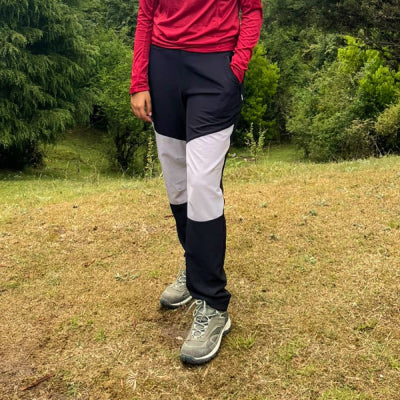
Well-designed trekking pants for men help keep posture natural on uneven terrain. When your lower body moves freely, your upper body stays relaxed — and tension doesn’t climb into the neck and shoulders.
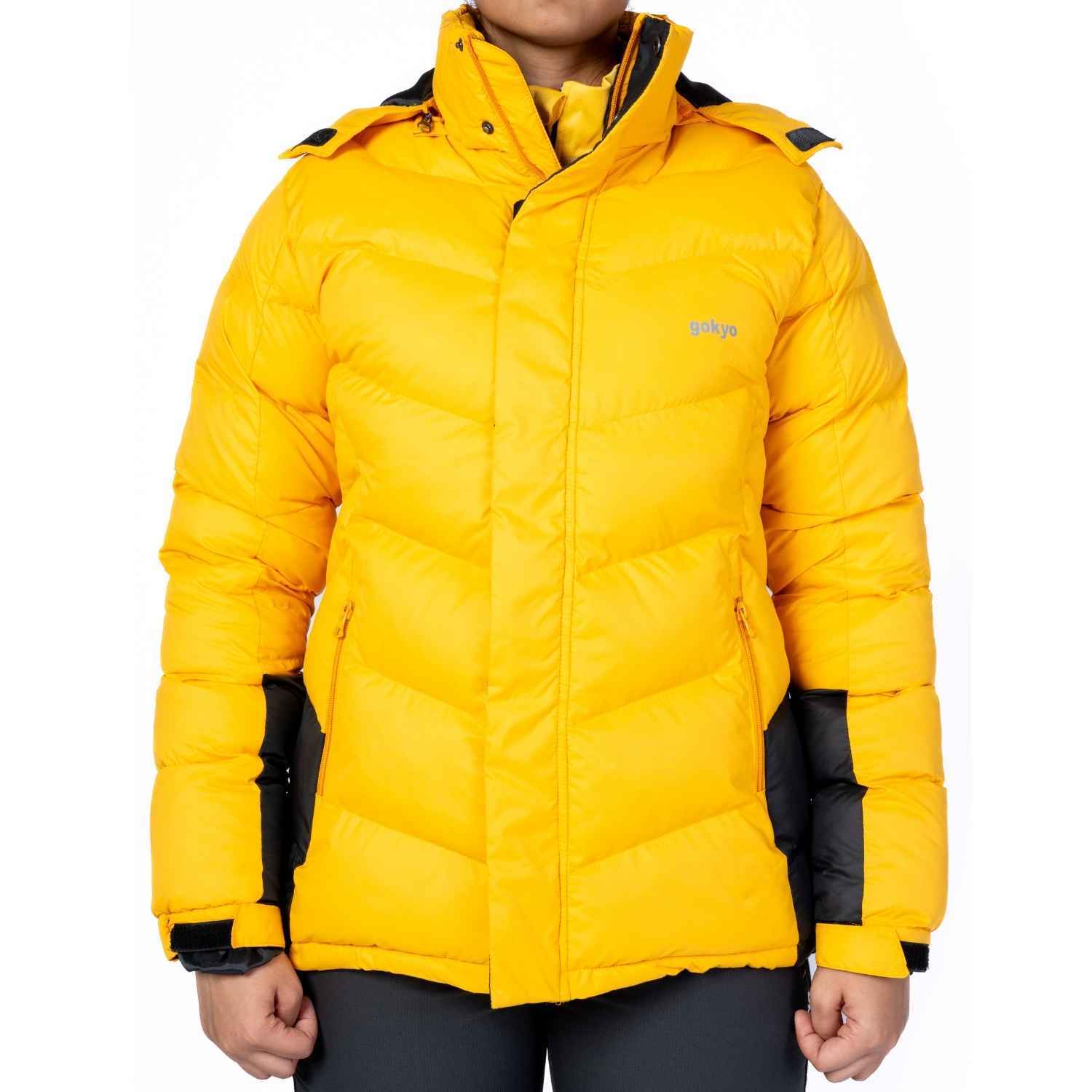
As conditions shift, jackets for men provide a controlled layer of warmth, preventing sudden temperature drops that cause your body to pull heat away from exposed areas like the neck.
Good clothing doesn’t just cover you.
It keeps your body calm.
Sun, Skin, and the Energy You Don’t Realize You’re Losing
Mountain sun is deceptive.
It doesn’t always feel harsh. Sometimes it feels gentle. Sometimes it hides behind clouds. But at altitude, UV exposure is stronger, and the neck takes it directly.
Applying sunscreen isn’t just about avoiding burns. It protects your skin barrier, helping it retain moisture and regulate temperature better over long hours outdoors.
When skin becomes stressed or dehydrated, your body works harder to cool or warm itself. That effort costs energy.
And energy, once lost, is hard to reclaim mid-trek.
This is why seasoned trekkers treat skin care as part of endurance, not vanity.
Nutrition, Tension, and Why the Neck Feels Fatigue First
There’s a reason shoulder rolls become more frequent as the day goes on.
Fatigue often settles into the neck before it hits the legs.
Long treks burn fuel steadily. When your body runs low, muscle recovery slows. Tension builds. The neck tightens. Posture slouches.
That’s why many experienced hikers carry protein food supplements for longer days. Not for bulk, but for repair. Supporting muscles during the trek reduces that heavy, stiff feeling that shows up late afternoon.
Energy isn’t just about movement.
It’s about how well your body recovers while moving.
Packing Smart So Your Neck Isn’t Carrying Extra Work
Sometimes discomfort has nothing to do with weather.
Sometimes it’s your pack.
Poorly balanced trekking bags pull backward, forcing your neck and shoulders to compensate step after step. That strain accumulates quietly, turning into stiffness and fatigue before you realize what’s happening.
Well-fitted packs distribute weight evenly, allowing your spine to stay aligned and your neck to relax. When your load feels stable, your breathing improves. Your posture straightens. Your steps feel lighter.
Comfort, once again, comes from intention.
The Gokyo Outdoor Clothing & Gear Way of Thinking
Gokyo Outdoor Clothing & Gear doesn’t design for extremes alone.
They design for hours.
For slow climbs. For long ridgelines. For weather that changes without asking. Their pieces focus on adaptability — fabrics that breathe when needed, insulate when required, and move naturally with the body.
Nothing fights your stride. Nothing demands constant adjustment.
The goal is simple: keep your body in balance so you can stay present on the trail.
When your gear works quietly, you notice the mountains more than yourself.
The Calm You See in Trekkers Who Get It Right
You can spot experienced trekkers without asking.
They don’t rush when the wind picks up.
They don’t complain when clouds roll in.
They don’t wait until discomfort forces action.
They adjust early.
A layer comes out. Something zips up. Headwear changes. The body stays calm.
That calm isn’t toughness.
It’s understanding.
Small Habits That Protect Your Head, Neck, and Energy
You don’t need complicated systems.
Just awareness.
Cover your neck before it chills.
Protect your head before the sun drains you.
Adjust layers early.
Fuel steadily.
Hydrate often.
These small decisions prevent bigger problems later.
And they turn long treks into steady, enjoyable journeys.
FAQs
Why does cold air affect my neck so quickly while trekking?
Because the neck loses heat fast and directly impacts circulation and muscle tension.
Is head protection really necessary in mild weather?
Yes. Even gentle sun or light wind can drain energy over long hours.
How can I reduce neck stiffness on multi-day treks?
Use proper layering, avoid overloading packs, and take short posture resets during breaks.
Does clothing choice really influence upper-body fatigue?
Absolutely. Breathable, flexible layers keep muscles relaxed and circulation steady.
When should I adjust head or neck layers?
Before discomfort begins. Prevention always works better than correction.
How do I know my pack is affecting my neck?
If you feel shoulder tightness or constant upper-back strain, weight distribution needs attention.
Your head and neck may seem like small details in your trekking setup.
But they quietly shape everything — how warm you feel, how long your energy lasts, how relaxed your body stays.
With mindful habits, thoughtful layering, and dependable design from Gokyo Outdoor Clothing & Gear, you give yourself the gift of balance on the trail.
And when balance is protected, trekking stops feeling like effort.
It starts feeling like flow.
← View Previous Blog:
 Why Experienced Trekkers Pack Fewer Clothes but Stay More Comfortable
View Next Blog: →
 Why Trekkers Feel More Tired Without Proper Head Coverage