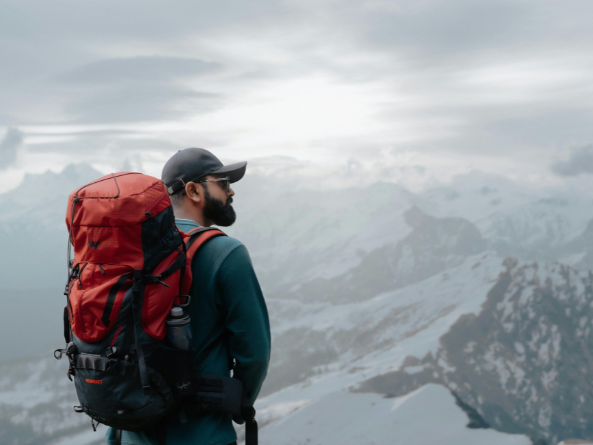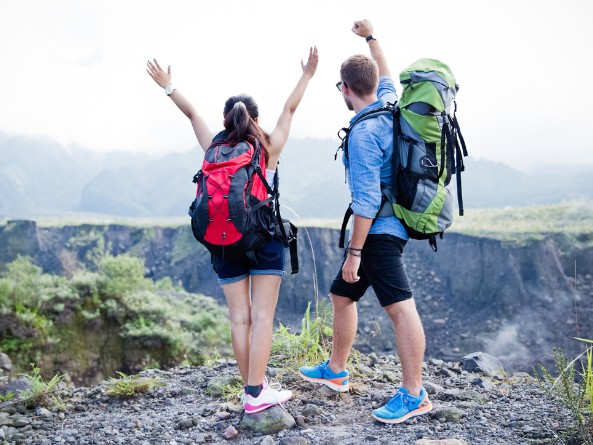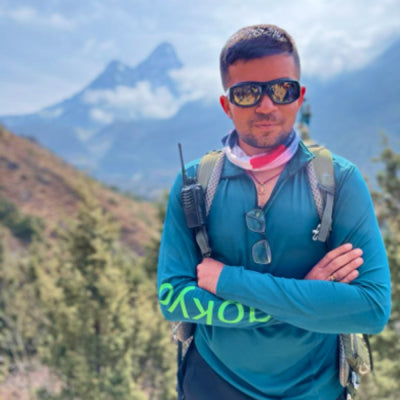
Why Trekkers Feel More Tired Without Proper Head Coverage
Most trekkers blame tired legs.
They blame steep climbs. Heavy backpacks. Thin mountain air.
Very few ever think to blame their head.
But talk to anyone who’s spent long days walking under open skies and they’ll tell you something quietly surprising: fatigue often begins above the shoulders.
Not in your calves.
Not in your thighs.
In your head.
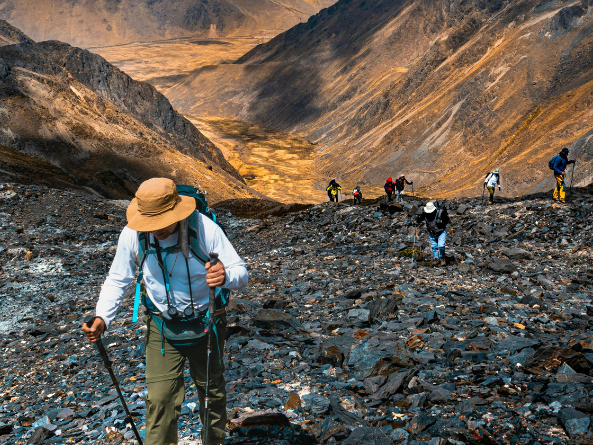
It happens slowly. The sun stays on your scalp longer than expected. A warm breeze dries sweat faster than your body can replace it. Your neck tightens. Your focus softens. You start taking longer pauses without really knowing why.
You haven’t walked farther than usual.
Yet somehow, you feel more drained.
That’s what uncovered exposure does. It doesn’t shout. It whispers. And by the time you notice it, your energy has already slipped away.
Let’s talk about why proper head coverage matters more than most trekkers realize — and how thoughtful preparation with Gokyo Outdoor Clothing & Gear can change how you feel on the trail.
The Head: Your Body’s Quiet Energy Regulator
Your head plays a much bigger role in endurance than people think.
It’s where heat escapes fastest. It’s where sunlight hits directly. It’s where dehydration often begins. When your scalp is exposed for hours, your body works harder to regulate temperature.
On hot days, your system pushes more fluids toward cooling. On windy ridges, warmth escapes quickly, forcing circulation to shift inward. Both situations drain energy.
Not dramatically.
Gradually.
That’s why trekkers without head coverage often feel tired earlier, even when everything else seems right.
Your body is busy fixing something you didn’t protect.
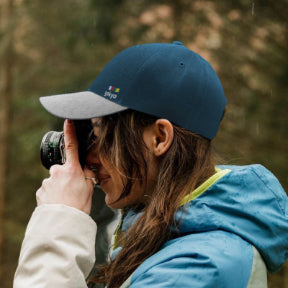
Smart Head Protection for Long Sunny Treks


How Sun Exposure Quietly Steals Your Stamina
Mountain sun feels different.
It’s brighter. Sharper. Less filtered.
Direct exposure on your scalp and face increases fluid loss and stresses your skin barrier. Over time, this leads to dehydration, slower recovery, and that foggy feeling that makes climbs feel harder than they should.
That’s why experienced trekkers don’t treat suns as optional. Applying it to exposed skin protects more than appearance — it preserves moisture, reduces inflammation, and helps your body regulate heat more efficiently.
Protecting your head from the sun isn’t cosmetic.
It’s endurance.
Clothing That Supports Temperature Balance
Head coverage works best when the rest of your clothing supports it.
Breathable trekking tshirts help sweat escape during climbs, preventing moisture buildup around your neck and shoulders. Many hikers also rotate in dry fit tshirts on warmer stretches, allowing their upper body to stay cool without sudden chills during breaks.
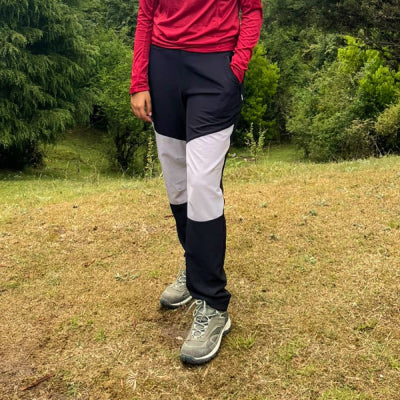
Your lower half matters too. Flexible hiking pants for men allow natural movement across uneven trails, reducing strain that often travels upward into your posture and neck.
When your clothing works with your body, your head doesn’t have to compensate.
Everything stays in rhythm.
Breathable Upper Layers That Prevent Heat Build-Up
{{ featured_products_2 }}
Why Footwear and Packs Affect Head Fatigue
It might sound strange, but tired heads often start with tired feet.
Unstable shoes for trek force micro-adjustments with every step. Over time, this affects posture, tightening the neck and shoulders.
The same goes for poorly balanced trekking bags. When weight pulls unevenly, your upper body works overtime just to stay aligned. That constant tension drains energy faster than most people realize.
Comfort is connected.
From soles to shoulders to scalp.
Stable Footwear and Packs That Reduce Upper-Body Fatigue


Fueling the Body So Fatigue Doesn’t Settle In
Long treks burn calories quietly.
Without steady nutrition, muscles stiffen, focus fades, and recovery slows. That’s why many experienced hikers carry protein food supplements for longer days — not to bulk up, but to support muscle repair while still moving.
When your body gets what it needs, tension doesn’t collect in your neck as quickly. Energy stays steady. Breaks feel refreshing instead of desperate.
Fatigue is rarely just physical.
It’s nutritional too.
Trail Nutrition That Keeps Your Energy Steady


The Gokyo Outdoor Clothing & Gear Philosophy
Gokyo Outdoor Clothing & Gear designs for movement, not moments.
Their approach centers on comfort that lasts — breathable fabrics, flexible fits, and thoughtfully engineered pieces that adapt to changing conditions. Nothing stiff. Nothing restrictive. Everything built for real trails and long hours outdoors.
Their clothing supports temperature regulation, posture, and mobility so your body doesn’t have to fight its own gear.
Because when your equipment feels natural, your energy flows naturally too.
That’s when trekking stops feeling heavy.
The Difference Between Pushing Through and Trekking Smart
New trekkers often push.
Experienced trekkers adjust.
They cover their head before the sun feels harsh. They hydrate before thirst appears. They change layers early instead of waiting for discomfort.
They understand that prevention beats recovery.
And that small habits shape big days.
Simple Trail Practices That Protect Your Energy
You don’t need complicated systems.
Just awareness.
Cover your head early.
Drink often.
Fuel consistently.
Adjust clothing before you overheat or chill.
Pay attention to posture.
These tiny decisions prevent exhaustion from building quietly in the background.
FAQs
Why do I feel more tired on sunny treks even when distances are short?
Because direct sun exposure increases dehydration and body temperature, draining energy faster.
Can head coverage really affect trekking performance?
Yes. It helps regulate temperature and reduces the strain your body faces in open conditions.
How does footwear impact upper-body fatigue?
Poor stability forces posture adjustments, which leads to neck and shoulder tension over time.
Is breathable clothing important even in cool weather?
Absolutely. Moisture management prevents sudden chills and keeps muscles relaxed.
What’s the biggest mistake beginners make regarding fatigue?
Waiting until exhaustion appears instead of preventing it early.
How can I tell if my gear is contributing to tiredness?
If you feel constant neck stiffness, shoulder tension, or mental fog, something in your setup likely needs adjustment.
Tiredness on treks doesn’t always come from distance.
Sometimes it comes from exposure.
With thoughtful head protection, balanced clothing, steady fueling, and dependable design from Gokyo Outdoor Clothing & Gear, you give your body permission to stay comfortable — even under long hours of open sky.
Because when your head feels protected, your energy lasts longer.
And when your energy lasts longer, the trail feels kinder.
← View Previous Blog:
 Why Head and Neck Protection Matters More Than You Think on Treks
View Next Blog: →
 Why Trekking Comfort Is More Mental Than Physical