Why Your Inner Clothing Layer Controls Your Entire Trek Comfort
Most people think trek comfort comes from the outside.
The jacket.
The shoes.
The backpack.
But anyone who has walked for hours in shifting weather knows the truth: comfort begins on the inside — with the layer that sits closest to your skin.
Your inner layer doesn’t get photographed. It doesn’t look dramatic. No one compliments it at a viewpoint. Yet it decides how warm you stay, how dry you feel, how long your energy lasts, and whether small discomforts turn into reasons to quit.
If your inner layer fails, the rest of your trek struggles to recover.
The First Layer Is the Only One That Never Leaves You
On a trek, outer layers come and go.
You unzip. You remove. You add back.
But the inner layer? It stays on for hours, sometimes days.
It absorbs sweat. It regulates temperature. It sits between your skin and everything else you wear. If it traps moisture, you feel cold even when layered. If it restricts movement, fatigue creeps in faster than expected.
This is why experienced trekkers obsess over what touches their skin first — not last.
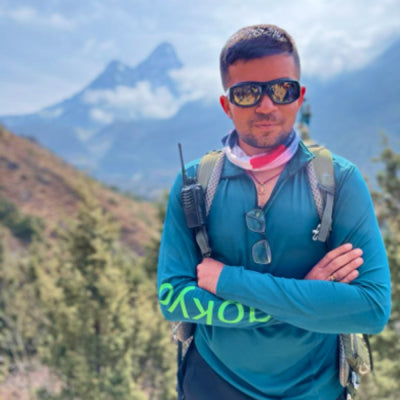
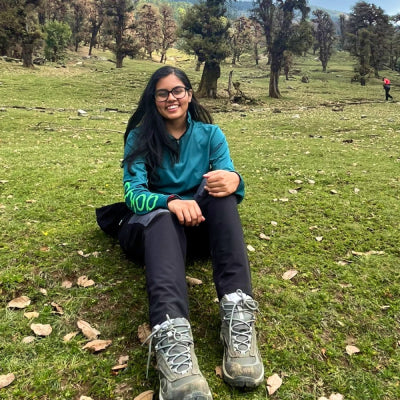
At Gokyo Outdoor Clothing & Gear, inner layers are designed with this exact reality in mind: long hours, uneven exertion, unpredictable weather, and real bodies that don’t move in perfect conditions.
The Layer That Works Quietly: Base Essentials That Start Your Trek Right


Sweat Is the Real Enemy, Not Cold
Most discomfort on treks isn’t caused by low temperatures.
It’s caused by moisture staying where it shouldn’t.
When sweat sits against your skin, it cools you down rapidly once you stop moving. That’s when chills hit during breaks, and that’s when your trek starts feeling harder than it needs to be.
This is where thermals for men quietly do their most important work — maintaining warmth while allowing moisture to move away from the body. They don’t overheat you. They don’t cling uncomfortably. They stabilize your temperature so your body doesn’t swing between extremes.
Layering only works when the base layer cooperates.
Comfort Isn’t About Thickness — It’s About Balance
A common mistake beginners make is choosing heavy inner layers, assuming thicker means warmer. In reality, smart layering is about balance.
A well-designed dry fit tshirt men option works beautifully during high-output sections — steep climbs, long approaches, warmer afternoons. It keeps sweat from pooling while staying light enough that you don’t feel wrapped in fabric.
When your inner layer breathes properly, your outer layers become more effective too. Jackets trap warmth better. Wind protection works more efficiently. Your body feels supported instead of suffocated.
This is why thoughtful trekking apparel isn’t built for one condition — it adapts as the day unfolds.
Sweat Control Matters: Inner Layers That Keep You Dry on the Trail


Outer Layers Only Work If the Inside Is Right
A solid outer system means nothing if your inner layer has already failed.
You can wear the best jackets for men, but if sweat is trapped underneath, you’ll still feel cold once you stop. You can carry a fleece jacket for warmth and a down jacket for extreme cold, but both rely on dry insulation to perform properly.
Even a windcheater for men — light, practical, and essential in exposed terrain — works best when the layers beneath it manage moisture well.
This is why layering should always be built from the skin outward, not the other way around.
Build the System Outward: Mid and Outer Layers That Support Your Base
Movement Feels Easier When Nothing Is Fighting You
Inner layers also affect how your body moves.
When fabric bunches, rubs, or pulls, you subconsciously adjust your posture. Over hours, those small adjustments lead to fatigue, sore shoulders, and uneven strides.
When your base layer fits right, you don’t think about it at all.
That freedom of movement becomes even more important once you’re carrying weight. A properly packed load in your trekking bags already demands energy. Your clothing shouldn’t add friction to the equation.
Likewise, stable footing from reliable shoes for trek only works if your body feels aligned and unrestricted above them.
Comfort isn’t one piece of gear — it’s a system.
The Inner Layer Sets the Mood of Your Trek
This part doesn’t get talked about enough.
When your body feels uncomfortable, your mind follows. You get impatient. You rush breaks. You stop enjoying the scenery. Small inconveniences feel bigger than they are.
When your inner layer works, you stay calm longer. You pause comfortably. You enjoy stillness instead of rushing through it.
That emotional ease is what Gokyo Outdoor Clothing & Gear designs for — not just performance, but endurance that feels humane.
Good Layering Reduces the Need to Overpack
One of the biggest advantages of choosing the right inner layer is that you don’t need to overcompensate with extra clothing.
When your base regulates heat and moisture properly, you carry fewer backup items. Your pack stays lighter. Your movement stays smoother. Your trek feels simpler.
Instead of constantly changing clothes, you adapt by adding or removing outer layers — confident that the foundation is solid.
That’s real efficiency. The quiet kind.
Trek Comfort Is Built, Not Bought
There’s no single “perfect” outfit. There is only thoughtful layering, chosen with awareness of how your body behaves over time.
Your inner layer controls:
-
How warm you feel during rest
-
How dry you stay during effort
-
How well your outer layers perform
-
How long your energy lasts
Once you get this right, everything else starts falling into place.
At the end of the day, great gear doesn’t shout. It supports. And when your inner layer does its job, the trek stops feeling like something you’re managing — and starts feeling like something you’re enjoying.
That’s the difference good design makes.
That’s the philosophy behind Gokyo Outdoor Clothing & Gear.
Move Freely All Day: Trek Gear That Supports Comfort From Head to Toe


FAQs
1. Why is the inner clothing layer more important than the jacket?
Because it directly touches your skin and controls moisture and temperature first. If this layer fails, outer layers can’t compensate effectively.
2. Can I wear cotton as an inner layer while trekking?
Cotton holds moisture and dries slowly, which leads to chills and discomfort. Performance fabrics are far better suited for long treks.
3. How many inner layers should I carry on a multi-day trek?
Usually two are enough — one to wear and one dry backup. Quality matters more than quantity.
4. Do inner layers matter in warmer climates too?
Yes. Moisture control is even more important in warm conditions to prevent overheating and fatigue.
5. How should an inner layer fit?
It should sit close to the skin without restricting movement. Loose enough to breathe, snug enough to regulate heat.
6. When should I change my inner layer during a trek?
If it becomes fully soaked and conditions are cold, changing can significantly improve comfort and prevent heat loss.
← View Previous Blog:
 Why Trekking Comfort Is More Mental Than Physical