Why Trekking Comfort Is More Mental Than Physical
There’s a moment on almost every trek that no one prepares you for.
Your legs are tired, yes.
Your shoulders feel the weight, sure.
But that’s not the moment you struggle.
You struggle when your mind starts asking questions.
How far is left?
Why does this feel harder than I expected?
Am I slowing everyone down?
That’s when comfort — real comfort — gets tested.
Because trekking isn’t just about what your body can handle.
It’s about what your mind decides to tolerate, accept, and move through.
The Body Feels Pain — the Mind Gives It Meaning
Pain is neutral.
Fatigue is neutral.
It’s the meaning we attach to them that changes everything.
A tight calf can mean, “My body needs a moment,” or it can mean, “I’m not made for this.”
The sensation is the same. The experience is completely different.
When the mind stays calm, the body cooperates.
When the mind panics, the body follows.
That’s why two people with the same fitness level can walk the same trail and come away with opposite stories — one fulfilled, one frustrated.
Comfort lives in interpretation.
Familiar Things Quiet the Mind Faster Than New Ones
The brain relaxes when it recognizes patterns.
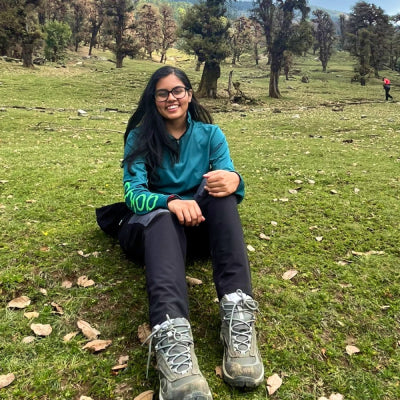
That’s why wearing familiar trekking tshirts feels reassuring even before you start walking. You already know how they sit on your shoulders. You know they won’t cling when you sweat. You know they won’t distract you.
That sense of “I’ve got this” doesn’t come from toughness — it comes from trust.
The same happens with dry fit tshirts that breathe when your pace picks up. You stop checking in with your body every five minutes. You let movement take over.
That mental quiet is energy saved.
Familiar Layers That Let Your Mind Relax on the Trail
{{ featured_products }}
When Clothing Stops Interrupting, the Mind Can Wander (In a Good Way)
Discomfort keeps pulling you back into your head.
Fabric rubbing. Heat building. Waistbands digging in.
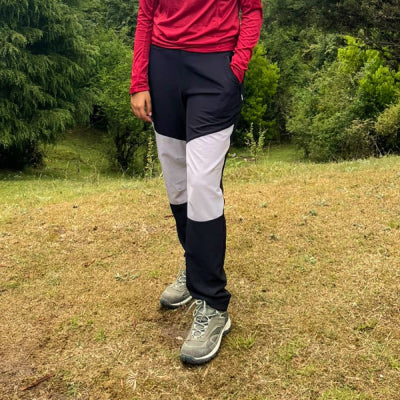
But when your clothes move naturally — especially well-designed hiking pants for men — your stride becomes unconscious. Your breath finds rhythm. Your thoughts soften.
You stop thinking about how you’re walking and start noticing where you are.
That’s when trekking stops feeling like effort and starts feeling like flow.
This is the kind of ease Gokyo Outdoor Clothing & Gear designs for — not dramatic performance, but the quiet kind that lets you forget yourself for a while.
Clothing That Moves With You (So You Stop Thinking About It)


The Weight You Carry in Your Head Is Heavier Than Your Pack
Everyone talks about reducing pack weight. Few talk about reducing mental load.
When your trekking bags sit right, when you know where everything is, when nothing shifts or pulls — your brain relaxes. You’re not constantly adjusting or worrying.
Confidence in your setup frees mental space.
The same happens with shoes for trek that feel stable and predictable. When your footing feels secure, fear doesn’t creep in. You don’t overthink every rock. You trust your steps.
That trust changes posture, pace, and mindset.
Stable Gear That Builds Confidence With Every Step


Energy Isn’t Just Physical — It’s Psychological
There’s a specific kind of tiredness that doesn’t come from muscles.
It comes from doubt.
That’s why fueling isn’t just about calories. It’s about reassurance. When protein food supplements are timed right, they don’t just support recovery — they calm the part of your brain that wonders whether you’re running on empty.
That calm keeps motivation steady.
Because once the mind believes you’re supported, the body keeps going longer than expected.
Fuel That Keeps Your Energy — and Your Mind — Steady


The Sun Drains the Mind Before It Drains the Body
Long exposure doesn’t scream for attention.
It whispers.
Heat shortens patience. Glare tightens thoughts. Dehydration makes small problems feel large.
Preparing for harsh suns early — instead of reacting later — preserves emotional balance. When you’re not constantly irritated by the environment, you respond instead of react.
Comfortable trekkers make clearer decisions.
Discomfort Feels Bigger When It’s Unexpected
Most mental stress on a trek comes from surprise.
Cold winds you didn’t layer for.
Fatigue you didn’t anticipate.
Climbs that appear without warning.
But preparation reduces shock. When your clothing, nutrition, and gear choices are already aligned, challenges feel like part of the experience — not interruptions.
This is where Gokyo Outdoor Clothing & Gear quietly earns its place. It doesn’t hype you up. It steadies you. It removes friction so your mind doesn’t have to firefight all day.
The Mind Sets Limits Before the Body Ever Does
Most people don’t stop because they’re physically incapable.
They stop because their inner dialogue turns harsh.
This is too much.
I can’t do this today.
But when the mind stays neutral — curious instead of judgmental — the body surprises you.
Mental comfort isn’t forced positivity.
It’s trust.
Trust in your preparation.
Trust in your pace.
Trust in your ability to adjust without panic.
That trust is built long before the trek begins.
Comfort Is a State You Carry, Not a Condition You Chase
Perfect weather won’t guarantee comfort.
Neither will expensive gear.
Comfort happens when your physical needs are met quietly — without demanding attention. When nothing rubs, overheats, surprises, or distracts you, the mind settles.
That’s when trekking becomes something deeper than endurance.
It becomes presence.
That’s the experience Gokyo Outdoor Clothing & Gear is built to support — not loud adventure, but sustained calm.
FAQs
1. Why does trekking sometimes feel mentally harder than physically?
Because uncertainty and self-doubt drain energy faster than physical effort.
2. Can clothing really affect mindset on a trek?
Yes. Irritation and distraction slowly exhaust mental focus over time.
3. How can I improve mental comfort while trekking?
Use familiar gear, fuel consistently, and remove unnecessary discomfort.
4. Is lighter gear always better for comfort?
Not always. Reliability often feels lighter than unfamiliar minimal setups.
5. How does preparation reduce mental fatigue?
It prevents surprises, which are a major source of stress on long days.
6. Can mental comfort be trained?
Yes. Experience, self-awareness, and thoughtful preparation all strengthen it.
← View Previous Blog:
 Why Trekkers Feel More Tired Without Proper Head Coverage
View Next Blog: →
 Why Your Inner Clothing Layer Controls Your Entire Trek Comfort