Winter Trekking Mistakes Most People Make in January
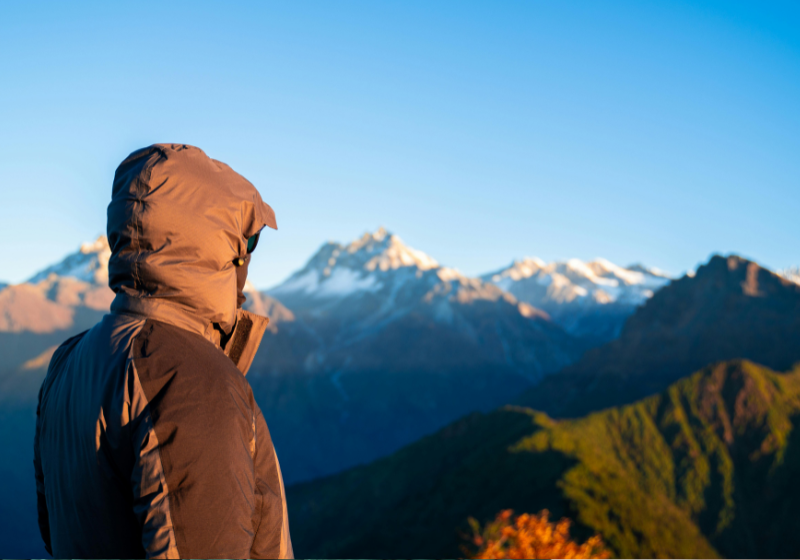
Stepping onto a snow-covered path for the first time always feels like an easy task, but it is just the first step of the day. You make noise with your boots as they go over the frozen powder, and you exhale clouds of breath into the fresh morning air, while the mountains look calm and indifferent, just like ancient guardians who see every mistake but do not care at all. Nonetheless, every novice or even an average trekker will have a hard time in January snow treks that hold hidden traps, which are not the steep slopes, or even the cold air, that usually break you. It’s the little mistakes—the ones you don’t see until your fingers go numb, your back is soaked in sweat, or your knees tremble under a poorly balanced pack.
Most trekkers think the challenge is endurance, but winter teaches another lesson: preparation beats grit. The difference between a magical, soul-filling trek and a day that makes you wish you’d stayed in bed often comes down to what’s on your body, what’s in your bag, and how well you respect the snow.
Mistake 1: Ignoring What Touches Your Skin
The human body is exceptionally cold sensitive, but it is even more severely punished if sweat is allowed to remain on the skin. Beginners often come out to the snow in thick cotton jumpers, thinking that heaviness equals warmth. After a few minutes of trudging uphill, the cotton is soaked with perspiration, sticking to the back, and drawing heat away from the core.
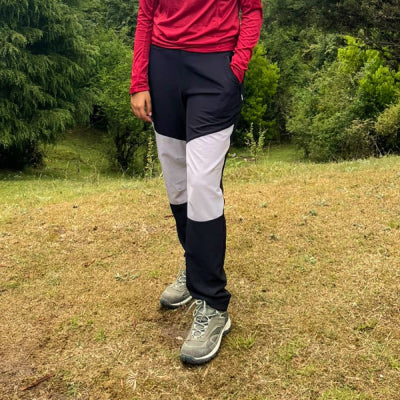
That is the reason why base layer thermals are marketed. As soon as they make contact with your skin, they begin to perform silently—extracting moisture, controlling temperature, and allowing your mid-layers and outer layers to do their job effectively. Men’s thermals for men for casual winter wear are frequently unserviceable during excursions, since they have not been made to last for a long period of time. Trekking thermals will stretch, breathe, and recover, thus keeping your body in balance through every climb, pause, and windy gust.
Just think of it: your breath causing the air to become grey, the sun giving you warmth, and a chilly gust blowing on your back. If the base layer is inadequate, you are going to feel that moment in every nerve ending. On the other hand, if it works, it will be invisible—but it will make everything else easy.
Essential Base Layers for Comfort


Mistake 2: Over-Reliance on a Single Thick Jacket
Nothing can compare to the joy of slipping into a thick down jacket and feeling like a human snowball. But the problem is that snow and physical activity are not immobile. Climbing a mountain generates heat very fast. That heat, if it stays under a single thick layer, will turn into sweat, and as soon as you stop, the jacket will become a sauna—then a cold trap.
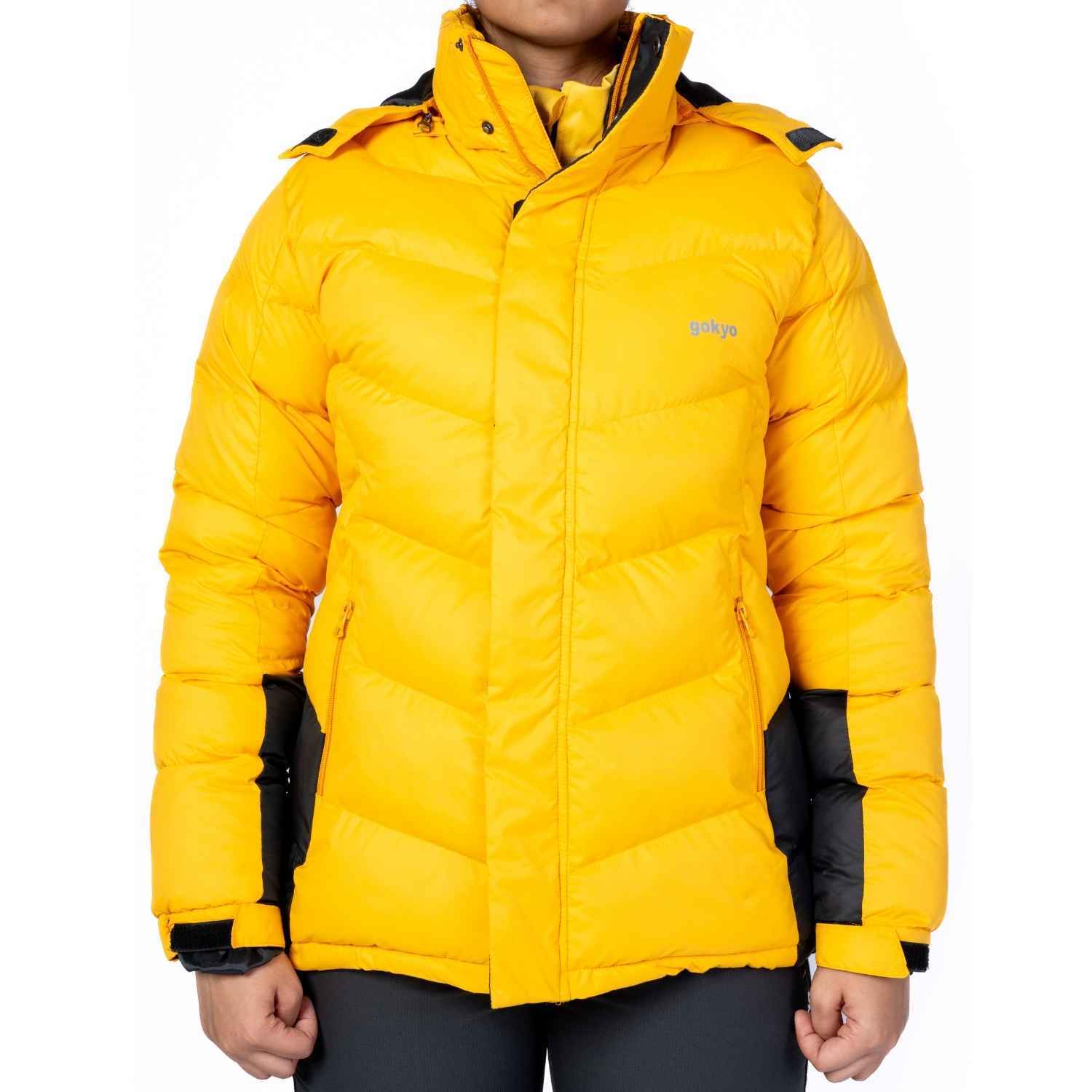
Experienced hikers layer malleably. A lightweight down coat is the best choice to put over a moisture-controlling base layer with breathable jackets for men or windcheater for men on top to block wind while letting heat evaporate. Layering is like a living being. It will respond to your movement, change of altitude, and the weather. Thickness alone will not suffice.
I still have very vivid recollections of my first-ever winter trek in the snow-covered Himalayas. I was on a high ridge, and the wind came razor-sharp. Even with my thick jacket on, I could feel it. My hands were trembling, my back was sweating. Only when I had the right layers on during the second day did I know that the warmth is not in down, but in air circulation and moisture management.
Best Outer Layers for Winter Treks


Mistake 3: Neglecting Hands and Feet
Hands and feet are the quiet adversaries against winter trekking. They are losing heat quicker than the core, yet are often the last part of the body to be thought of in a packing list. Winter gloves, trekking socks, and properly fitted shoes for trek are not luxuries; they are survival tools. I once witnessed a beginner halting his journey midway, attempting to transfuse blood into his frozen toes. The whole group was slowed down in a matter of seconds. If the extremities are secured, then the rest feels extremely warmer and safer.
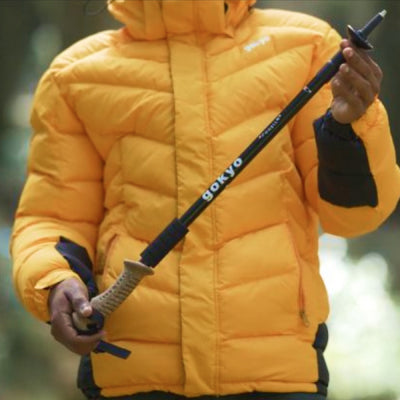
Are crampons necessary on the icy parts? It is not a matter of them being a necessity—they are a source of confidence. Trekking poles ensure that the weight is distributed evenly, thus protecting the joints and ligaments from strain. A well-prepared hiker not only walks but also moves smoothly like a measured effort, with energy preserved for the top, not for the slip.
Trekking Essentials
{{ featured_products_3 }}
Mistake 4: Ignoring Small Essentials
Usually, it’s the smallest things that have the greatest impact. A beanie that keeps in the heat at the top of your head. Sunglasses to guard against the blinding reflection off the snow. Sunscreen and lip balm to prevent chapping and UV damage. A little warm drink from thermos flasks to help maintain core temperature during a short mid-hike break.
One might think that these are not so important when taken separately. Together, they create a system of protection. Neglect one, and your body works harder to compensate, burning calories, losing heat, and draining energy. On long winter treks, these small items quietly dictate comfort, endurance, and morale.
Quick-Access Winter Accessories
{{ featured_products_4 }}
Mistake 5: Poorly Packed Bags and Mismanaged Weight
A heavy or unbalanced travel bags is a stealthy energy thief. Straps dig into your shoulders, weight pulls your posture off-center, and your stride shortens. By the time the snow crunches under your boots, you’re already more fatigued than the trail demands.
Strategic packing is an art. Keep heavy items close to your back, distribute essentials evenly, and know where everything is. Energy and focus should go into navigating the trail, not compensating for a shifting bag.
Mistake 6: Skipping Nutrition and Hydration
Cold weather increases calorie burn. A beginner might feel fine until mid-morning, when low energy causes shivers, missteps, and fatigue. Snacks help, but protein food supplements provide a steady energy release without weighing you down. Hydration is equally critical—water stabilizes internal temperatures and aids circulation. A well-fueled trekker moves efficiently, while the unprepared fight their own bodies every step.
Mistake 7: Underestimating Terrain
Snow changes everything. A simple rock becomes a hidden obstacle. A gentle slope can hide an icy patch that would have been trivial in summer. Trekking poles, crampons, and proper boots aren’t just for safety—they prevent wasted energy, missteps, and unnecessary sweat.
Pay attention to the snow’s consistency. Take deliberate steps. Test the terrain with poles. Adapt pace and balance. The mountain may be indifferent, but preparation allows you to move confidently, almost harmoniously.
Why Gokyo Outdoor Clothing & Gear Matters
The secret to avoiding all these mistakes is systems, not singular items. Gokyo Outdoor Clothing & Gear doesn’t just cover you—it anticipates movement, changing weather, and exertion. Fleece jackets balance warmth and breathability, down jackets offer lightweight insulation, and outer layers like windcheater for men block wind without trapping sweat.
Even accessories are purpose-driven: beanies, gloves, and sunglasses ensure extremities are protected. Shoes, poles, and crampons distribute weight and preserve energy. When all elements work together, trekking becomes an immersive experience rather than a constant battle against cold, sweat, and fatigue.
Final Thoughts: Winter Trekking Isn’t About Heroism
January snow treks aren’t about proving courage—they’re about curiosity, mindfulness, and connection. Every crunch of snow, the mist of your breath, the stillness broken by a distant birdcall—it’s all amplified by preparation.
The mistakes most people make—ignoring base layer thermals, over-relying on a single jacket, neglecting extremities, mismanaging nutrition, and underestimating terrain—are avoidable. With Gokyo Outdoor Clothing & Gear, a thoughtful layering system, and awareness, even beginners can traverse winter trails with confidence and joy.
Snow turns every trail into a silent, magical classroom. If your hands are warm, your feet secure, your energy steady, and your mind clear, you stop fighting the elements and start moving with them. That is the true reward of winter trekking.
FAQs
1. Are January snow treks too difficult for beginners?
Not if you choose beginner-friendly trails with gentle slopes and manageable exposure. Proper pacing and preparation are essential.
2. Do I need specialized gear for winter treks?
Yes. Base layer thermals, fleece jackets, and insulated, windproof outer layers are essential. Gloves, beanies, and sunglasses protect extremities.
3. Can a single jacket replace proper layering?
No. Effective layering manages sweat, warmth, and wind dynamically. Gokyo Outdoor Clothing & Gear provides systems built for real conditions.
4. Are trekking poles and crampons necessary?
Absolutely. They improve stability, prevent slips, and reduce strain on knees and ankles, particularly in snow and icy terrain.
5. How important is hydration and nutrition?
Very. Protein food supplements and water maintain energy, warmth, and alertness throughout the trek.
← View Previous Blog:
 The Jacket Myth: Thicker Doesn’t Always Mean Warmer