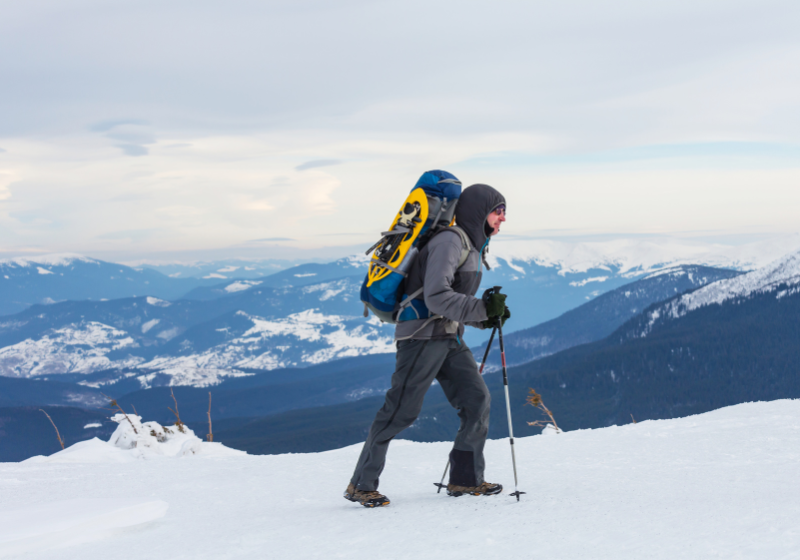
Why Exposed Hands Lose Heat Faster Than Your Core
There’s a strange moment on cold treks that almost everyone experiences.
Your body feels fine.
Your legs are warm from movement.
Your breathing is steady.
And yet—your hands feel useless.
Fingers stiffen. Dexterity disappears. Adjusting a zipper feels harder than the climb itself. You try blowing warm air into your palms, tuck them under your arms for a second, shake them out.
It barely helps.
This is when trekkers finally realize something important:
your hands surrender to the cold long before the rest of you does.
And it’s not accidental. It’s biology, physics, and gear—all working together.
The Body’s Survival Math (And Why Hands Lose First)
When temperatures drop, your body switches into conservation mode.
Blood flow is prioritized toward vital organs—heart, lungs, brain. These areas form your core, and protecting them is non-negotiable. Extremities like hands and feet? They’re important, but not essential for survival in the short term.
So circulation reduces there first.
This is why exposed fingers feel cold even when your chest is comfortable. It’s not weakness. It’s your body doing exactly what it’s designed to do.
But on a trek, reduced circulation means more than discomfort. Cold hands affect grip, balance, reaction time, and confidence. When hands struggle, everything feels harder.
Why Movement Doesn’t Save Your Hands
Your legs stay warm because they’re working constantly. Large muscle groups generate heat with every step.
Hands don’t get that luxury.
They’re mostly static. Holding poles. Adjusting straps. Carrying small loads. Once heat escapes, there’s no internal engine to replace it quickly.
Add wind exposure, altitude, and moisture, and heat loss accelerates. This is why exposed skin—especially on hands—loses warmth far faster than your core ever will.
The Mistake Most Trekkers Don’t Notice
Many people focus heavily on jackets and pants but treat hand protection as an afterthought.
They bring light hand gloves, assuming that movement will keep blood flowing. Or worse, they rely on pockets.
But pockets warm hands only temporarily. The moment you pull them out—to adjust gear, use poles, drink water—heat escapes again.
On colder trails, warmth needs to be constant, not occasional.
This is where experienced trekkers quietly rely on layered hand protection and tools like hand warmers, especially during long breaks or slow climbs.
Essential Gloves for Trekking Hands


Warm Hands Start With a Warm Core (Yes, Really)
Here’s something most people overlook: hands don’t warm themselves. The heat comes from your core.
If your torso isn’t regulating temperature properly, no glove can compensate.
This is why proper base layer thermals matter more than people think. When your core stays dry and warm, circulation improves overall. Blood reaching your hands carries more heat.
Layering systems designed by Gokyo Outdoor Clothing & Gear work with this principle—stabilize the core, and extremities follow.
Base Layers & Core Insulation That Work


Wind Is the Silent Thief
Cold air is uncomfortable.
Wind is ruthless.
Even mild wind strips heat away from exposed skin quickly. This is especially dangerous for hands because of their surface area and constant exposure.
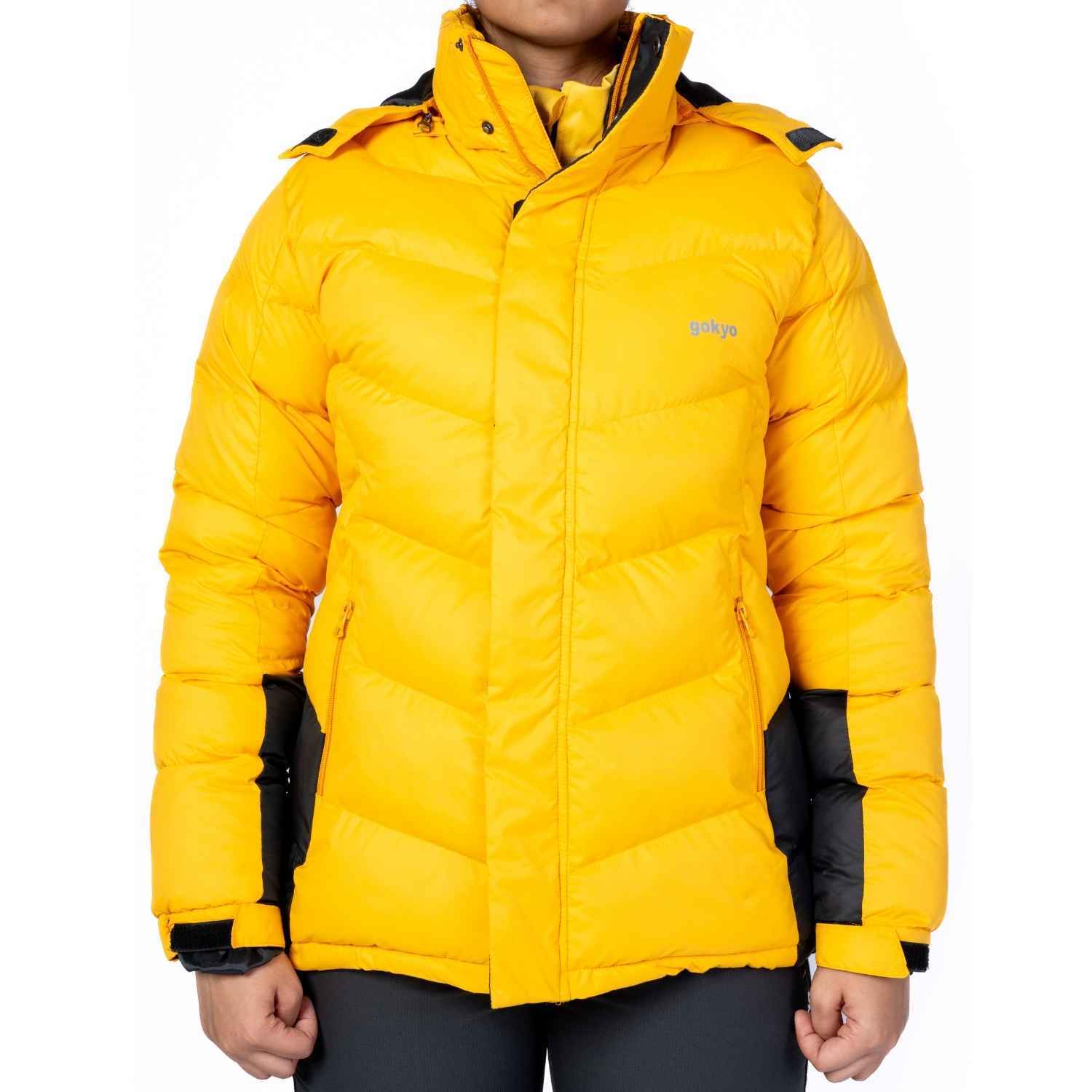
That’s why outer layers matter. Jackets for men built for trekking aren’t just about insulation—they’re about wind management. Pairing insulation with a breathable windcheater for men reduces convective heat loss, allowing your body to preserve warmth instead of constantly replacing it.
When wind is controlled, hands suffer less—even before gloves enter the equation.
How Gear Weight and Fatigue Make Hands Colder
Here’s a connection most trekkers don’t make: fatigue increases heat loss.
Poorly balanced travel bags pull posture forward. Shoulders tense. Circulation becomes less efficient. Your body works harder to do the same amount of movement.
The result? Faster energy burn and reduced warmth reaching extremities.
Footwear plays a role too. Bad shoes for trek force inefficient movement. Muscles tense. Energy drains. The body prioritizes survival again—and hands lose circulation faster.
On icy sections, crampons reduce strain by improving traction. Combined with trekking poles, they distribute effort evenly, reduce fatigue, and indirectly help maintain warmth in your fingers by keeping your body efficient.
Outer Layers to Block Wind & Preserve Heat


Why Gloves Alone Aren’t Enough
Gloves are essential—but not all gloves are equal.
Bulky gloves trap warmth but kill dexterity. Thin ones preserve movement but lose heat quickly. The sweet spot lies in purpose-built winter gloves that balance insulation, breathability, and grip.
Still, even the best gloves struggle if moisture builds inside. Sweat from hands cools rapidly once you stop moving. This is why breathable materials matter as much as insulation.
Good gloves support circulation. Bad ones trap moisture and accelerate heat loss.
The Small Gear That Saves Fingers Quietly
Some of the most effective warmth strategies don’t look dramatic.
A warm drink from thermos flasks raises core temperature, indirectly improving blood flow to hands. Dry trekking socks help keep overall circulation efficient—cold feet and cold hands often travel together.
At altitude, sun exposure worsens dehydration and skin stress. Sunscreen protects exposed areas, while lip balm prevents painful cracking that distracts from managing cold.
A snug beanies reduces heat loss from the head, preserving warmth throughout the body. Sunglasses reduce eye strain from glare, preventing fatigue that can worsen circulation over time.
Everything is connected.
Quick-Access Accessories to Keep Warm
{{ featured_products_4 }}
Fuel Keeps Your Hands Warmer Than You Think
Your body can’t generate heat without energy.
Long treks burn calories even when the pace feels steady. Without proper fuel, your body reduces heat production. Extremities suffer first.
This is where protein food supplements help—easy energy, steady release, minimal digestive load. When your energy stays stable, your body regulates temperature more efficiently.
Cold hands are often a sign of low fuel, not just low temperature.
What the Mountains Eventually Teach
Trekkers don’t complain about cold hands because they forgot gloves.
They struggle because:
-
Their core wasn’t regulated
-
Wind exposure wasn’t controlled
-
Fatigue drained circulation
-
Moisture stayed trapped
Hands are messengers. They signal imbalance before the rest of your body does.
Ignore them long enough, and confidence slips. Grip weakens. Simple tasks become frustrating. That’s when treks start feeling harder than they should.
Final Thought: Protect the Extremes to Protect the Experience
Warm hands aren’t a luxury.
They’re the difference between moving confidently and hesitating. Between adjusting gear easily and fighting with frozen fingers. Between enjoying the trail and counting steps until the next stop.
When your system works—core, layers, fuel, movement—your hands follow.
And when your hands are warm, everything else feels possible.
FAQs
1. Why do my hands feel colder than the rest of my body on treks?
Because the body prioritizes core organs and reduces blood flow to extremities in cold conditions.
2. Can gloves alone prevent cold hands?
No. Gloves help, but core warmth, circulation, and moisture control are equally important.
3. Does wind affect hand warmth more than temperature?
Yes. Wind strips heat rapidly, especially from exposed skin like fingers.
4. Why do my hands get colder when I’m tired?
Fatigue reduces circulation efficiency, causing extremities to lose warmth faster.
5. Do warm drinks actually help with cold hands?
Absolutely. Raising core temperature improves blood flow to hands.
6. Is numbness a sign to stop trekking?
Persistent numbness means circulation is compromised and should be addressed immediately.
← View Previous Blog:
 The One Gear Failure That Forces Trekkers to Turn Back Mid-Trail