7 Himalayan Treks That Turn Pink, Red & White in Spring
There’s a particular morning in the Himalayas that only exists in spring.
The snow hasn’t fully left. The air still carries a winter edge. But somewhere along the trail, you notice color where there was none before.
A flash of pink on a hillside.
A cluster of red deeper in the forest.
White peaks that somehow look brighter against new blooms.
It doesn’t happen all at once. It sneaks up on you.
And when it does, the mountains feel softer. Not weaker. Just… awake.
If you’ve only seen the Himalayas in winter or peak summer, spring will surprise you. It’s quieter than autumn, less harsh than January, and far more colorful than most expect.
Here are seven Himalayan treks that genuinely transform when spring arrives.
1. Valley of Flowers — When the Earth Decides to Show Off
The name sounds exaggerated until you see it.
By late spring, the Valley of Flowers begins to stretch awake. Snow recedes and suddenly the ground isn’t brown anymore. It’s layered. Pink primulas peeking through. White blooms scattered like confetti. Patches of red appearing almost randomly.
You don’t rush this trail. You wander.
The path isn’t brutally steep, but it’s long enough that comfort matters. A well-balanced travel rucksack helps on uneven sections where the terrain shifts between soft meadow and rocky patches. Breathable outdoor tshirts are surprisingly important here — once the sun hits the valley, it warms up quickly despite cold mornings.
It’s less about reaching somewhere and more about walking slowly through something fragile and alive.
Trekking Bags That Keep Spring Trails Comfortable


2. Chopta to Tungnath — Red Forests Against White Peaks
If you’ve never walked through a rhododendron forest in bloom, you’re missing something special.
In spring, the trail to Tungnath turns dramatic. Trees that looked ordinary all winter suddenly explode into deep red clusters. The contrast against lingering snow higher up is unreal.
The climb is steady. Not impossible, but consistent enough to test pacing.
Good hiking shoes are non-negotiable here. Snow patches melt unevenly, making certain stretches slippery in shade. A structured trekking bag helps keep weight close to your back when the incline sharpens near the temple.
And when you finally turn around and see white peaks rising above red forests — it feels like someone edited the landscape.
Except they didn’t.
Reliable Footwear for Snowmelt and Forest Trails


3. Sandakphu — A Long Walk Through Color
Sandakphu in spring feels stretched out and cinematic.
The rhododendrons don’t appear in small clusters. They line the trail for miles. Entire slopes blush pink. Then deeper red. Then soft pastel tones you didn’t expect to see in mountains.
The trek is long, but it’s not technical. It’s the kind of trail where endurance matters more than speed.
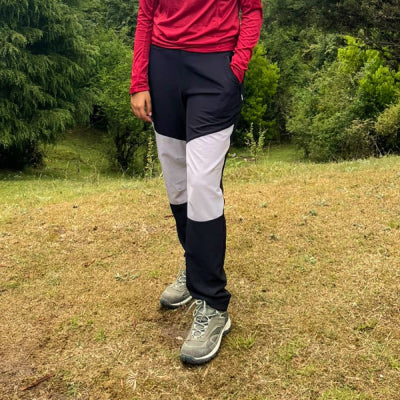
Light trekking pants make the changing terrain manageable — sometimes dusty, sometimes muddy from snowmelt. A simple cap helps during long open sections where the sun feels stronger than the temperature suggests.
When Everest and Kanchenjunga show themselves in the distance, framed by blooming hills, it feels almost staged.
But it’s just spring doing its thing.
Breathable Clothing for Long Days on the Trail
{{ featured_products_3 }}
4. Kedarkantha — Between Winter and Bloom
Kedarkantha in spring sits between seasons.
Lower sections begin showing green again. Tiny white flowers appear along forest trails. But as you climb, snow still dominates the upper ridge.
It’s a blend. Not fully winter. Not fully summer.
This is where balance in packing makes a difference. A dependable travel rucksack that doesn’t pull backward helps during summit day, especially when carrying layers you might shed as the sun rises.
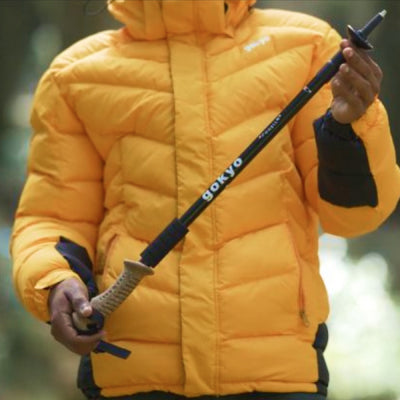
Trekking poles help during descent, when melting snow softens underfoot and shifts with each step.
Standing at the summit in spring feels different. Less harsh. More hopeful.
Small Essentials That Make Multi-Day Treks Easier


5. Har Ki Dun — Soft, Wide, and Quietly Colorful
Har Ki Dun doesn’t scream for attention.
It opens slowly. Wide valley. Snow-dusted peaks in the distance. Meadows turning green again. Occasional pink wildflowers appearing near streams.
It feels old. In a good way.
This is a multi-day trek, and comfort compounds over time. A stable trekking bag reduces shoulder fatigue across long walking hours. Nights remain cold, so dependable sleeping bags are not optional yet.
Energy management matters here. Long days mean consistent hydration and nutrition. Mixing electrolyte powder into water during mid-day breaks keeps fatigue from creeping up silently. Recovery at night feels smoother when meals are supported with balanced protein food supplements.
Har Ki Dun doesn’t overwhelm you with color.
It lets you notice it.
6. Goechala — Rhododendrons Before the Giants
Spring in Sikkim feels lush.
Before you even reach the high alpine zones, the forests begin shifting. Pink and red rhododendrons appear in thick clusters. The trail smells different — damp earth, fresh growth.
Goechala demands preparation. The elevation gain is real. The distances are long.
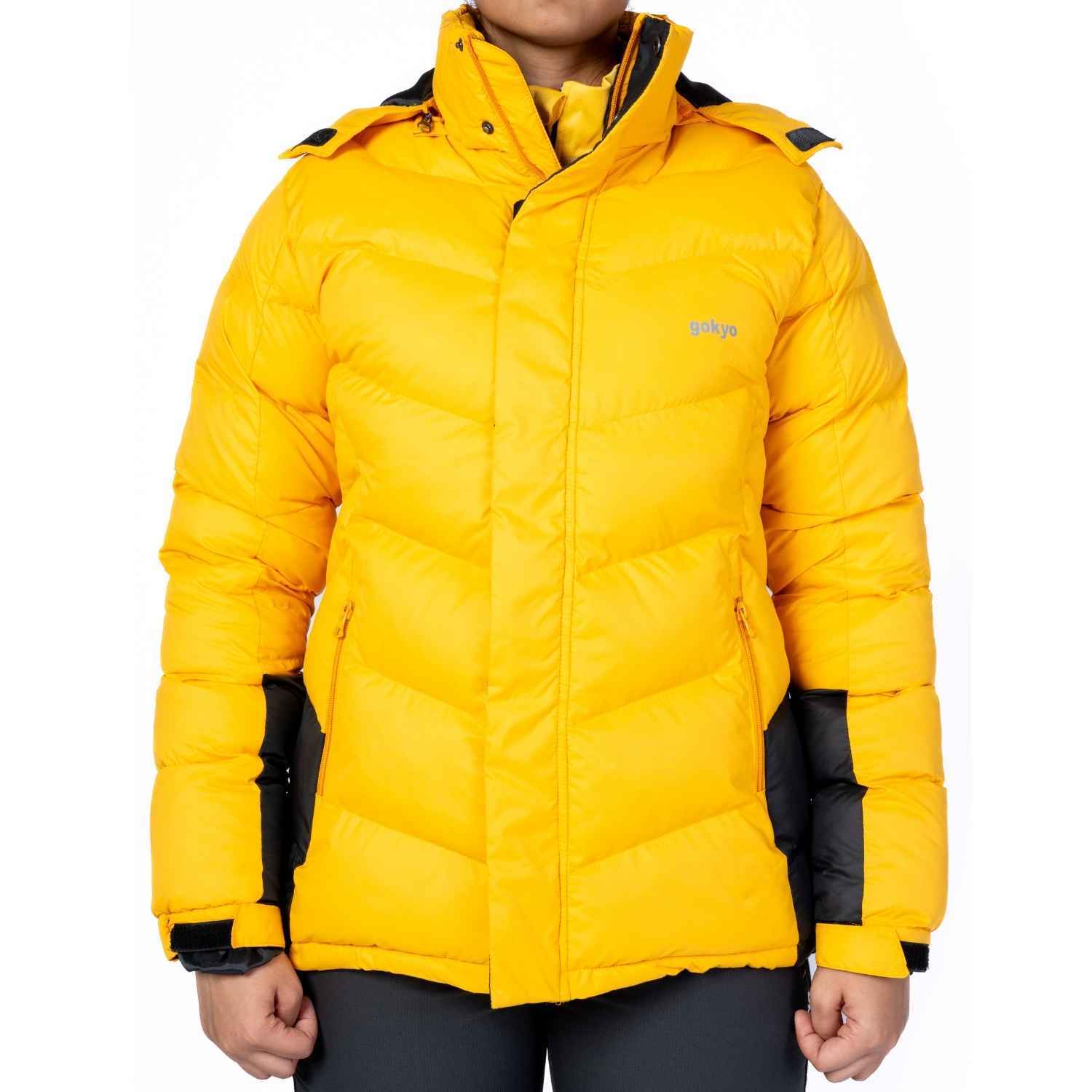
Well-fitted hiking shoes protect your footing on rocky ascents. A breathable base layer paired with durable outerwear prevents temperature swings from draining energy.
When you finally see Kanchenjunga glowing at sunrise, framed by forests that look like they’ve caught fire in bloom — it doesn’t feel like effort anymore.
It feels earned.
7. Kuari Pass — Where Spring Feels Balanced
Kuari Pass is one of those treks that feels just right in spring.
Red rhododendrons dot the lower forests. Higher ridges remain snow-lined. The air is crisp but not punishing.
It’s a moderate trail, perfect for those wanting both color and mountain drama without extreme altitude stress.
Comfort plays a quiet role here. Outdoor tshirts that breathe during sunlit climbs make a noticeable difference. A well-packed trekking bag prevents constant strap adjustments. Steady trekking poles help on uneven snow patches that linger near the pass.
Kuari Pass feels like the Himalayas in transition.
And that transition is beautiful.
Spring Doesn’t Mean Easy
One thing worth remembering — spring may look gentle, but the Himalayas remain unpredictable.
Snowmelt makes trails slippery. Afternoon sun feels strong. Evenings can drop sharply in temperature.
That’s where preparation becomes invisible but powerful.
Essentials from Gokyo Outdoor Clothing & Gear are built for exactly these in-between conditions. Balanced load support, breathable fabrics, durable design — not flashy features, just practical function.
Because when a hillside turns pink unexpectedly, you don’t want to be distracted by discomfort.
You want to look up.
And stay there for a moment longer.
FAQs
When exactly does spring bloom begin in the Himalayas?
Typically between late March and early May, depending on altitude and region.
Are spring treks safer than winter treks?
They’re generally less extreme, but melting snow can create slippery conditions that still require preparation.
Do I still need warm gear in spring?
Yes. Higher altitudes remain cold, especially early mornings and evenings.
Is hydration important even in cooler weather?
Absolutely. Dehydration happens quietly at altitude, regardless of temperature.
Are these treks beginner-friendly?
Some, like Kuari Pass and Chopta, are manageable for beginners with proper pacing and preparation.
Spring in the Himalayas isn’t loud.
It doesn’t demand your attention.
It earns it.
Pink forests. Red blossoms. White peaks holding on just a little longer.
If you time it right, you won’t just trek through the mountains.
You’ll walk through their rebirth.
← View Previous Blog:
 5 Most Beautiful Flower Valley Treks in the Himalayas
View Next Blog: →
 Best Blooming Trails in the Indian Himalayas