Best Blooming Trails in the Indian Himalayas
There’s something about the mountains in spring that feels personal.
Not dramatic. Not loud. Just personal.
You don’t notice it all at once. One day, the slopes still look winter-worn. A week later, red blooms appear along a bend in the trail. Then pink spreads across entire hillsides. Snow lingers in patches, but the ground underneath is waking up.
The Indian Himalayas don’t “arrive” in spring. They soften into it.
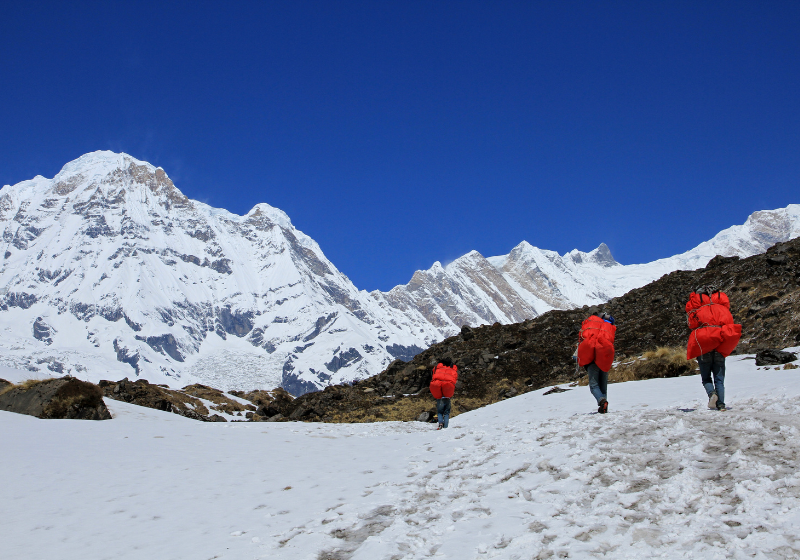
And when you’re walking through that shift — boots pressing into damp earth, air still cool but no longer biting — you realize blooming season isn’t just about flowers. It’s about timing. It’s about pace. It’s about feeling prepared enough to slow down.
At Gokyo Outdoor Clothing & Gear, we’ve always believed that the right equipment doesn’t shout. It quietly supports. It lets you forget about your shoulders, your back, your cold fingers — and notice what’s around you instead.
Because blooming trails deserve your attention.
Valley of Flowers, Uttarakhand
If there’s one place that defines Himalayan spring, it’s this valley.
You walk in through a narrow entry of rock and river, and suddenly the landscape opens. The ground becomes textured with color — small alpine blossoms, scattered blue and violet patches, unexpected bursts of yellow.
It doesn’t look manicured. It looks wild. Untouched.
The walk itself isn’t technical, but it’s long enough to feel steady in your legs. A properly fitted trekking bag makes a surprising difference here. When weight sits evenly, you don’t lean forward unconsciously. Your breathing stays smoother.
The trail can stay damp in early bloom. That’s where reliable hiking shoes earn their place. Grip matters more than speed in this valley.
You want to walk it slowly anyway.
Trekking Bags That Keep Your Load Balanced on Long Trails


Chopta to Tungnath
This one feels intimate.
The climb weaves through rhododendron forests that glow red in late afternoon light. Petals sometimes fall onto the path itself, mixing with patches of snow that haven’t melted yet.
It’s a short trail, but spring weather shifts quickly. You start cold. Ten minutes into the climb, you’re warm. Halfway up, the wind returns.
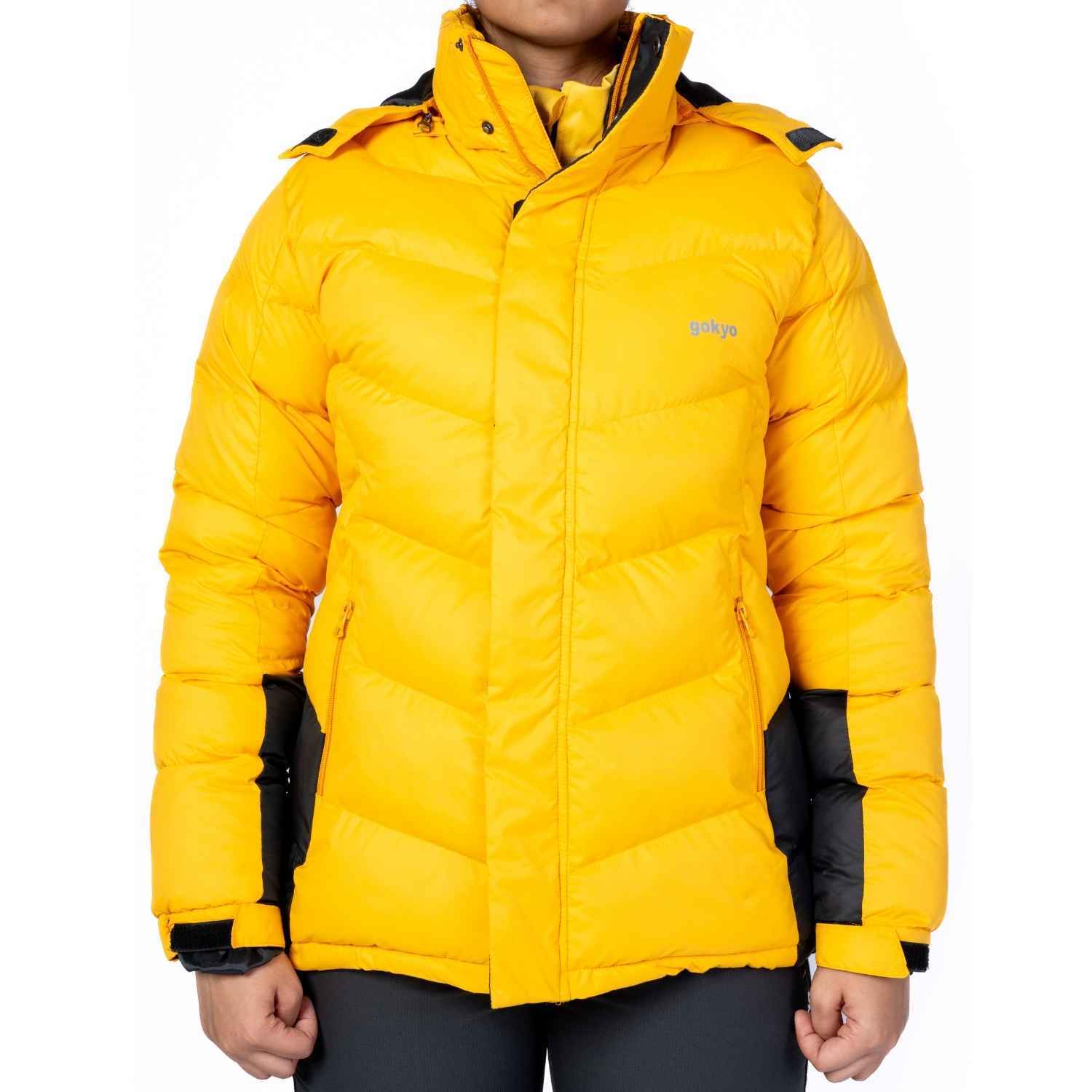
Breathable outdoor tshirts help regulate those transitions without constant layering. And when the breeze turns sharper near the top, light jackets for men become more than an accessory — they preserve warmth without adding bulk.
Even simple caps help manage glare when clouds clear suddenly. Small pieces. Big difference.
Breathable Trekking Apparel for Changing Spring Temperatures
{{ featured_products_2 }}
Sandakphu, West Bengal
Spring on this ridge feels expansive.
Long stretches of trail lined with blooming rhododendrons. Mountain silhouettes layered in the distance. Mornings that begin in fog and open into blue.
This isn’t a one-hour walk. It’s sustained. That’s where comfort compounds.
Flexible trekking pants prevent that subtle irritation that builds over hours. Balanced packing inside your trekking bag prevents shoulder fatigue by the third day.
And hydration in cool weather is often underestimated. Carrying thermos flasks with warm water or tea makes breaks feel intentional instead of rushed.
It’s amazing how morale shifts with one warm sip.
Har Ki Dun
This valley unfolds gradually. You don’t see everything at once.
The first day feels forested and quiet. Then, without warning, the trail opens into wide meadows sprinkled with early blossoms.
Multi-day treks like this test how well you’ve packed. A poorly distributed trekking bag doesn’t just feel heavy — it pulls you backward slightly with each step. That tension adds up.
Balanced gear placement, lighter essentials, and supportive footwear keep your pace steady.
At camp, when temperatures dip again, good sleeping bags matter more than you think. Recovery overnight shapes how you feel in the morning.
Spring air can still carry winter’s edge.
Jackets That Protect Against Sudden Mountain Wind


Goechala, Sikkim
Here, bloom meets altitude.
Lower forests glow red and pink. Higher up, snow still dominates. The shift is dramatic, almost theatrical.
Altitude suppresses appetite. That’s where compact protein food supplements become useful — not as a replacement for meals, but as quiet support between climbs.
Electrolyte powder added to water also helps on long summit pushes when energy begins to dip unexpectedly.
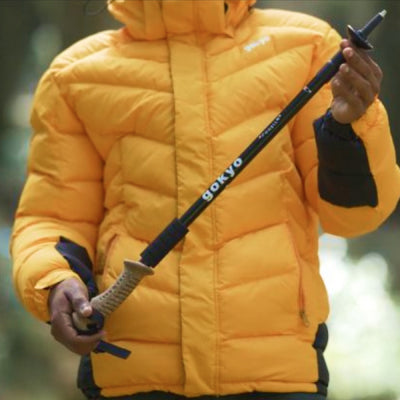
The climb is steady, and trekking poles assist more than most trekkers anticipate — especially on descent when legs start to tremble slightly from effort.
Spring beauty doesn’t remove physical demand. It simply makes it worth it.
Bhrigu Lake, Himachal Pradesh
This trail feels transitional in every sense.
Green at the base. Snow-lined higher up. A frozen lake slowly thawing under sunlight.
A compact travel rucksack works well for summit day here — carrying just enough without weighing you down unnecessarily.
Layering becomes instinctive. Outdoor tshirts during ascent. Insulation when pausing. Light wind protection near the ridge.
Nothing dramatic. Just responsive.
And that’s what blooming trails require — responsiveness.
Why Spring Changes the Way You Trek
In peak summer, you power through heat. In winter, you focus on endurance.
In spring, you notice.
You notice melting streams running louder. You notice petals caught in wind. You notice the scent of wet soil.
But you only notice these things when your body isn’t fighting discomfort.
When your hiking shoes don’t pinch.
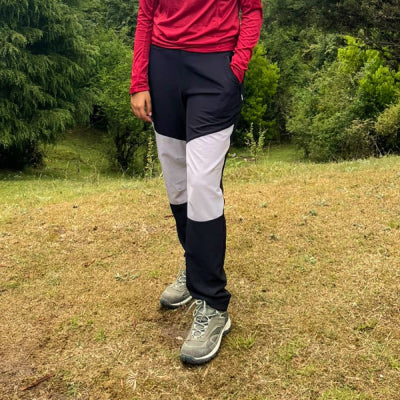
When your trekking pants don’t restrict movement.
When your jackets for men block wind without trapping sweat.
When hydration is steady.
Comfort creates awareness.
And awareness is what makes blooming trails unforgettable.
FAQs
1. When is the ideal time to experience blooming trails?
Late April to early June works best for most mid-altitude Himalayan regions, though timing shifts based on snowfall.
2. Are spring trails suitable for beginners?
Yes, many are moderate and accessible, provided basic preparation and fitness are in place.
3. Is specialized gear necessary in spring?
Layered clothing, proper footwear, and balanced packing are more important than heavy insulation.
4. Why are trekking poles helpful in spring?
Snowmelt makes descents slippery. Poles reduce knee strain and improve balance.
5. How do I maintain stamina during multi-day treks?
Steady hydration, balanced meals, and occasional supplementation with protein food supplements or electrolyte powder support sustained energy.
6. What’s the biggest mistake trekkers make in spring?
Underestimating weather shifts and overpacking unnecessarily.
The Indian Himalayas in bloom don’t rush.
They unfold gradually, quietly, confidently.
And when you walk prepared — supported by thoughtful gear from Gokyo Outdoor Clothing & Gear — you don’t just pass through the landscape.
You stay present inside it.
That’s the difference.
Not speed.
Not distance.
Presence.
← View Previous Blog:
 7 Himalayan Treks That Turn Pink, Red & White in Spring
View Next Blog: →
 How Layering Reduces Energy Drain on Long Mountain Walks