Treks Where the Mountains Look Like Gardens
There are days in the Himalayas when the landscape forgets it’s supposed to be rugged.
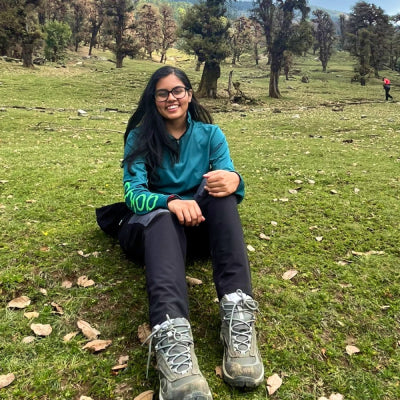
The sharp edges soften. The brown turns green. Slopes that once felt severe begin to look almost gentle — like someone carefully planted color across them. You walk expecting rock and snow, and instead you find yourself moving through something that feels like a garden designed by altitude and time.
Not manicured. Not symmetrical. But alive in a way that surprises you.
At Gokyo Outdoor Clothing & Gear, we’ve always loved these trails — the ones that blur the line between wilderness and bloom. Because they remind you that mountains aren’t always about conquering. Sometimes they’re about wandering slowly enough to notice.
Here are a few Himalayan treks where the mountains don’t just rise — they blossom.
Valley of Flowers, Uttarakhand
There’s no easing into this one.
You cross the river, climb gradually, and then the valley opens. Suddenly the floor beneath your feet isn’t muted anymore. It’s layered — pinks, yellows, blues scattered in wild clusters.
The air feels moist. Alive.
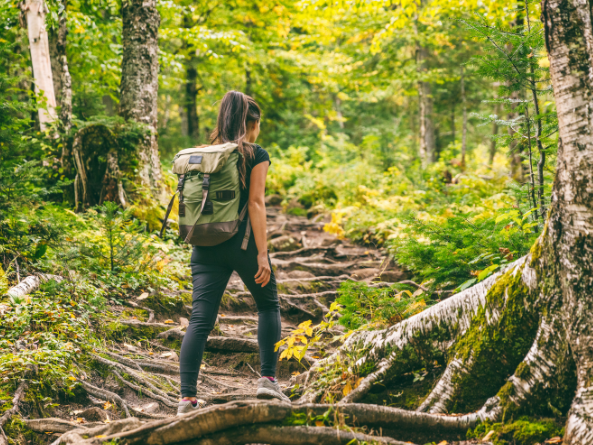
It’s not a technical trail, but it stretches long enough to make you aware of what you’re carrying. A well-balanced trekking bag changes the rhythm of your steps. When weight distributes properly, you stop leaning forward unconsciously. You breathe easier.
Footing can be damp from melting snow. Reliable hiking shoes grip through mud and loose rock, letting you focus on the sweep of color instead of watching every step.
And honestly, this is a place where you want to look up.
Trekking Backpacks Built for Long Blooming Trails


Har Ki Dun, Uttarakhand
Har Ki Dun doesn’t announce its beauty. It unfolds.
The first day winds through forests. The second opens into wider valleys. By the time you reach deeper sections, the slopes look brushed with green and speckled with wildflowers.
It feels pastoral. Almost soft.
Multi-day walks here test packing choices. A thoughtfully arranged trekking bag prevents strain over distance. You don’t feel it immediately — but by day three, your shoulders will tell you whether you packed wisely.
Evenings in spring still carry a chill. That’s where warm sleeping bags turn thin mountain air into genuine rest. And recovery is what keeps your mornings steady.
Comfortable Trekking Clothing for Long Days on the Trail


Sandakphu, West Bengal
Spring transforms this ridge into something cinematic.
Rhododendrons bloom thick along the trail, red and pink against deep green forests. On clear days, the horizon reveals layered Himalayan peaks standing quietly beyond.
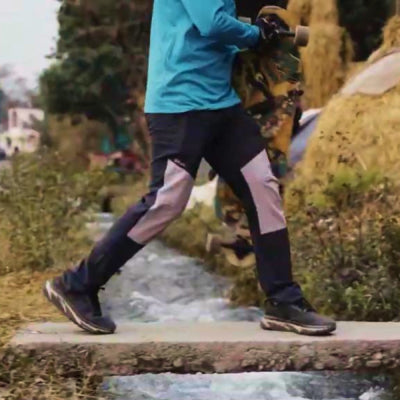
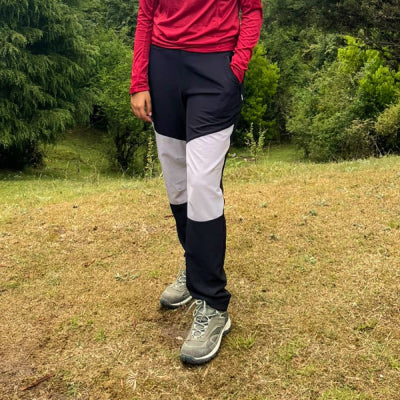
Long stretches here mean sustained movement. Flexible trekking pants help you settle into a rhythm without distraction. Subtle friction builds over miles — eliminating it matters.
Hydration often gets overlooked in cool weather. Carrying thermos flasks with warm water makes breaks restorative instead of rushed. There’s something grounding about pausing on a ridge, cup warming your hands, mountains stretching endlessly ahead.
It’s not dramatic effort. It’s steady presence.
Trekking Essentials That Support Every Step
{{ featured_products_3 }}
Bhrigu Lake, Himachal Pradesh
This one feels like a transition between seasons.
Lower forests glow green. Higher up, snow patches linger beside emerging alpine blooms. The contrast is striking — white melting into color.
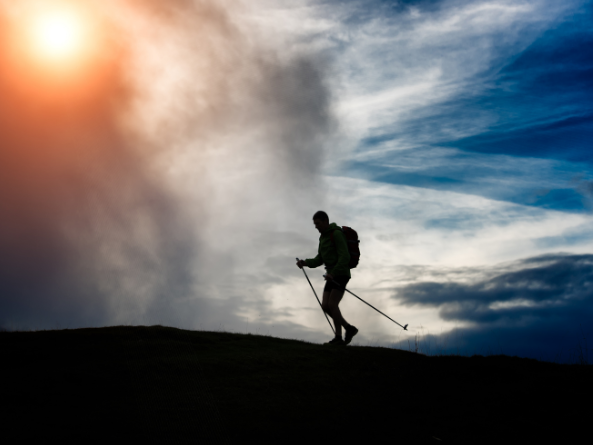
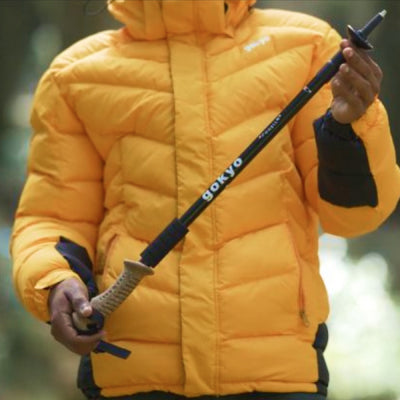
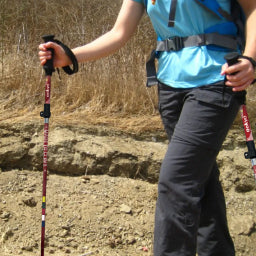
The climb is short but steep in sections. Trekking poles make descents noticeably smoother, especially when the ground is soft from thawing snow. They reduce strain in a way you only appreciate after several hours.
A compact travel rucksack works beautifully for summit day here — just enough to carry essentials without pulling you backward.
And when you reach the lake, partially thawed and reflecting sky, it doesn’t feel harsh. It feels delicate.
Trail Nutrition & Hydration for High-Altitude Treks


Goechala, Sikkim
Goechala is layered in every sense.
Dense forests at lower elevations burst into bloom in spring. Higher camps still hold traces of winter. You move through shifting textures — from petals underfoot to snow crunching beneath boots.
Altitude here demands pacing. Light nutrition, sometimes supported by protein food supplements, helps sustain energy when appetite dips. Adding electrolyte powder to water can prevent that slow fatigue that creeps in quietly.
Reliable hiking shoes are essential as terrain shifts between forest trails and rocky inclines.
And through it all, the landscape feels curated by nature itself — dramatic, but softened by color
Valley of Flowers Extension Trails
Beyond the main valley routes, smaller offshoot trails lead to quieter patches where blooms grow undisturbed. Fewer trekkers. More stillness.
These are the sections where gear almost disappears from your awareness. Breathable outdoor tshirts regulate temperature as the sun moves in and out of clouds. Caps shield your eyes when the light sharpens suddenly.
When comfort fades into the background, observation takes its place.
That’s the shift.
Why Garden-Like Treks Feel Different
There’s something psychologically different about walking through blooming landscapes.
Rock and ice make you feel small. Flowers make you feel included.
When slopes turn colorful, the mountains don’t feel intimidating. They feel welcoming. But that sense of ease only lasts if your body isn’t distracted.
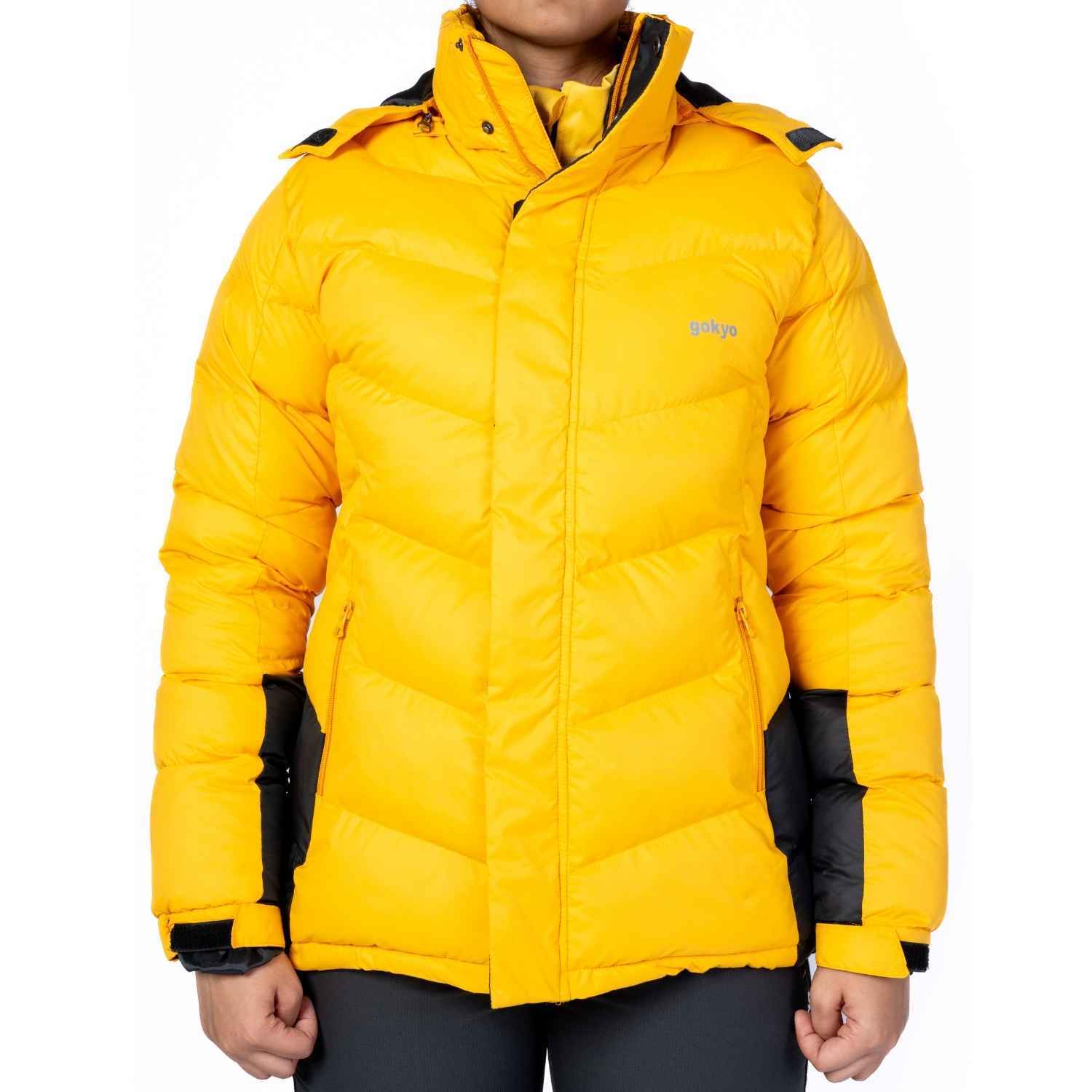
Balanced packing inside your trekking bag prevents fatigue from building unnoticed. Flexible trekking pants allow full movement without restriction. Warm layers stored inside a travel rucksack are ready when temperature dips unexpectedly.
And trekking poles, often underestimated, quietly protect knees on long descents when muscles begin to tire.
None of these things steal attention. They give it back.
The Subtle Power of Preparation
Blooming trails can feel gentle — but they’re still mountain terrain.
Weather shifts. Snow lingers at altitude. Paths turn slick with meltwater.
Proper hiking shoes keep footing secure. Steady hydration prevents afternoon energy crashes. Sometimes, compact protein food supplements become helpful between longer stretches where meals are delayed.
Electrolyte powder added to water helps maintain balance, especially when climbs extend longer than expected.
These aren’t dramatic solutions. They’re quiet ones.
And quiet solutions make the loud beauty around you easier to absorb.
FAQs
1. When do Himalayan trails look most like gardens?
Late April through early June is typically peak bloom for mid-altitude regions, though timing varies based on snowfall.
2. Are blooming treks easier than snow treks?
They often feel less harsh, but terrain can still be challenging due to snowmelt and changing weather.
3. Is lightweight packing better for these trails?
Balanced packing matters more than minimal packing. Proper weight distribution reduces long-term fatigue.
4. Why are trekking poles recommended in spring?
Trails can be slippery from melting snow. Poles improve balance and reduce knee strain on descents.
5. Do I need special nutrition for blooming treks?
Regular meals are essential, but protein food supplements and electrolyte powder can support stamina on longer routes.
6. What’s the biggest mistake trekkers make on spring trails?
Underestimating how quickly weather and trail conditions can change.
There are treks where mountains feel imposing.
And then there are treks where they feel alive with color — like high-altitude gardens stretching toward the sky.
When you move through them supported by thoughtful gear from Gokyo Outdoor Clothing & Gear, you don’t just pass scenery.
You settle into it.
You walk slower.
You pause longer.
You notice more.
And for a few days, the mountains don’t feel distant at all.
They feel like they’re in bloom just for you.
← View Previous Blog:
 The Real Difference Between Carrying Gear and Carrying Comfort
View Next Blog: →
 Why Experienced Trekkers Pack Fewer Clothes but Stay More Comfortable