The Real Difference Between Carrying Gear and Carrying Comfort
Every trek begins the same way.
A packed bag is near the door. Early alarms. That mix of excitement and mild doubt that shows up right before stepping into something physically demanding. The air feels different already — lighter somehow.
But somewhere along the trail, a quiet truth reveals itself.
Some people are carrying gear.
Others are carrying comfort.
From the outside, it looks identical. A backpack. A jacket. Water. Shoes. Essentials.
But the experience? Completely different.
Weight Isn’t Always About Kilograms
Two trekkers can carry the same amount of weight and move at very different paces.
One moves steadily, breathing evenly, pausing to notice the landscape.
The other adjusts their straps every few minutes, shoulders tightening, steps shortening as the climb continues.
The difference often starts with the trekking bag itself.
If the load sits too far from the spine, it pulls backward. If the hip belt isn’t transferring weight properly, shoulders take over. The body compensates. Slowly. Silently.
You don’t notice it in the first hour.
But by the third? You feel it everywhere.
Comfort isn’t about carrying less. It’s about carrying right.
Trekking Backpacks Designed for Balance and Long Trails


When Clothing Works With You
The trail rarely stays predictable. One minute you’re in sunlight. The next, the wind cuts across an open ridge.
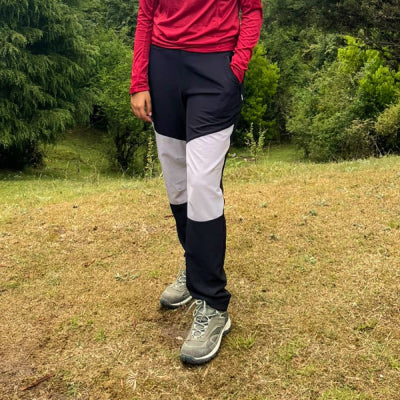
Breathable trekking tshirts for men make more difference than most expect. Fabric that dries quickly and allows airflow prevents that heavy, sticky feeling that drains energy quietly over time.
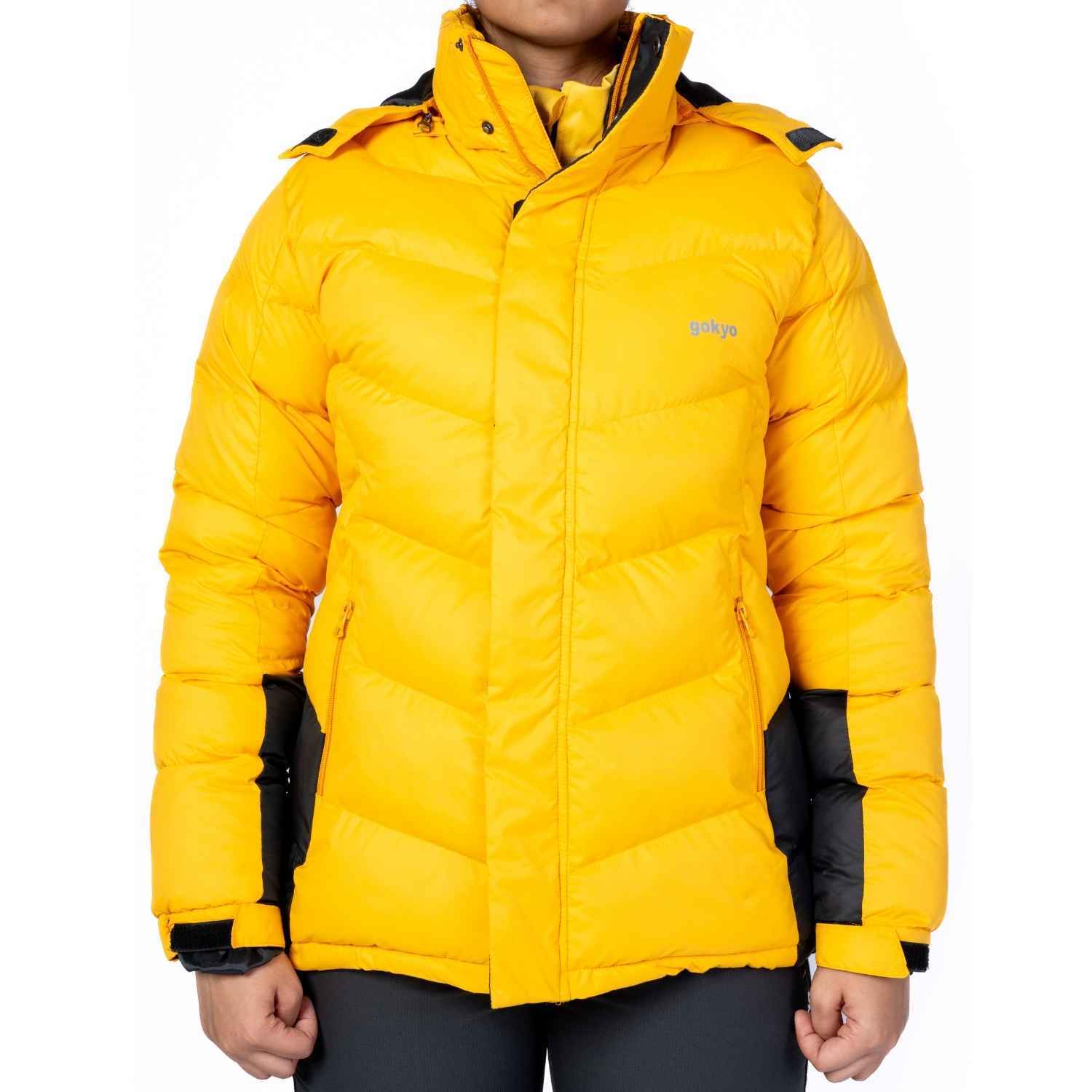
Layering smartly with well-fitted jackets for men means you don’t rush to put something on or take something off every twenty minutes. You adapt without interrupting your rhythm.
Even something as small as choosing the right caps can prevent that subtle neck strain from squinting against harsh light for hours.
When clothing feels right, you stop thinking about it.
And when you stop thinking about it, you start noticing everything else.
Breathable Trekking Clothing That Moves With You


Footing Changes Everything
If there’s one place discomfort multiplies quickly, it’s underfoot.
Unstable footing affects balance. Balance affects posture. Posture affects breathing.
Reliable shoes for trek don’t just grip the ground — they protect energy. Each step feels deliberate instead of cautious. Descents feel controlled instead of tense.
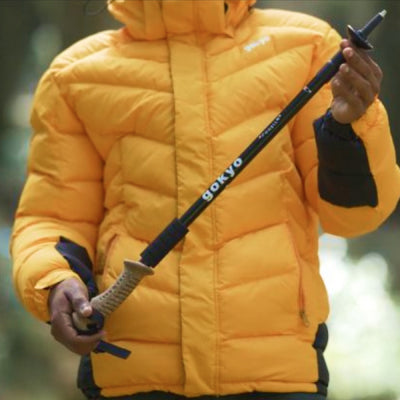
Add a pair of trekking poles into the mix, and the body distributes effort more evenly. Arms share the load. Knees feel supported. Steeper sections become manageable rather than intimidating.
Comfort on the trail isn’t softness.
It’s efficiency.
Footwear and Trail Support for Confident Steps


The Quiet Role of Hydration and Recovery
Fatigue doesn’t always come from distance.
Sometimes it comes from dehydration you didn’t notice building up.
Insulated thermos flasks keep water drinkable even when temperatures shift. That sounds simple — but warm water on a cold morning or cool water on a hot climb changes how often you hydrate.
During longer stretches, adding electrolyte powder work helps maintain steady energy instead of facing sudden dips. Muscles function better. Focus stays sharp.
At night, when boots finally come off and the body begins to settle, recovery begins quietly.
A reliable sleeping bag determines whether sleep feels restorative or restless. Proper warmth allows muscles to relax fully. Balanced meals supported by light protein food supplements give the body what it needs to rebuild after hours of strain.
Morning feels different when recovery was intentional.
That’s comfort too.
The Mental Shift
Carrying gear often means carrying doubt.
Will this hold up?
Will I get cold later?
Will my shoulders survive this incline?
Carrying comfort removes those questions.
When essentials from Gokyo Outdoor Clothing & Gear are thoughtfully designed — balanced weight channels, breathable layers, terrain-ready footwear — the mind relaxes.
And when the mind relaxes, the experience deepens.
You notice how the light changes in the afternoon.
You pause longer at viewpoints.
You breathe differently — not because you’re exhausted, but because you’re present.
That presence is what most people are actually searching for when they step onto a trail.
The Subtle Difference at the Summit
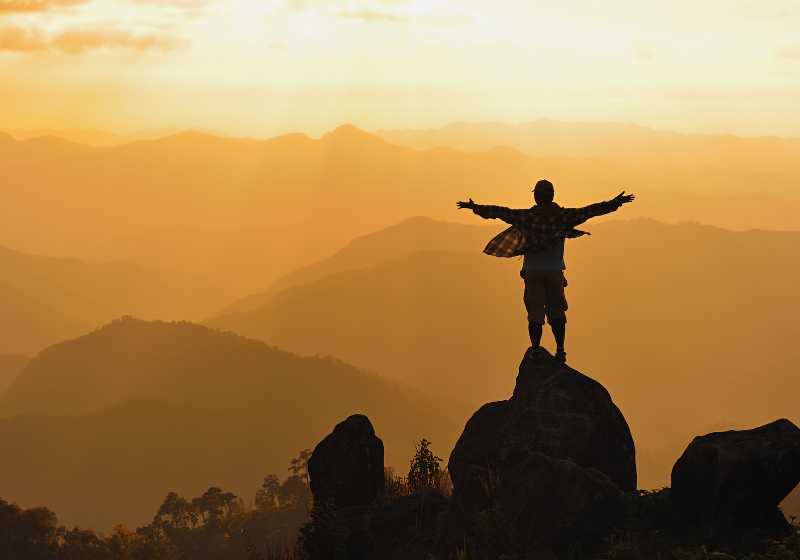
At the summit, everyone smiles.
Photos are taken. Water bottles are passed around. There’s a sense of achievement in the air.
But internally, the experience isn’t identical.
Some are relieved it’s over.
Others wish they had more time.
The ones who carried comfort often linger. They sit down, absorb the silence, let the moment stretch a little longer.
Because the journey up didn’t feel like something to endure.
It felt like something to experience.
Hydration and Recovery Essentials for Multi-Day Treks


Why Thoughtful Design Matters
There’s intention behind well-made outdoor essentials.
A structured trekking bag isn’t just storage — it’s balance engineered for long hours. Breathable trekking tshirts for men aren’t just fabric — they’re temperature control in motion. Durable shoes for trek aren’t just footwear — they’re stability across unpredictable terrain.
That philosophy sits at the core of Gokyo Outdoor Clothing & Gear.
It’s not about adding more to your back.
It’s about making what you carry work for you.
When gear functions as an extension of your movement rather than a burden, the entire trail feels different.
Carrying Comfort Is a Choice
The mountain will challenge everyone equally.
Elevation doesn’t discriminate. Weather doesn’t negotiate.
But preparation changes perception.
When weight sits properly, layers adapt naturally, hydration remains steady, and recovery is supported, trekking transforms from physical strain into steady rhythm.
You’re still climbing.
You’re still working.
But it feels intentional instead of exhausting.
That’s the real difference between carrying gear and carrying comfort.
It’s not about how much you bring.
It’s about how it makes you feel along the way.
FAQs
1. How do I know if my backpack is properly adjusted?
If most of the weight rests on your hips rather than your shoulders and you aren’t constantly adjusting straps, it’s likely well-fitted.
2. Why are breathable layers important during trekking?
They regulate body temperature and prevent moisture buildup, which reduces fatigue over long hours.
3. Do trekking poles really improve comfort?
Yes. They help distribute effort between upper and lower body, especially on uneven or steep terrain.
4. How does hydration affect endurance?
Consistent hydration supports muscle function, focus, and overall stamina during extended movement.
5. What role does recovery play in multi-day treks?
Quality sleep, warmth, and proper nutrition ensure the body repairs itself and maintains performance.
6. Is investing in quality outdoor gear worth it for occasional trekkers?
Even occasional trekkers benefit from reliable, well-designed essentials that improve safety and comfort.
Because in the end, trekking isn’t about how much weight you can carry.
It’s about how freely you can move while carrying it.
← View Previous Blog:
 The Difference Between Surviving a Trek and Enjoying One
View Next Blog: →
 Treks Where the Mountains Look Like Gardens