The Jacket Myth: Thicker Doesn’t Always Mean Warmer
There is a moment on almost every cold trek when reality quietly corrects you.
It usually happens mid-climb.
You started the morning feeling smug. Your jacket was thick. Heavy. Reassuring. The kind that feels like armor when you first zip it up. You thought, I’ve got this covered.
And then the climb begins.
Ten minutes in, your breathing deepens. Twenty minutes in, your back feels damp. Thirty minutes in, you stop for water—and the cold hits you like a slap. Suddenly, that thick jacket doesn’t feel protective anymore. It feels wrong. Heavy. Clammy. Almost betraying.
That’s when most trekkers realize the truth the mountains teach without mercy:
Warmth is not about thickness.
It’s about balance.
And balance, on a trek, is everything.
Why “Thicker” Became the Wrong Obsession
We grow up believing cold is the enemy. So naturally, we fight it with bulk. Thick sweaters. Heavy jackets. Layer upon layer with no real logic—just fear.
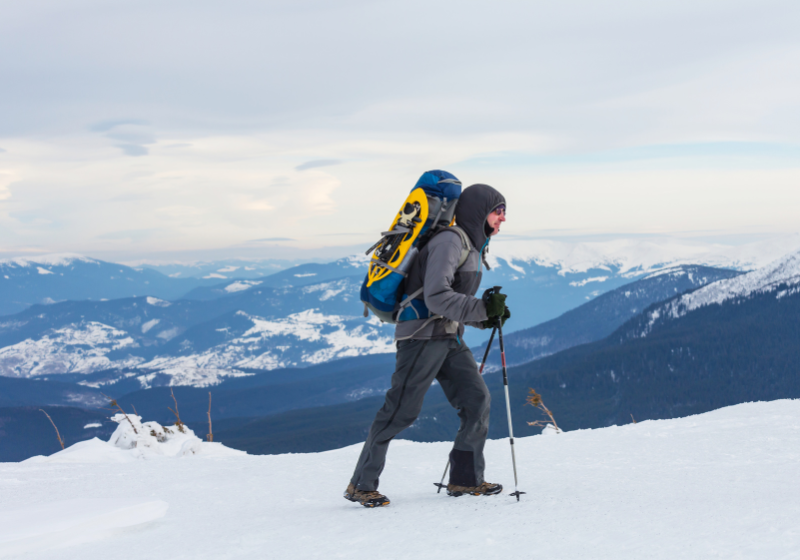
But trekking isn’t static. You’re not sitting still in winter. You’re climbing, stopping, sweating, cooling, repeating this cycle for hours. What feels warm while standing still can become your biggest liability once movement enters the picture.
The body generates heat constantly when you walk uphill. If that heat has nowhere to escape, it turns into sweat. And sweat, in cold environments, is far more dangerous than cold air.
This is the myth that trips people up:
More insulation automatically means more warmth.
On a trek, that simply isn’t true.
It All Starts at the Skin (And People Ignore This)
The first layer you wear decides everything that comes after.
Cotton fails fast here. It absorbs sweat, clings to the skin, and refuses to dry. Once wet, it pulls heat away from your body instead of protecting it. That’s why experienced trekkers rely on base layer thermals—not for coziness, but for control.
A good base layer manages moisture first and warmth second. It keeps sweat moving away from your skin so your body temperature stays stable even when your pace changes.
This matters even more with thermals for men, which are often designed for casual winter wear instead of continuous exertion. Trekking demands materials that stretch, breathe, and recover with movement—not lounge-level softness.
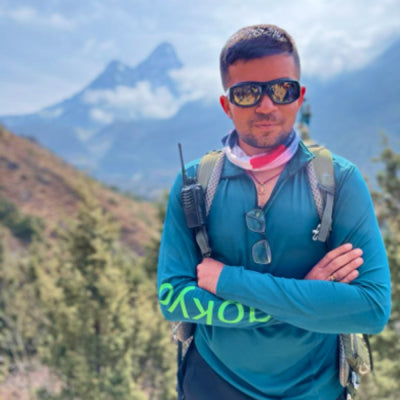
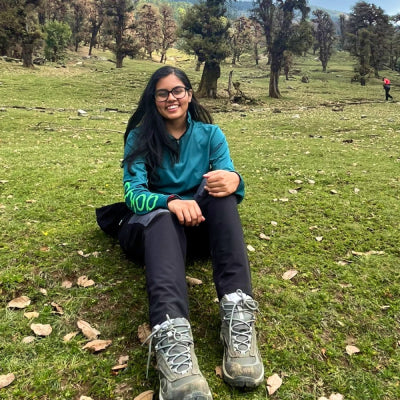
This philosophy runs deep in Gokyo Outdoor Clothing & Gear—gear that supports the body over hours, not just during the first cold gust.
Core Base Layers That Regulate Heat


Mid-Layers: Where Warmth Gets Smarter
This is where most people overdo it.
They grab thick wool or bulky knits, assuming more fabric equals more heat. But those layers often trap moisture and restrict movement, which leads to overheating and exhaustion.
This is where fleece jackets quietly shine. Fleece insulates without sealing you in. It traps warmth while still allowing excess heat to escape. When you’re climbing, it breathes. When you stop, it insulates.
The best mid-layers don’t announce themselves. They don’t demand constant adjustments. They simply keep you steady—and steadiness is gold on long trails.
Smart Mid-Layers for Dynamic Conditions


The Outer Layer Isn’t a Hero—It’s a Team Player
The outer jacket gets all the attention, but it’s only effective if the layers beneath it are doing their job.
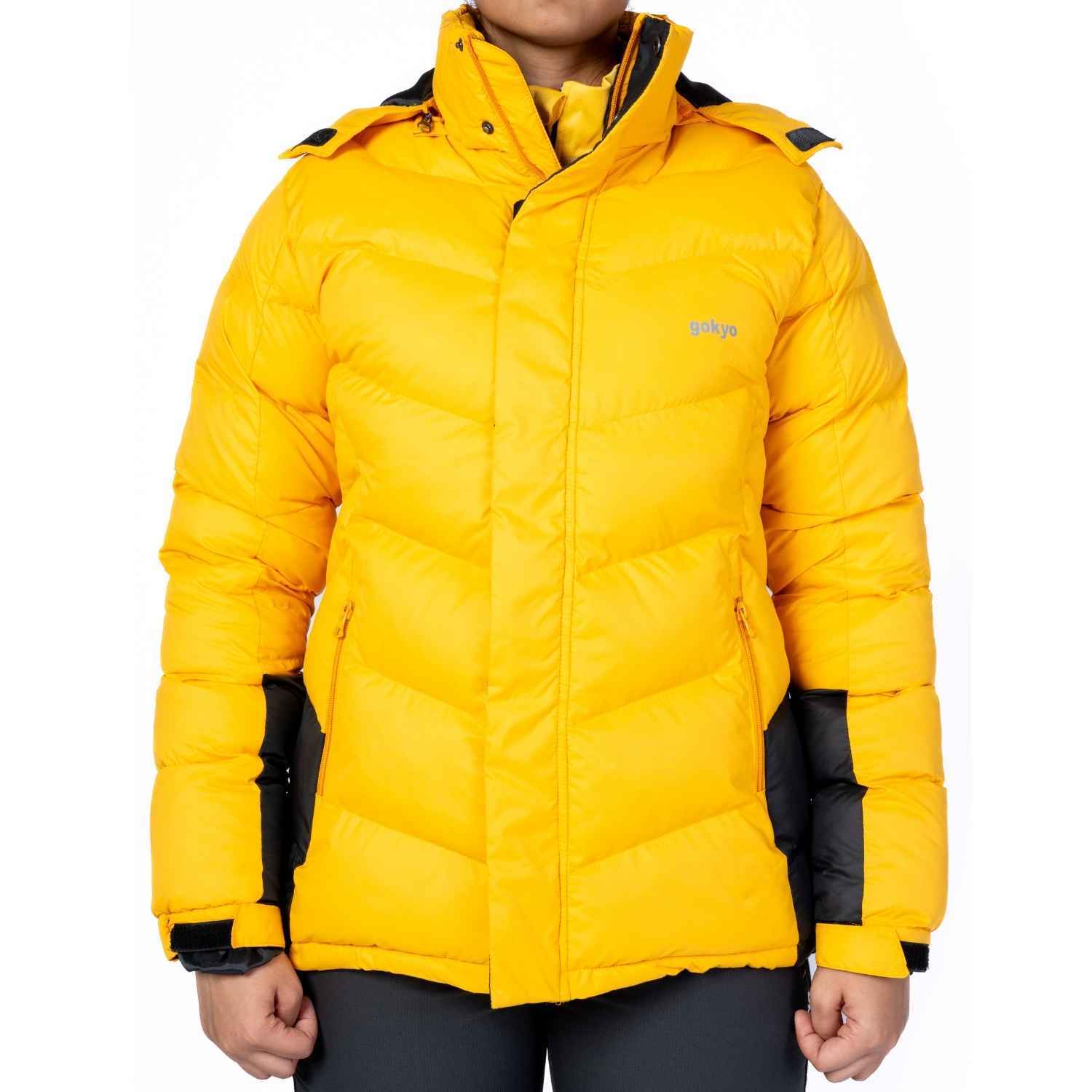
A down jacket is excellent for insulation—lightweight, compressible, and warm for its size. But down alone isn’t enough. It struggles with moisture and does little against strong wind unless paired correctly.
That’s why seasoned trekkers think in systems. A breathable insulation layer combined with jackets for men designed for movement, or a lightweight windcheater for men that cuts wind without trapping sweat.
This setup gives you options. You adapt instead of suffer.
Insulation & Wind Layers That Work Together


When Gear Makes You Sweat Before the Cold Does
Sometimes the problem isn’t your jacket—it’s everything else making your body work harder than it should.
Poorly designed travel bags pull weight away from your core. Your shoulders tighten. Your stride shortens. Your breathing becomes inefficient. All of that increases exertion—and sweat—before you even feel cold.
A well-fitted pack sits close to your body and moves with you. Less wasted energy means better temperature regulation.
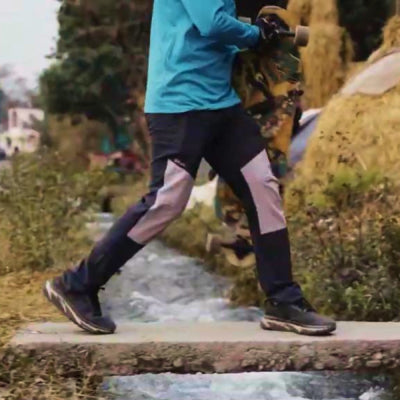
The same goes for your feet. Bad shoes for trek force your muscles to compensate constantly. You tense more. You fatigue faster. Sweat builds where it shouldn’t.
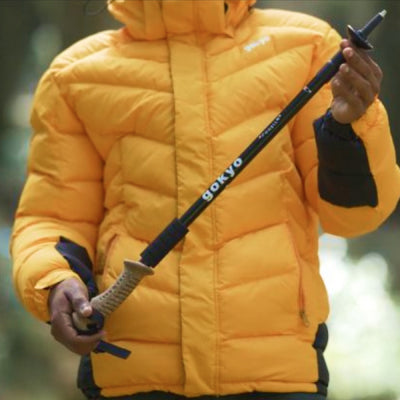
On icy or uneven sections, crampons restore confidence and efficiency. Add trekking poles, and suddenly your body distributes effort evenly. Your knees relax. Your breathing slows. Your temperature stabilizes.
Efficiency is warmth’s best friend.
The “Small” Gear That Quietly Keeps You Warm
Some items never get credit—but they matter more than people realize.
A warm sip from thermos flasks helps maintain core temperature during cold breaks. Good trekking socks manage moisture before blisters even think about forming. Reliable winter gloves keep fingers functional without overheating them.
High altitude sun is harsh. Sunscreen protects already stressed skin. Lip balm prevents painful cracks that can ruin morale. A simple beanies reduces heat loss during stops, while sunglasses protect your eyes from snow glare that drains energy faster than you expect.
None of this is flashy. All of it works.
Footwear, Load & Grip Essentials


Food Is Thermal Regulation Too
Your body can’t stay warm if it’s running on empty.
Trekking burns calories relentlessly, even when it doesn’t feel dramatic. That’s why experienced trekkers fuel proactively. Protein food supplements help maintain steady energy levels without heavy digestion, keeping your body efficient instead of reactive.
When energy dips, your body struggles to regulate temperature. Fatigue, sweat, and chill follow quickly.
Warmth is physiological, not just mechanical.
What the Mountain Eventually Teaches Everyone
People rarely turn back because they didn’t pack thick enough clothes.
They turn back because:
Their layers trapped moisture
Their gear fought their movement
Their body couldn’t recover during stops
The solution is almost never more.
It’s smarter.
Smarter layering. Smarter materials. Smarter systems.
Final Thought: Warmth Is Dynamic, Not Static
Anyone can feel warm while standing still.
Staying comfortable while moving, sweating, stopping, and starting—that’s the real challenge.
When your jacket works with your body instead of against it, trekking changes. The trail feels calmer. Your mind stays clear. You stop thinking about the cold and start noticing the mountains again.
And that’s when you finally let go of the jacket myth.
Because on a trek, thicker doesn’t always mean warmer.
Balanced does.
FAQs
-
Why do thick jackets feel so much colder when I have already stopped walking?
This is due to the fact that the minute that movement stops, the sweat that was trapped in the layers of clothing cools down rapidly and thereby draws heat away from your body. -
Is it a given that sweating will occur during a trek?
Sweating is a natural response of the body. The problem is not the sweating but the holding back of the sweat. The right type of layers will help to manage moisture in a good way all the time. -
Can a single jacket be a substitute for proper layering?
Not at all. There is no one jacket that can perfectly control insulation, breathability, and wind at the same time. -
Why do trekkers go for lighter layers?
Light layers help in giving better temperature control and also they make it possible to reduce the amount of exertion which is not needed. -
Is the fit as important as the material?
Yes, it is. A bad fit will limit the range of motion and make you tired faster, and this will result in a loss of warmth. -
What is the biggest mistake winter gear beginners make?
They prefer thickness over breathability and do not take into account the changes in performance of the gear over time.
← View Previous Blog:
 Haven’t Taken a Break All Year? These Winter Treks Will Fix Your Soul