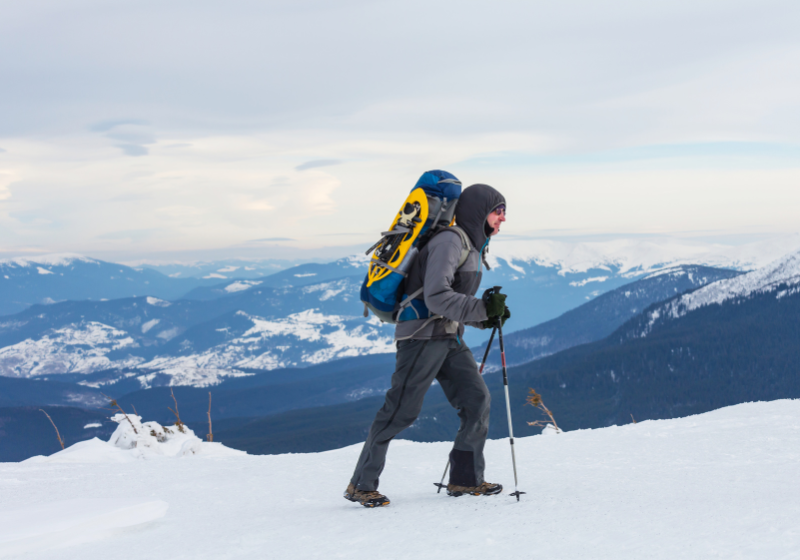
The One Gear Failure That Forces Trekkers to Turn Back Mid-Trail
Every trek has a moment that tests you.
Not the Instagram kind. Not the summit photo moment.
The real one—where the wind cuts harder, the temperature drops faster than expected, and you quietly ask yourself: Do I keep going, or do I turn back?
For many trekkers heading toward Gokyo, that moment doesn’t arrive because of altitude or exhaustion.
It arrives because of one gear failure that no amount of motivation can fix.
And it’s almost always the same mistake.
The Silent Enemy: Cold That Creeps In
Cold on the trail isn’t dramatic. It doesn’t announce itself.
It starts subtly—fingers stiffen, shoulders tighten, your breathing shortens. The terrain hasn’t changed, but your body has.
Most trekkers assume the problem is extreme weather. In reality, it’s heat loss caused by improper layering.
You don’t quit because you’re weak.
You quit because your gear stopped doing its job.
At high-altitude trails like Gokyo, once your core temperature drops, decision-making suffers. Balance goes off. Energy drains. What felt manageable an hour ago suddenly feels unsafe.
This is where turn-backs happen.
Why “Warm Enough” Is Never Enough
Many first-time trekkers pack heavy outer layers and call it preparation. Big jackets, thick sweaters, bulky add-ons. The issue? Warmth without heat regulation traps sweat—and sweat in the cold is a fast track to hypothermia.
The most overlooked piece of trekking gear is also the most important: what touches your skin first.
High-quality base layer thermals act like a temperature manager, not just insulation. They pull moisture away, maintain warmth, and keep your body steady as conditions change. Without them, even the best outerwear struggles.
This is where smart layering—something Gokyo Outdoor Clothing & Gear designs for specifically—makes the difference between finishing the trail or stopping halfway.
Core Base Layers That Make the Difference


When the Middle Layer Fails, Everything Collapses
Once your base is sorted, the next failure point is often the mid-layer.
Cheap or ill-fitting fleece jackets lose heat rapidly in wind-heavy zones. Trekkers feel warm while moving, then freeze the moment they stop for water or altitude adjustment.
A reliable mid-layer creates a buffer—trapping warmth while allowing movement. This becomes crucial in places where weather shifts without warning.
Above certain elevations, you don’t have the luxury of “waiting it out.” You need gear that responds immediately.
The Jacket That Decides Your Fate
Here’s where many trekkers make a costly mistake: assuming all insulated jackets are the same.
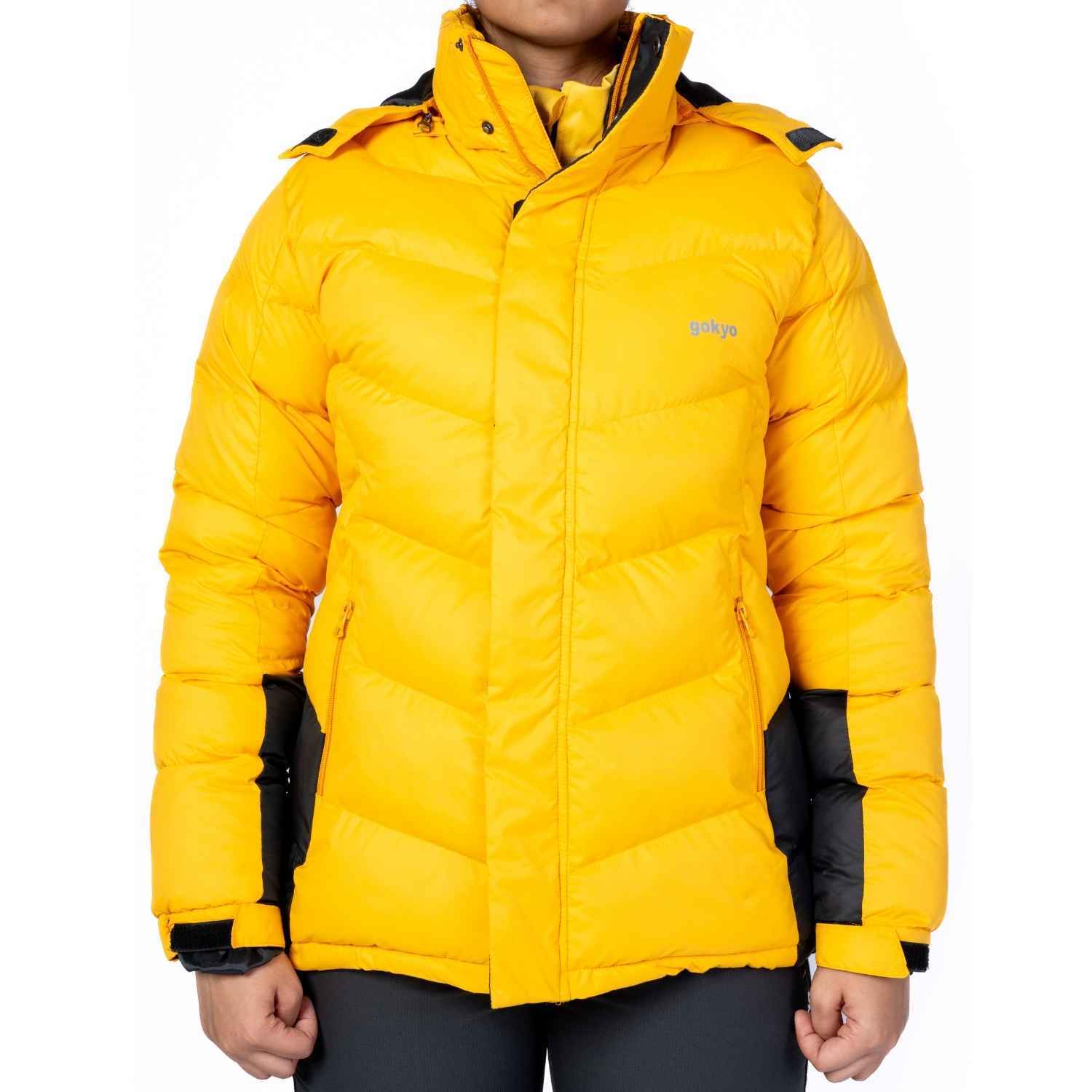
A proper down jacket isn’t just about thickness—it’s about weight, compressibility, and how evenly heat is distributed. Inferior insulation creates cold pockets, especially when wind hits from the side.
Layer that with a poorly constructed shell, and warmth disappears fast.
That’s why seasoned trekkers always pair insulation with a reliable windcheater for men or women—something lightweight that blocks wind without locking in moisture.
This combination matters more than any single heavy layer.
Essential Mid-Layers for High-Altitude Treks


Gear Isn’t Just Clothing—It’s Support
Cold isn’t the only reason people turn back. Fatigue from bad load management can end a trek quietly and early.
Overstuffed or poorly balanced travel bags strain your shoulders and lower back, especially on ascents. By day two or three, posture collapses, breathing tightens, and every step feels heavier than it should.
Your body burns more energy compensating for imbalance—energy you can’t afford to lose at altitude.
The right pack doesn’t just carry weight. It distributes it.
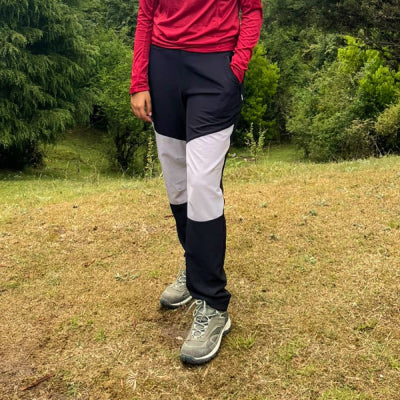
Outer Layers & Wind Protection That Work


Footwear: Where Confidence Begins
Slipping once on ice changes everything.It seems like a risky move every step of the way.
The wrong footwear on a hike takes away the grip, stability, and warmth of the feet. The moment the toes get numb, the whole body loses balance. And when balance is lost, confidence is gone.
If there are icy patches, that’s the time when crampons become a must-have rather than a good-to-have item. They do not only stop slipping but also encourage going ahead without doubts.
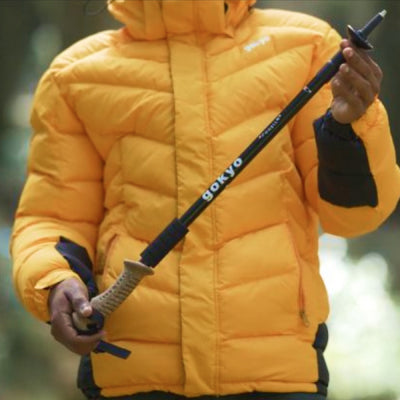
If you use trekking poles together with crampons, the body will share the impact evenly, thus protecting the knees and keeping the energy for the long distance travel expended.
The Small Items That Make a Big Difference
Some pieces of equipment do not seem important at first sight until it is too late.
The use of expensive quality trekking socks not only eliminates friction but also controls sweat. On the other hand, poor quality ones create blisters that are tiny and annoying on the first day but unbearable on the third day.
The use of specialized winter gloves ensures that fingers remain warm and thus elastic, which allows the person to do things such as adjusting straps, zipping up layers, and so on and, thereby, maintaining the blood flow. When fingers cool down, even simple movements become hard.
At higher altitudes, sun exposure is fierce; snow reflects light so the intensity is increased. Good sunscreen and good eye protection prevent burns and snow blindness, whereas beanies keep the core warm, especially during breaks.
Sunglasses are also a must; they become a mechanism of protecting one’s eyesight when the glare reaches its highest point.
Together, they are each piece quietly working in the back skeleton. Failure of one will result in the entire system going through difficult times.
Why Trekkers Turn Back—And How to Avoid It
Most turn-backs don’t happen because people weren’t fit enough.
They happen because:
Moisture wasn’t managed
Wind wasn’t blocked
Weight wasn’t distributed
Extremities weren’t protected
The smartest trekkers don’t carry more gear—they carry better gear, designed for real mountain conditions.
Gokyo Outdoor Clothing & Gear understands that trekking isn’t about looking rugged. It’s about staying functional when conditions stop being kind.
Final Thought: Finish the Trail You Started
Turning back isn’t failure. Sometimes it’s wisdom.
But if you’re prepared correctly, most treks don’t need to end early.
When the insulation layers are in harmony, when the thermal regulation of your body is perfect, and when the ground under your feet is stable while your backpack is evenly distributed—you no longer battle the mountain and instead aligned with it.
That's the time when trekking is what it is supposed to be: difficult, of course—but very rewarding spiritually.
FAQs
1. What is the most common mistake with gear that trekkers make at high altitude?
Improper layering mainly skipping moisture-wicking base layers.
2. Is it entirely necessary to have multiple layers and not just a bulky coat?
Indeed. Layering gives better heat control and is in tune with the changing environment.
3. Are trekking poles a must for professional hikers?
They cut down the impact on your joints very much and even seasoned hikers would find them useful for improving their balance.
4. How can I identify that my backpack is the cause of my fatigue?
If you start getting shoulder pain or feeling the strain unevenly at an early stage, the weight distribution is probably wrong.
5. Is it really necessary to protect the skin from the sun in the cold regions?
Most certainly. UV radiation gets higher at great altitudes and the snow also plays a part by reflecting it.
6. What is the surest way not to get turned back in the middle of the trail?
Try out all your gear beforehand and pick the ones that are meant for the mountains.
← View Previous Blog:
 The Jacket Myth: Thicker Doesn’t Always Mean Warmer