What Mountain Guides Actually Wear Under Their Jackets (And Why It Matters More Than You Think)
If you’ve ever watched a mountain guide move effortlessly across rocky ridges or snowy trails, you’ve probably noticed something: they always look comfortable. Not flashy. Not overdressed. Just… ready.
That’s because experienced guides don’t rely on one heavy outer layer to survive the mountains. Their real secret lives underneath the jacket — in smart layering, thoughtful choices, and gear that works with their body, not against it.
After years of guiding trekkers through changing altitudes, surprise snowfall, blazing sun, and bone-chilling winds, most mountain professionals follow a simple rule:
It’s not about wearing more. It’s about wearing right.
Let’s break down what mountain guides actually wear under their jackets — and how you can borrow the same wisdom for your own adventures with Gokyo Outdoor Clothing & Gear.
The Base Layer: Where Comfort Truly Begins
Every guide will tell you the same thing: your base layer is non-negotiable.
This is the layer that sits directly against your skin. It manages sweat, keeps body temperature steady, and prevents that awful cold shock when you stop walking.
Most guides swear by thermals for men that are lightweight, breathable, and quick-drying. They’re not bulky. They don’t cling awkwardly. They simply do their job quietly in the background, keeping muscles warm during early-morning starts and late-evening descents.
A good base layer feels invisible once you’re moving — and that’s exactly the point.
The Mid Layer: Trapping Warmth Without the Bulk
Next comes insulation.
This is where guides usually reach for a reliable fleece jacket, especially on colder trails or high-altitude mornings. Fleece works beautifully because it traps heat while still letting moisture escape. You stay warm without feeling sweaty, and flexible without feeling restricted.
What makes this layer so important is adaptability. Guides often zip it up while resting, unzip it while climbing, or remove it entirely once the sun rises. It’s warmth on demand.
Later in the day, when temperatures dip again, that same fleece comes back into action — proving why layering always beats single heavy clothing.
Wind Protection: Lightweight, Always Ready
Mountains love surprises. Calm skies can turn gusty in minutes.
That’s why many guides carry a windcheater for men tucked neatly into their pack. It’s light, compact, and perfect for sudden ridge winds or exposed crossings. No insulation here — just a barrier that keeps icy air from stealing your body heat.
It’s one of those pieces you don’t think you’ll need… until you’re incredibly grateful you packed it.
Block the Gusts: Lightweight Wind Protection for Changing Weather


Small Accessories, Big Impact
Guides pay serious attention to the little things.
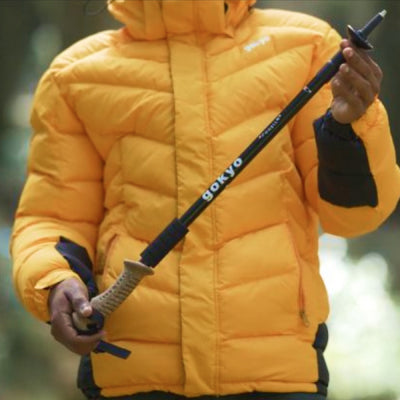
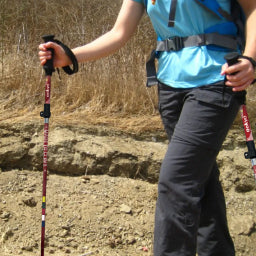
A simple pair of winter gloves can mean the difference between enjoying a snowy viewpoint and counting seconds until your fingers go numb. They protect against cold metal trekking poles, icy rocks, and early-morning frost.
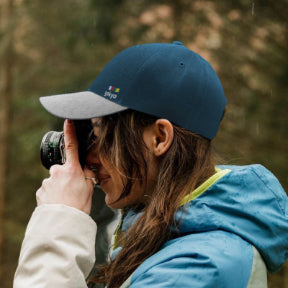
Then there are caps — worn under hoods, during breaks, or while setting up camp. Since so much body heat escapes through your head, this tiny accessory does heavy lifting in keeping you warm.
These pieces might seem minor, but on long days outdoors, they quietly protect your energy and focus.
What’s on Their Feet (and Backs)
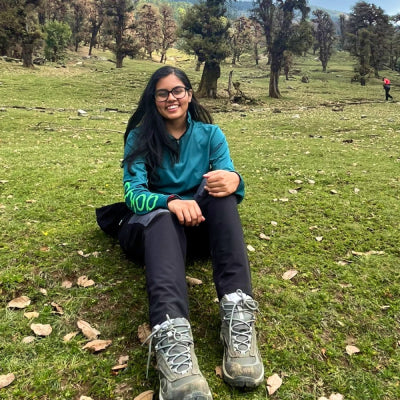
The knowledge of the world exists beneath the multiple layers of clothing which people wear. Professional guides depend on reliable trekking shoes which deliver traction and ankle protection and extended walking comfort. Footwear selection demands careful testing because blisters create an unsafe situation for guides who must protect their charges.
Travelers typically carry travel bags which contain organized work items and their complete set of necessary equipment. All things within the space exist in specific locations which people can access. All things within the space exist in specific locations which people can access.
Mountain packing requires people to select better equipment options instead of choosing between two weight categories. People need to learn how to maintain their body temperature through internal methods.
Most people incorrectly believe that external methods provide their body warmth needs.
Most guides carry a thermos flask which contains either tea or soup or heated water. The mid-hike sip provides an instant boost to your spirit while it helps you recover energy and warms your body throughout windy lunch breaks and snowy rest stops.
The liquid creates a state of comfort for the person who consumes it.
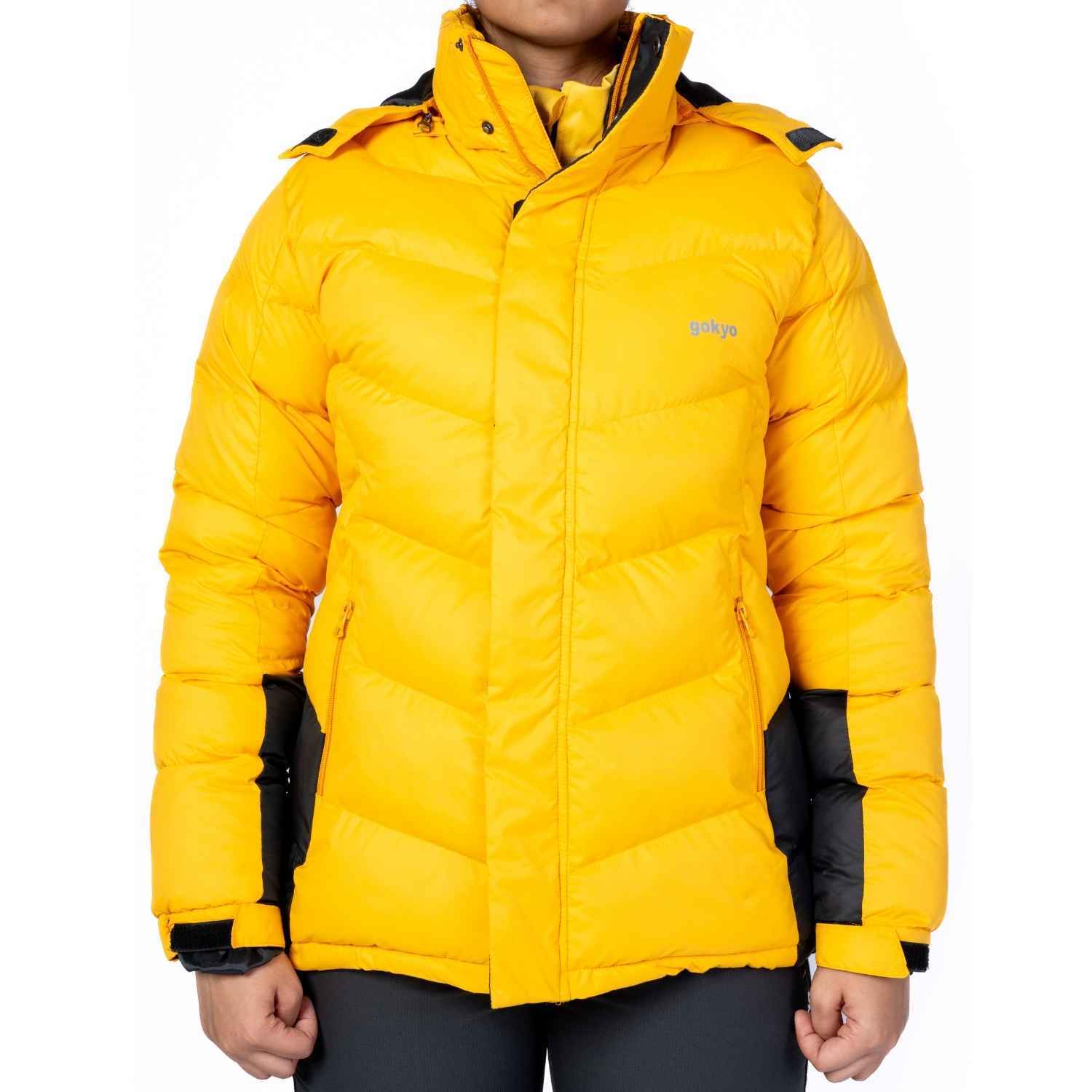
The Outer Layer serves as protective clothing which provides defense against elements because it lacks heroic qualities. The jacket serves as our main topic of discussion.
People believe that the outer jacket handles all protective tasks. The outer layer of the jacket provides protection to all the items which people wear beneath it against wind and rain and snow.
Guides choose jackets for men which allow body heat to escape while providing protection against weather elements because they need to stay dry during their work. The jacket functions as a protective barrier. The body temperature control system of the body functions through its internal components.
This balance is what keeps guides moving steadily for hours.
Trail Essentials Guides Never Leave Behind


Why Guides Choose Thoughtful Gear Over Trendy Gear
Mountain professionals don’t chase trends. They chase reliability.
They choose clothing that packs small, dries fast, and adapts to changing conditions. They favor brands that understand real outdoor needs — which is why many trust Gokyo Outdoor Clothing & Gear for practical, trail-tested essentials.
Every piece serves a role. Every layer has a reason.
It’s not about looking rugged. It’s about feeling capable.
Bringing It All Together
By afternoon, the sun might be warm. By evening, the wind returns. During ascents, layers come off. During breaks, layers go back on.
This constant adjustment is what keeps guides comfortable through long days on unpredictable terrain.
And the same approach works for everyone — whether you’re on a multi-day trek or a weekend trail.
Later in the journey, those thermals for men come back into play as temperatures drop again. That trusted fleece jacket reappears at camp. The windcheater for men blocks evening gusts. You refill your thermos flask, pull on your winter gloves, adjust your caps, tighten your trekking shoes, and reach into your travel bags for snacks.
Your men's backup jackets maintain full readiness to handle unexpected weather changes.
The mountains require handling through their entire existence which needs to be managed from each moment until the last moment.
Warmth Without Weight: Mid Layers That Move With You


Final Thought
Luck does not serve mountain guides. Their success comes from their dedicated work which they do to prepare themselves.
The construction of their clothing systems results from their actual experiences and their testing of different systems and their many mornings spent in freezing weather. The best part about this system. The system allows you to develop the appearance of a guide without needing to spend multiple years in the field.
You need smart layers and dependable equipment combined with a mindset that prefers comfortable items instead of excessive possessions.
People in the mountains need to understand that their base layers hold greater importance than their outer jacket.
FAQs
1. Why do mountain guides focus so much on layering?
The practice of layering enables users to make temperature and activity level adjustments through multiple temperature time and engagement changes. The guides maintain day-long comfort by using their clothing to adjust body temperature which stops them from reaching either extreme of hot or cold.
2. Is a base layer really that important?
Base layers hold critical importance in all situations. Base layers which function effectively assist with sweat control while body temperature management helps prevent both chill and fatigue during extended hikes.
3. Can beginners follow the same clothing system?
Proper layering provides outdoor beginners with the greatest advantages because it enables them to use it. The system helps outdoor enthusiasts to have better experiences which keep them safe from weather conditions that change suddenly.
4. How many layers should I usually carry?
The three essential layers which most guides use include base layer and mid layer together with outer layer. The gloves and caps function as additional sources of warmth which people can use when necessary.
5. What should I prioritize when buying trekking clothing?
Trekking clothing must provide users with comfort and breathability together with the ability to pack and the ability to maintain its quality. Clothing needs to enable movement while maintaining adaptability to different environmental conditions.
← View Previous Blog:
 What Happens to Your Feet After 6 Hours of Continuous Trekking
View Next Blog: →
 Where to Travel in February If You Want to See Snowfall