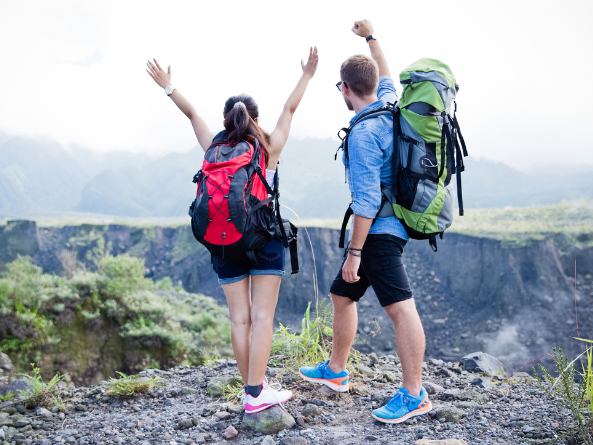
What Happens to Your Feet After 6 Hours of Continuous Trekking
Six hours.
That’s usually the moment when your feet stop feeling like feet and start feeling like… something else entirely.
Not exactly pain. Not exactly numbness. More like a quiet protest happening with every step.
If you’ve ever been on a long trek, you know the feeling. The first hour feels exciting. By the third, your rhythm settles in. Somewhere around the fifth, your legs are still moving — but your feet begin sending small signals: warmth, pressure, a little swelling, maybe even a hot spot or two.
And by hour six?
That’s when your body starts teaching you lessons about preparation.
Let’s talk about what actually happens to your feet after hours of continuous trekking — and how smart gear choices from Gokyo Outdoor Clothing & Gear can turn exhaustion into endurance.
Hour One to Two: Everything Feels Easy
At the beginning, your feet are fresh.
Blood circulation is strong, muscles are relaxed, and your soles are still cushioned by excitement. You’re adjusting to terrain, syncing your breath with your steps, and enjoying the views.
This is when good hiking shoes first show their value — offering grip, stability, and that comforting sense of balance on uneven trails. Early on, everything feels smooth, especially when your pack is well-organized and weight is distributed properly inside your trekking bags.
Your body is in motion mode. You feel capable. Light.
Hour Three to Four: Warmth Builds, Pressure Starts
As time passes, heat builds inside your footwear. Sweat increases. Your feet expand slightly — something many first-time trekkers don’t expect.
This is also when friction begins to matter.
Your toes press forward on descents. Your arches take repeated impact. Tiny muscles in your feet work nonstop to stabilize every step. Even your posture shifts as fatigue slowly creeps in.
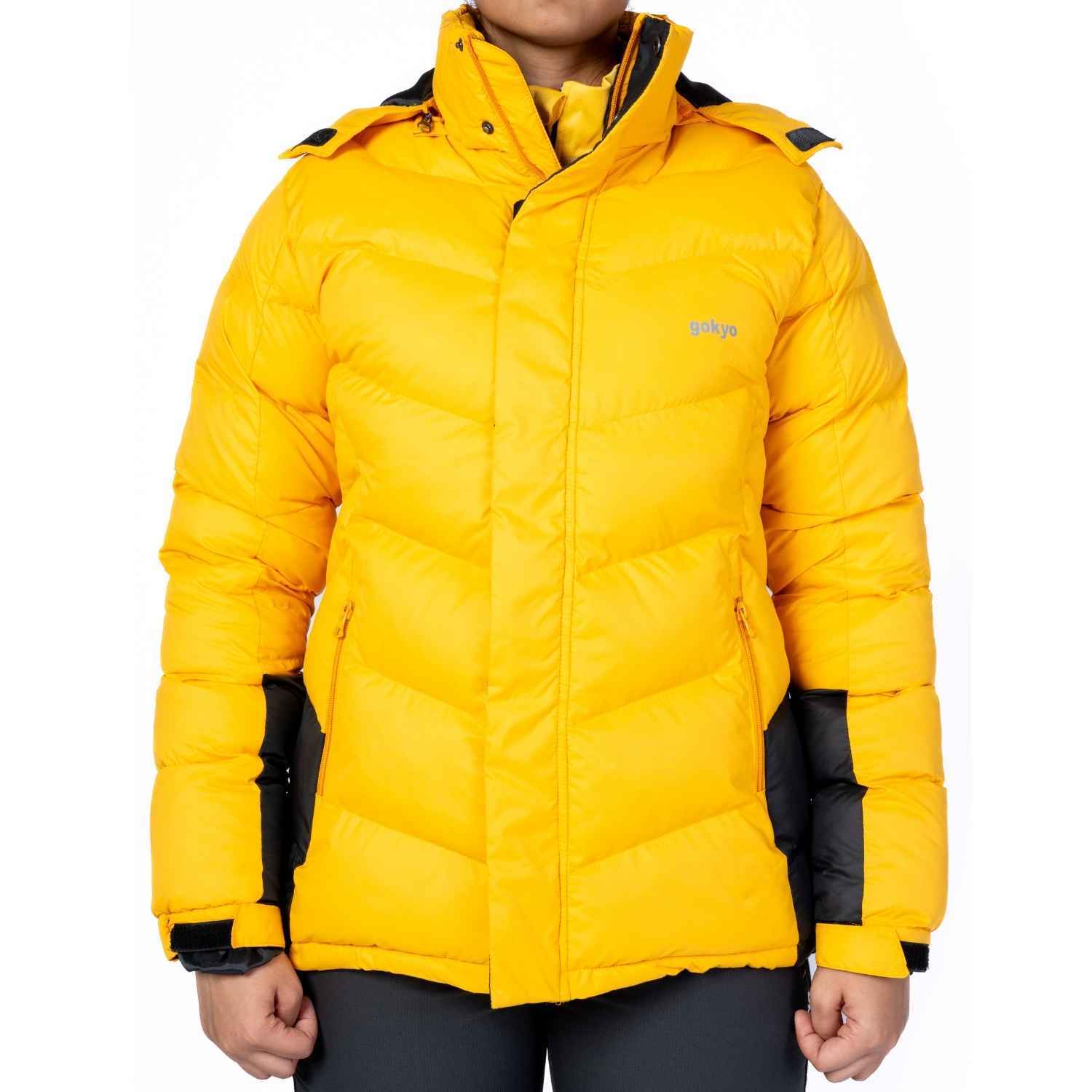
At this stage, breathable layers like trekking tshirts for men help regulate body temperature overall, while weather-ready jackets for men stay packed but ready, waiting for wind or shade.
Your feet are still doing okay — but they’re officially working hard now.
Hour Five: Fatigue Finds Your Soles
By hour five, the changes become more noticeable.
Your feet feel heavier. Swelling becomes real. Each step carries more weight than it did earlier, even if your pack hasn’t changed.
You stop more often. You roll your ankles during breaks. You become deeply aware of rocks underfoot.
This is when hydration and fuel matter just as much as footwear. A warm sip from your thermos flask can reset your mood instantly, while quick bites and protein food supplements help tired muscles recover faster between stretches.
Your hands might feel cooler during longer pauses, making winter gloves surprisingly comforting even on moderate trails.
And yes — if the sun is strong, this is also when people remember they forgot to reapply sunscreen.
Step Strong From the Start: Footwear That Carries You for Hours


Hour Six: Your Feet Tell the Full Story
Six hours in, your feet have been carrying your entire journey.
They’ve absorbed impact, adapted to terrain, balanced your body, and kept you moving forward — thousands of steps without complaint.
Now they start asking for care.
You might feel tenderness along the arches. Pressure near the toes. A dull ache in the heels. These sensations aren’t signs of failure. They’re signs of effort.
Good gear makes this moment manageable.
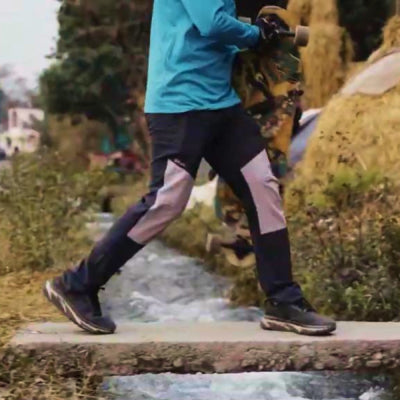
Well-fitted hiking shoes reduce strain on joints. Smartly packed trekking bags ensure weight isn’t pulling you backward. Layered clothing keeps your core warm so your circulation stays strong.
And during longer rest stops, pulling out that thermos flask again feels like a small victory.
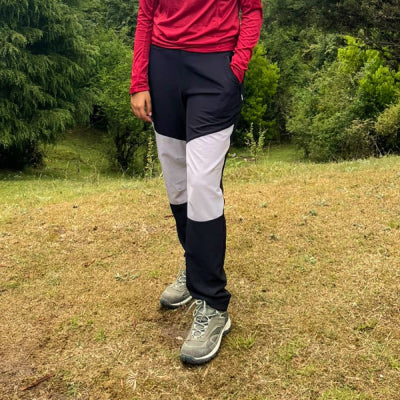
Stay Cool While You Move: Everyday Trek Wear for Long Miles


Why Your Feet Feel So Different After Long Treks
Here’s what’s happening inside your body:
-
Blood pools slightly in your lower limbs due to gravity
-
Muscles experience micro-fatigue from constant stabilization
-
Skin softens from moisture, increasing friction risk
-
Joints absorb repeated shock from uneven terrain
It’s not just about distance. It’s about time under tension.
That’s why experienced trekkers don’t rely on toughness alone. They rely on systems: footwear, layers, nutrition, hydration, and recovery.
They choose breathable trekking tshirts for men, weather-ready jackets for men, supportive packs, and accessories that adapt to changing conditions. They snack strategically with protein food supplements, protect exposed skin with sunscreen, and pull on winter gloves when breaks feel colder than expected.
Each piece plays a role.
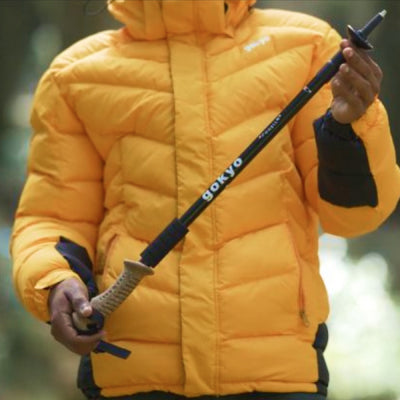
Fuel, Warmth & Small Comforts for Mid-Trail Breaks


The Second Half of the Day: Recovery Starts While You’re Still Moving
What many people don’t realize is that recovery begins before the trek ends.
Small habits make a big difference:
Loosening laces during breaks. Stretching calves for thirty seconds. Elevating feet on rocks. Drinking warm fluids. Adjusting layers as temperatures shift.
Your trekking bags should always allow easy access to snacks, gloves, or extra layers. That convenience saves energy — and energy matters late in the day.
Even something simple, like switching from shade to sun during rest stops, can help your feet feel lighter.
It’s all connected.
Why Thoughtful Gear Beats Toughing It Out
There’s a romantic idea that trekking is about pushing through discomfort.
In reality, smart trekkers reduce unnecessary struggle.
They prepare for long hours by choosing equipment that supports the body instead of fighting it. That’s why so many outdoor enthusiasts turn to Gokyo Outdoor Clothing & Gear — practical, trail-ready designs made for movement, not just aesthetics.
Your feet don’t care about trends.
They care about support.
Final Thought
Your feet support your body weight while you walk the trail for six hours. Your feet carry all the memories of your walk which includes the quiet times you experienced and all your work and achievements you made. Your feet will take you to farther distances when you treat them with respect. The purpose of great hikes lies in their path which people must travel from start to finish. People should walk at a slow pace while taking scheduled breaks to show respect for all the distance between their two points. ________________________________________
FAQs
-
Is it normal for feet to swell during long treks
Yes. The combination of heat and movement from active work together with gravitational forces results in minor swelling which people can control through proper shoe selection and scheduled breaks.
-
How can I reduce foot fatigue on long hikes
You should wear shoes that provide good support while you hike and take regular breaks between your walking distance and drink water during your hike and do stretching exercises during your breaks.
-
Should I change socks during multi-hour treks
If your socks feel damp changing them can reduce friction and improve comfort.
-
Do nutrition and hydration really affect foot fatigue
Proper fuel and fluids support circulation and muscle recovery throughout the body.
-
Why do my feet hurt more during descents
Downhill walking increases pressure on toes and heels which can cause soreness if shoes don.t fit well.
← View Previous Blog:
 The Hidden Link Between Foot Fatigue and Trekking Pace