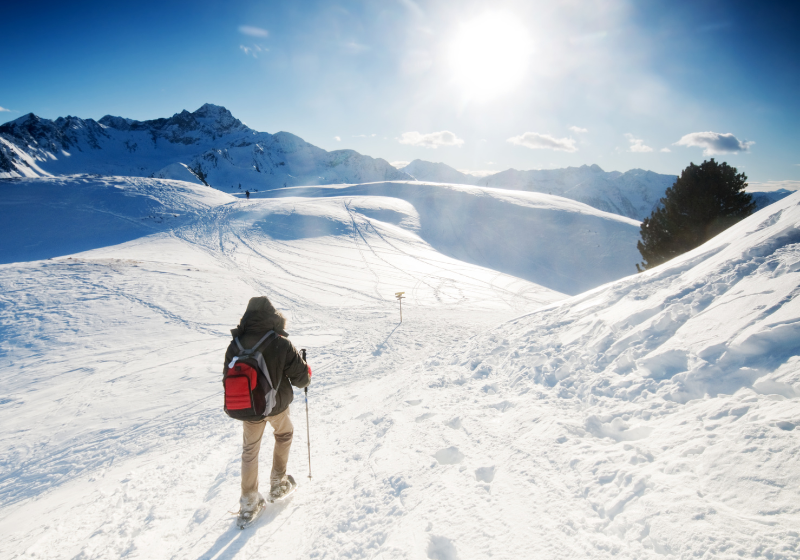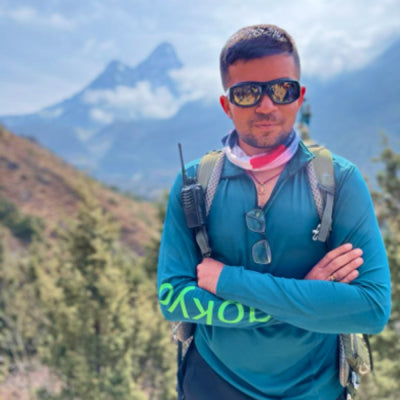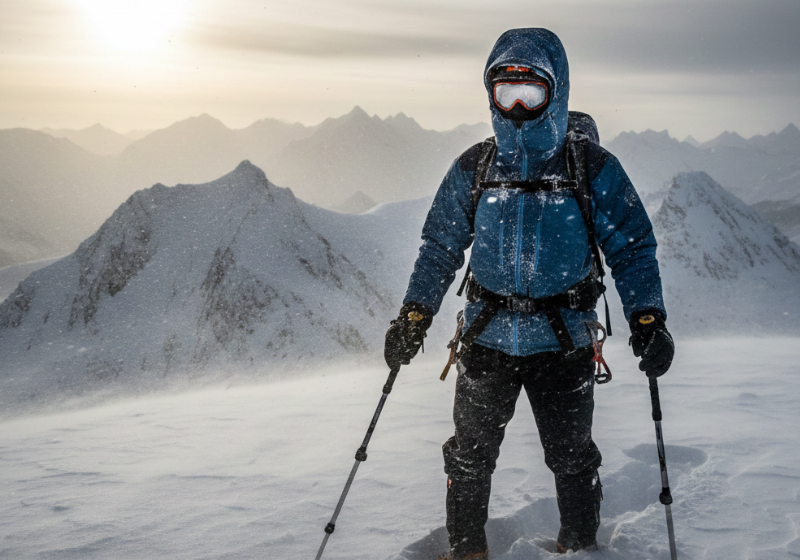
If you have ever experienced cold temperatures while standing on top of a mountain where it feels like the wind could cut through you like a knife you will already know that selecting a suitable winter coat isn't just a simple decision to make. If you have not yet experienced this, do I have some news for you, this is your friend and I'm cautioning you. When you begin a winter hike, you won’t be fueled by motivation, determination or a quote from your favorite author. You will be fueled by the warmth from your coat (jacket).
The mistake many new trekkers make is to bring whatever coat they own (or most likely purchased at a mall) with them without realizing how it will stand against extreme cold weather conditions. In the middle of a hike, the unexpected happens. They experience a sudden temperature drop and their body begins shivering uncontrollably. No sooner than they realize it, they’re starting to think the mountain is out to kill them (the mountain is probably not trying to kill you; it's just trying to teach you the consequences of not having the proper gear).
This is the truth most people never share with others: the difference between enjoying the trek versus just surviving it is based on which winter jacket you choose.
Let’s explain the important reasons why selecting the wrong winter jacket could risk your safety while hiking and what features to look for in a winter hiking jacket when purchasing one.
Featured Winter Jackets for Snow Treks


What Actually Happens When You Wear the Wrong Jacket
A winter trek isn’t a cute snowy vacation moment. The temperatures swing insanely fast. Mornings start calm, afternoons bring sweating climbs, evenings freeze like punishment. And when the weather turns a blizzard, wind roar, wet snowfall you don’t get time to debate fabric choices.
The wrong jacket usually fails in three cruel ways:
1. It lets cold wind in
If your jacket can’t block wind, you’ll feel cold slicing through your spine like ice water. That’s the kind of cold you can’t shake off once it enters your bones.
2. It traps moisture inside
You sweat more than you think while trekking. The wrong insulation keeps sweat against the body, making you wet from inside. Wet + cold air = an express train to hypothermia.
3. It weighs you down
Trekking is already enough weight to carry. Add a heavy jacket and you’ll be out of breath halfway.
And here’s the kicker once you’re cold, there is no easy way back. You can’t just warm up quickly on a snowy trail. You can’t light a bonfire every 15 minutes. You must prevent getting cold in the first place.
That’s why the right jacket for men or women isn’t chosen by how warm it feels when you first put it on. It’s chosen by what happens after four hours in snow, wind, and altitude.
So What Is the “Right” Winter Jacket for a Trek?
Most people walk into a store, see a huge fluffy coat and think, “Wow, this is warm, this will do.”
Wrong.
Winter trekking jackets are engineered pieces of gear. They’re designed to help your body regulate heat and stay dry, not just look bulky for selfies.
Here are the most important elements to understand while choosing:
1. Insulation Type
This is how heat is trapped.
• Down insulation (made from goose/duck feathers) is incredibly warm and lightweight. Best for dry freezing weather.
• Synthetic insulation stays warm even if wet and dries faster.
A down jacket is magical for extremely cold, dry mountain conditions. It packs tiny but warms like nothing else. But if there’s a chance of rain or wet snow, synthetic can be safer.
2. Puffer Construction
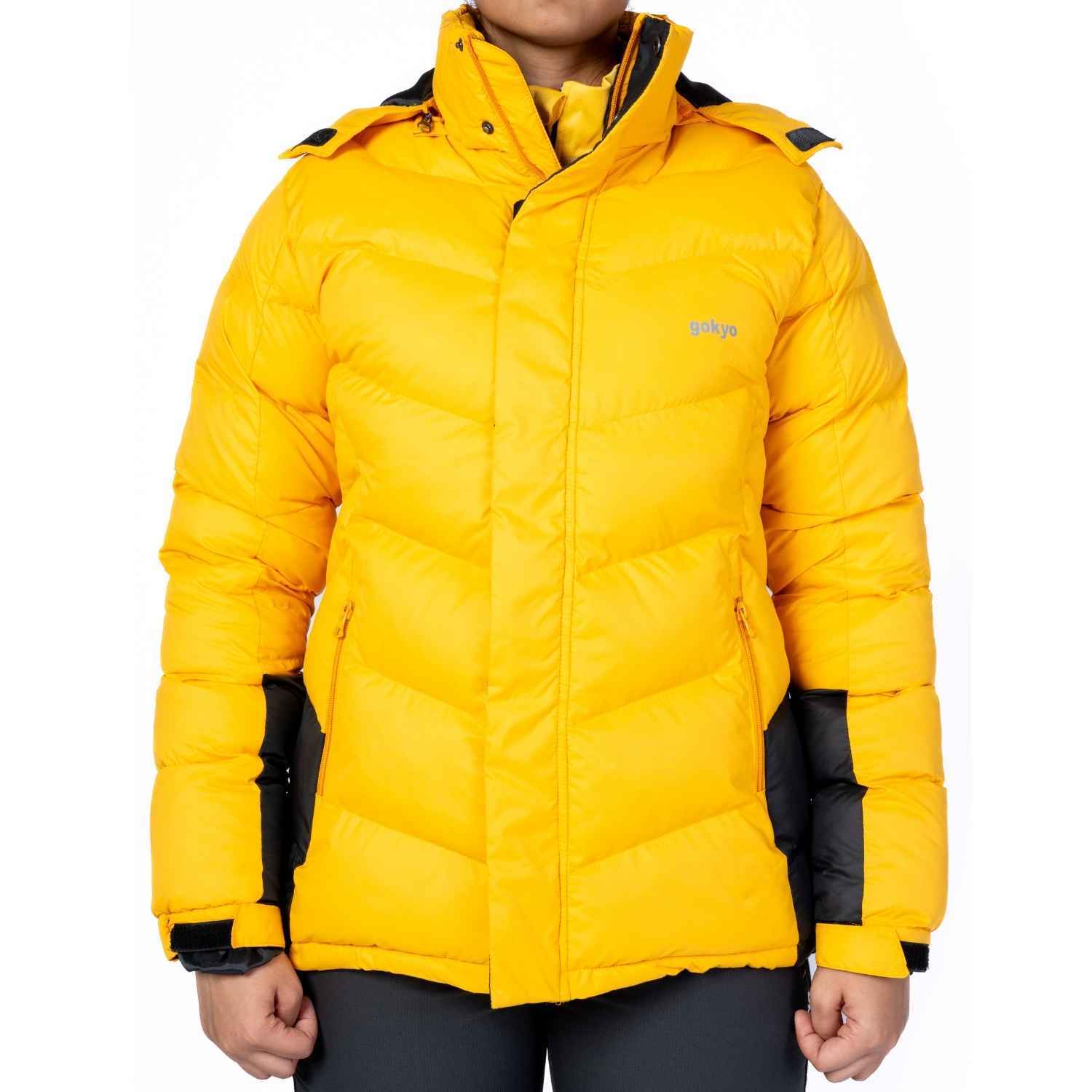
That pillowy quilted look isn’t just fashion. Puffers create individual pockets of air that trap heat without suffocating movement. A real puffer jacket feels like wearing a personal heater—but it must be high quality, tightly filled, and well-sealed, or it’s just decorative.
3. Windproofing
If your jacket is amazing but wind cuts straight into it, game over. Wind is more dangerous than low temperature.
4. Waterproofing or Water Resistance
Snow turns to water. Water becomes ice. Ice touching skin drops temperature dangerously fast. Enough said.
5. Breathability
Sweating inside your jacket is worse than being cold without one. Moisture kills warmth.
6. Hood, High Collar & Adjustable Cuffs
The cold finds every gap—neck, sleeves, zip line.
Insulated Gloves for Winter Treks


One Jacket Isn’t Enough, Layering is the System
Trekking jackets don’t work alone. They’re part of a structure—base layer, mid layer, insulation layer, wind-protection layer.
But the final layer, the one that shields you from the world, must be reliable.
And yes, sometimes you will carry light trekking bags filled only with gear that you truly trust. Because nothing teaches minimalism like snow.
Real Talk: Why People Freeze Even With “Warm” Jackets
Because they choose jackets made to survive cities, not mountains.
City jackets are designed for short exposure. Mountain jackets are designed for sustained exposure.
Fashion jackets look great, until:
- It starts snowing sideways
- Wind speed goes 40 km/hr
- Temperature drops from 5°C to -12°C in two hours
- Your sweat freezes inside the lining
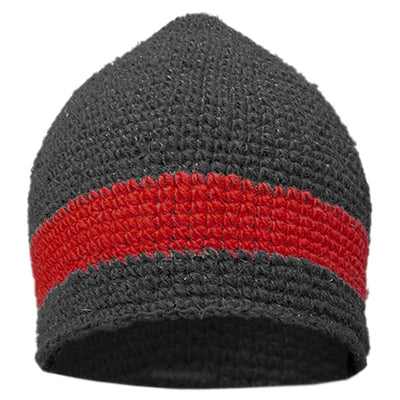
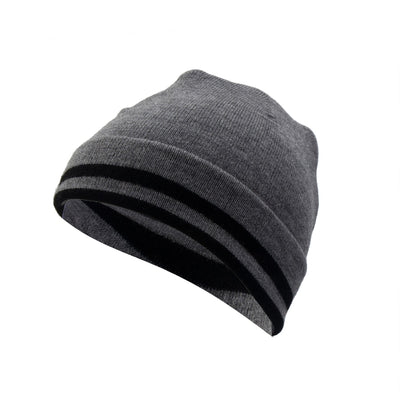
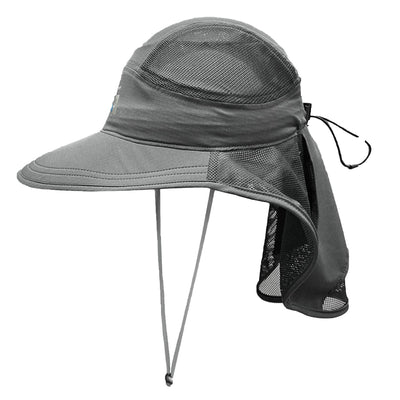
Winter Caps & Sun Hats for Trekking






A Jacket Isn’t Just Gear—It’s Your Partner on the Mountain
A winter trek humbles you. It strips ego, comfort and assumptions. It demands preparation.
If you’re planning a snow trek soon and don’t know where to begin, explore engineered mountain-tested options at Gokyo Outdoor Clothing & Gear.
And if you’re trekking under exposed sun ridges, a sun hat and insulated gloves matter just as much.
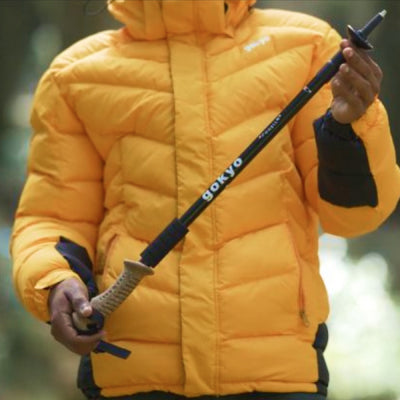
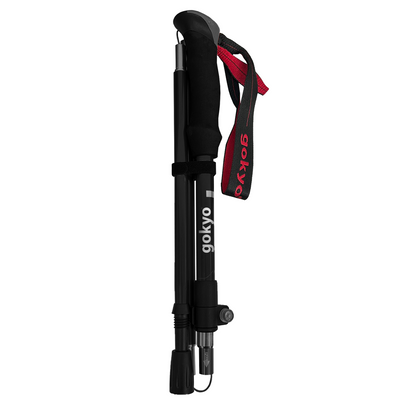
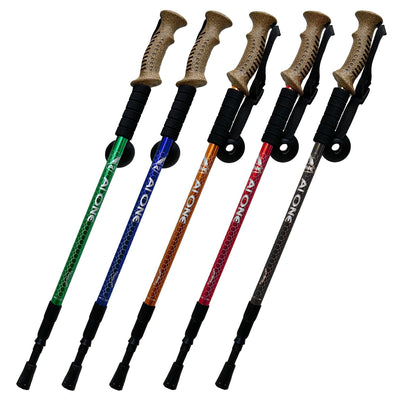
Pair that with layered headwear like caps for men and proper balance support using trekking poles.
Trekking Poles & Snow Accessories

FAQs
1. What is the biggest mistake people make with winter jackets on treks?
Choosing jackets meant for cities or casual wear instead of performance-built trekking insulation.
2. Should I choose down or synthetic insulation?
Down is unbeatable for extremely cold dry climates. Synthetic offers better performance in wet snowfall.
3. How important is wind protection?
Crucial. Without windproofing, even the warmest insulation becomes useless.
4. Do puffers actually help during trekking?
Absolutely. A well-built puffer traps heat efficiently and stays lightweight.
5. Do jackets need waterproofing if it’s just snow?
Yes, snow melts and soaks into fabric, which destroys insulation.
6. Is one heavy jacket enough for a trek?
No. You need a layered system for flexibility.
Final Words
When you look back on your trek years later, you won’t remember the discomfort. You will remember the sunrise washing over white mountains.
But you’ll only enjoy any of that if you stay warm.
So choose a jacket that respects the mountain not one that only looks good in the airport.

← View Previous Blog:
 Why Exposed Hands Lose Heat Faster Than Your Core